Your Clients' Skin Is Not a One-Size-Fits-All Situation
Let's paint a picture. A client walks into your spa for a facial. She's excited, she's ready to relax, and she's also — unbeknownst to your esthetician — currently on a retinoid prescription, recently had microneedling done at another salon, and happens to be allergic to lavender. No one asked. The facial proceeds. And now you have a very unhappy client, a potential liability issue, and a scathing review being typed out in real time from the parking lot.
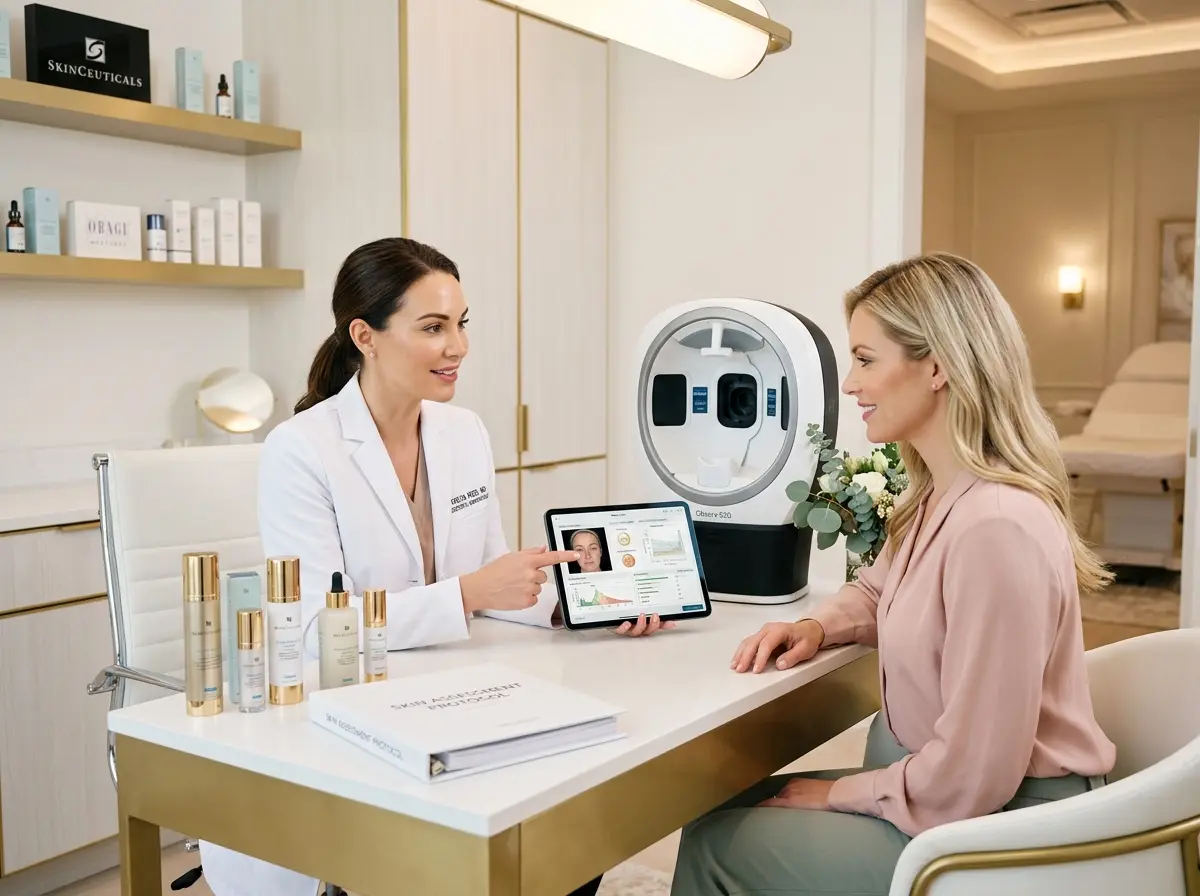
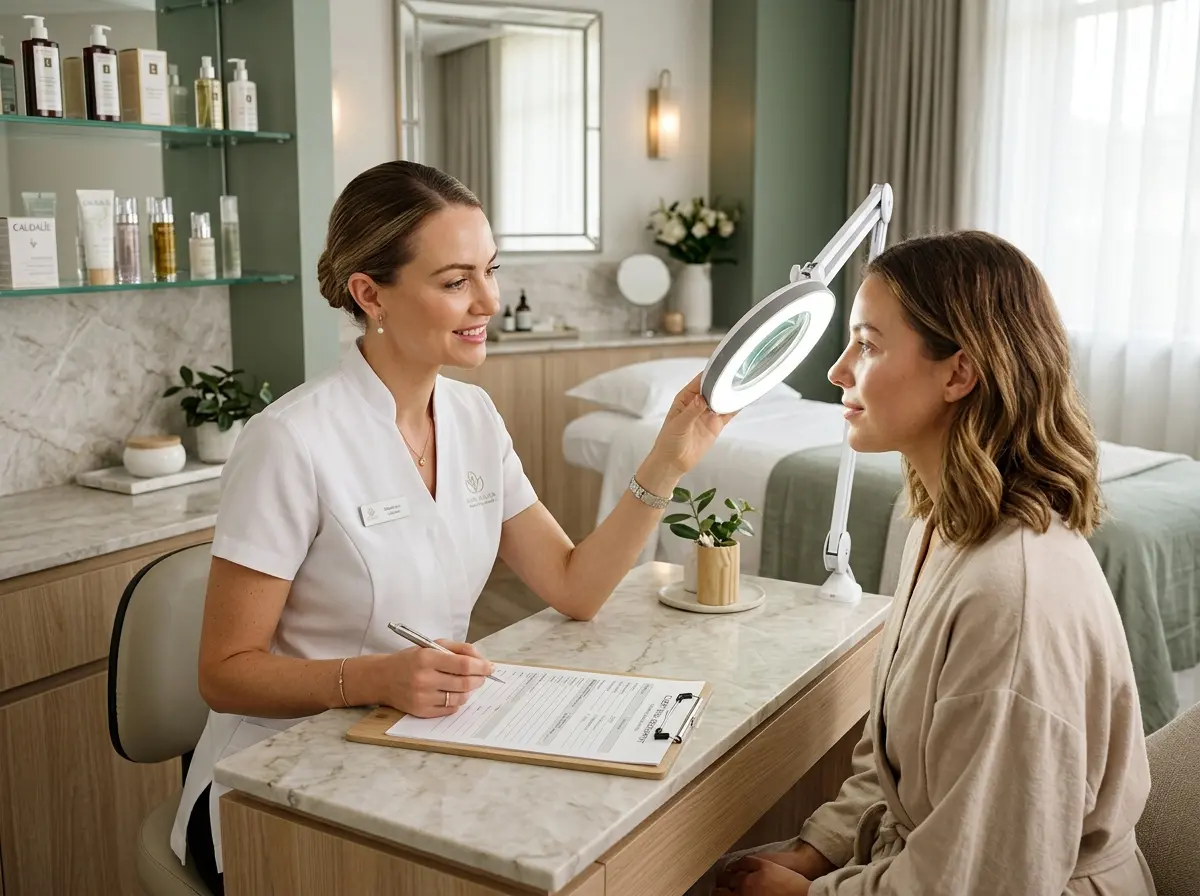
Sound dramatic? It happens more often than the spa industry likes to admit. And the heartbreaking part is that it's almost entirely preventable. A thorough skin assessment form — completed before every single facial appointment — is one of the simplest, most effective tools in your spa's arsenal. Not just for safety, but for delivering the kind of personalized, professional experience that turns first-time visitors into lifelong clients.
If you're still winging it with a quick verbal check-in or relying on a dusty intake form from three years ago, this post is for you. Let's talk about why skin assessments matter, what they should include, and how to make the whole process seamless for your staff and your clients.
Why Skin Assessment Forms Are Non-Negotiable
The Safety Case Is Stronger Than You Think
Estheticians are skilled professionals, but they are not mind readers. Without a proper skin assessment, your team is essentially working blind. Certain skincare ingredients — acids, enzymes, retinoids, and even some botanical extracts — can cause serious reactions when combined with medications, recent procedures, or specific skin conditions. According to the American Academy of Dermatology, reactions from skincare treatments, including chemical burns and contact dermatitis, are among the most common complaints logged after professional facial services.
Contraindications aren't always obvious. A client might not think to mention that they've been using a prescription-strength kojic acid serum at home, or that they had laser hair removal on their upper lip two weeks ago. They're not trying to hide anything — they just don't know what's relevant. That's your job to find out, and a structured form makes it systematic rather than dependent on whoever asks the right question on the right day.
Personalization Is What Clients Are Actually Paying For
Here's the business case: clients who receive a personalized, results-driven facial come back. Clients who receive a generic, one-size-fits-all treatment — even if it's technically pleasant — are much harder to retain. A skin assessment form gives your estheticians the information they need to customize every step of the service, from the cleanser they reach for first to the mask they recommend at the end.
When your esthetician can say, "I noticed you mentioned some hormonal breakouts along the jawline — I adjusted your treatment and added a targeted spot treatment to the protocol," that client feels seen. She feels like she got something tailored to her, not just a facial off a laminated menu. That's the experience people talk about, tip generously for, and book again.
Liability Protection Is a Business Necessity
Nobody likes to think about lawsuits. But if a client has a reaction after a service, the first question any insurance company or attorney will ask is: Did you collect a consent and intake form? A completed skin assessment form, signed by the client and dated before the appointment, establishes that your spa followed proper protocol, disclosed potential risks, and received informed consent. Without it, your business is exposed — and "she didn't mention it" is not a legal defense. Make the form part of your standard workflow, keep records, and protect what you've built.
How Stella Can Help You Streamline the Intake Process
Collecting Forms Before Clients Even Walk Through the Door
Getting clients to actually fill out forms is, let's be honest, half the battle. If the process is clunky, confusing, or feels like homework, people skip it, rush through it, or hand it back half-completed. This is where Stella — the AI robot employee and phone receptionist — becomes genuinely useful for spa owners. Stella can collect intake and assessment forms conversationally, whether through a phone call, on the web, or directly at her in-store kiosk when a client arrives.
Imagine a client calling to book a facial appointment. Stella answers the call, books the appointment, and then walks the client through a brief skin assessment intake right there on the phone — naturally and conversationally, without it feeling like a clinical interrogation. The information gets stored in Stella's built-in CRM, tagged to the client's profile, and is ready for your esthetician to review before the appointment even starts. No paper forms, no rushed clipboard handoff at the front desk, and no gaps in the client's history.
For clients who prefer to complete forms in person, Stella's kiosk presence inside your spa can guide them through the process in a friendly, welcoming way — freeing up your front desk staff to focus on the hands-on work that actually requires a human touch.
What a Great Skin Assessment Form Actually Includes
The Essential Questions You Can't Skip
A solid skin assessment form doesn't need to be 10 pages long, but it does need to cover the right ground. At minimum, every pre-facial intake form should ask about current skincare medications (both topical and oral), recent cosmetic procedures, known allergies and sensitivities, current skin concerns, sun exposure and tanning history, and pregnancy or breastfeeding status. These aren't optional extras — they're the foundational information your estheticians need to work safely and effectively.
You should also ask about the client's primary skin goal for the visit. Is she coming in for relaxation, or is she hoping to address hyperpigmentation? Does she want to maintain results from a previous treatment, or is she coming in for the first time with no real expectations? Knowing the answer shapes everything, from how much time you spend on extractions to which retail products you recommend at the end.
Keeping Forms Current — Every Single Visit
This is the part most spas get wrong. Many businesses collect an intake form once — during the client's very first visit — and then never ask again. But skin changes. Medications change. Life changes. A client who was not pregnant six months ago might be pregnant now. A client who had no skincare routine in January might have self-prescribed an aggressive home regimen by March. Relying on outdated information is almost as risky as having no information at all.
Make it standard practice to have every client confirm or update their skin assessment information before every appointment. It doesn't have to be a full re-intake every time — a brief digital update with a few targeted questions is sufficient for returning clients. What matters is that the information is current and that your team is always working with accurate data.
The Digital Advantage: Forms That Work for Your Business
Paper forms work, but they create friction — for clients who have to fill them out in a waiting room, and for staff who have to store, retrieve, and make sense of them. Digital forms solve for this in multiple ways. They can be sent in advance so clients complete them on their own time. They can be pre-populated with information from previous visits. They can be instantly accessible to your estheticians before and during the appointment. And they eliminate the filing cabinet situation entirely.
When you pair a clean digital intake process with a CRM that actually stores and organizes the data, your entire operation runs more smoothly. Your estheticians walk into each appointment informed. Your front desk team spends less time shuffling papers. And your clients feel like your spa actually knows them — because, thanks to good systems, it does.
Quick Reminder About Stella
Stella is an AI robot employee and phone receptionist designed to help businesses like yours run more efficiently without adding headcount. She greets clients at your in-store kiosk, answers phone calls around the clock, collects intake forms conversationally, manages a built-in CRM, and promotes your services and specials — all for $99 per month with no upfront hardware costs. She's essentially the front desk team member who never calls in sick, never forgets to collect a form, and is always ready with the right information.
Start Simple, Stay Consistent
If you don't currently have a skin assessment form in place — or if yours is collecting dust and no longer reflects how your services or protocols have evolved — now is the time to fix that. Here's how to get started without overwhelming yourself or your team.
First, audit what you currently have. If you have an existing form, review it against the essential questions outlined above and identify the gaps. If you're starting from scratch, most professional esthetics associations offer template forms you can adapt for your spa's specific services and offerings. Second, go digital. Choose an intake system that integrates with how your spa books appointments and manages client records — the goal is to make the form a seamless part of the booking process, not an afterthought at the front desk. Third, train your team on why this matters. Estheticians who understand the purpose of the form will ask follow-up questions, flag concerning answers, and use the information to genuinely personalize the service. A form is only as good as what your team does with it.
The spas that clients return to year after year aren't the ones with the fanciest equipment or the most Instagrammable interiors. They're the ones that make clients feel safe, understood, and cared for — and that starts long before anyone is lying on a treatment table. It starts with a form. A simple, thorough, consistently collected skin assessment form. Don't skip it.