Your Waiting Room Is Empty — But the Local Fair Is Packed
Let's be honest: most dental practices rely on word-of-mouth, the occasional Google ad, and hoping that people remember to book their twice-yearly cleaning before their teeth stage a full-scale rebellion. It's not exactly a growth strategy. Meanwhile, thousands of your ideal patients are attending local events every weekend — farmers markets, school fairs, health expos, community festivals — completely unaware that your practice exists or that you're the friendliest dentist within a ten-mile radius.
Local event marketing is one of the most underutilized strategies in dental practice growth, and it's not because it doesn't work. It works remarkably well. The problem is that most practices either don't show up at all, or they show up with a sad little folding table and a fishbowl of business cards and wonder why no one stopped to chat. The good news? With the right strategy, local events can become a consistent, reliable pipeline of new patients who already trust you before they ever sit in your chair.
This guide will walk you through exactly how to make that happen — from choosing the right events to converting curious strangers into loyal patients.
Building Your Event Presence From the Ground Up
Choosing the Right Events for Your Practice
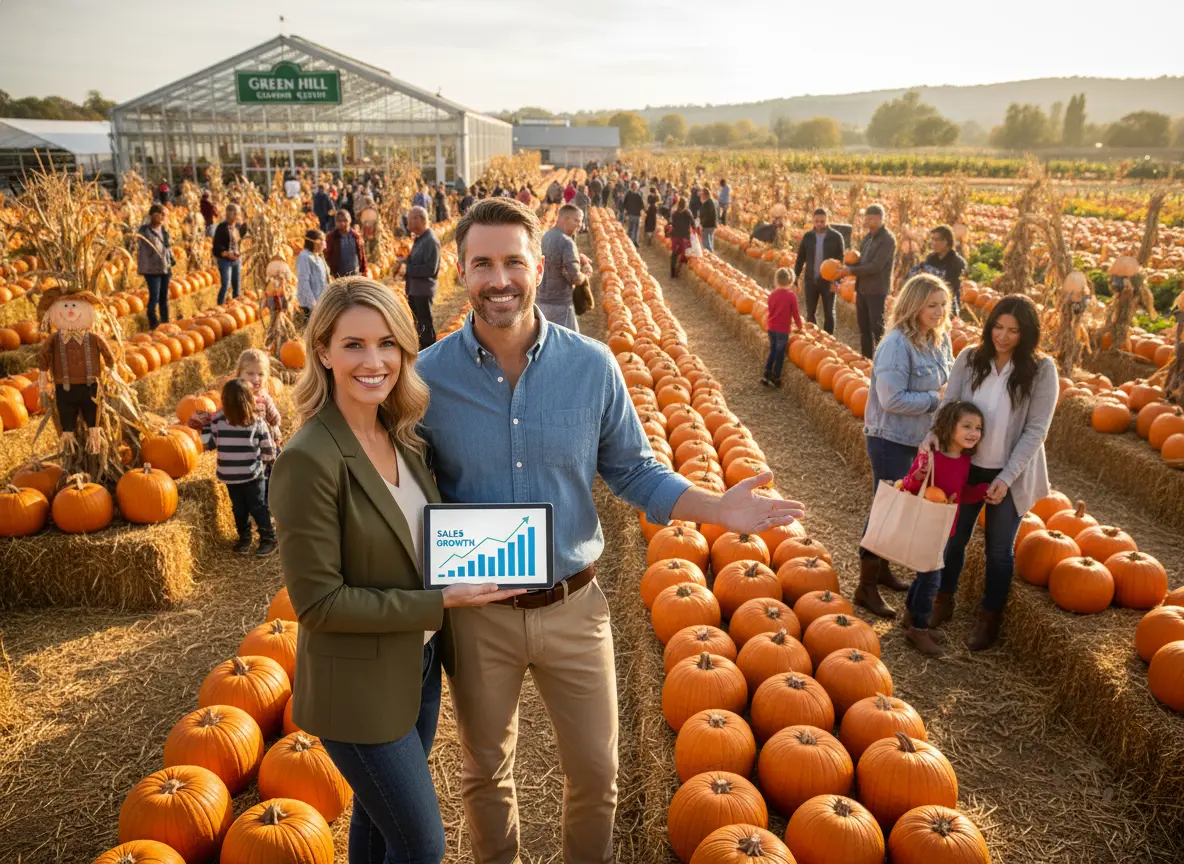
Not all local events are created equal. A booth at a biker rally might yield interesting conversations, but it's probably not going to fill your hygiene schedule. The goal is to find events where your target demographic actually spends time. Think family-oriented festivals, school carnivals, health and wellness fairs, neighborhood association events, and charity runs. These are places where adults with children — aka people who need dental care for themselves and a whole squad of small humans — tend to gather in large numbers.
Before committing to an event, ask yourself a few qualifying questions: What's the expected attendance? Is there a demographic profile available? What's the booth cost versus potential patient lifetime value? A single new patient in your practice might be worth $500–$3,000 over several years, so even a $300 booth fee makes excellent financial sense if it brings in five new families.
Start with two or three local events per quarter. Track your results, refine your approach, and scale up from there. This doesn't need to be an overwhelming commitment — it just needs to be a consistent one.
Designing a Booth That Actually Attracts People
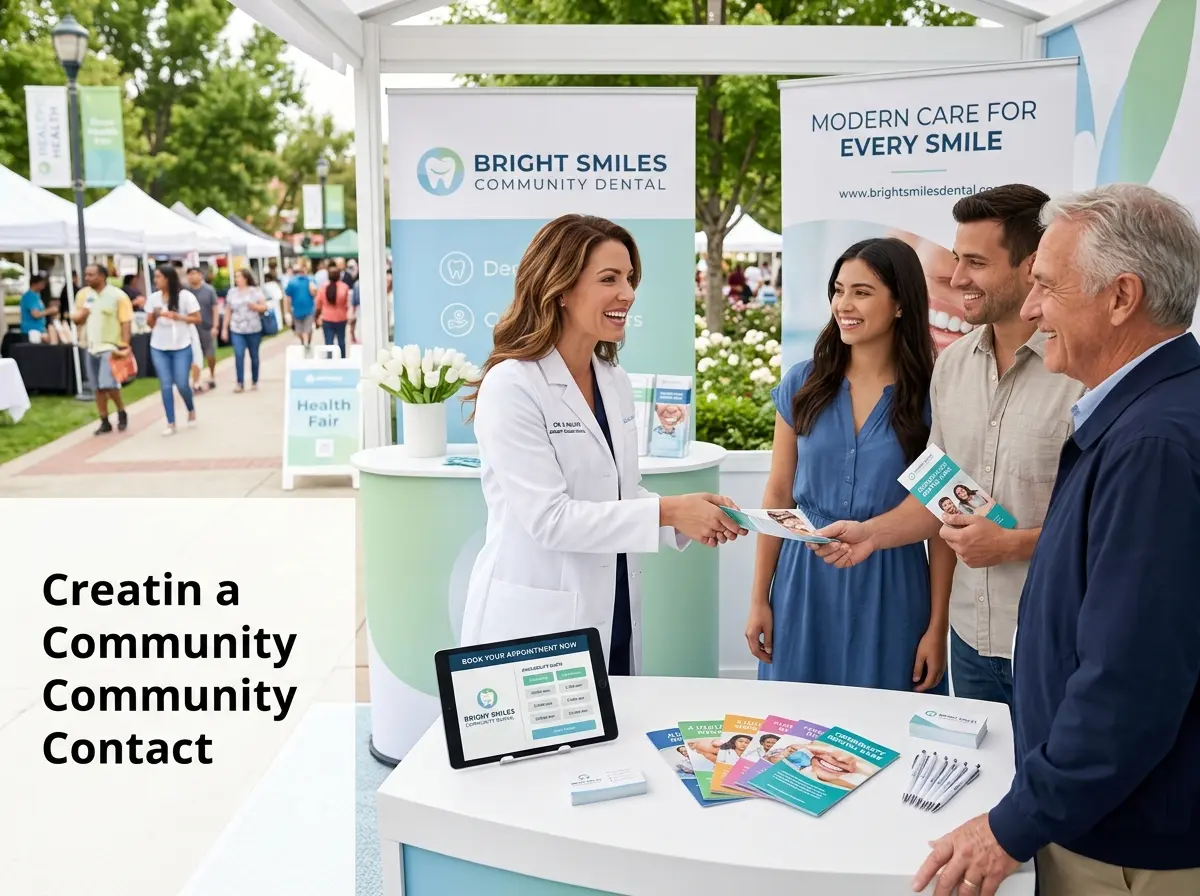
Here's a hard truth: nobody wakes up on a Saturday morning thinking, "I really hope I stumble upon a dental booth today." Your job is to make your presence so visually compelling and genuinely engaging that people are drawn in before they even realize what's happening. Branded signage with clear, benefit-driven messaging works far better than your logo alone. Try something like "Free Kids' Dental Goody Bags" or "Spin the Wheel for Whitening Discounts" — something that creates a reason to stop and interact.
Interactive elements are your best friend. Spin-to-win prize wheels, simple oral health quizzes with prizes, free electric toothbrush demonstrations, or even a "Guess the Number of Teeth" jar contest — these all create dwell time, and dwell time creates connection. The longer someone stands at your booth, the more likely they are to become a patient. Staff your booth with your most personable team members, brief them on key talking points, and make sure everyone is smiling (appropriately, given your profession).
Making Your Offer Irresistible
People need a compelling reason to take the next step. A vague "come visit us sometime" doesn't cut it. Instead, offer a specific, time-limited incentive for booking an appointment at the event itself. Popular options include a free new patient exam (with X-rays), a discounted teeth whitening session, or a complimentary consultation for cosmetic or orthodontic services. The more tangible and time-sensitive the offer, the higher your conversion rate will be.
Make it effortless to act on the spot. Have a tablet or sign-up form ready so people can book appointments or at least register their contact information right there. Collect name, phone number, and email at a minimum — and make sure you have a system ready to follow up with every single lead within 24 to 48 hours. Leads go cold fast, and "I'll look up that dentist later" almost never actually happens.
How Smart Technology Helps You Follow Up Without Dropping the Ball
The Follow-Up Problem (And How to Solve It)
You've had a fantastic event. You collected 40 contact forms. Your team is exhausted but excited. And then Monday arrives, the phones are ringing, the hygienist called in sick, and those 40 leads are sitting in a folder on the front desk getting ignored. This is where most practices lose the battle they already won at the event.
This is also where Stella — an AI robot employee and phone receptionist — becomes genuinely useful for a dental practice. Stella can answer every inbound call 24/7, so when a curious festival-goer calls Monday morning to ask about that free exam offer, they get a friendly, knowledgeable response instead of voicemail. She can collect patient intake information conversationally over the phone or through her built-in CRM and intake forms, meaning your front desk team starts Tuesday with pre-qualified, organized leads rather than a pile of scribbled napkins. For practices with a physical location, Stella's in-office kiosk presence also greets and engages walk-ins — including event-driven new patients showing up to redeem their offer — so no one slips through the cracks while your staff is occupied.
Converting Event Leads Into Long-Term Patients
The First Appointment Experience Matters More Than You Think
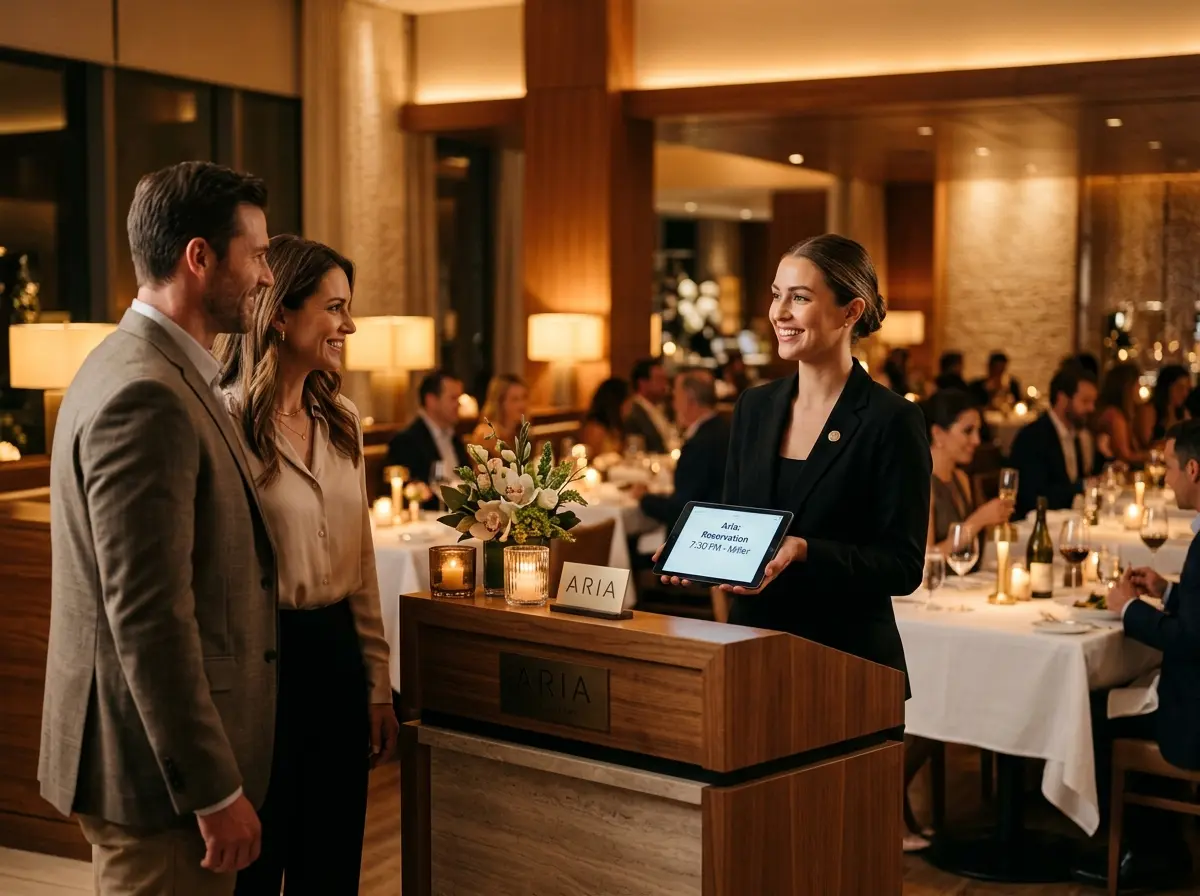
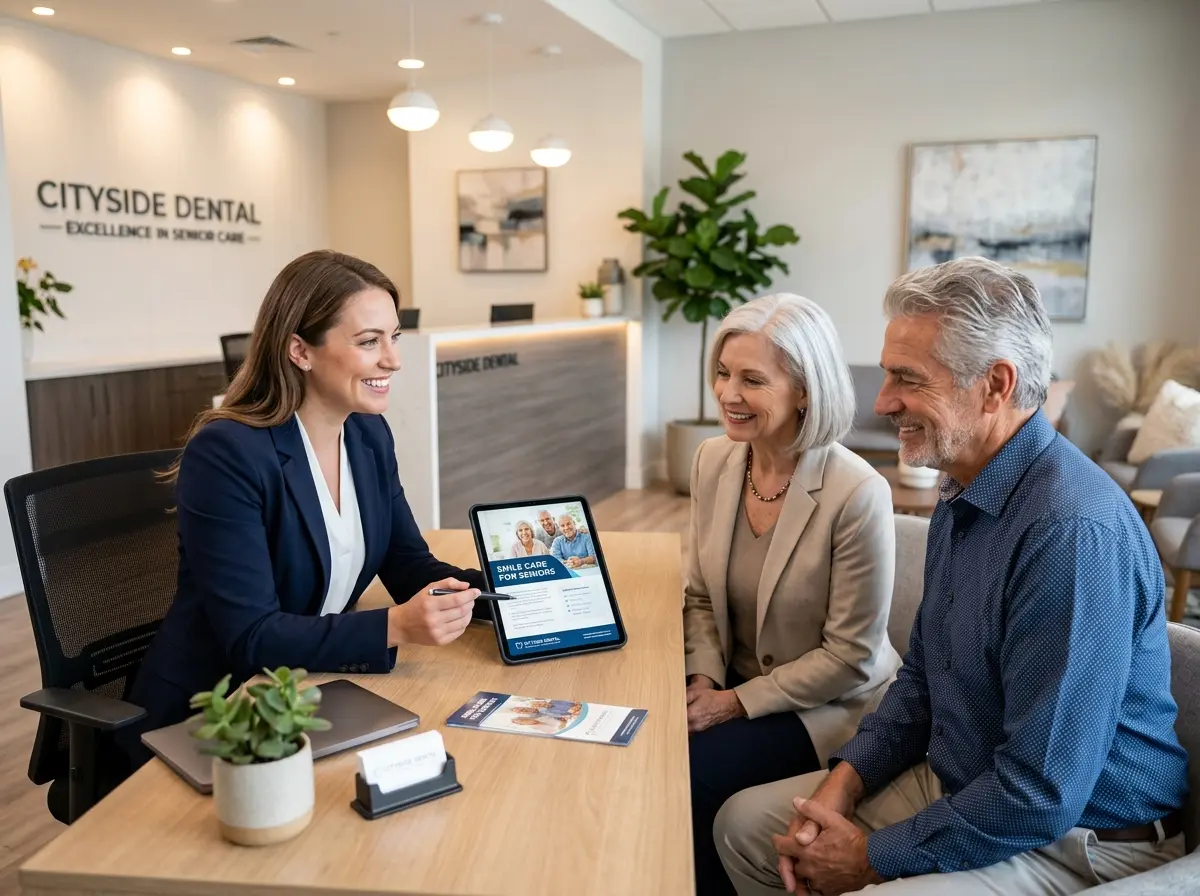
Getting someone through the door for a free exam is only half the battle. What happens during that first visit will determine whether they become a loyal, referring patient or someone who politely ghosts your recall reminders for the next three years. Make the new patient experience exceptional from the moment they arrive. That means a warm greeting by name, a brief office tour if they seem like first-timers, clear communication about what to expect, and — critically — a conversation about their dental goals, not just their dental problems.
Patients who feel heard and respected in that first appointment are dramatically more likely to accept treatment recommendations, schedule their next visit, and refer friends and family. According to industry research, practices that actively focus on new patient experience see referral rates that are two to three times higher than those that don't. That's not a small difference — it's the kind of difference that determines whether a practice grows or plateaus.
Building a Referral Loop Through Community Presence
The real magic of local event marketing isn't just the direct patient acquisition — it's the compound effect on your community reputation. Every event you attend plants a seed. People see your brand, mention it to neighbors, remember your name when a friend asks for a dentist recommendation, or find you easily when they finally search online because they recognize your logo. Pair your event presence with consistent social media coverage of the events you attend, and you're creating a digital paper trail that amplifies every in-person interaction.
Encourage your booth visitors to tag your practice in their social posts from the event. Run a small contest — "Post a photo at our booth and tag us for a chance to win a free whitening kit" — and you've just turned your attendees into micro-influencers for the afternoon. This costs almost nothing and extends your reach to hundreds of people who weren't even at the event.
Tracking ROI So You Know What's Working
If you're not tracking the results of your event marketing, you're essentially running on vibes, and vibes don't pay for dental equipment. Set up a simple tracking system: note which event each new patient came from (you can ask during intake), track how many event contacts converted to appointments, and calculate cost per acquired patient against your average patient lifetime value. Over time, this data tells you exactly which events are worth repeating and which ones were, frankly, a waste of a Saturday.
Use your practice management software or CRM to tag patients by acquisition source. Even a simple spreadsheet works if you're just getting started. The point is to make intentional, data-informed decisions about where you invest your event marketing energy — not just show up wherever seems fun and hope for the best.
Quick Reminder About Stella
Stella is an AI robot employee and phone receptionist available for just $99/month with no upfront hardware costs. She answers calls around the clock, greets patients at your front desk kiosk, collects intake information, manages your CRM, and keeps your practice running smoothly even when your human team is slammed. For dental practices juggling event marketing campaigns and a full schedule of appointments, she's the reliable, professional presence that ensures no lead — and no patient — gets left behind.
Your Next Event Is Closer Than You Think
Local event marketing isn't a complicated strategy, but it is a deliberate one. It requires showing up consistently, presenting your practice in an engaging and professional way, capturing contact information effectively, and following up with speed and care. When you do all of that well, local events stop being a "nice to try" marketing idea and start being a dependable source of new patient growth.
Here's how to get started this week:
- Research upcoming local events in your area — check community boards, city event calendars, and local Facebook groups.
- Choose one event in the next 60 days and register for a booth before you talk yourself out of it.
- Design your booth concept with at least one interactive element and one time-limited patient offer.
- Set up your intake and follow-up system before the event so no leads fall through the cracks afterward.
- Track your results and decide whether to repeat, refine, or replace that event type going forward.
Your next great patient is out there at a weekend farmers market right now, eating a kettle corn and wishing they had a dentist they actually liked. Go find them.