When It Rains, It Pours — And Your Phone Won't Stop Ringing
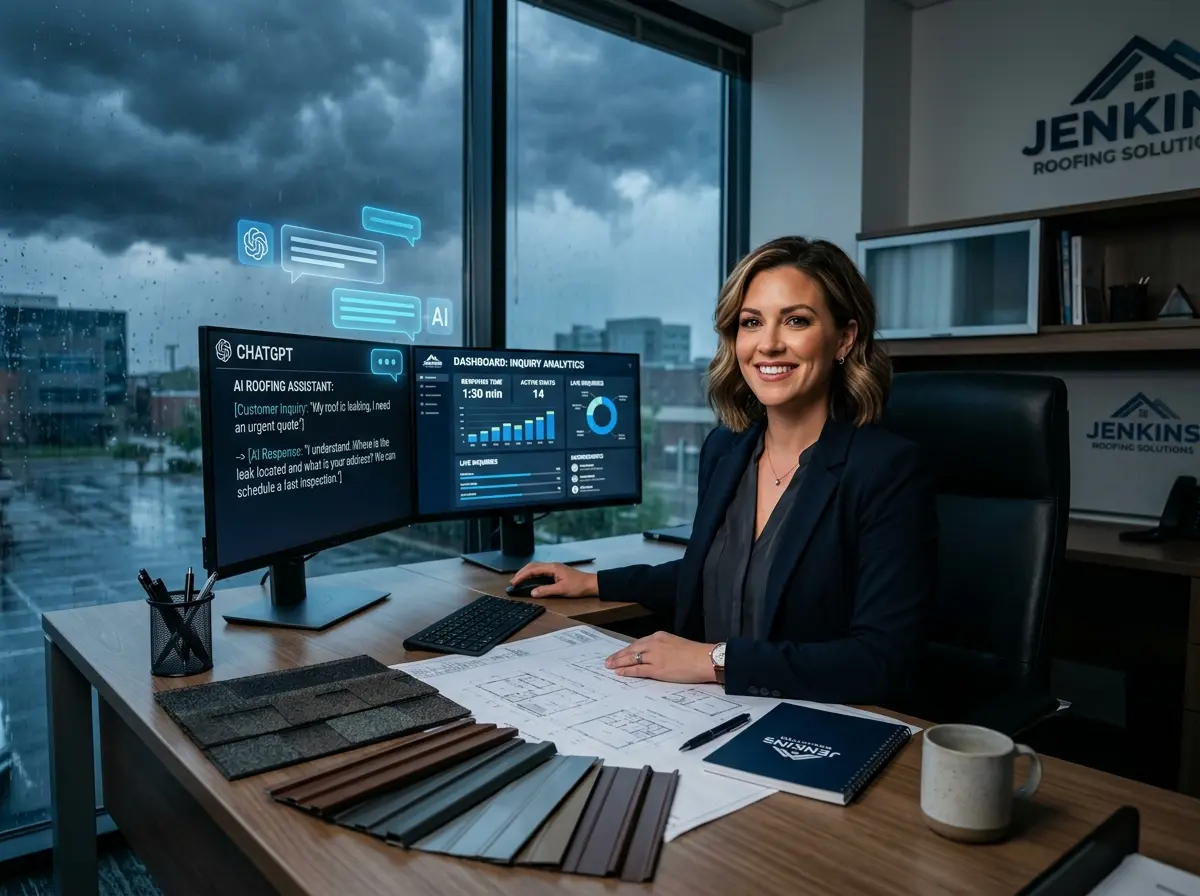
Storm season is a roofing company's version of the Super Bowl. One nasty weather event rolls through, and suddenly every homeowner within a 30-mile radius needs a roof inspection, an emergency tarp, or at least someone to tell them whether that suspicious brown spot on the ceiling is "totally fine" (it's not). The calls come in fast, they come in all hours, and they come in while your crew is already halfway up someone else's ladder.
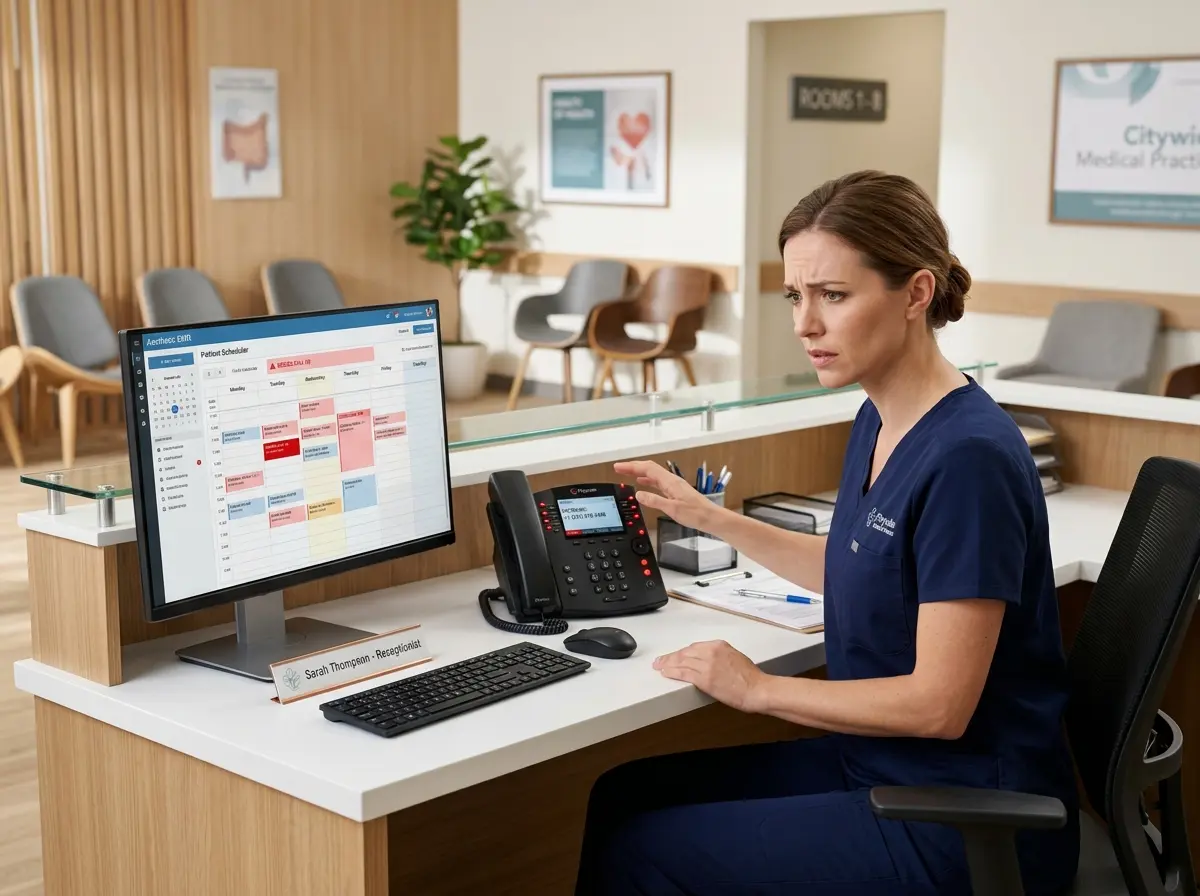
Here's the uncomfortable truth: most roofing companies handle storm season the same way they handled it ten years ago — overwhelmed staff, missed calls, sticky notes everywhere, and a voicemail box that fills up faster than a clogged gutter in a downpour. Leads fall through the cracks. Customers call your competitor instead. And somewhere in your office, a very tired receptionist is seriously reconsidering their life choices.
The good news? There's a smarter way to handle the storm surge — and it doesn't require hiring three temporary receptionists or giving yourself a stomach ulcer. Let's talk about how one roofing company used AI to stay on top of every single inquiry, around the clock, even when the weather (and the call volume) was absolutely relentless.
The Storm Season Problem Nobody Talks About
The Missed Call Problem Is Bigger Than You Think
It's easy to assume that as long as you answer most calls, you're doing fine. But research consistently shows that nearly 80% of callers who reach voicemail will not leave a message — they'll simply hang up and call the next company on the list. During storm season, when homeowners are anxious, impatient, and actively calling multiple roofers at once, that stat becomes a serious revenue problem.
A mid-sized roofing company in the Southeast found this out the hard way after a significant hailstorm event. Their two-person office staff was fielding calls from 7 AM to 6 PM, doing a genuinely heroic job — but after hours, the calls kept coming. By the time they reviewed missed calls the next morning, dozens of potential customers had already moved on. The math was sobering: even at an average job value of $8,000 to $12,000, losing five or six leads in a single night added up to a very expensive night of missed revenue.
The After-Hours Gap Is Where Competitors Win
Storms, inconveniently, do not observe business hours. A tree branch crashes through a roof at 9 PM on a Tuesday, and that homeowner wants answers now. They want to know if you offer emergency services, what your inspection process looks like, and whether someone can come out tomorrow. If your voicemail picks up and offers nothing more than "leave a message and we'll call you back," that homeowner is already scrolling to the next result before the beep.
The companies winning during storm season aren't necessarily the ones with the best crews or the most competitive pricing — they're the ones who respond first and respond well. Responsiveness, particularly after hours, is one of the most underrated competitive advantages in the home services industry.
Overwhelmed Staff Makes Everything Worse
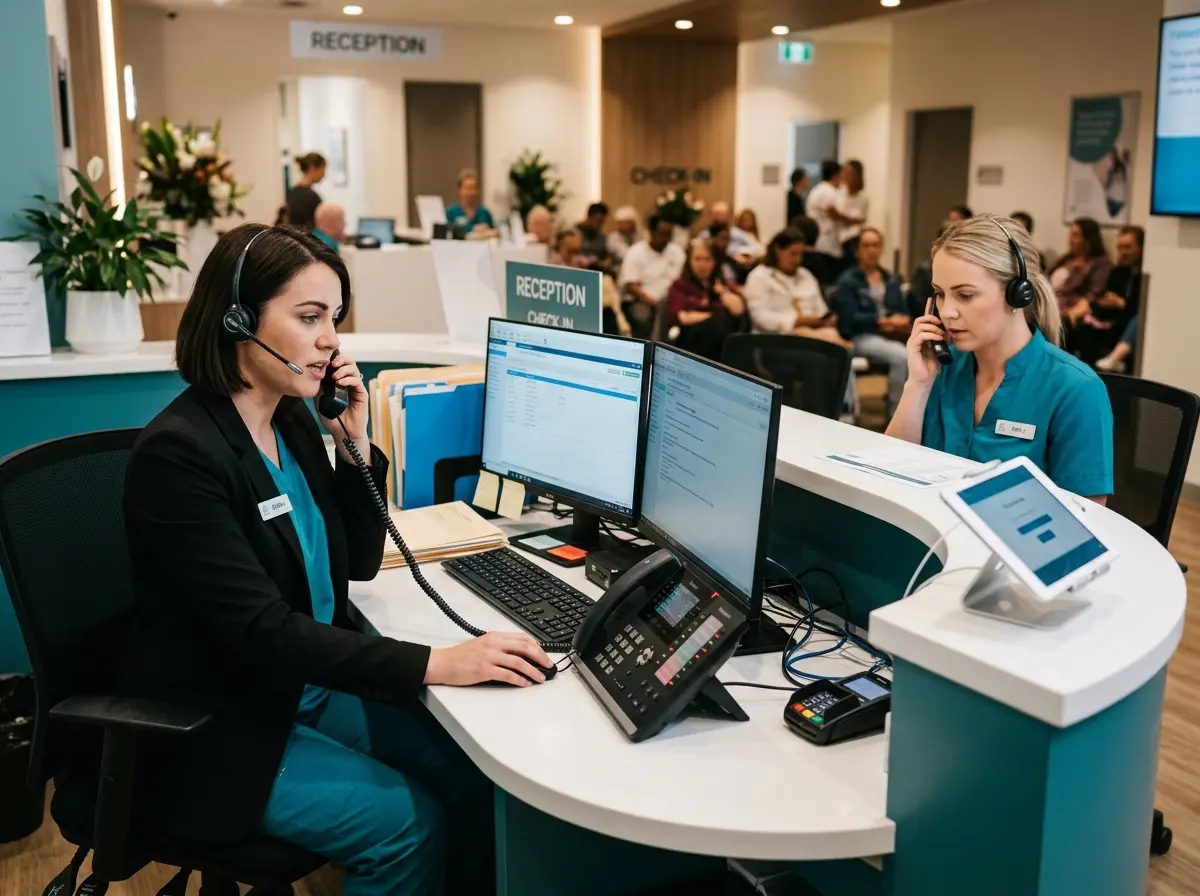
When call volume spikes, the pressure on your front office staff becomes unsustainable. Receptionists start rushing through conversations, skipping key intake questions, and making scheduling errors just to keep up. Important details get missed. Customers sense the chaos. And the staff members who are normally your best brand ambassadors start sounding like they'd rather be anywhere else — because, honestly, they would be.
Scaling human staff for a seasonal spike is also expensive and logistically messy. Temporary hires need training, they make mistakes, and the moment storm season ends, you're either overstaffed or back to square one. There has to be a better model.
How AI Fills the Gap — And Then Some
Always On, Never Frazzled
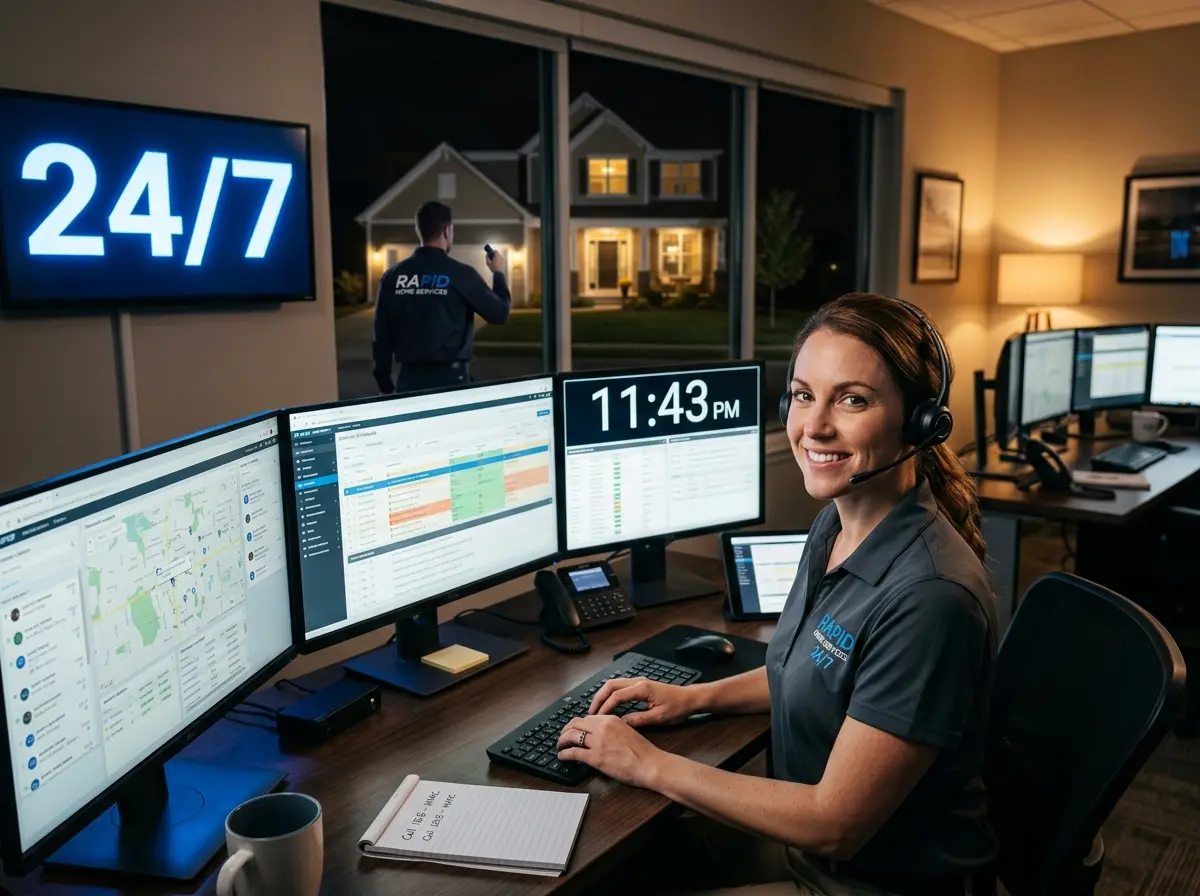
Stella, an AI phone receptionist built for businesses exactly like roofing companies, answered every single incoming call for this roofing company during storm season — including nights, weekends, and the chaotic morning-after windows when call volume was at its absolute peak. She handled each call with the same calm, knowledgeable demeanor whether it was the 3rd call of the day or the 300th. No burnout, no attitude, no accidental disconnections because someone hit the wrong button.
What made the difference wasn't just availability — it was quality availability. Stella was configured with detailed knowledge about the company's services, service areas, pricing ranges, emergency response protocols, and scheduling process. She could answer the questions homeowners actually asked: "Do you do free inspections?" "Can someone come out this week?" "Do you work with insurance claims?" Customers weren't getting a runaround. They were getting real answers at 11 PM on a Thursday.
Intake Forms That Actually Get Completed
One of the hidden costs of storm season chaos is incomplete lead information. A frazzled receptionist skips asking for the address. A homeowner hangs up before giving their email. Someone writes down the wrong phone number. By the time your estimator goes to follow up, half the information needed to do the job is missing.
Stella solved this by walking every caller through a conversational intake process — naturally collecting the name, address, type of damage, preferred contact method, and urgency level during the call itself. All of that information flowed directly into her built-in CRM, complete with AI-generated contact profiles, custom tags (like "storm lead," "emergency," or "insurance claim"), and automatic push notifications to managers when high-priority calls came in. The team woke up every morning to organized, actionable lead data instead of a pile of incomplete sticky notes and half-filled call logs.
What This Actually Looked Like in Practice
The First 48 Hours After a Major Storm
The real test came during a severe hailstorm that produced more than 200 inbound calls over a 48-hour window. In previous years, an event like this meant all-hands-on-deck chaos: the owner fielding calls from the job site, the receptionist staying late, and still — inevitably — missed inquiries.
This time, every call was answered. Urgent requests were flagged and routed to on-call staff immediately. Non-urgent inquiries were handled completely by AI, with callers receiving accurate information and confirmation that an estimator would follow up within 24 hours. The human team came in the next morning to a fully populated CRM, prioritized lead list, and zero voicemail backlog. They spent their energy on scheduling and dispatching instead of playing catch-up on missed calls.
What Customers Actually Thought
Here's where it gets interesting. Several customers who had been served by the AI receptionist later mentioned — during their in-person appointments — how impressed they were with how quickly their call was answered and how helpful the person was. The company didn't go out of their way to announce they were using AI. The experience simply felt professional, responsive, and competent. Which, at the end of the day, is exactly what a stressed homeowner with a hole in their roof needs.
The Numbers at the End of Storm Season
By the end of the season, the roofing company had captured a measurably higher percentage of inbound leads compared to the previous year — with the same core team and no additional front-office hires. Scheduling errors dropped significantly because intake information was complete and organized from the first point of contact. And the front office staff? They reported noticeably lower stress levels and were able to focus on the high-value, high-touch conversations that actually benefited from a human touch.
Quick Reminder About Stella
Stella is an AI robot employee and phone receptionist that works 24/7, never misses a call, and brings the same business knowledge and professionalism to every interaction — whether she's greeting customers in person at a physical location or handling phones for a service-based business like a roofing company. She includes a built-in CRM, conversational intake forms, and smart call routing, all on a straightforward $99/month subscription with no upfront hardware costs. She's not a gimmick — she's infrastructure.
Your Next Storm Season Doesn't Have to Look Like the Last One
If you're a roofing company owner reading this in the quiet between seasons, congratulations — you have a rare and valuable thing: time to prepare. Use it. The businesses that thrive during high-volume events aren't the ones scrambling to hire temporary help in the middle of a crisis. They're the ones who built systems in advance so that when the chaos hits, the operation handles it automatically.
Here's what you can do right now, before the next storm rolls through:
- Audit your current after-hours coverage. Pull up your missed call data from the last storm event. If it's uncomfortable to look at, that's useful information.
- Map out your intake process. What information does your team collect on every inbound call? Is it consistent? Is it complete? If the answer is "sort of," you have a systems problem.
- Identify your peak call windows. When does call volume spike during a storm event? Those are the hours where AI coverage delivers the most direct value.
- Set up intelligent call routing. Not every call needs a human. But some do — specifically, the ones involving safety emergencies or complex insurance situations. Configure your routing accordingly.
Storm season will come back around. It always does. The question isn't whether you'll get slammed with calls — it's whether your business will be ready to capture every single one of them. With the right AI infrastructure in place, the answer can finally be yes.