Introduction: The Treatment Ends, But the Revenue Doesn't Have To
Your client just floated off your treatment table, skin glowing, pores tightened, and soul temporarily restored. They mumble something like "I feel amazing" as they drift toward the exit — and then they're gone. Back into the harsh, unforgiving world of tap water, air conditioning, and their own skincare habits (which, let's be honest, are probably the reason they needed the treatment in the first place).
Here's the painful truth: most med spas pour enormous energy into the in-office experience and then completely drop the ball the moment the client walks out the door. No guidance. No products. No plan. Just a receipt and a vague "drink water!" as a parting gift.
A post-treatment home care kit changes all of that. It extends the clinical results your team worked hard to deliver, positions your med spa as a trusted authority, and — yes — drives meaningful additional revenue without requiring a single extra appointment slot. Think of it as your treatment's understudy, quietly doing its job long after the main performance is over.
Let's talk about how to build one, market it effectively, and turn it into a legitimate revenue stream your business can count on.
Why Post-Treatment Home Care Is a Business Imperative
The Science Makes the Sale for You
One of the most underused selling tools in med spa retail is simple biology. After treatments like microneedling, chemical peels, laser resurfacing, or HydraFacials, the skin is in an elevated state of receptivity. Barrier function is temporarily compromised, cell turnover is accelerated, and active ingredients absorb more effectively than under normal conditions. In plain English: whatever your client puts on their skin in the 72 hours post-treatment matters enormously.
This is your clinical credibility working as a sales engine. You're not pushing products — you're prescribing a protocol. There's a massive difference between a client hearing "you should moisturize more" versus "your skin barrier is actively repairing right now, and this peptide-rich recovery serum will support that process and protect your results." The second statement closes. The first gets nodded at and forgotten.
When your team frames home care recommendations in clinical terms, clients don't just buy — they comply. And compliance leads to better outcomes, which leads to glowing reviews and repeat bookings. It's a beautiful cycle, and it starts with the right product in the right bag at the right moment.
The Numbers Behind the Opportunity
The medical aesthetics retail market is not small. Studies have shown that medical spas generating strong retail revenue attribute 15–30% of total revenue to product sales — yet the industry average hovers well below that, largely because post-treatment upselling is inconsistent or nonexistent. A client who purchases a home care kit after a single treatment is statistically more likely to rebook, refer friends, and develop long-term brand loyalty to your practice.
Consider this: if your average treatment ticket is $250 and you add a $60–$80 home care kit to just 40% of your weekly clients, that's potentially $800–$1,200 in additional monthly revenue per provider — with almost no additional overhead. That's a staff bonus, a new piece of equipment, or a very satisfying marketing budget, depending on your priorities.
Client Retention Hiding in Plain Sight
Here's a stat worth sitting with: acquiring a new client costs five times more than retaining an existing one. A post-treatment kit is quietly one of your most powerful retention tools because it keeps your brand physically present in your client's home, morning and night. Every time they reach for their recovery serum with your logo on it, you get a free brand impression. Every time it works — and with the right products, it will — they associate that positive result with your practice.
This is relationship marketing in its most literal form. You're not just providing a service; you're becoming part of their routine.
Streamlining the Upsell with Smart Tools
Let Technology Handle the Warm-Up
Even the best clinical team can't upsell consistently if they're juggling consultations, treatments, phones ringing at the front desk, and a waiting room full of people refreshing their phones impatiently. The human bandwidth problem is real, and it quietly kills a lot of retail revenue before it ever gets the chance to materialize.
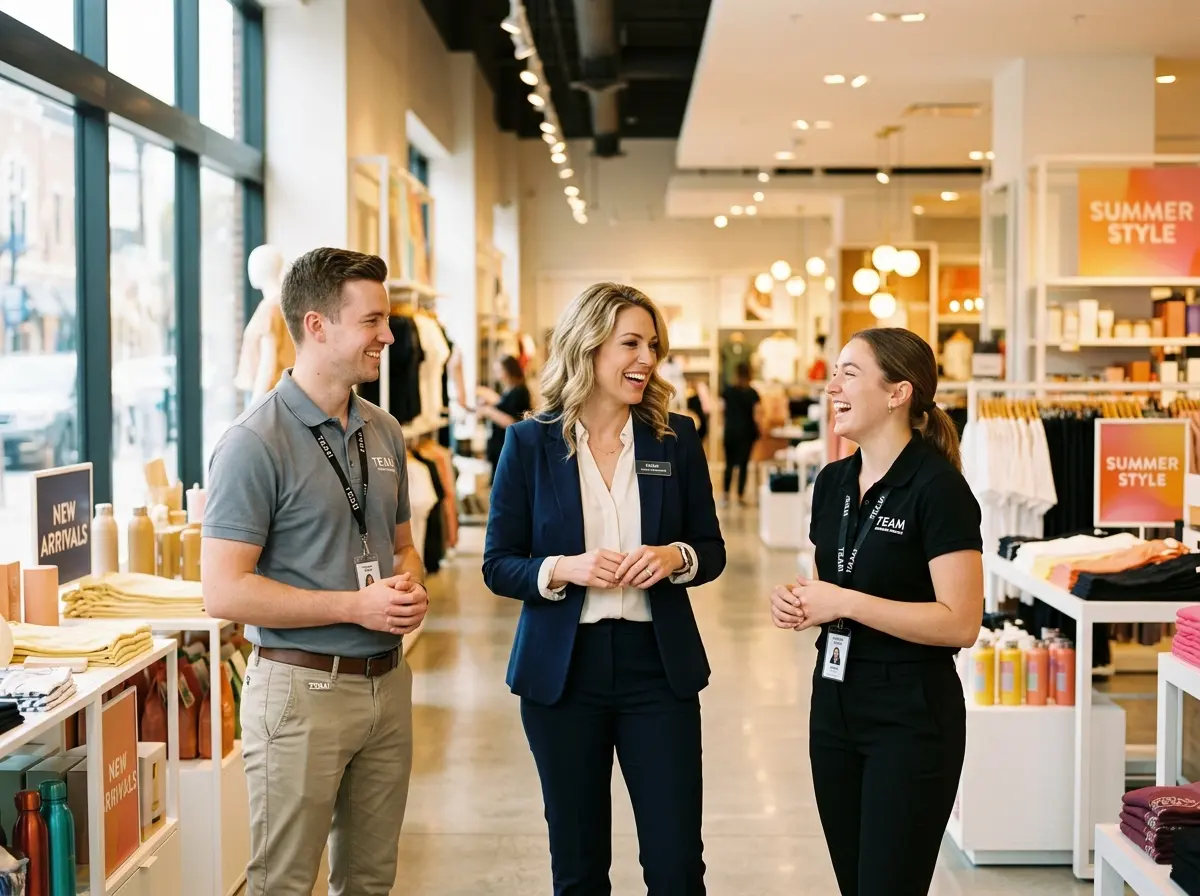
This is exactly where Stella, the AI robot employee and phone receptionist, can help. Stella stands inside your med spa and proactively engages clients — including those waiting in your reception area — by introducing them to your current offerings, post-treatment products, and seasonal promotions. She doesn't forget to mention the recovery kit. She doesn't get tired or overwhelmed. She doesn't have a difficult client on her mind from the previous appointment. She's just there, professionally and consistently doing the job.
Stella also answers your phones 24/7, meaning that a prospective client calling after hours to ask about what to use after their upcoming peel gets a real, intelligent answer — not voicemail. She can even collect intake information through conversational forms and log it directly into her built-in CRM, so your team walks into every appointment already knowing what the client needs. That's a warmer conversation, a more personalized recommendation, and a higher likelihood of a kit going home with them.
Building a Kit That Actually Sells Itself
Curate With Clinical Intention, Not Impulse
The difference between a home care kit that clients treasure and one that ends up under the bathroom sink is intentionality. Every item in your kit should have a clear, explainable purpose tied directly to the treatment the client just received. This is not the place for your slow-moving inventory. This is a curated, treatment-specific protocol in a bag.
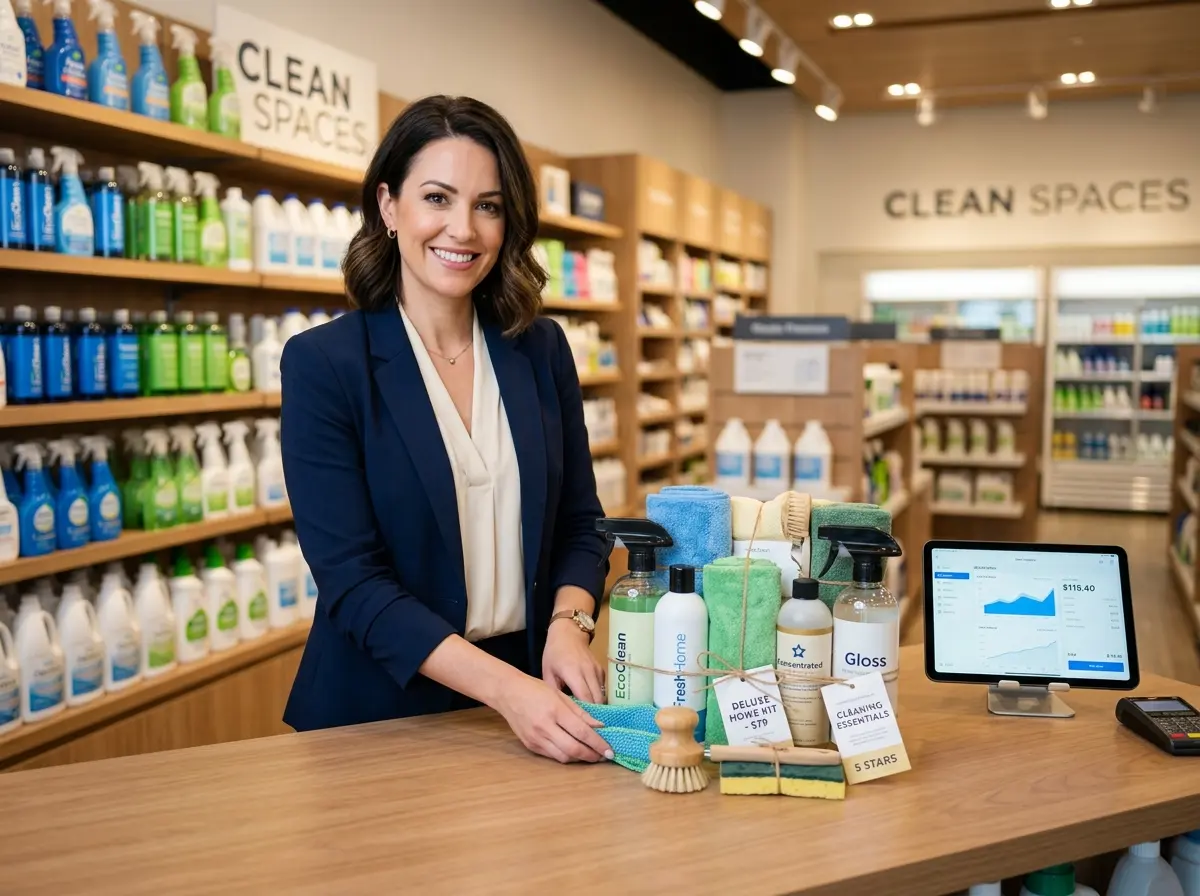
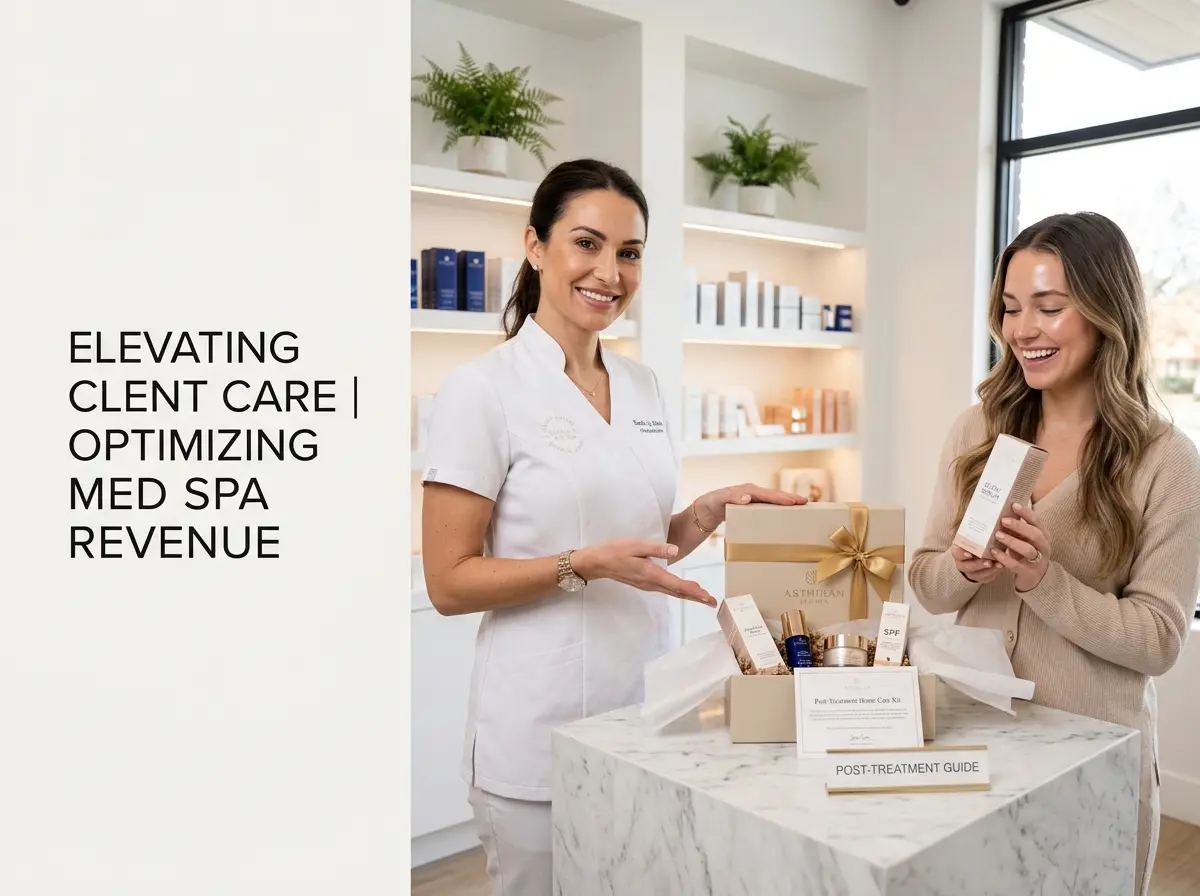
A well-structured post-treatment kit typically includes a gentle cleanser appropriate for compromised skin, a targeted recovery serum (peptides, growth factors, or soothing actives depending on the treatment), a rich but non-comedogenic moisturizer, broad-spectrum SPF (non-negotiable — always), and any treatment-specific add-ons like a calming mist or barrier repair balm. Package these in a branded pouch or box, include a simple one-page care guide written in plain language, and suddenly you have something that feels like a premium gift rather than a transaction.
Price It Right and Position It Powerfully
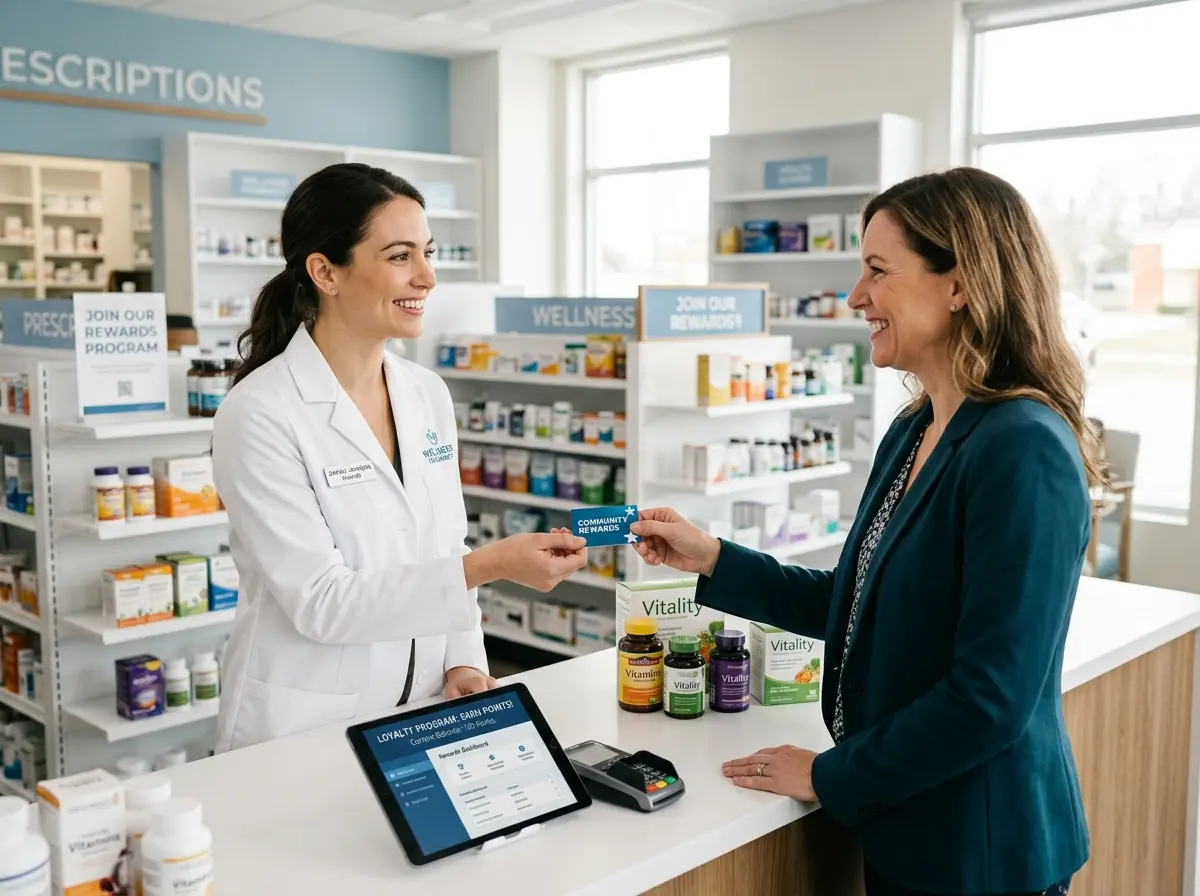
There's a common fear among med spa owners that clients will resist add-on purchases after already spending on a treatment. In reality, the opposite is often true — clients who just invested $300 in their skin are highly motivated to protect that investment. The key is in the positioning. You are not selling them a product. You are helping them maximize the results they just paid for.
Price your kits to reflect their value without cannibalizing your margins. A $65–$95 kit at a 60–70% margin is not uncommon when you're sourcing strategically and bundling with intention. Consider offering tiered kits — a basic recovery bundle and a premium results-enhancement package — so clients can self-select based on budget. Make both feel like the smart choice, because they are.
Train Your Team to Recommend, Not Pitch
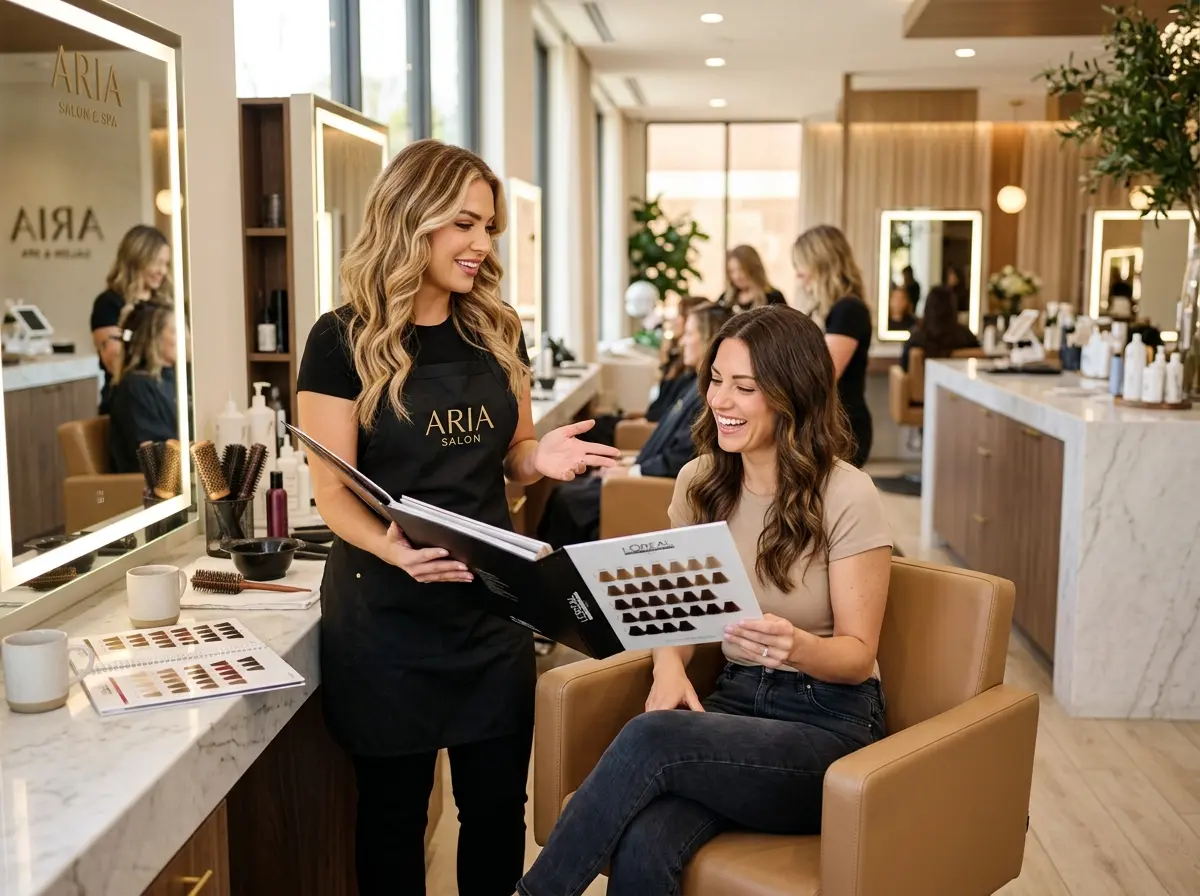
Your providers are clinicians first, and that's exactly the role they should lean into when it comes to home care recommendations. The language matters enormously. Phrases like "I always recommend this to my clients after this treatment" or "this will help protect what we just did today" carry clinical authority that no discount or promotion can replicate. Train your team to weave the recommendation naturally into the post-treatment debrief, not awkwardly staple it on at checkout.
Role-play these conversations in team meetings. Create a simple script framework — not a rigid sales script, but a set of clinical talking points for each treatment type. When your injector and your aesthetician both speak the same language about aftercare, it reinforces your brand's credibility and makes the kit purchase feel obvious rather than optional.
Quick Reminder About Stella
Stella is an AI robot employee and phone receptionist built for businesses like yours — she greets clients in your lobby, promotes your offerings, and answers calls around the clock, all for just $99/month with no upfront hardware costs. Whether your team is heads-down in a treatment room or slammed at the front desk, Stella holds down the fort with professionalism and consistency that doesn't take days off. For a med spa looking to close more retail sales without burning out its staff, she's worth a serious look.
Conclusion: Stop Letting Revenue Walk Out the Door
Your clients leave every appointment with results they're excited about and skin that's primed for support. Whether or not they have the right products at home is, right now, largely a matter of chance. A thoughtfully curated post-treatment home care kit removes that chance factor — it extends your clinical results, deepens client trust, reinforces your brand, and generates revenue that doesn't require a single additional hour of provider time.
Here's how to get started this week:
- Audit your top three treatments and identify the ideal post-care protocol for each.
- Source or assemble your first kit with products you already carry, and create a branded care guide to accompany it.
- Price and position intentionally — frame every recommendation as clinical guidance, not a sales pitch.
- Train your team with a simple talking-points framework for each treatment type.
- Leverage technology to support consistency — whether that's a digital recommendation system, your booking platform, or a tool like Stella to engage clients before your providers even enter the room.
The experience you create inside your treatment room is exceptional. It's time to make sure it doesn't end when the client puts their shoes back on. Build the kit, train the team, and let the revenue follow.