Introduction: The Sale Is Just the Beginning
Congratulations — a customer just bought something from your store. Pop the champagne, ring the bell, do your little victory dance. But here's the thing: if you think the relationship ends at the register, you're leaving a staggering amount of money on the table. Research from Bain & Company suggests that increasing customer retention rates by just 5% can increase profits by 25% to 95%. Let that sink in for a moment.
The post-purchase experience is where most retailers drop the ball. They pour enormous energy into attracting new customers — advertising, promotions, signage, social media — and then, the moment someone walks out the door with a bag, they treat them like a stranger. No follow-up. No "hey, how's that thing working out for you?" Just silence. And silence, in retail, is the sound of a customer slowly drifting toward your competitor.
The good news? You don't need a massive marketing budget or a team of relationship managers to fix this. You need a thoughtful post-purchase strategy — one that makes customers feel valued, keeps your brand top of mind, and gives people genuinely good reasons to come back. That's exactly what this article is about.
The Building Blocks of a Strong Post-Purchase Strategy
Start With a Follow-Up That Doesn't Feel Like Spam
There's an art to the post-purchase follow-up, and it begins with one simple principle: be useful, not annoying. A follow-up email that arrives 10 minutes after a purchase asking the customer to "leave a review!" — before they've even had a chance to open the packaging — is not a relationship strategy. It's desperation wearing a subject line.
Instead, time your outreach thoughtfully. For most retail products, a follow-up 3–5 days after purchase strikes the right balance. Use that message to check in genuinely: Did everything arrive as expected? Do they have questions about the product? Are they getting the most out of it? This kind of follow-up signals that you care about the outcome, not just the transaction. And that distinction is everything.
Consider segmenting your follow-ups based on what was purchased. A customer who bought a new espresso machine might appreciate a quick tip about dialing in the grind size. Someone who picked up skincare products might love a short note about layering order. Small, personalized touches like these dramatically increase the chance that your email gets read — and that the customer thinks fondly of you the next time they need to restock.
Loyalty Programs: Make Them Feel Like VIPs, Not Math Problems
Loyalty programs work — when they're simple. The moment a customer needs a calculator and three separate app logins to figure out how many points they have and whether those points are worth anything, you've lost them. The best loyalty programs are intuitive, rewarding, and create genuine anticipation.
Consider structuring yours around clear milestones rather than abstract point totals. "Spend $150, get a $15 reward" is immediately understandable. Tier systems work well too — giving customers something to aspire to keeps them engaged over time. According to Bond's Loyalty Report, 79% of consumers say loyalty programs make them more likely to continue doing business with brands. That's not a number to shrug at.
Don't underestimate the power of surprise rewards either. Occasionally offering a bonus discount or a small gift "just because" creates a moment of delight that customers remember and talk about. It's the retail equivalent of finding a $20 bill in an old jacket — completely unexpected and thoroughly appreciated.
The Thank-You Note Is Not Dead
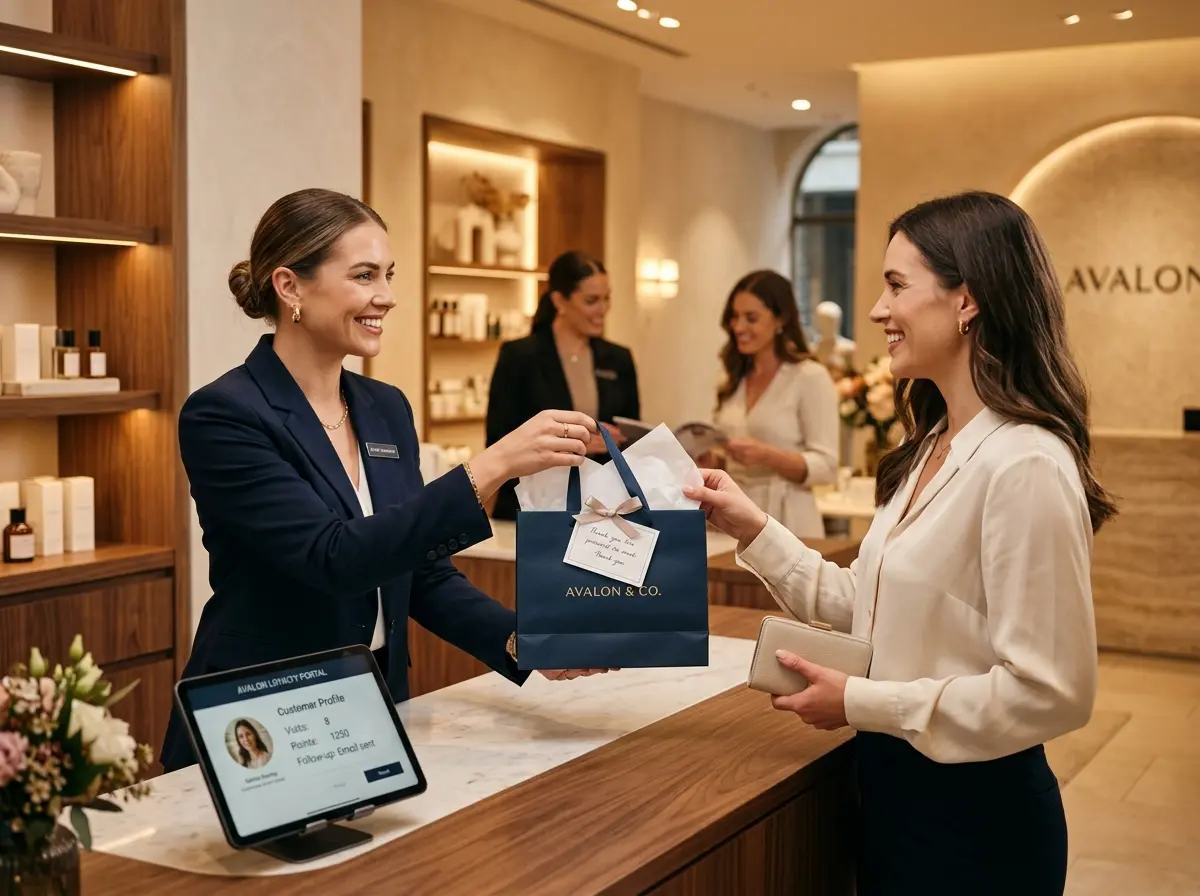
In a world of automated everything, a handwritten or thoughtfully personalized thank-you note is genuinely disarming. It doesn't have to be elaborate — a short, warm message acknowledging the purchase and expressing genuine appreciation goes a long way. For smaller or boutique retailers, this kind of personal touch is one of the few areas where you have a real edge over the big-box chains that are too busy optimizing their supply chain to remember your name.
Even a well-crafted, personalized digital thank-you — one that references what the customer actually bought and doesn't read like it was generated by someone who's never met a human — can be surprisingly effective. The goal is for the customer to feel seen. That feeling is what creates loyalty.
How Technology Can Help You Stay Connected
Let Smarter Tools Handle the Heavy Lifting
Implementing a consistent post-purchase follow-up strategy sounds great in theory, but if you're a retailer juggling inventory, staff, and a dozen other fires, "send personalized follow-up emails to every customer at the right time" can quickly move from the to-do list to the wish list. This is where the right technology earns its keep.
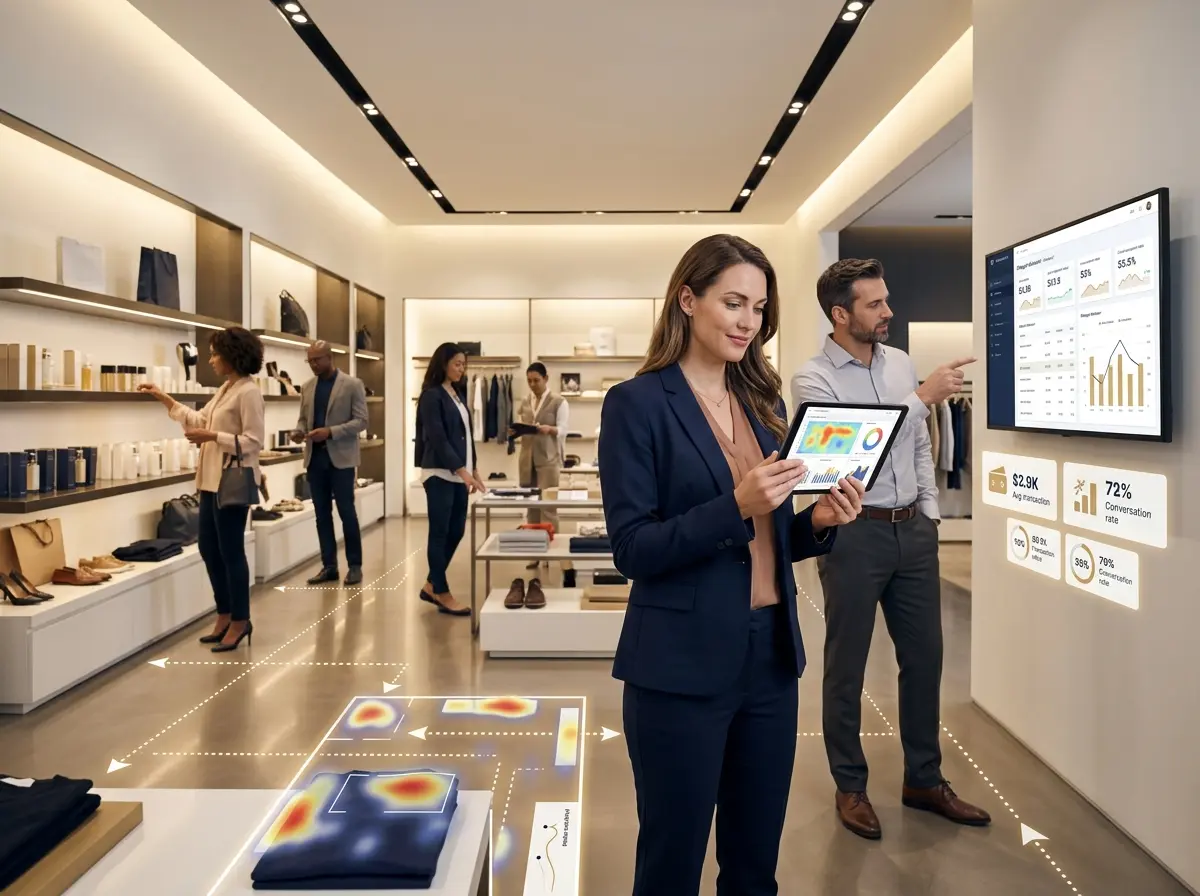
Stella, the AI robot employee and phone receptionist, is built for exactly this kind of ongoing customer relationship work. In your store, she greets every customer who walks through the door, engages them proactively about current promotions, and collects customer information through conversational intake forms — feeding that data directly into her built-in CRM. That CRM supports custom fields, tags, notes, and AI-generated customer profiles, giving you a genuine foundation for personalized follow-up rather than a pile of sticky notes and gut feelings.
Stella also answers phone calls around the clock, so when a customer calls back with a question about their purchase — at 8 PM on a Tuesday, naturally — she handles it professionally and logs the interaction. That's the kind of consistent, frictionless post-purchase experience that turns one-time buyers into regulars, without requiring you to clone yourself.
Turning Repeat Visits Into a Habit
Use Purchase History to Make Smart Recommendations
Repeat business doesn't happen by accident — it happens because you give customers a reason to return. One of the most effective ways to do this is by leveraging purchase history to make relevant, timely recommendations. If someone bought a yoga mat from your store three months ago, they might be due for a new water bottle, a carrying strap, or a class that pairs with their practice. If they purchased a seasonal item, a gentle reminder as that season approaches again is both useful and naturally timed.
This doesn't require sophisticated AI (though it helps). Even a simple system of tagging customers by product category and scheduling outreach based on typical repurchase timelines can dramatically improve your retention numbers. The key is being proactive. Don't wait for customers to remember you — remind them why they liked you in the first place.
Create Moments Worth Coming Back For
Events, exclusive previews, and "members-only" experiences give loyal customers something to look forward to beyond the transaction. A seasonal sale preview for returning customers, a workshop tied to your products, or even a simple in-store event creates touchpoints that aren't purely transactional — and that's precisely what makes them powerful.
People buy from businesses they feel connected to. That connection is built over time, through consistent positive experiences, genuine communication, and the occasional moment that reminds them your store isn't just somewhere they spend money — it's somewhere they actually enjoy being.
Ask for Feedback — and Actually Use It
Asking customers for feedback is a follow-up strategy in its own right. A well-timed review request or a short satisfaction survey does two things: it gives you actionable information to improve your business, and it signals to the customer that their opinion matters. Just make sure you actually respond to feedback, especially negative feedback. A business owner who addresses a complaint gracefully and makes it right will often retain that customer more reliably than if the problem never happened at all. It's counterintuitive, but the recovery is part of the experience.
Quick Reminder About Stella
Stella is an AI robot employee and phone receptionist designed to help businesses like yours run more smoothly — whether she's greeting customers at your kiosk, answering calls 24/7, managing your CRM, or promoting your latest offers without ever needing a coffee break. At $99/month with no upfront hardware costs, she's built to be accessible for retailers of every size. If you haven't looked into what she can do for your post-purchase and customer retention efforts, it's worth a few minutes of your time.
Conclusion: Stop Letting Good Customers Walk Away
The post-purchase period is your greatest untapped opportunity as a retailer. Every customer who walks out of your store or completes an online order represents a relationship in progress — one that can either be nurtured into something valuable or quietly allowed to evaporate. The choice is entirely yours.
Here's where to start: Pick one post-purchase touchpoint you're not currently using — a follow-up email, a loyalty milestone, a personalized thank-you — and implement it this week. Don't wait until you have a perfect strategy. A good strategy executed now beats a perfect strategy executed never.
Then build from there. Set up your customer data collection so you actually know who your buyers are. Use that data to make relevant recommendations. Create reasons to come back that go beyond a generic discount code. And lean on tools like Stella to handle the consistent, always-on pieces of customer engagement that are easy to let slip when you're busy running everything else.
The retailers who win long-term aren't always the ones with the best products or the lowest prices. They're the ones who make customers feel like the relationship matters — because with a little intention and the right systems in place, it genuinely can.