Introduction: Because "Organized Chaos" Is Still Chaos
Let's be honest — if your stockroom looks like the back of a moving truck that hit a speed bump, you're not alone. Retail stockrooms are the unsung battlegrounds of every store, and yet they're often treated like a forgotten guest room where boxes go to die. The problem? A disorganized stockroom doesn't just frustrate your staff — it actively costs you money, time, and sanity.
Studies show that retail employees spend an average of 10–15% of their shift just searching for products. That's time not spent helping customers, closing sales, or doing literally anything productive. Multiply that by your entire team across an entire year, and you've just paid for a very expensive game of hide-and-seek.
The good news is that creating an efficient, staff-friendly stockroom isn't rocket science. It doesn't require a massive renovation budget or a degree in logistics. It requires thoughtful organization, clear systems, and a team that actually buys into those systems. This guide will walk you through exactly how to build a stockroom your retail staff will genuinely appreciate — or at the very least, stop complaining about.
Designing Your Stockroom for Maximum Efficiency
Start With a Layout That Makes Logical Sense
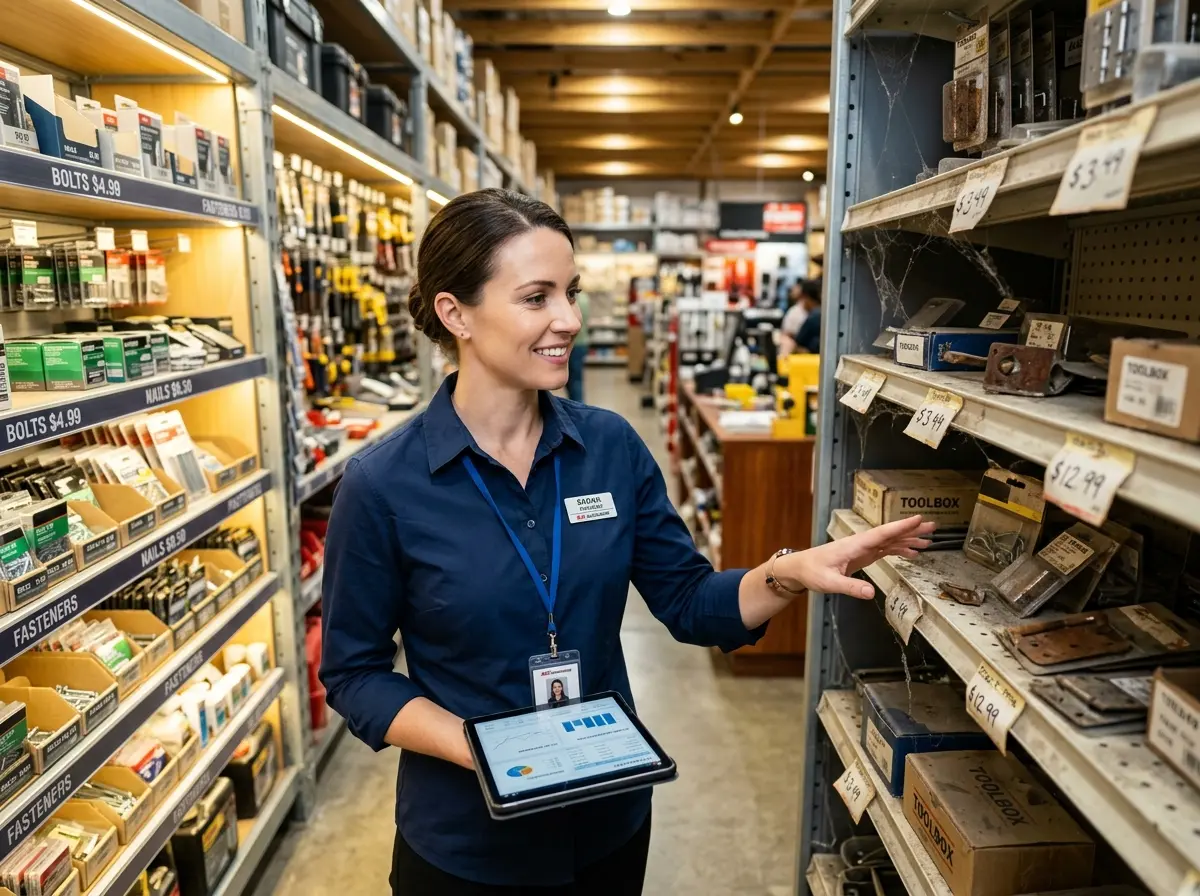
Before you buy a single shelf or label maker, step back and think about flow. How do products move from delivery to the sales floor? Your stockroom layout should mirror that natural journey. High-turnover items — the things your staff grabs a dozen times a day — should be front and center, closest to the stockroom entrance. Seasonal or slow-moving inventory can live in the back or on higher shelves where it won't get in anyone's way.
Consider creating dedicated zones: a receiving area near the dock or back door, a processing area where items get tagged and prepped, and a storage area organized by department or product category. This three-zone approach eliminates the maddening experience of tripping over a new shipment just to grab a product for a waiting customer.
Shelving, Signage, and the Magic of Labels
Invest in adjustable shelving — your inventory will change, and your storage solution should adapt with it. Wire shelving is popular for its visibility and airflow, while solid shelving works better for smaller items that need a stable surface. Whatever you choose, label everything obsessively. Every shelf, every bin, every section. If a new hire can walk into your stockroom on their first day and find a specific item without asking for help, your labeling system is working.
Don't underestimate the power of color-coded labels or section signage. Large, readable category signs mounted at eye level make navigation instinctive rather than investigative. Think of it as the UX design of physical spaces — the less your staff has to think about where something is, the more mental energy they have for actually serving customers.
Create a Receiving and Restocking Protocol
A beautiful stockroom can descend into chaos within a week if there's no process for handling incoming shipments. Establish a clear receiving protocol: every delivery gets checked against the purchase order, items are sorted and processed in the designated area, and nothing gets shelved until it's properly tagged and logged. Sounds simple, but you'd be amazed how many stores skip these steps when things get busy.
Restocking should be equally systematic. Implement a first-in, first-out (FIFO) rotation system so older inventory moves to the floor before newer stock. Assign restocking duties to specific team members at consistent times — either before opening, during slow midday hours, or after closing. Consistency here is everything. A stockroom that gets restocked "whenever someone gets around to it" is a stockroom that perpetually looks like a disaster.
Keeping Your Team Aligned on the Floor — With a Little Help
Free Up Your Staff With Smarter Customer Coverage
One underrated reason stockrooms stay chaotic is that retail staff are constantly being pulled away from organization tasks to answer customer questions on the floor. Someone is mid-way through restocking a shelf when a customer needs to know if a product comes in another size, what the return policy is, or whether a sale is still running. One interruption becomes five, and suddenly three hours have passed and the shipment from Tuesday is still sitting in a pile.
This is where Stella, the AI robot employee and phone receptionist, becomes a surprisingly practical stockroom ally. By handling customer questions on the floor — about products, promotions, policies, and more — Stella keeps your human staff free to actually complete their tasks. She greets customers proactively, answers common questions, and even upsells or cross-sells, all without pulling your team away from their work. And when the phone rings? Stella handles that too, 24/7, so your staff isn't sprinting across the store to grab a call. Fewer interruptions mean more focused employees and, yes, a stockroom that actually stays organized.
Building Systems Your Staff Will Actually Follow
Document Everything (Yes, Everything)
The stockroom system that only exists in your head — or in the head of your most senior employee — is a liability. What happens when that employee calls in sick, takes a vacation, or leaves for another job? Chaos, that's what happens. Document your stockroom processes in a simple, visual operations guide. Include diagrams of the layout, step-by-step receiving instructions, restocking schedules, and labeling conventions. Keep a printed copy in the stockroom itself and a digital version accessible to all staff.
This documentation also makes onboarding new employees significantly faster and less painful. Instead of shadowing a colleague for hours, a new hire can reference the guide and get up to speed independently. The time you invest in writing this documentation once will pay dividends every single time you hire someone new.
Establish Accountability Without Creating a Police State
Systems only work if people follow them, and people follow systems when they understand the why behind the rules. Take the time to explain to your team how a clean, organized stockroom directly affects their workday — fewer frustrating searches, faster restocking, less stress during busy periods. When staff understand the connection between organization and their own quality of life at work, buy-in increases dramatically.
Assign rotating stockroom responsibility so one person isn't always the "stockroom keeper" while others ignore it. A simple end-of-shift checklist — is the receiving area clear? Are returned items processed? Are labels still accurate? — takes five minutes and prevents entropy from setting in. Celebrate wins when the system is working well. A quick "the stockroom looked great this week" during a team huddle goes a long way.
Review and Refine Regularly
Your business changes. Inventory shifts, seasons turn, new product lines get added. Your stockroom system should evolve with it. Schedule a quarterly stockroom review — walk through the space with a fresh eye, solicit feedback from staff about what's working and what isn't, and make adjustments accordingly. The goal isn't perfection on day one; it's a system that continuously improves over time.
Pay attention to the friction points. If staff keep ignoring a particular process or workaround a specific rule, that's a signal the rule isn't working — not necessarily that the staff is lazy. Good systems reduce friction naturally. If something requires constant reminders and enforcement, redesign it.
Quick Reminder About Stella
Stella is an AI robot employee and phone receptionist built for businesses like yours. She stands inside your store as a human-sized kiosk, engaging customers naturally and handling questions so your staff can stay focused — and she answers phone calls around the clock with the same business knowledge she uses in person. At just $99/month with no upfront hardware costs, she's the kind of team member who's always on time, never needs a break, and never once lets a shipment sit unprocessed because she was busy chatting on the phone.
Conclusion: Your Stockroom Is an Investment, Not an Afterthought
An efficient stockroom is one of the highest-leverage improvements you can make to your retail operation. It reduces wasted labor hours, decreases the likelihood of lost or mismanaged inventory, improves staff morale, and ultimately creates a better experience for your customers because your team is less frazzled and more available. That's a lot of return on what is essentially a box-organizing project.
Here's your actionable starting point: block off a half-day, grab a notebook, and walk your stockroom with fresh eyes. Identify the three biggest pain points — the areas that slow your team down most. Then tackle those first. You don't have to overhaul everything overnight. Zone it, label it, document the process, get staff aligned, and build from there.
And while you're optimizing your back-of-house operations, don't forget that the front of house deserves just as much attention. Tools like Stella can shoulder the customer-facing responsibilities that constantly pull your staff away from important tasks — giving your team the uninterrupted focus they need to actually keep the systems you've built running smoothly.
A great stockroom doesn't happen by accident. But with the right layout, clear protocols, and a team that's empowered rather than overwhelmed, it absolutely can happen — and your staff will thank you for it.