Why Your Boutique Needs a Galentine's Day Event (And How to Make It Actually Profitable)
Let's be honest — Valentine's Day gets all the attention while its cooler, more inclusive sibling, Galentine's Day, sits quietly on February 13th waiting for its moment. Well, that moment is now, and savvy boutique owners are cashing in. If you've been sleeping on Galentine's Day as a sales opportunity, consider this your very loving wake-up call.
Galentine's Day — the celebration of women supporting, uplifting, and occasionally buying each other gifts — is no longer just a Parks and Recreation reference. It's a full-blown cultural event that customers are actively looking to celebrate. According to the National Retail Federation, Valentine's Day spending consistently tops $24 billion annually, and a meaningful slice of that goes toward "Galentine's" style gifting and experiences. The opportunity is real, and boutiques — with their curated products, intimate atmospheres, and loyal customer bases — are perfectly positioned to capitalize on it.
But here's the thing: a Galentine's event that doesn't drive actual revenue is just a party with a price tag. This guide is about hosting something that's genuinely fun and genuinely profitable. Let's get into it.
Planning a Galentine's Event Your Customers Will Actually Show Up For
Create an Experience, Not Just a Sale
The difference between a Galentine's event people talk about for weeks and one they forget by February 15th comes down to experience. Customers don't just want to shop — they can do that from their couch at midnight. They want to feel something. Think complimentary champagne or mocktails, a playlist that makes everyone feel like the main character, and a curated shopping floor that's been thoughtfully rearranged to feel special for the evening.
Consider setting up themed vignettes throughout your store — little styled corners featuring gift bundles, self-care sets, or friendship-themed product pairings. Not only does this make your space feel intentional and Instagram-worthy, it also does a lot of the selling for you by grouping products and suggesting combinations customers wouldn't have thought of on their own. If you can get someone to set down their champagne flute long enough to take a photo in your store and post it — congratulations, you've just paid for the event in free marketing.
Build a Guest List and Promote Early
The worst Galentine's events are the ones nobody knew about until the day before. Start promoting at least three to four weeks in advance across every channel you have — email, Instagram, Facebook, your Google Business profile, and yes, even a sign in your window. Create a simple RSVP process so you can anticipate headcount, prepare enough refreshments, and follow up with reminders that keep excitement building.
Consider offering an early-bird incentive — a small gift with purchase for the first 20 RSVPs, or a discount for guests who bring a friend. The "bring a friend" mechanic is particularly powerful in a boutique setting because it naturally expands your audience to people who may have never walked through your door before. That's new customers, acquired through word of mouth, at essentially zero cost. Not bad for a Tuesday in February.
Curate Exclusive Event-Only Offers
One of the most effective levers you can pull is scarcity and exclusivity. Create product bundles, gift sets, or special pricing that is only available during the event. This gives attendees a tangible reason to buy now rather than "maybe later" — which, as every boutique owner knows, often means never. Consider a "Treat Your Bestie" bundle at a set price point, or a mystery gift box with a guaranteed value above the purchase price. Limited-edition packaging with a Galentine's theme adds perceived value without significantly increasing your cost.
Running the Night Smoothly Without Running Your Staff Ragged
Delegate, Automate, and Let Technology Help
Here's the scenario nobody tells you about when you're planning a boutique event: your three-person team is juggling refreshments, answering product questions, running the register, and trying to be charming — all simultaneously — while your phone rings off the hook with people asking what time the event starts. It's a lot. This is exactly where Stella, the AI robot employee and phone receptionist, can quietly save the day.
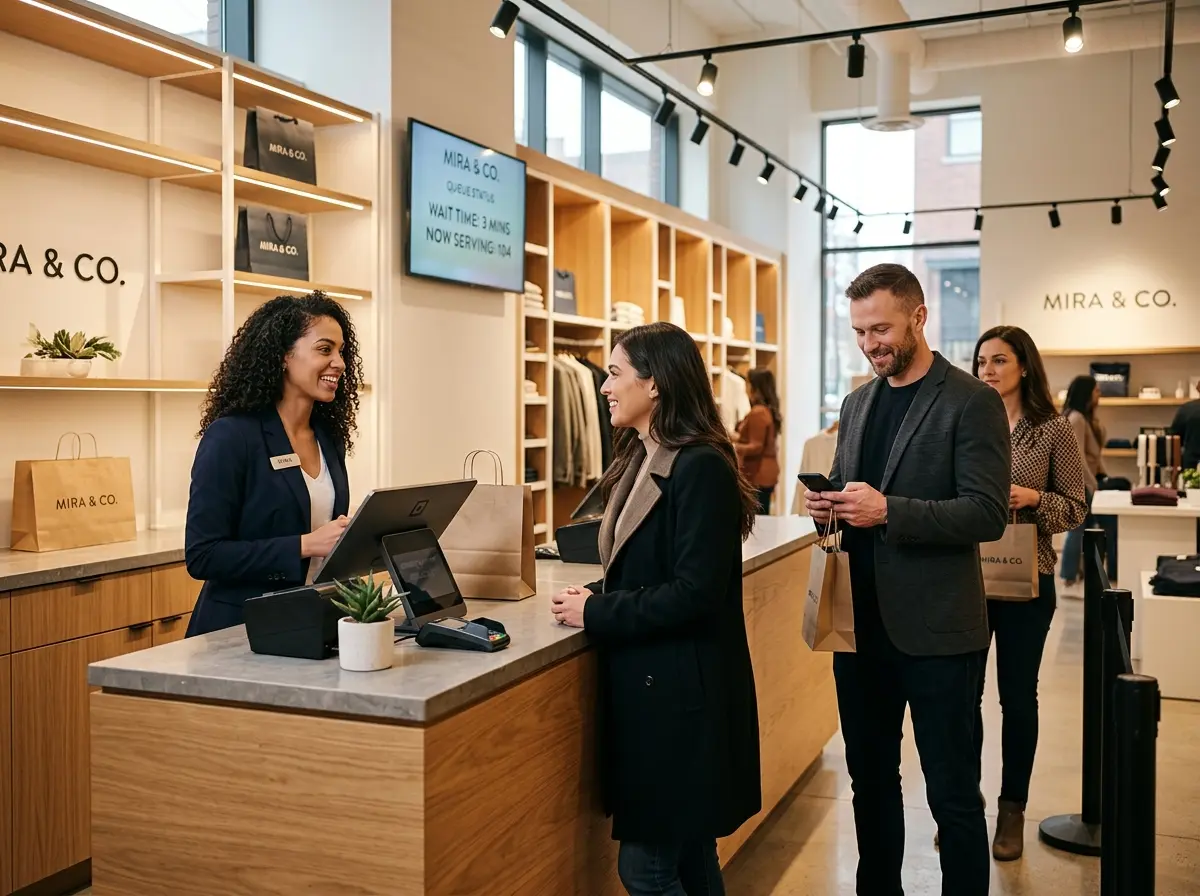
For boutiques with a physical location, Stella stands in-store as a friendly, human-sized kiosk that greets customers, answers their questions about products and promotions, and proactively engages walk-ins — so your human staff can focus on building real connections with attendees instead of answering the same three questions on repeat. Meanwhile, Stella handles incoming phone calls 24/7, meaning the person calling at 7:15 PM to ask whether there's still room at the event gets a real, knowledgeable answer instead of a voicemail. She can even collect customer information during calls using conversational intake forms, which means you're building your contact list in real time throughout the event — and long after it's over.
Turning Event Attendees Into Long-Term Loyal Customers
Capture Contact Information the Right Way
An event that ends when the last guest leaves is a missed opportunity. Your goal is to walk away from Galentine's night with a list of warm contacts who already like you, already spent money with you, and already had a good time in your store. That's an extraordinarily valuable asset — if you actually capture it.
Set up a simple sign-up at checkout or at a dedicated table: email address for a follow-up discount or a chance to win a gift card. Keep it low-friction. You can even frame it as joining your "Inner Circle" or VIP list — because who doesn't want to feel like a VIP? The key is making the ask feel like a benefit, not a data grab. With the right follow-up sequence, even a modest list of 50 new contacts from a single event can drive hundreds of dollars in additional revenue over the following weeks.
Follow Up Before the Glow Fades
The follow-up email is where most boutiques drop the ball entirely. Within 48 hours of the event, send a warm, personal-feeling message that thanks attendees for coming, highlights any products they may have missed, and includes a small time-sensitive offer — a discount code valid for one week, for example. Reference the event specifically so it feels human and not like a generic newsletter blast. Done well, this follow-up can drive a meaningful second wave of purchases from guests who were interested but didn't buy everything they wanted on the night.
Use the Data to Plan What Comes Next
Every event is a data goldmine if you treat it that way. Which products moved fastest? Which bundles didn't sell? What questions did customers ask repeatedly? What brought people in — your email campaign, Instagram, word of mouth? Use this information to sharpen your next event, refine your product mix, and understand what your best customers actually respond to. Gut feelings are great; data-backed gut feelings are better.
A Quick Reminder About Stella
Stella is an AI robot employee and phone receptionist built for businesses like yours — she greets in-store customers, answers calls around the clock, promotes your deals, and handles intake, all for just $99/month with no upfront hardware costs. Whether you're running a boutique, a salon, or any customer-facing business, she's the team member who never calls in sick and never misses a sales opportunity. Setting her up is straightforward, and she's ready to work from day one.
Make February 13th Work as Hard as You Do
Galentine's Day is one of those rare opportunities where the cultural moment, the target audience, and the boutique experience align almost perfectly. Your customers want to celebrate their friendships, they want to shop somewhere that feels special, and they want an excuse to treat themselves and the people they love. You just have to give them the right setting, the right offers, and a follow-up plan that keeps them coming back.
Here's what your action plan looks like in practical terms:
- Set your date and theme — February 13th is the traditional Galentine's Day, but the weekend before works just as well for a bigger turnout.
- Start promoting three to four weeks out — email, social, in-store signage, and your Google profile.
- Create event-exclusive offers — bundles, gift sets, or mystery boxes that make buying feel urgent and exciting.
- Prepare your team and your tech — know who's doing what before the first guest walks in, and make sure your phone and in-store experience can keep up with demand.
- Capture contacts and follow up within 48 hours — the sale doesn't end when the party does.
Galentine's Day isn't just a fun theme. In the right hands, it's a genuine revenue driver with staying power. So pour yourself something bubbly, start planning, and get ready to make February your boutique's best month yet.