The Fine Line Between "We Know You" and "We've Been Watching You"
Picture this: You walk into a store, and before you've even touched a display, a salesperson materializes at your elbow and says, "Back again, huh? Still browsing that same jacket from three weeks ago?" Flattering? Not exactly. Useful? Debatable. Creepy? Absolutely.
Personalization is one of the most powerful tools in a modern retailer's arsenal — but it's also one of the easiest to get catastrophically wrong. According to a 2023 Salesforce report, 73% of customers expect businesses to understand their unique needs, yet a nearly equal number say they're concerned about how their data is being used. So customers want you to know them, but they don't want to know that you know them. Welcome to the paradox of modern retail.
The good news? Personalization doesn't have to feel like surveillance. Done right, it feels like exceptional service — the kind that makes customers think, "Wow, they really get me," rather than, "Should I check my phone for tracking apps?" This post walks you through how to strike that balance and build shopping experiences that feel genuinely human, not algorithmically unsettling.
The Foundations of Personalization That Doesn't Creep People Out
Earn the Data Before You Use It
The cardinal rule of personalization: don't use information customers didn't knowingly give you. There's a meaningful difference between remembering that a customer mentioned they prefer oat milk during a conversation and somehow knowing their purchase history from a competitor. One feels attentive. The other feels like you have sources.
The most effective personalization starts with conversational data collection — information gathered naturally during interactions, not mined quietly in the background. When a customer fills out an intake form, answers a few questions during onboarding, or simply chats with your staff about what they're looking for, they're giving you gold. The key is to use it in ways that feel helpful, not surveillance-y. If someone tells you they're shopping for a gift for their dog, remember that. Reference it. Make it feel like good service, because it is.
Transparency goes a long way here too. Customers are far more comfortable with personalization when they understand the exchange. A simple "We'll remember your preferences so we can make future visits easier" is honest, clear, and — crucially — positions data collection as something being done for them, not to them.
Context Is Everything
Personalization lands differently depending on when and how it's delivered. Recommending a complementary product while someone is actively browsing? Smart and helpful. Sending a push notification referencing their browsing behavior thirty seconds after they close your app? Aggressively weird.
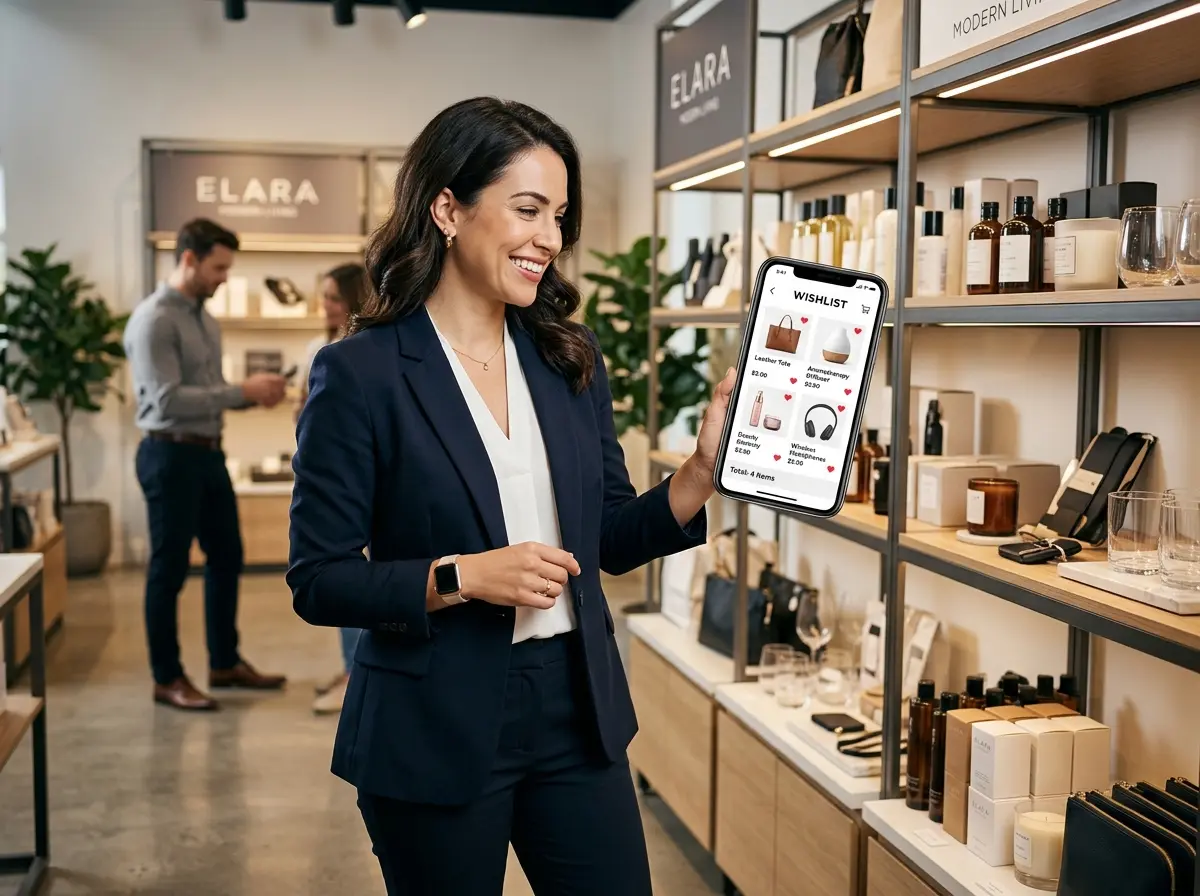
Think about timing and channel intentionally. In-store, personalization should feel like attentive service — staff (or a well-designed AI touchpoint) noticing what a customer is interested in and offering relevant information. Via email or SMS, personalization should add value, not just demonstrate that your CRM is working. The question to ask before every personalized touchpoint is simple: Does this feel like something a helpful friend would say, or something a data broker would say? If it's the latter, rethink the approach.
Segment Broadly Before You Personalize Narrowly
Not every customer needs hyper-individualized treatment — and trying to deliver that at scale without the right tools usually results in mistakes that feel worse than no personalization at all. A more sustainable approach is to start with smart segmentation: group customers by behavior, preferences, or stage in the customer journey, and personalize at the segment level before going fully individual.
For example, first-time visitors deserve a different experience than loyal regulars. New customers benefit from orientation — what do you offer, what makes you different, what should they try first? Returning customers benefit from recognition — acknowledgment of their history, relevant recommendations, and a sense that their loyalty is noticed. These are broad buckets, but they create a meaningfully better experience without requiring you to build a dossier on every person who walks through your door.
How the Right Tools Make Personalization Effortless (and Less Awkward)
Let Technology Handle the Memory So Your Team Doesn't Have To
One of the biggest barriers to personalization for small and mid-sized businesses isn't the desire — it's the infrastructure. Your staff can't be expected to remember every customer's preferences, purchase history, and conversation details, especially during a busy rush. That's not a people problem; that's a systems problem.
Stella, the AI robot employee and phone receptionist, is built to bridge exactly this gap. In physical locations, Stella greets customers proactively and engages them in natural conversation — asking the right questions, surfacing relevant promotions, and gathering information that gets stored in her built-in CRM with AI-generated customer profiles, custom fields, and tags. On the phone, she handles calls 24/7 with the same business knowledge, collecting information through conversational intake forms that feed directly into the same customer management system. The result is a consistent, personalized experience across every touchpoint — without putting the burden on your human staff to memorize everything about everyone. Your team gets to focus on delivering great service; Stella handles the remembering.
Putting Personalization Into Practice Without Overstepping
Train Your Team on What "Attentive" Actually Looks Like
Technology can support personalization, but your human staff sets the tone. The difference between a customer feeling seen and a customer feeling surveilled often comes down to delivery — specifically, how your team references what they know. There are a few principles worth drilling into any customer-facing employee.
First, lead with helpfulness, not knowledge. Instead of "I noticed you were looking at our protein powders last time," try "A lot of our fitness-focused customers have been loving this new line — can I tell you about it?" The underlying intent is the same, but the second approach feels like good service rather than a profile readout. Second, match your level of familiarity to the relationship. Long-time regulars appreciate being recognized by name. First-time visitors might find it jarring. Read the room. Third, never make personalization feel like a transaction — as in, never let a customer feel like their information is being used to sell them something rather than serve them.
Use Purchase History to Add Value, Not Just Drive Sales
There's a version of personalization that's purely extractive — it uses what you know about a customer to maximize the size of their next purchase. And customers can smell it. The version that actually builds loyalty uses purchase history to make customers' lives genuinely easier.
If someone buys the same product regularly, remind them when they might be running low. If they purchased something that works better with an add-on they don't have yet, mention it when it's genuinely relevant — not in every interaction. If a loyal customer hasn't visited in a while, a re-engagement message that acknowledges their history and offers real value (not just a generic discount) shows that you noticed their absence because you value their business, not because your automation triggered a win-back sequence.
Set Clear Boundaries on What You'll Track and How You'll Use It
This one isn't optional — it's a trust-building imperative. Customers in 2024 are more data-literate than ever, and they're more likely to appreciate (and stick with) businesses that are upfront about their data practices. Publish a clear, plain-language privacy policy. Offer customers meaningful control over their preferences. Don't collect data you don't intend to use, and don't use data in ways customers wouldn't expect.
Practically speaking, this also means being selective about what you store. Not every piece of information needs to live in your CRM forever. Focus on what actually helps you serve the customer better — purchase history, stated preferences, communication preferences — and leave the rest alone. Restraint, in this context, is a competitive advantage. Businesses that customers trust with their data earn the right to use it. Businesses that abuse that trust lose it permanently.
Quick Reminder About Stella
Stella is a friendly, human-sized AI robot kiosk and phone receptionist available to businesses of any size for just $99/month — no upfront hardware costs, no complicated setup. She greets in-store customers, answers phones around the clock, manages a built-in CRM, and delivers a consistent, professional presence that supports every personalization strategy covered in this post. She's basically the world's most patient and well-informed employee — and she never forgets a customer's preferences.
Start Personalizing Like You Mean It (Without the Side of Creepy)
The businesses winning at personalization right now aren't the ones with the most customer data — they're the ones using data most thoughtfully. The goal has never been to demonstrate how much you know. The goal is to make every customer feel like they're in the right place, talking to people (or AI) who genuinely understand what they need.
Here's how to start putting this into practice immediately:
- Audit your current personalization touchpoints. For each one, ask: does this feel helpful or invasive? Would a customer know why they're receiving this message? Trim anything that doesn't pass the test.
- Build your data collection around conversation. Use intake forms, staff interactions, and AI-assisted touchpoints to gather preference data naturally — and make the value exchange clear to customers.
- Train your team on attentive, non-surveillance-style service. Role-play scenarios where they practice referencing customer information in ways that feel helpful rather than clinical.
- Invest in tools that do the remembering for you. A good CRM paired with smart customer-facing technology means your personalization is consistent, accurate, and doesn't depend entirely on individual staff members.
- Review your privacy practices. Make sure customers can easily find out what you collect, how you use it, and how they can update their preferences.
Personalization, at its best, is just excellent service with a good memory. Your customers want to feel known — they just want to be the ones who told you who they are. Meet them there, and you won't just earn repeat business. You'll earn genuine loyalty, which is considerably harder to replicate and considerably more valuable in the long run.