Your Hold Music Is a Departure Lounge — And Customers Are Boarding
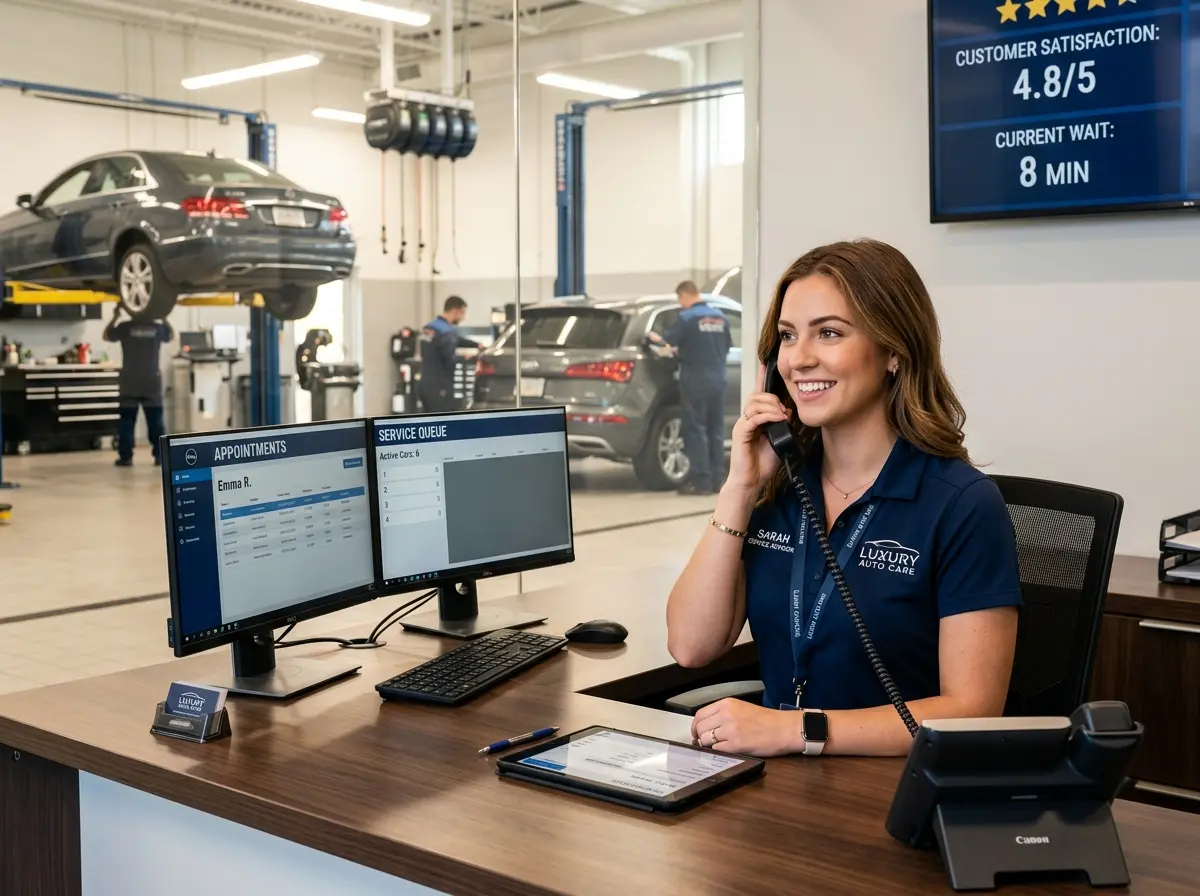
Picture this: A car owner's check engine light flickers on during their morning commute. Mild panic sets in. They pull over, grab their phone, and call the first auto repair shop that comes up in their search. The phone rings. And rings. Then — click — they're greeted by the dulcet tones of a smooth jazz saxophone that sounds like it was recorded in 1987. They wait. They wait some more. Forty-five seconds later, they hang up and call your competitor down the street.
That scenario plays out hundreds of times a day across auto repair shops everywhere, and most shop owners have absolutely no idea it's happening. You're focused on the cars in your bays, the technicians on the floor, and the parts on order — as you should be. But while your attention is elsewhere, your phone is quietly hemorrhaging customers who never even make it to your front desk.
The good news? This is one of the most fixable problems in your entire operation. Let's talk about why your phone experience is costing you business, and what you can actually do about it.
The Hidden Cost of a Bad Phone Experience
Customers Have Zero Patience — And the Data Proves It
Here's a number that should make every shop owner sit up straight: 85% of customers whose calls go unanswered will not call back. They're gone. Not annoyed and temporarily inconvenienced — gone, probably scheduling an oil change with whoever picked up on the second ring. In an industry where the average repair order can run anywhere from $200 to well over $1,000, every missed call is a real dollar amount walking out the door.
And it's not just about missed calls. A 2023 study found that customers form a lasting opinion of a business within the first few seconds of any interaction — including phone interactions. If the first thing they hear is a busy signal, an overlong ring, or a generic voicemail prompt that sounds like it was set up in 2009, they've already started forming their impression of how you run your shop. Spoiler: it's not a flattering one.
The Lunchtime and After-Hours Black Hole
Auto repair shops are particularly vulnerable to phone abandonment during two specific windows: the midday rush when your service advisors are juggling car owners picking up vehicles and drop-offs, and after 5:30 PM when the shop is closed but customers are just getting home from work and finally have time to deal with that weird clunking noise their car has been making for three weeks.
Those after-hours callers are motivated. They're ready to book. And they're calling you because something in their research suggested you were worth a phone call. If no one answers — or if they get a voicemail that never gets returned promptly — you've failed a warm lead at the finish line. It's genuinely painful to think about how much revenue lives in that after-hours dead zone for most shops.
Hold Music Is Not a Hospitality Strategy
There's a particular brand of optimism in the belief that hold music is keeping customers patient and engaged. It is not. Hold music is what customers tolerate when they've already committed to waiting — and even then, their goodwill has a short expiration date. Most people will abandon a hold after 90 seconds. If your service advisors are dealing with a customer at the counter, answering a question from a technician, and trying to process a payment at the same time, that 90-second window evaporates instantly. What you need isn't better hold music. You need fewer reasons to put someone on hold in the first place.
A Smarter Front Line: Where Technology Fills the Gap
AI Receptionists Aren't the Future — They're Tuesday
The concept of an AI-powered phone receptionist has moved well past the "interesting novelty" phase and firmly into "why don't more shops have this" territory. Stella is an AI robot employee and phone receptionist that answers calls 24/7 with the same business knowledge she'd use to greet a customer walking through your front door. She knows your services, your pricing structure, your hours, your current promotions, and your policies — and she can hold a genuine, natural conversation about all of it without ever putting someone on hold to go ask a manager.
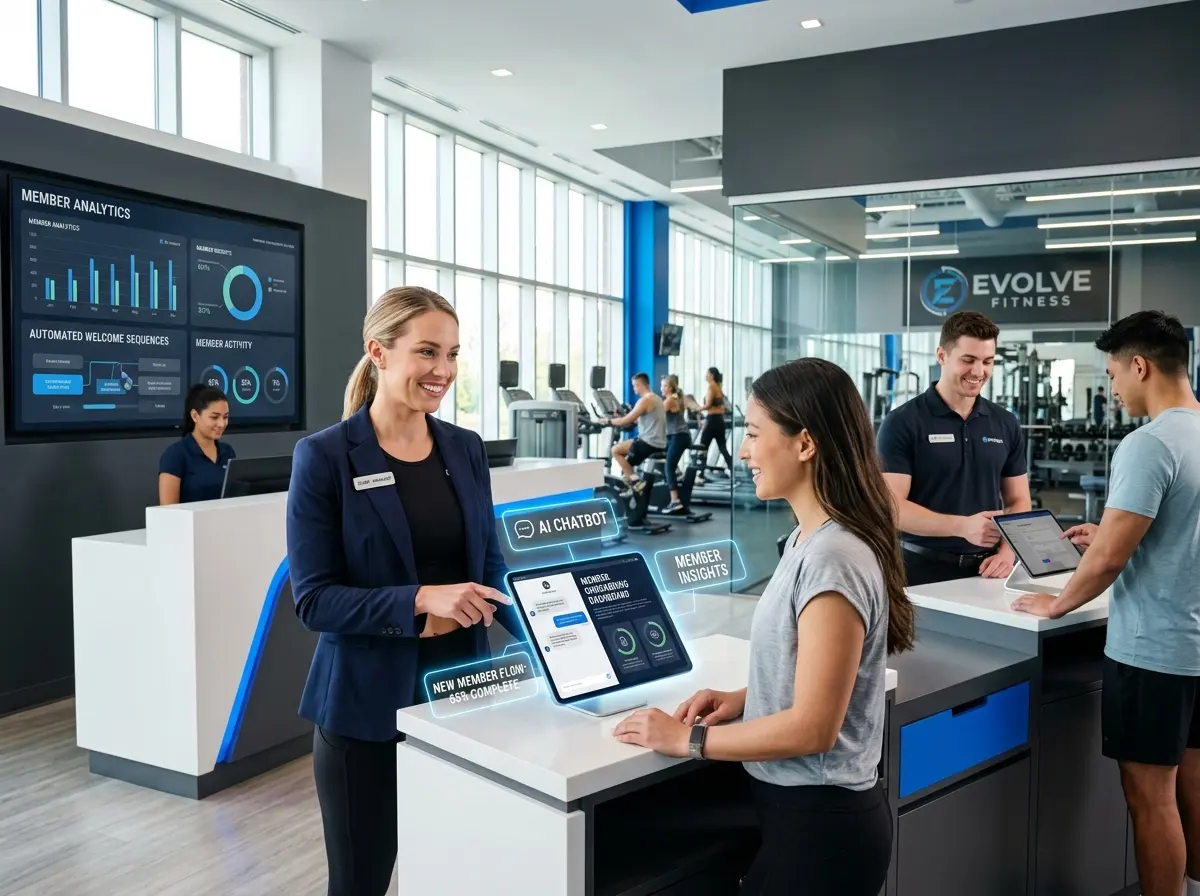
For auto shops specifically, Stella can handle the high-volume, repetitive questions that eat up your service advisors' time — things like "How long does an oil change take?", "Do you work on European cars?", or "What are your hours on Saturday?" She can also collect customer information through conversational intake forms right on the call, so by the time a customer is transferred to a human or comes in for their appointment, the basic information-gathering is already done. Stella's built-in CRM stores all of that customer data with AI-generated profiles, custom tags, and notes — meaning your team walks into every customer interaction with context, not a blank slate. For shops that also have a physical location, she operates as an in-store kiosk that proactively engages walk-in customers while your staff focuses on the work that actually requires a human expert.
Fixing Your Phone Experience From the Ground Up
Audit Your Call Flow Right Now
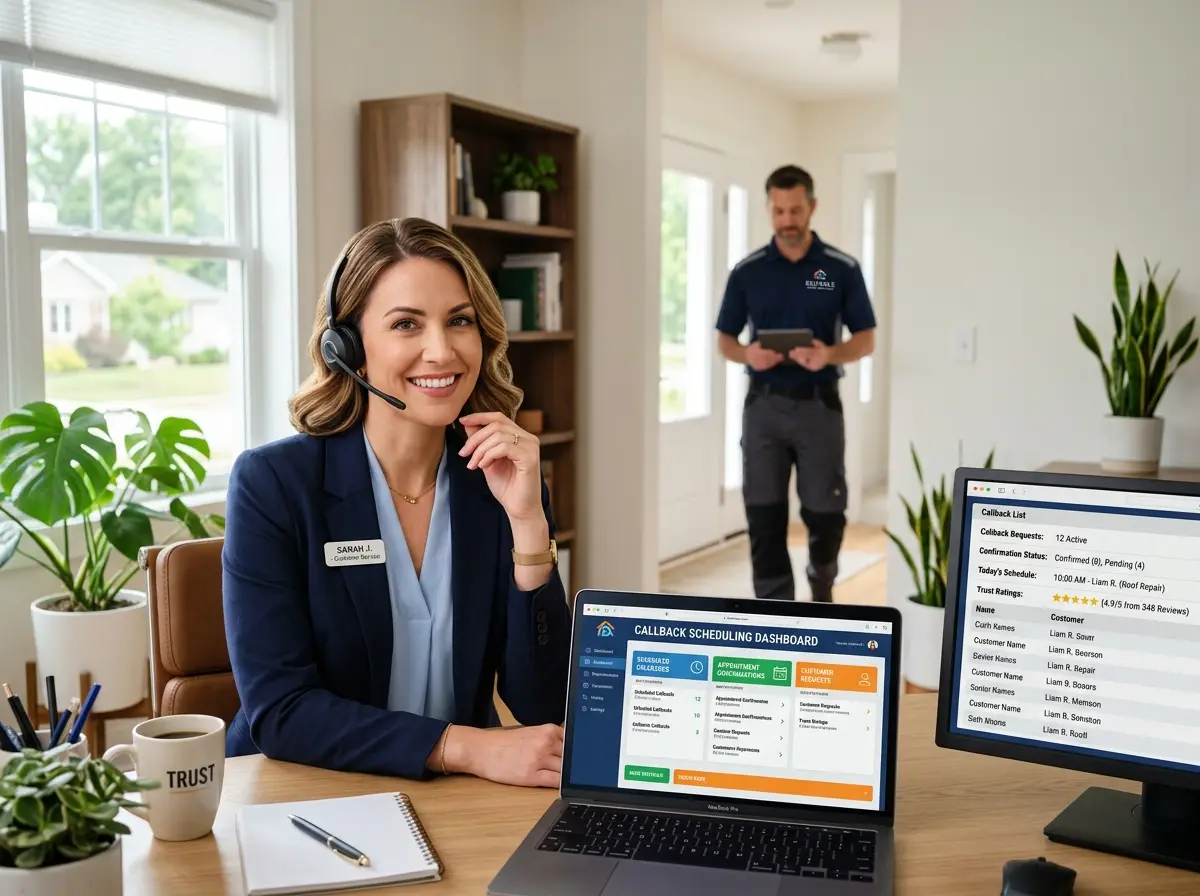
Before you can fix anything, you need to know what customers are actually experiencing when they call you. Have a friend or family member call your shop at three different times: during your busiest morning window, around lunchtime, and after hours. Note how many rings before someone picks up, whether they were put on hold, how long the hold lasted, and how the interaction felt overall. Most shop owners who do this exercise are genuinely surprised — and not in a good way — by what they discover. You can't manage what you don't measure, and you definitely can't fix a problem you don't know you have.
Reduce the Volume of Repetitive Calls With Better Information Architecture
A significant portion of inbound calls to auto repair shops are asking the same handful of questions. Your hours. Whether you do alignments. How much a brake job typically costs. Whether you offer loaner cars. If you publish clear, detailed answers to these questions on your website, in your Google Business Profile, and anywhere else customers might look before they call, you'll naturally reduce the volume of low-information calls and leave your service advisors free to handle the calls that actually require their expertise. This sounds obvious, but walk through your Google Business listing right now and count how many questions go unanswered. You'll find a few.
Set an Actual Standard for Call Response Time
Most auto repair shops don't have a defined policy for how quickly calls should be answered, how long holds should last, or how promptly voicemails should be returned. They just sort of... handle it as best they can. That's not a strategy. Set a real standard — say, all calls answered within three rings during business hours, all voicemails returned within two hours, all after-hours calls addressed by 9 AM the next morning — and build your staffing and technology decisions around hitting that standard consistently. Customers notice consistency. They also notice the absence of it.
Quick Reminder About Stella
Stella is an AI robot employee and phone receptionist built for businesses like yours — she answers calls around the clock, handles customer questions naturally, and keeps your operation running smoothly even when your team is elbow-deep in an engine. She works both as an in-store kiosk and a phone receptionist, and she's available for just $99 a month with no upfront hardware costs. For an auto shop losing even one repair order a week to missed or mishandled calls, the math is not difficult.
Stop Letting Your Phone Work Against You
Your reputation, your online reviews, your technicians' skills, your parts quality — none of it matters if the customer never gets through the door because they gave up during the hold. The phone is still the primary way most auto repair customers initiate a relationship with a shop, and most shops are treating it like an afterthought.
Here's your action plan, in plain terms:
- Audit your current call experience this week by calling your own shop like a customer would.
- Identify your dead zones — the times of day and week when calls are most likely to go unanswered or land in voicemail purgatory.
- Update your public information so customers can find basic answers without needing to call at all.
- Set measurable standards for call response time and hold duration, then hold your team accountable to them.
- Seriously consider an AI receptionist for after-hours coverage and high-volume intake — because the alternative is continuing to donate those customers to whoever down the street does answer the phone.
Your competitors are not necessarily better than you. In many cases, they're just more reachable. Fix that, and you've immediately leveled a playing field that has been quietly tilted against you. The cars — and the customers who own them — will follow.