Stop Sending the Same Email to Everyone and Wondering Why Nobody Cares
Here's a scenario that probably sounds familiar: you spend an hour crafting what you think is a genuinely great marketing email, you blast it to your entire contact list, and then you sit back and watch the open rate hover somewhere around 12% while the unsubscribes quietly pile up. Congratulations — you've just treated your loyal, high-spending VIP client the same way you treated the person who called once to ask about your hours and never came back.
The good news is there's a better way, and it doesn't require a marketing degree or a team of data analysts. It's called client segmentation, and when it's built into your CRM, it becomes one of the most powerful tools you have for actually connecting with customers rather than just shouting into the void. When you send the right message to the right person at the right time, everything changes — open rates improve, conversions go up, and customers start feeling like you actually know them. Because you do.
This post will walk you through what segmentation is, how to set it up practically inside your CRM, and how to use it to send marketing messages so relevant that your customers will wonder if you're psychic. (You're not. You're just organized.)
Understanding Client Segmentation: The Basics You Actually Need
What Segmentation Really Means (and What It Doesn't)
Client segmentation is simply the practice of dividing your customer base into meaningful groups based on shared characteristics, behaviors, or needs — and then tailoring your communication to each group accordingly. It doesn't mean you need a hundred different customer categories or a spreadsheet that requires a PhD to interpret. Even splitting your list into two or three well-defined segments can dramatically improve the relevance of your marketing.
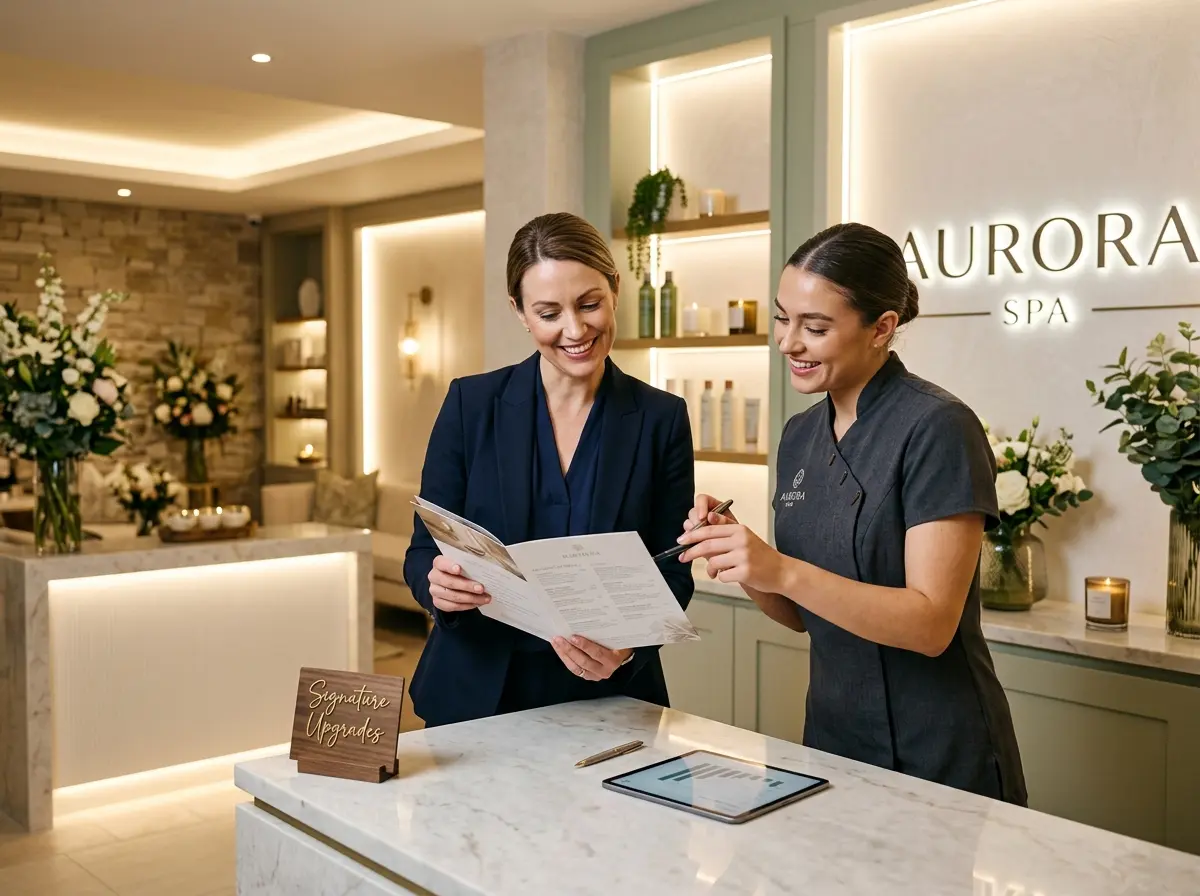
Think about a spa owner with 400 contacts. Some of those clients come in every month for facials and spend generously on retail products. Others booked a single massage six months ago and haven't been back. Sending both groups the same "Book Your Next Appointment" email is a missed opportunity — the loyal client deserves a reward or an exclusive offer, while the lapsed client probably needs a re-engagement nudge and a reason to return. Same business, same email template, completely different context. That's the problem segmentation solves.
The Four Core Segmentation Types Worth Using
There are dozens of ways to slice your customer list, but for most small and medium business owners, four approaches deliver the most practical value:
- Demographic segmentation — age, gender, location, or occupation. Useful for businesses where these factors genuinely influence purchasing behavior, like a gym offering senior fitness classes or a salon targeting brides-to-be.
- Behavioral segmentation — how often they buy, what they buy, how much they spend, and when they last engaged. This is usually the most actionable category for local businesses.
- Lifecycle stage segmentation — new leads, first-time customers, repeat buyers, VIPs, and lapsed customers. Each stage calls for a completely different tone and offer.
- Interest or preference segmentation — based on what services or products they've shown interest in, either through purchase history or the questions they've asked.
The magic happens when you start combining these. A lapsed customer who previously spent above average? That's a high-value win-back opportunity and should be treated accordingly — not lumped in with someone who visited once and left a lukewarm review.
Building Your Segments Inside Your CRM
A CRM without segmentation is basically a very expensive address book. The real power comes from custom fields, tags, and filters that let you slice your data any way you need. Start by auditing what information you're actually collecting. Do you have purchase history? Service preferences? Lead source? Date of last visit or call?
If your data is sparse, that's a solvable problem — but it means you need to be more intentional about collecting information at every customer touchpoint going forward. Your CRM should have fields that capture not just who the customer is, but what they care about and how they've behaved. Once you have that, you can build dynamic segments that update automatically as customer behavior changes. That new client becomes a repeat buyer; that repeat buyer becomes a VIP. Your segments should evolve with them.
How Stella Can Help You Build Richer Customer Profiles Automatically
Collecting Better Data Without Lifting a Finger
One of the biggest barriers to effective segmentation is simply not having enough good data. You know you should be tracking customer preferences and behaviors, but between running your business and actually serving customers, it rarely happens consistently. This is exactly where Stella earns her keep.
Stella collects customer information through conversational intake forms — whether that's during a phone call, through your website, or at her in-store kiosk. Instead of handing someone a clipboard or hoping a staff member remembers to ask the right questions, Stella naturally gathers the details that matter: service preferences, referral sources, contact information, and more. All of that flows directly into her built-in CRM with custom fields, tags, notes, and AI-generated profiles, giving you clean, segmentable data from day one. For businesses that rely on phone intake — medical offices, law firms, service providers — this is especially valuable, since every inbound call becomes an opportunity to enrich your customer records automatically.
Writing Marketing Messages That Actually Hit Home
Match the Message to the Moment
Once your segments are built, the real fun begins: crafting messages that feel personal even when they're automated. The key principle here is simple — every segment has a different emotional context, and your messaging should reflect that.
A first-time customer needs reassurance and a reason to come back. An email to this group might highlight your most popular service, include a friendly introduction to your team, and offer a small incentive for a second visit. A VIP customer, on the other hand, already loves you — they don't need a coupon, they need to feel seen. Think early access to new services, a personalized thank-you, or an exclusive members-only offer. And a lapsed customer who hasn't visited in six months? They probably need a reason to remember why they liked you in the first place, plus a low-friction path back in.
According to research from McKinsey, personalization can reduce customer acquisition costs by up to 50% and increase marketing ROI by 5 to 8 times. Those aren't small numbers. And the businesses achieving those results aren't doing anything exotic — they're just paying attention to who their customers are and what those customers actually want to hear.
Practical Segmentation Scenarios by Industry
Let's make this concrete. If you run an auto shop, you might segment customers by vehicle type, last service date, and whether they've had a major repair versus routine maintenance. A customer due for an oil change gets a friendly reminder. A customer who had a major repair last quarter gets a follow-up check-in — it builds trust and opens the door for the next visit. If you own a restaurant, you might segment by dining frequency, order type (dine-in versus takeout), and average spend. Your high-frequency dine-in guests might love an exclusive preview dinner for a new menu, while your takeout regulars respond better to a loyalty punch-card promotion pushed through SMS.
A gym could segment by membership tier, class attendance patterns, and whether members are flagged as at-risk for churn based on declining check-ins. An at-risk member getting a personalized message from the owner — referencing their specific classes and offering a complimentary session with a trainer — is far more likely to re-engage than receiving the same generic newsletter that goes to the entire membership.
The Timing Factor Nobody Talks About Enough
Even perfectly written, perfectly segmented messages can underperform if they arrive at the wrong time. Use your CRM data to identify when each segment is most likely to engage. Are your VIP clients primarily booking on weekday mornings? Are your lapsed customers more likely to respond on Sunday evenings? Most email marketing platforms connected to your CRM will show you this data over time, and it's worth using. A re-engagement campaign that lands on a Tuesday afternoon might get half the response of the same campaign sent on a Saturday morning — not because the message changed, but because the timing did.
Quick Reminder About Stella
Stella is an AI robot employee and phone receptionist built for businesses of all types — she greets customers at your physical location, answers phone calls 24/7, promotes your current deals, and handles intake and FAQs so your team can stay focused. At just $99/month with no upfront hardware costs, she's one of the most cost-effective ways to ensure your business always has a professional, knowledgeable presence — whether you're open or not.
Putting It All Together: Your Next Steps
Client segmentation isn't a luxury reserved for enterprise companies with dedicated marketing departments. It's a practical, accessible strategy that any business owner can implement with the right CRM setup and a little intentional thinking about who your customers actually are.
Here's where to start:
- Audit your current CRM data. What information do you have, and what's missing? Identify the gaps that are preventing you from building meaningful segments.
- Define three to five core segments based on the criteria most relevant to your business — lifecycle stage and behavioral data are usually the best starting points.
- Create a tailored message for each segment before your next campaign. Don't send anything to your full list until you've at least separated new customers from returning ones.
- Review and refine over time. Segmentation isn't a one-time setup. As your customer base grows and your data improves, your segments should evolve. Set a quarterly reminder to revisit your categories and make sure they still reflect reality.
The businesses winning at marketing right now aren't the ones with the biggest budgets — they're the ones with the best understanding of their customers. Segmentation is how you get there. It's not complicated, it's not expensive, and the alternative — sending the same message to everyone and hoping for the best — isn't really a strategy at all. It's just noise. Your customers deserve better, and frankly, so does your marketing spend.