Your Leads Are Slipping Through the Cracks (And You Probably Know It)
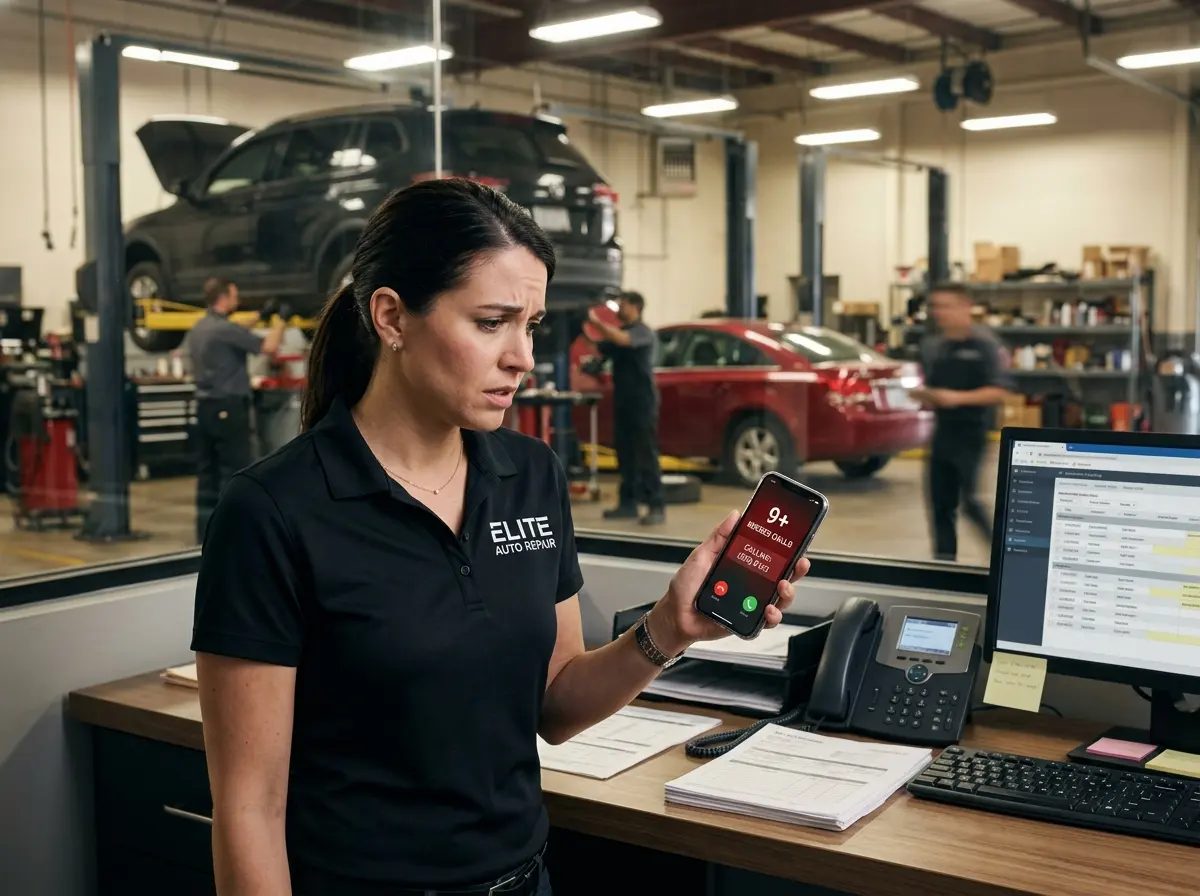
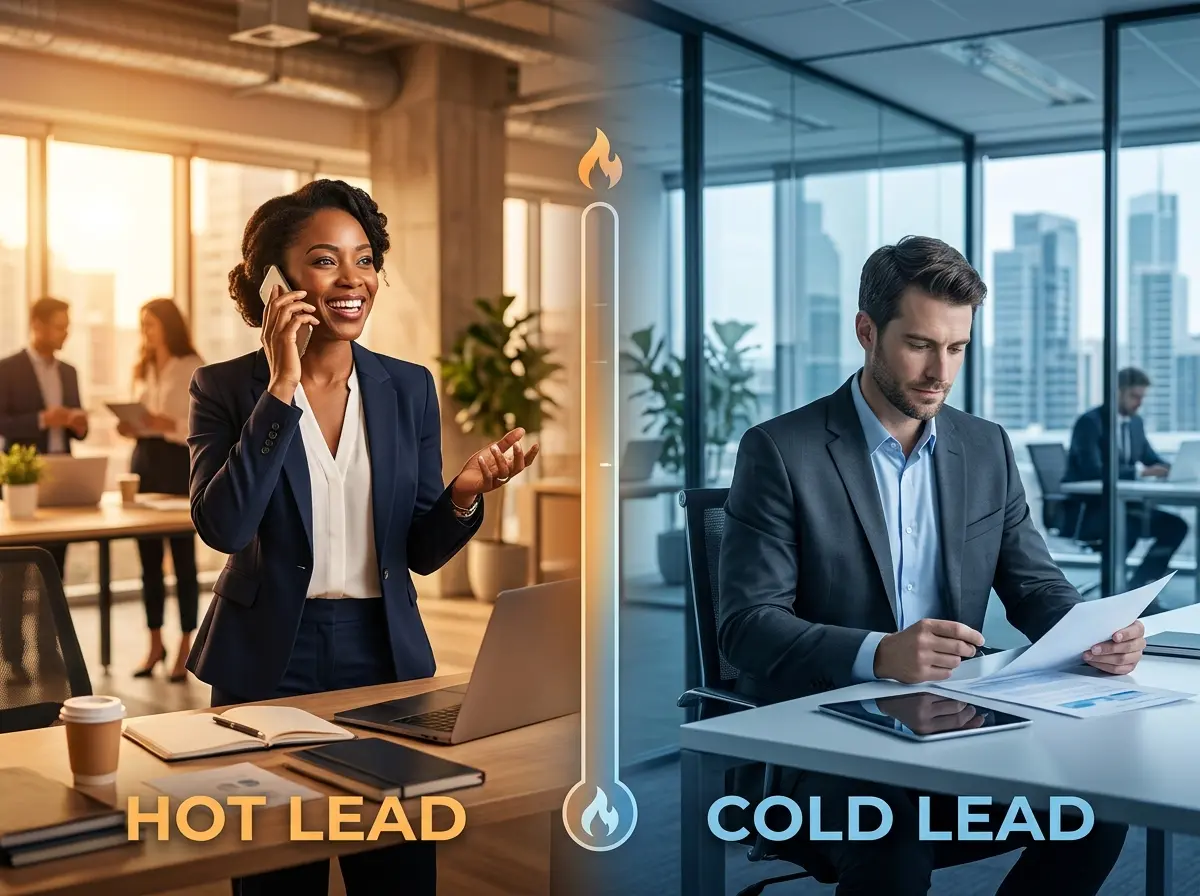
Here's a scenario that should feel familiar: a potential customer reaches out to your business — maybe they call, fill out a form, or walk in and ask a few questions. They seem interested. You or your staff have a great interaction with them. And then... nothing. Life gets busy, the follow-up gets delayed, and three days later that lead has already signed up with your competitor who happened to send a text within the hour.
The painful truth is that speed-to-lead is everything in today's market. According to research from Harvard Business Review, businesses that follow up with leads within an hour are seven times more likely to have a meaningful conversation with a decision-maker than those who wait even 60 minutes longer. Seven times. That's not a rounding error — that's the difference between a thriving sales pipeline and a graveyard of missed opportunities.
The good news? Text message follow-ups are one of the most powerful, underutilized tools available to small and mid-size business owners right now. They're fast, personal, non-intrusive, and — when done right — remarkably effective at turning curious prospects into paying customers. Let's talk about how to actually do this well.
The Case for Text Messaging (It's Not Just for Millennials)
Why SMS Outperforms Email for Follow-Ups
If your current follow-up strategy relies primarily on email, you're essentially sending your leads a very polite message to a folder they check twice a week. SMS open rates hover around 98%, compared to email's average of roughly 20-25%. Even more striking, most text messages are read within three minutes of being received. Email simply cannot compete with that kind of immediacy, especially when a lead is still warm and actively evaluating their options.
This doesn't mean email has no place in your follow-up strategy — it absolutely does, especially for longer nurture sequences, formal proposals, and documentation. But for that critical first touch after someone expresses interest? Text wins. It's direct, it's fast, and it meets people where they already are: staring at their phones.
The Psychology Behind Why Texts Convert
There's a reason a text message from a business feels different from a form email. When done well, an SMS follow-up feels like a personal outreach — someone on the other end actually noticed you and took the time to reach out. That perception of personal attention builds trust almost immediately, which is exactly what you need when a lead is still deciding whether or not they want to do business with you.
The key is tone. A good follow-up text should feel conversational and low-pressure, not like a promotional blast. Reference something specific — the service they asked about, the call they just had, the question they submitted — and make it easy for them to respond. You're not closing the deal in one text; you're opening the door to a conversation. Think of it as a warm handshake, not a sales pitch.
Timing Is Everything — And Then Some
Sending a follow-up text 72 hours after a lead interaction is roughly equivalent to showing up to a first date three days late and expecting a warm reception. The data consistently shows that the best time to send an initial follow-up text is within the first 5 to 15 minutes of a lead making contact. After that window, your conversion probability drops sharply with every passing hour.
For subsequent follow-ups, space matters too. A general rule of thumb: follow up again within 24 hours if there's no response, then once more a few days later. After that, move them into a longer-term nurture sequence rather than hammering them with messages. Persistence is a virtue; harassment is not.
How to Actually Set Up a Text Follow-Up System That Works
Capturing Leads Efficiently So You Can Follow Up at All
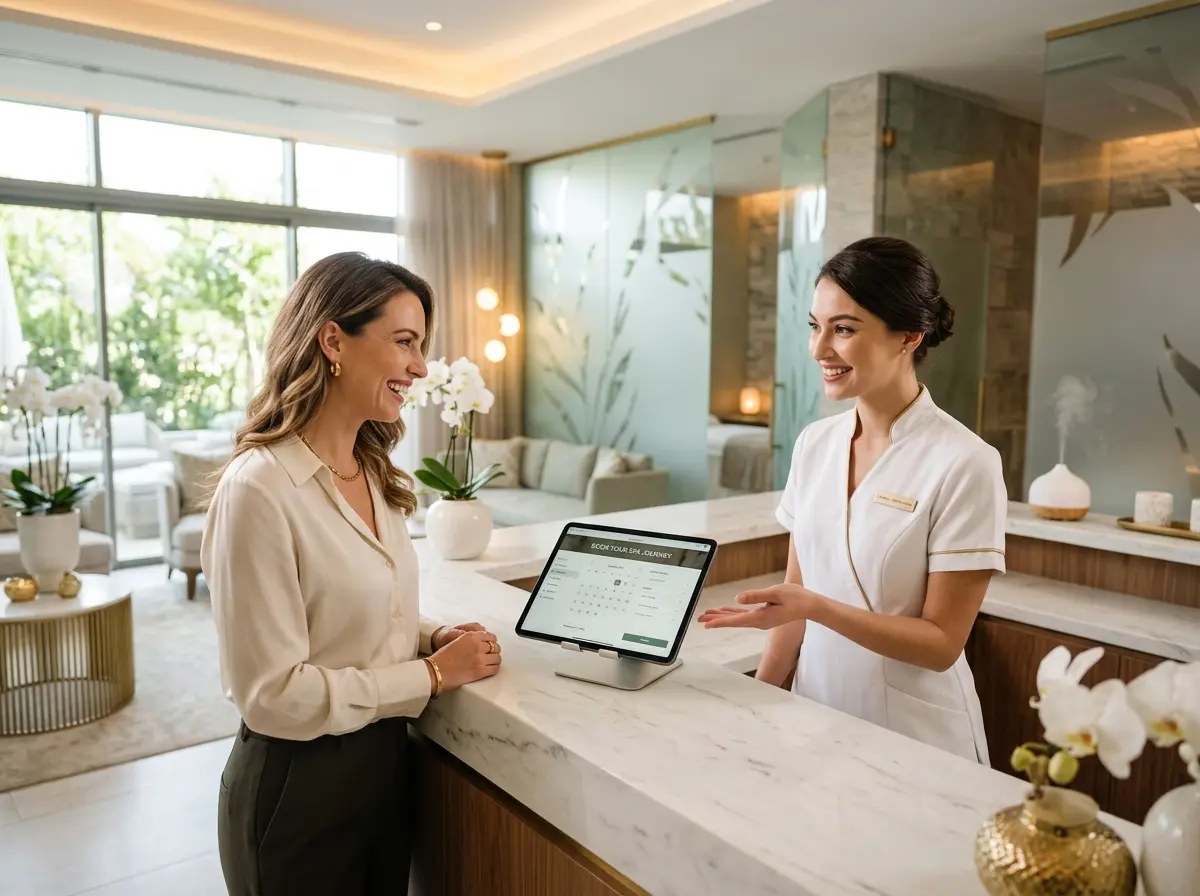
You can't follow up via text if you don't have a phone number — which sounds obvious, but many businesses are shockingly inconsistent about collecting this information. Whether a lead comes through a web form, a phone call, or an in-person interaction, your intake process needs to capture a mobile number as a standard field every single time.
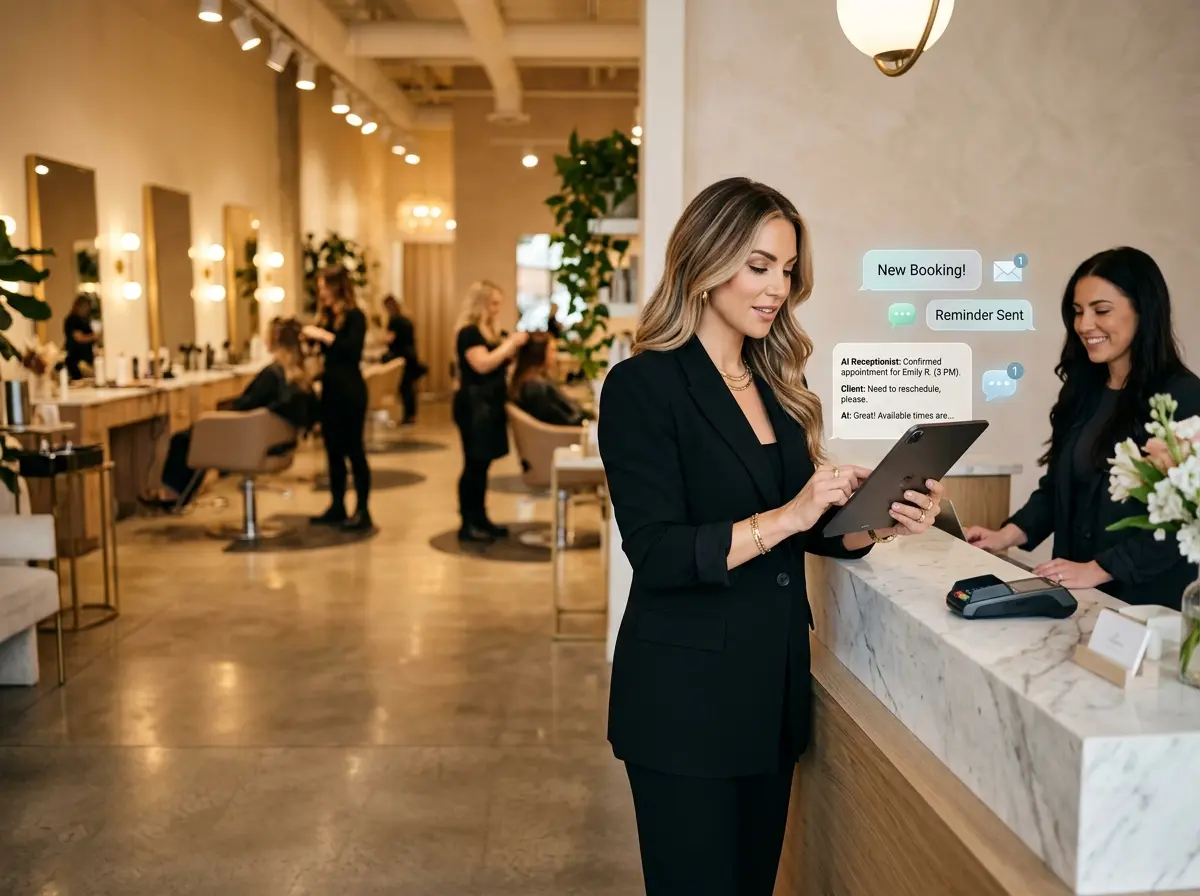
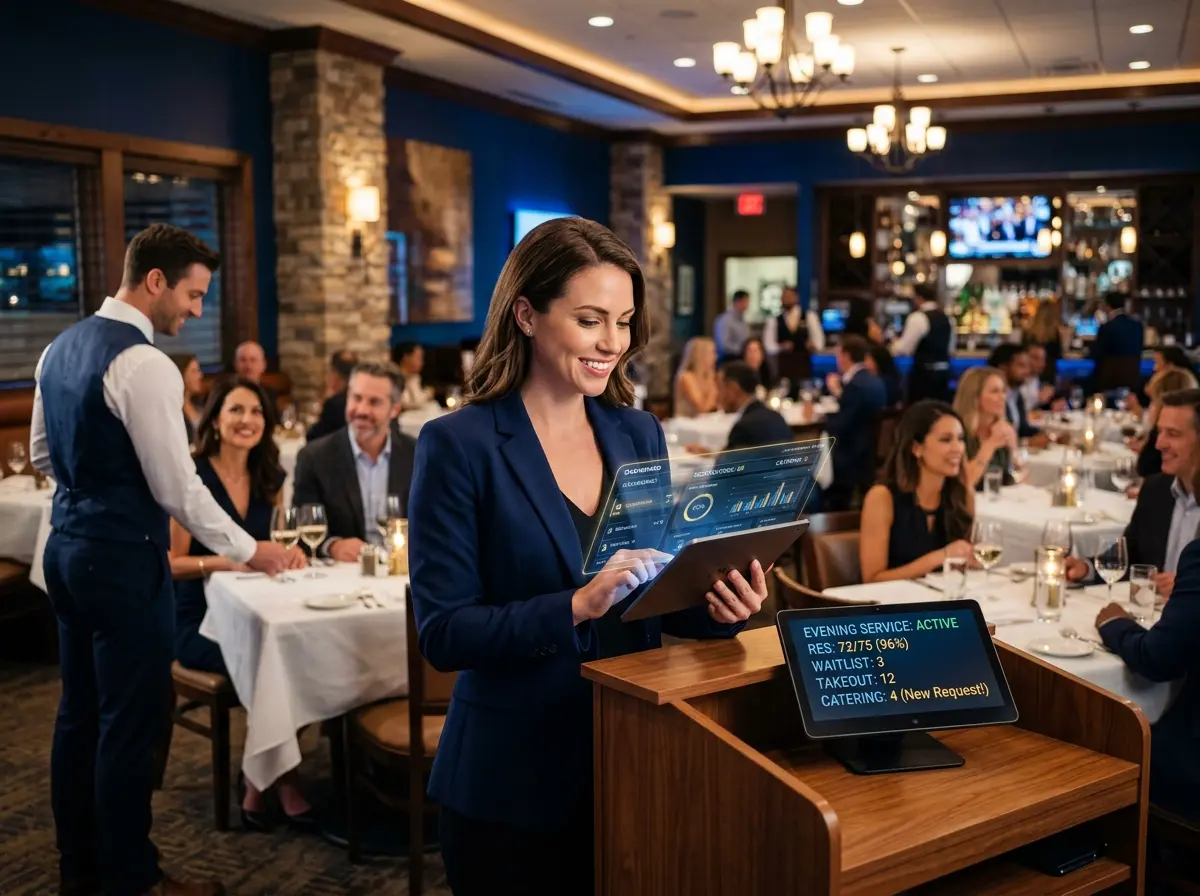
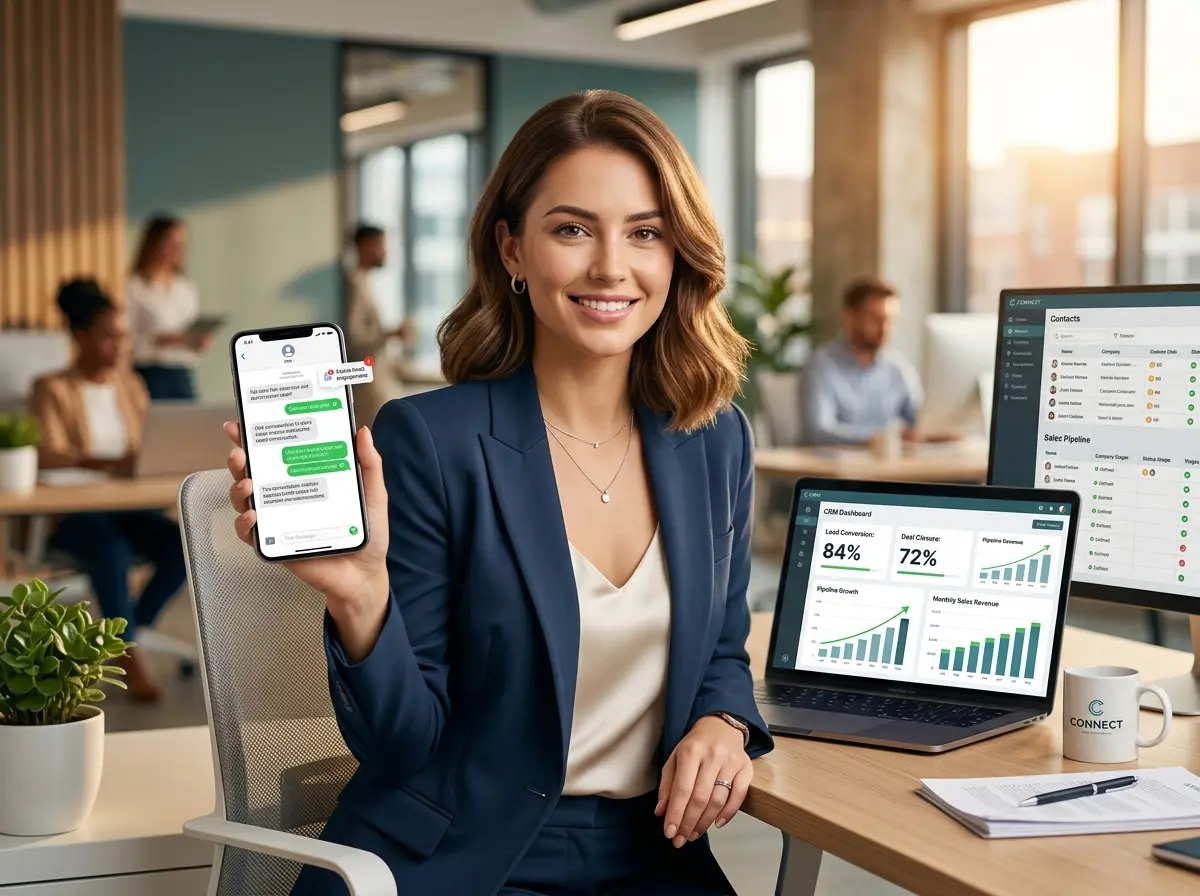
This is exactly where Stella can make a real difference. As an AI robot employee and phone receptionist, Stella handles customer intake through conversational forms — whether someone's calling in, visiting your location, or reaching out online. She collects contact details naturally during the interaction and stores them directly in her built-in CRM, complete with custom fields, tags, and AI-generated customer profiles. That means by the time a lead finishes their first interaction with your business, their information is already organized and ready for your follow-up workflow — no manual data entry required, no leads falling through the cracks because someone forgot to write down a number.
Crafting Text Messages That Actually Get Responses
The Anatomy of a High-Converting Follow-Up Text
There's an art and a science to writing a follow-up text that doesn't immediately get archived. The best ones share a few key characteristics: they're short (under 160 characters when possible), they're personal, they include a clear and low-friction call to action, and they don't try to do too much in one message.
Here's a simple formula that works across industries: Identify yourself → Reference the specific interaction → Offer clear next step → Keep it friendly. For example: "Hi [Name], this is Sarah from Bloom Day Spa! Thanks for asking about our massage packages today — happy to answer any questions or get you booked. Just reply here or call us anytime. 😊" That's it. No essay. No sales pitch. Just a human-sounding message that invites a response.
Building a Multi-Touch Text Sequence Without Being Annoying
A single text rarely closes a sale, but a thoughtful sequence can. Consider a three-part structure: the first message goes out immediately after the lead interaction and focuses purely on opening the conversation. The second, sent 24 hours later if there's no response, provides a gentle nudge along with something of value — a relevant FAQ, a current promotion, or a helpful tip related to what they asked about. The third message, sent a few days after that, is your soft close: acknowledge that you don't want to bother them, confirm you're available whenever they're ready, and leave the door open.
After that third touchpoint without a response, it's worth adding them to a lower-frequency email nurture sequence rather than continuing to text. Some leads just need more time. The goal is to stay on their radar without becoming the reason they block your number.
Personalization and Segmentation — Don't Skip This Part
Not all leads are created equal, and your follow-up texts shouldn't be either. A lead who inquired about your premium service package needs a different message than someone who asked about a basic introductory offer. A returning customer deserves a warmer, more familiar tone than a first-time prospect. Segmenting your leads based on where they came from, what they expressed interest in, and where they are in the buying journey lets you send messages that actually resonate — rather than the generic blasts that get ignored.
Most SMS platforms allow you to set up templates with dynamic fields, so you can personalize at scale without typing every message by hand. Use this. Customers notice when a message feels like it was written for them, and that feeling of being seen is often what tips them from "maybe" to "yes."
Quick Reminder About Stella
Stella is an AI robot employee and phone receptionist designed for businesses of all kinds — whether you have a physical storefront or run everything online. She greets customers in person at your location, answers phone calls 24/7, collects lead information through smart intake forms, and manages it all through a built-in CRM. At just $99/month with no upfront hardware costs, she's an easy way to make sure no lead goes uncaptured — and no opportunity slips away while you're busy running your business.
Start Following Up Faster and Watch What Happens
The businesses that consistently win at lead conversion aren't necessarily the ones with the best product or the lowest price — they're the ones that respond first, follow up consistently, and make the experience feel personal. Text messaging gives you a direct line to do exactly that, and it's accessible to businesses of every size and budget.
Here's how to move forward today. First, audit your current lead capture process and make sure every touchpoint is collecting mobile numbers. Second, choose an SMS platform that supports automation and templates — options like SimpleTexting, Podium, or Twilio-based tools are solid starting points depending on your needs. Third, write two or three message templates for your most common lead types and get them loaded into your system. Finally, set up your automation triggers so the first message goes out within minutes of a new lead coming in, not hours.
You've already done the hard work of generating interest. Don't let slow follow-up be the reason someone else gets the sale. Send the text. Start the conversation. And if you want help making sure those leads are captured consistently and accurately in the first place, it might be time to introduce yourself to Stella.