Introduction: The Quiet Tuesday Night Problem
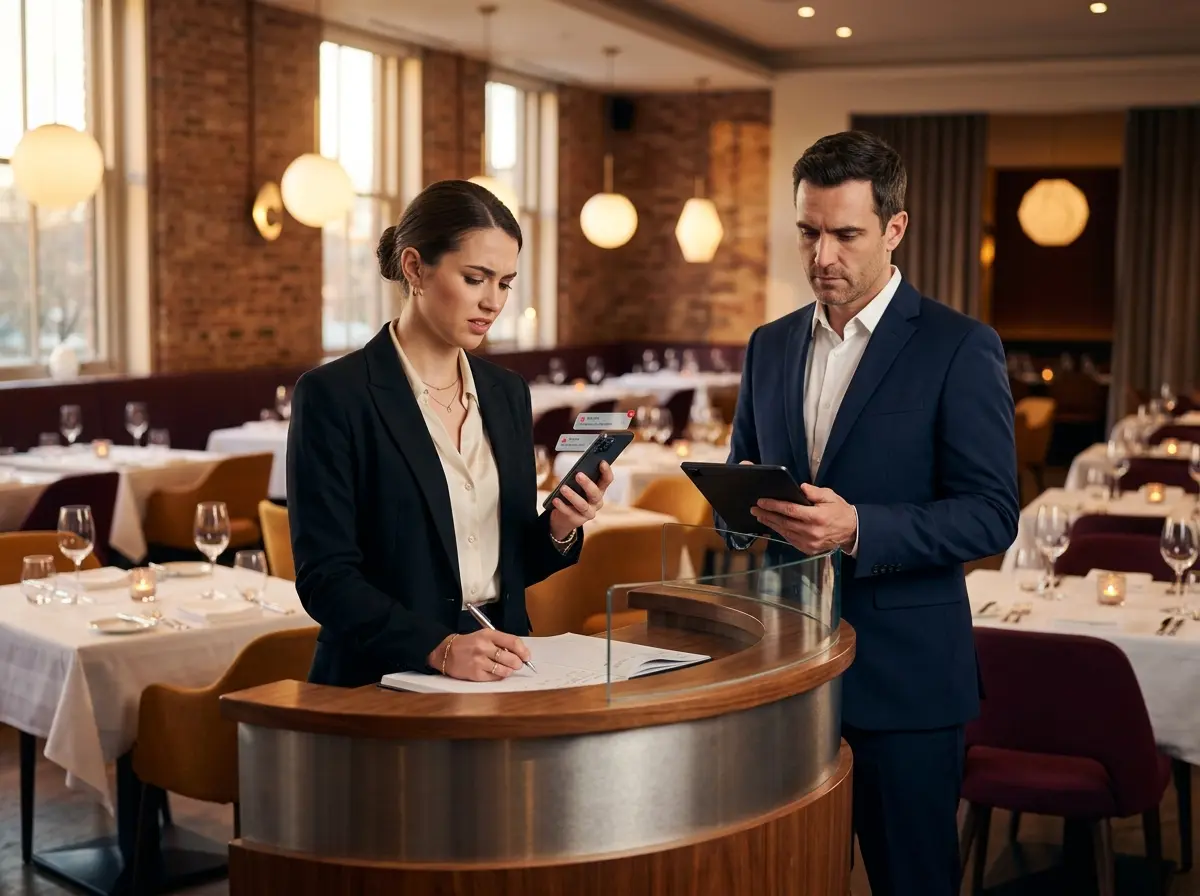
You know the scene. It's 7 PM on a Wednesday. Your restaurant looks like a ghost town. Your staff is leaning on the counter, your kitchen crew is playing phone Tetris, and outside, potential customers are scrolling through their phones deciding between your place and leftovers. Meanwhile, your Saturday night has a 45-minute wait and you're turning people away. The feast-or-famine cycle of restaurant traffic is one of the most frustrating parts of the business — and yet, most restaurant owners accept it as an unavoidable fact of life.
It doesn't have to be this way. Google Ads, when used strategically, can be one of the most powerful tools in your arsenal for driving diners through your doors on exactly the nights you need them most. Unlike social media posts that vanish into the algorithm abyss, Google Ads put your restaurant in front of people who are actively searching for a place to eat — right now, in your neighborhood. The intent is already there. Your job is just to show up at the right moment with the right offer.
This guide will walk you through how to set up and run Google Ads campaigns specifically designed to fill those slow weekday evenings, with practical strategies you can actually implement — no marketing degree required.
Building a Google Ads Strategy for Slow Nights
Start With the Right Campaign Type and Goal
Before you spend a single dollar, you need to be clear on what you're trying to achieve. For filling weekday evening seats, your goal is simple: get people to show up. That means your campaign should be focused on driving foot traffic and reservations, not brand awareness. Google's Local Campaign type (now integrated into Performance Max for store goals) is built exactly for this — it optimizes across Google Search, Maps, YouTube, and Display to drive in-store visits.
When setting up your campaign, select "Store visits and local actions" as your conversion goal. This tells Google's algorithm what success looks like and lets it optimize your budget accordingly. You should also make sure your Google Business Profile is claimed, verified, and fully filled out, because Local campaigns pull directly from that data. Think of your Google Business Profile as the foundation — your ads are only as strong as the information behind them.
Target the Right Times and the Right People
Here's where restaurant owners leave serious money on the table: they run ads all day, every day, and wonder why their budget evaporates by noon. Use ad scheduling to run your weekday evening campaigns during the windows that actually matter. For most restaurants, that means starting your ads around 3–4 PM on Monday through Thursday, when people are starting to think about dinner plans. You can adjust bids upward during peak decision-making hours — say, 4–7 PM — so your ads appear more prominently when competition for those eyeballs is highest.
On the audience side, target by geography with precision. A tight radius of 3–5 miles around your restaurant is usually plenty for a dinner crowd. Layer in audience signals like "Foodies," "Restaurant visitors," or "People who frequently dine out" to make sure your budget is reaching people with both the proximity and the appetite to act on your ad.
Write Ad Copy That Actually Motivates Action
Generic ad copy is the enemy. "Best Italian Food in Town — Come Visit Us!" is the kind of headline that gets ignored faster than a terms-and-conditions popup. Your weekday evening ads need to do two things: create urgency and offer a clear reason to choose you tonight. Think along the lines of "Half-Price Appetizers Every Tuesday 5–8 PM" or "Wednesday Date Night Special — 3 Courses, $39". Give people a concrete reason to pick up their keys.
Include strong calls to action like "Reserve Your Table," "View Tonight's Menu," or "Get Directions." These micro-commitments lower the barrier to action and give Google clearer signals about what you want users to do. Always link to a landing page — ideally your reservations page or a dedicated promotion page — rather than just your homepage. Every extra click you force someone to make is another opportunity for them to change their mind and order pizza delivery instead.
Converting Clicks Into Customers — And Keeping Them
Make Sure Your Phone and Walk-In Experience Can Handle the Traffic
Here's an uncomfortable truth: you can run a flawless Google Ads campaign, drive dozens of interested diners to call your restaurant, and still lose them — because nobody answered the phone, or the person who did wasn't sure about the Tuesday special. Your advertising is only as effective as the experience on the other end.
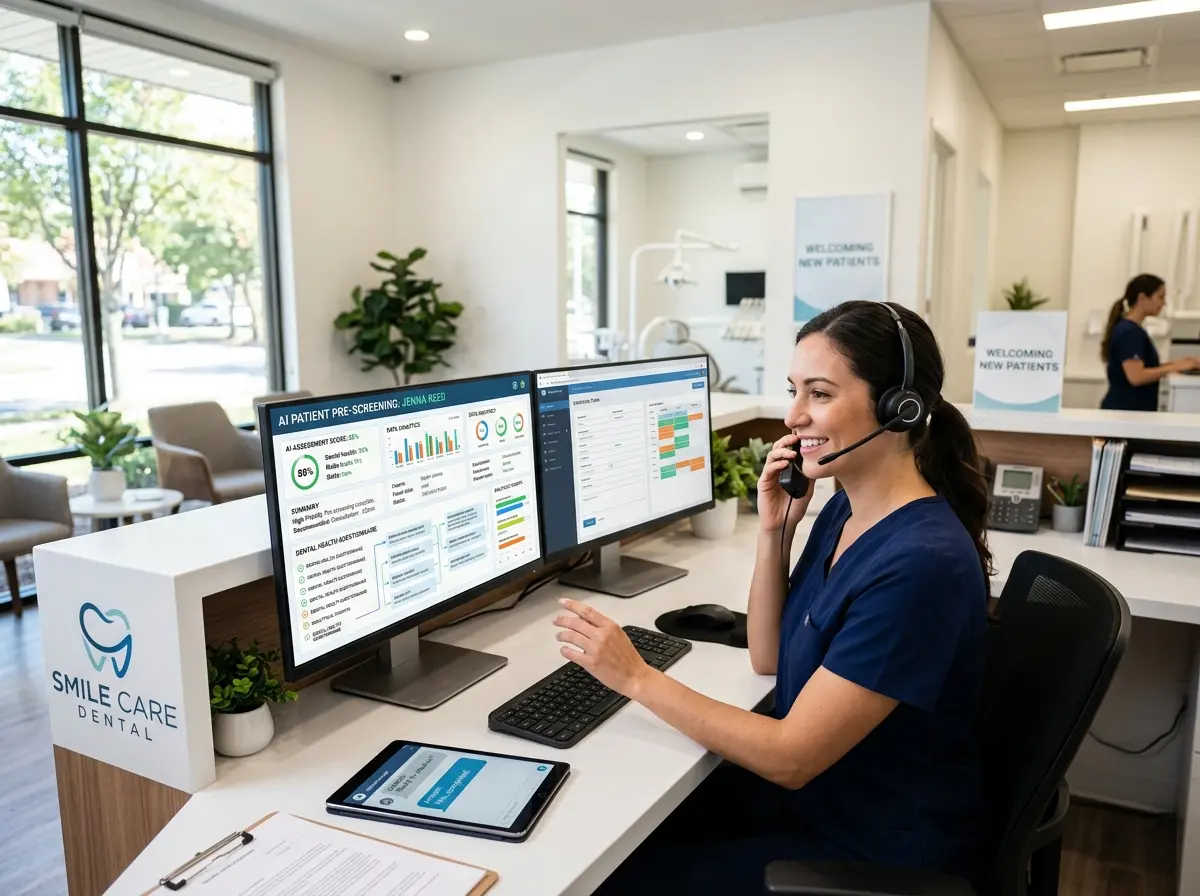
This is where Stella comes in handy for restaurant owners. Stella is an AI robot employee and phone receptionist that can answer calls 24/7 — including those pre-dinner calls asking about specials, hours, wait times, or reservation availability. She can be configured with your current promotions so she's always giving accurate, consistent answers. For restaurants with a physical location, Stella also stands inside as a kiosk, proactively engaging walk-in customers about your evening specials and current deals. When your weekday campaign starts driving traffic, Stella makes sure every inquiry gets a professional, knowledgeable response — even during the pre-dinner rush when your staff has their hands full. At $99/month, she's considerably more affordable than a missed reservation.
Optimizing Your Campaigns for Better Results Over Time
Track What's Actually Working
If you're not measuring, you're guessing — and guessing with your advertising budget is an expensive hobby. Set up conversion tracking in Google Ads to monitor the actions that matter most: phone calls from ads, reservation form completions, and requests for directions. Google's call reporting feature can track calls that come directly from your ads, giving you a clear picture of which campaigns and keywords are driving real-world interest.
On the back end, use Google Analytics (connected to your Ads account) to see how visitors from your campaigns are behaving on your website. Are they bouncing immediately, or are they clicking through to your menu and reservations page? High bounce rates often signal a mismatch between what your ad promises and what your landing page delivers — and that's a fixable problem once you know it exists.
Use Promotions and Offer Extensions to Stand Out
Google Ads offers several ad extensions that are particularly useful for restaurants running weekday promotions. Promotion extensions let you attach a deal directly to your ad — so searchers see your "Tuesday Burger Night" offer right in the search results, before they even click. Call extensions add your phone number directly to the ad, making it one tap to call from a mobile device. Location extensions pull from your Google Business Profile to show your address and distance, which is invaluable for driving foot traffic.
Use these extensions aggressively. They increase the visual footprint of your ad, push competitors lower on the page, and give people more reasons to engage without spending more per click. Think of them as free upgrades to your ad real estate — there's no good reason not to use them.
Test, Adjust, and Don't Give Up Too Soon
One of the most common mistakes restaurant owners make with Google Ads is pulling the plug too early. A campaign that's been running for two weeks doesn't have enough data to be judged fairly. Give your campaigns at least 30 days before making major changes, and when you do make changes, adjust one variable at a time — a different headline, a new promotion, a tighter geographic radius — so you can actually learn what made the difference.
Run A/B tests on your ad copy. Try two versions of the same ad with different headlines or offers and let Google's data tell you which one resonates more. Over time, you'll build a clear picture of what your specific audience responds to on weekday evenings, and that knowledge compounds into better and better results. Patience and systematic testing are the unglamorous secrets behind every successful Google Ads account.
Quick Reminder About Stella
Stella is an AI robot employee and phone receptionist built for businesses like yours. She greets customers at your kiosk, promotes your current deals, and answers phone calls around the clock with the same knowledge she uses in person — all for $99/month with no upfront hardware costs. When your Google Ads start working and the calls and walk-ins pick up, Stella makes sure none of that momentum goes to waste.
Conclusion: Your Slow Weeknights Won't Fix Themselves
The good news is that filling seats on slow weekday evenings is a solvable problem, and Google Ads is one of the most direct, measurable tools available to solve it. You're reaching people who are already searching for somewhere to eat, in your neighborhood, at the exact moment they're making a decision. That's about as close to a sure thing as digital advertising gets.
Here's your action plan to get started:
- Claim and fully optimize your Google Business Profile if you haven't already — it's the foundation everything else builds on.
- Set up a Performance Max campaign with store visit goals, targeting a 3–5 mile radius around your restaurant.
- Schedule your ads to run 3–8 PM on weekdays, with increased bids during peak decision-making hours.
- Create specific, compelling offers for each weekday evening — give diners a real reason to come in tonight.
- Add promotion, call, and location extensions to every ad to maximize your visibility and click-through rate.
- Set up conversion tracking and give your campaigns at least 30 days before drawing conclusions.
A quiet Tuesday night isn't a reflection of your food quality — it's a marketing gap waiting to be filled. With the right Google Ads strategy, consistent testing, and a customer experience that can actually handle the influx, those empty mid-week tables start looking a lot more like opportunity. Now go fill some seats.