The Patients Who Ghost You Are Costing You More Than You Think
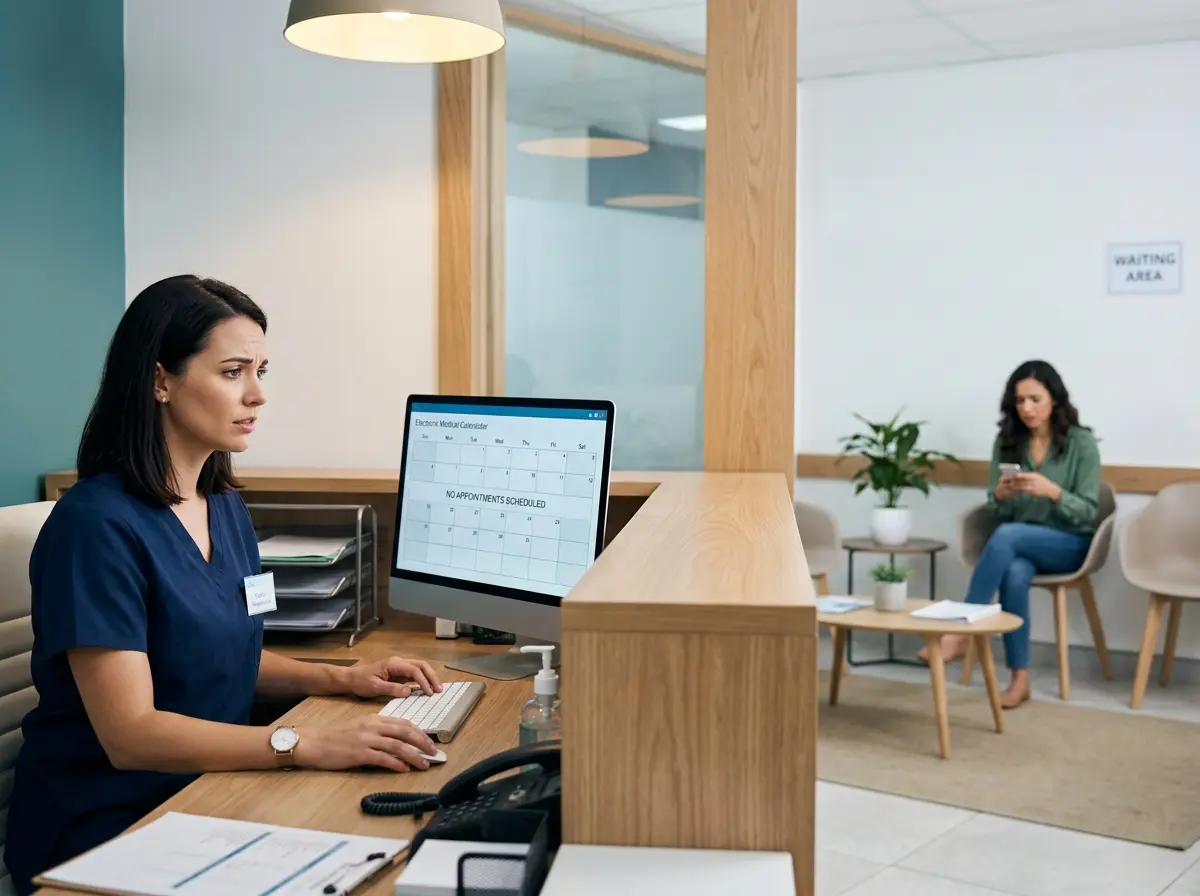
Let's paint a familiar picture: a patient comes in for a cleaning, you tell them to schedule their next appointment in six months, they smile and nod, and then — nothing. Six months pass. A year passes. Your hygienist asks about them. You check the system. They haven't been back. They haven't called. They've simply vanished into the void, like a sock in a dryer or a pen on a receptionist's desk.
This is not a rare occurrence. According to industry research, dental practices lose up to 20% of their active patient base every year to attrition — patients who just quietly stop coming back. Some move away, sure. Some switch providers. But a surprising number simply fall through the cracks of a busy practice with no formal system to catch them. And here's the uncomfortable truth: if you don't have a patient reactivation protocol, you're essentially leaving thousands of dollars in revenue on the table every single month while simultaneously spending money to attract new patients you don't actually need yet.
A solid patient reactivation protocol fixes this. It turns "lost" patients back into loyal ones, fills your schedule without expensive marketing, and costs a fraction of what it takes to acquire someone new. Let's talk about how to build one.
Understanding the Reactivation Opportunity
The Math That Should Make You Uncomfortable
Here's a quick exercise. Open your practice management software and pull a list of every patient who hasn't had an appointment in the last 18 months. Go ahead. We'll wait.
Startling, isn't it? For most dental practices, that list runs into the hundreds — sometimes thousands. Now consider that the average dental patient is worth approximately $650–$900 per year in revenue. If you have 500 inactive patients and you reactivate even 15% of them, that's 75 patients returning — potentially representing $48,000 to $67,500 in annual revenue. From people who already know you. Who already trust you. Who already sat in your chair and didn't run screaming. That's a warm lead if there ever was one.
New patient acquisition, by contrast, can cost anywhere from $150 to $300 per patient when you factor in advertising, promotions, and staff time. Reactivation is simply the smarter investment, and the fact that so many practices don't have a formal process for it is, frankly, baffling.
Why Patients Go Quiet (It's Usually Not You)
Before you take it personally, understand that most patient attrition is passive, not intentional. Patients don't usually leave because they had a bad experience — they leave because life happened. They got busy, they forgot, they kept meaning to call, and then somehow two years went by. A significant portion of your inactive patient list is simply waiting for someone to reach out and give them a nudge.
Common reasons patients go inactive include schedule conflicts, insurance changes, anxiety about returning after a long gap, financial concerns, or simply never receiving a follow-up from your practice. The last one is squarely in your control. If your reactivation strategy consists of hoping they remember to call you, that's not a strategy — that's optimism, and optimism doesn't fill appointment slots.
Segmenting Your Inactive Patients
Not all inactive patients are the same, and your reactivation outreach should reflect that. A patient who missed their six-month recall needs a very different message than one who hasn't been in for three years. Consider segmenting your list by time since last visit — 6 to 12 months, 12 to 24 months, and 24-plus months — and tailoring your communication accordingly. The shorter the gap, the more casual and reminder-focused your message can be. The longer the gap, the more you may need to address potential hesitation, reintroduce your team, or offer a specific reason for them to come back now.
Tools That Make Reactivation Easier (Including One With a Friendly Face)
Automating Outreach Without Losing the Human Touch
The biggest reason dental practices don't execute on reactivation is bandwidth. Your front desk is already managing check-ins, phones, insurance verifications, scheduling, and approximately twelve other things simultaneously. Asking them to also manually call hundreds of inactive patients is a fantasy. This is where automation earns its keep.
Use your practice management software to trigger automated recall reminders via text and email at set intervals. Tools like Dentrix, Eaglesoft, or third-party platforms like Weave and Legwork can handle much of this automatically. But automation alone doesn't close the loop — someone still needs to be available when those patients call back, have questions, or want to reschedule.
That's where Stella comes in. Stella is an AI robot receptionist who answers your phones 24/7 with full knowledge of your services, scheduling information, promotions, and office policies. When your reactivation campaign generates a wave of inbound calls — because it will — Stella handles them professionally and consistently, even at 8 PM when your front desk has long since clocked out. She can also collect patient information through conversational intake forms and feed it directly into her built-in CRM, making it easy to track who's engaging with your outreach and where they are in the reactivation funnel. No dropped calls. No voicemails that go unchecked for three days. Just reliable, professional coverage every time.
Building Your Reactivation Protocol Step by Step
Crafting Messages That Actually Get Responses
Your reactivation message should feel like a friendly check-in from a practice that genuinely cares — not a form letter from a corporation. Use the patient's first name. Reference their last visit if possible. Keep the message short, warm, and direct, and always include a clear call to action. Something as simple as "We noticed it's been a while since we've seen you — we'd love to get you back in and make sure your smile is in great shape. Click here to schedule or give us a call" outperforms generic "You're due for a cleaning!" blasts every time.
For patients who have been gone more than two years, consider acknowledging the gap with a light touch. Something like "We know life gets busy — no judgment here" goes a long way toward lowering the psychological barrier of returning after a long absence. You might also consider a "welcome back" offer for long-inactive patients — a discounted exam, a complimentary whitening treatment, or a small gift card — to give them a tangible reason to act now rather than later.
The Multi-Touch Approach
One message is rarely enough. Research consistently shows that outreach campaigns requiring action benefit from three to five touchpoints across multiple channels. A practical reactivation sequence for a dental practice might look like this:
- Week 1: Automated email with a personalized subject line and a scheduling link.
- Week 2: SMS reminder with a direct link to book online.
- Week 4: A personal phone call from a team member — or your AI receptionist — for patients who haven't responded.
- Week 6: A final email with a soft close, letting them know the door is always open.
Patients who don't respond after this sequence can be moved to a long-term nurture list and touched quarterly with your regular newsletter or promotional content. Don't delete them — just change the frequency and tone. Some patients reactivate 18 months after their first outreach. Patience pays.
Measuring What Works
A protocol without measurement is just a hope. Track your reactivation campaign the way you'd track any marketing investment: open rates on emails, response rates on SMS, call volumes, appointments booked, and ultimately, revenue generated from reactivated patients. Over time, you'll identify which messages perform best, which segments respond fastest, and which channels your patients prefer. This data turns your reactivation effort from a one-time push into a continuously improving system.
Review your inactive patient list quarterly and run reactivation campaigns on a rolling basis. This prevents the list from growing unmanageable and keeps your schedule consistently full without relying solely on new patient growth to hit revenue targets.
A Quick Reminder About Stella
Stella is an AI robot employee and phone receptionist designed to help businesses like dental practices stay responsive, professional, and patient-ready around the clock. She answers calls 24/7, promotes your services, collects patient information, and manages contacts through a built-in CRM — all for $99/month with no upfront hardware costs. Whether patients call to reschedule after a reactivation email at midnight or walk into your lobby with questions, Stella is always there, always helpful, and never in need of a coffee break.
Start Recovering Your Lost Revenue Today
The patients sitting in your inactive list aren't gone — they're just waiting. Most of them still need dental care. Many of them still trust your practice. They just need someone to reach out, make it easy, and give them a reason to come back. That's exactly what a patient reactivation protocol does.
Here's where to start:
- Pull your inactive patient list — anyone who hasn't been in for 12 months or more.
- Segment by time away — create distinct outreach tracks for each group.
- Build a multi-touch sequence — email, SMS, and phone across four to six weeks.
- Personalize your messaging — warm, human, and action-oriented.
- Ensure you can handle the response — make sure every inbound call gets answered, every inquiry gets followed up, and every patient who wants to come back can book with ease.
- Measure, refine, and repeat — run reactivation campaigns quarterly as part of standard operations.
Your schedule should be working as hard as you do. A patient reactivation protocol isn't a luxury or a nice-to-have — it's one of the highest-return activities a dental practice can invest in. And the best time to start one was a year ago. The second best time is right now.