So, Your Merchandise Is Growing Legs and Walking Out the Door
Let's talk about something no retailer enjoys discussing but every retailer experiences: shrink. Not the kind where your favorite sweater accidentally ends up in the dryer — the kind where your inventory mysteriously disappears and your profit margins quietly weep in the corner. Retail shrink costs U.S. businesses an estimated $112 billion annually, according to the National Retail Federation. Yes, billion with a B. If that number doesn't make you want to install cameras in every corner of your store, keep reading.
Understanding the Enemy: Types of Retail Theft and How They Happen
External Theft (Shoplifting)
Internal Theft (Employee Theft)
Here's the uncomfortable truth: employees account for approximately 28% of retail shrink. Internal theft includes sweethearting (giving friends unauthorized discounts or free merchandise), skimming cash from the register, manipulating refunds, stealing merchandise outright, or providing inside information to outside thieves. It often goes undetected longer than shoplifting because employees know the systems, the blind spots, and the schedules. This is why internal controls and a culture of accountability matter just as much as your security cameras.
Administrative and Vendor Errors
How a Visible, Engaged Store Presence Deters Theft
Here's a theft-prevention principle that security experts have championed for decades: attention deters shoplifters. When people feel seen and acknowledged, the risk calculus shifts. Most opportunistic thieves rely on being ignored. Remove that anonymity, and you remove a significant portion of your risk.
The Power of Proactive Customer Engagement
Training staff to greet every customer who enters and proactively offer assistance isn't just good customer service — it's a loss prevention strategy. Studies have shown that simply making eye contact and saying "Can I help you find something?" significantly reduces shoplifting attempts. The challenge, of course, is that your staff can't be everywhere at once, especially during peak hours. That's where technology can fill the gap. Stella, the AI robot employee and phone receptionist, stands inside your store and greets customers as they walk by — proactively, consistently, and without ever needing a bathroom break. A visible, interactive presence near your entrance or in high-traffic areas sends a clear signal: this store is attentive. That alone is a meaningful deterrent.
Beyond deterrence, Stella also handles phone calls 24/7 — so your human staff can stay on the floor, engaged with customers, rather than disappearing into the back to answer calls about your store hours. More floor coverage means fewer blind spots, and fewer blind spots mean fewer opportunities for theft.
Physical and Technological Security Measures That Actually Work
Surveillance, EAS Tags, and Store Layout
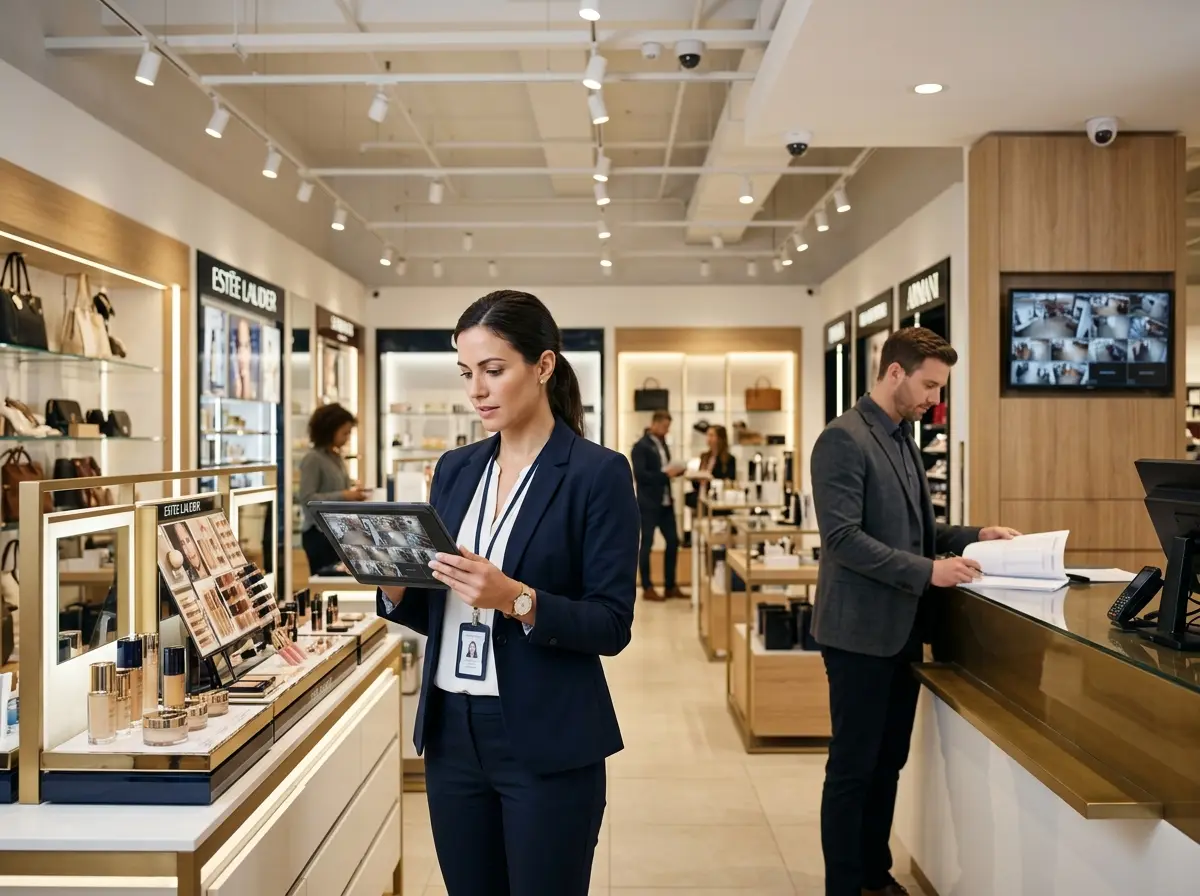
Visible security cameras are one of the most cost-effective deterrents available. The key word is visible — cameras only work as a deterrent when people know they're being watched. Post signage, keep camera domes clean and clearly mounted, and make sure coverage includes your highest-risk areas: fitting rooms (exterior only), back corners, checkout lanes, and receiving docks.
Access Control, Inventory Management, and Staff Accountability
Building a Culture of Loss Prevention
Quick Reminder About Stella
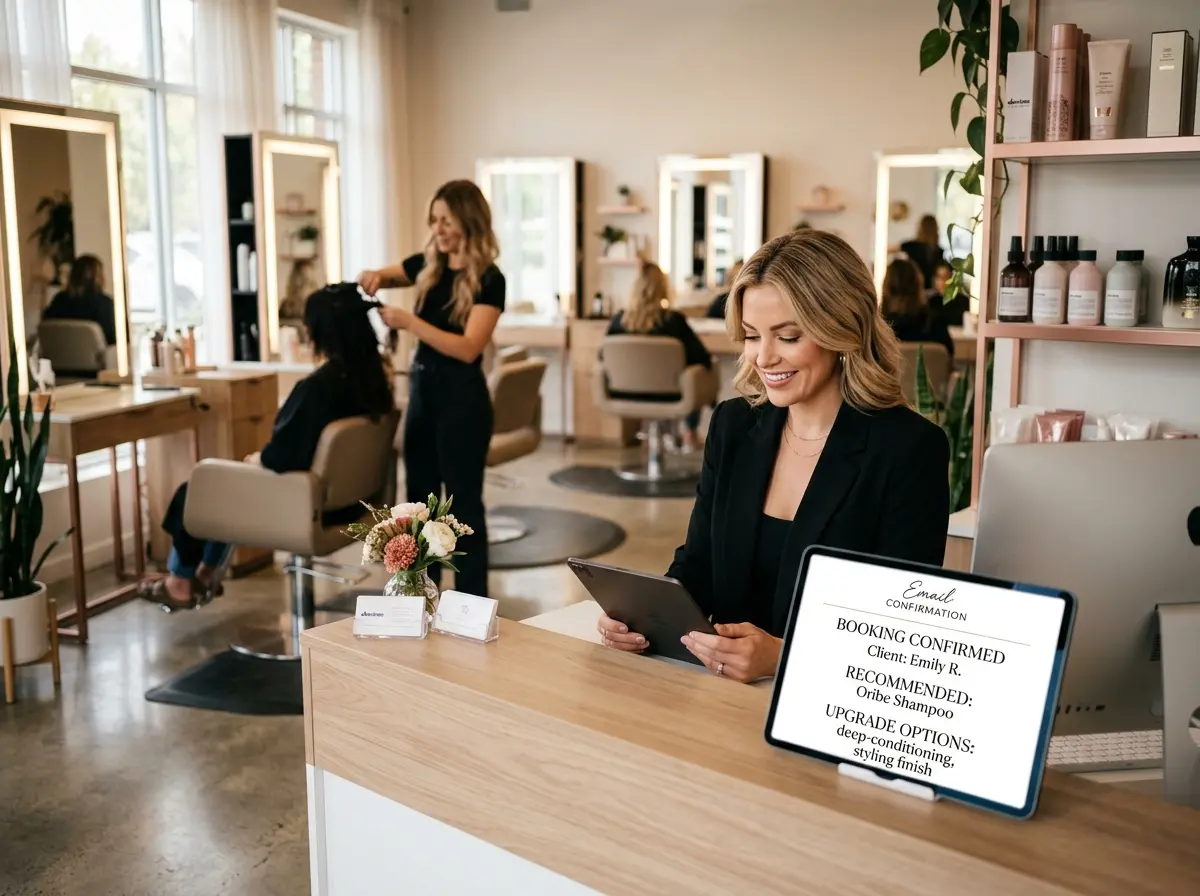
Stella is an AI robot employee and phone receptionist that works inside your store and answers your phone calls around the clock — all for $99/month with no upfront hardware costs. She greets customers, promotes your current deals, answers questions, and keeps your staff free to focus on what matters most. Whether you're running a retail shop, a salon, or any other business, Stella is always on duty so you don't have to be.
Turn These Strategies Into Action Starting Today
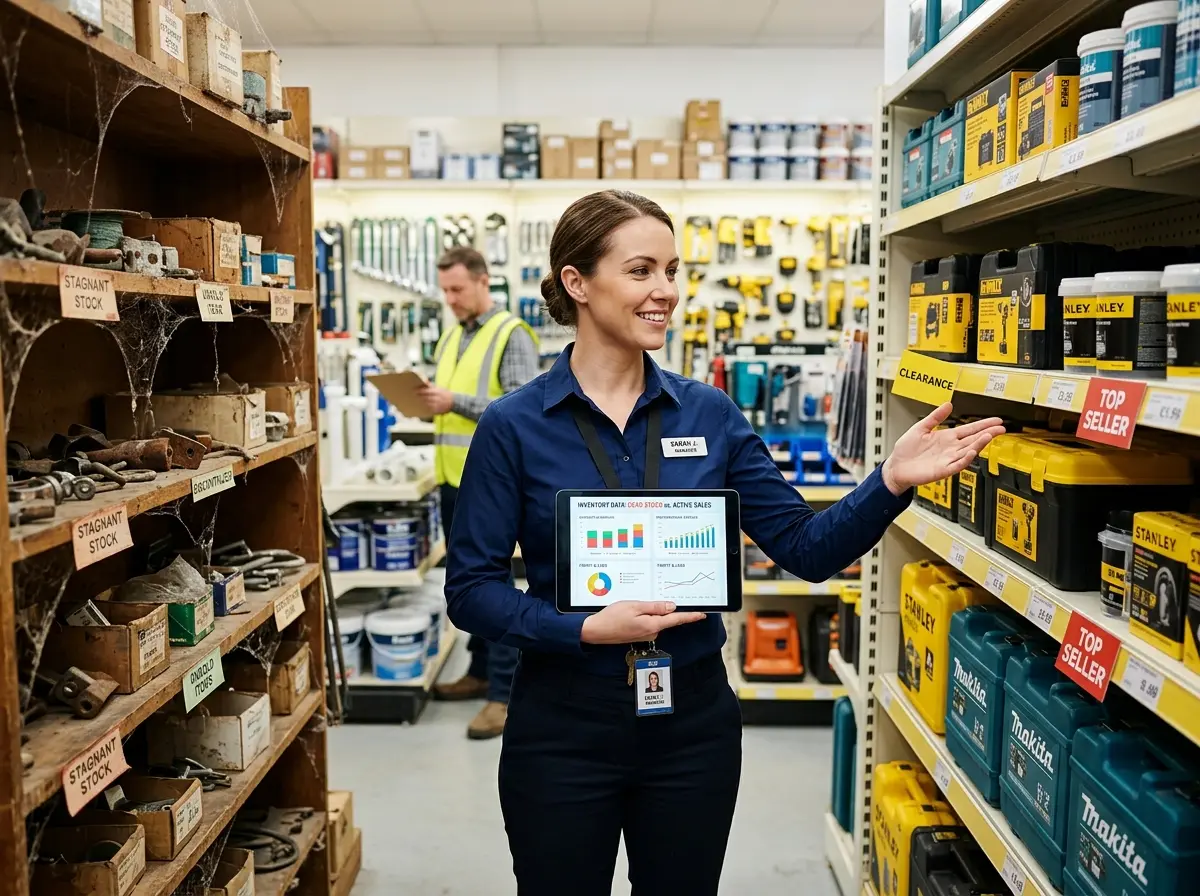
- Audit your current shrink data. Pull your inventory reports, identify your highest-loss categories, and understand where your exposure is greatest before spending a dollar on new tools.
- Walk your store like a shoplifter would. Identify blind spots, hidden corners, and areas where merchandise is too easy to conceal. Then fix them.
- Review your internal controls. Are refund overrides logged? Is register access role-specific? Are cash counts being done consistently? Tighten up any gaps.
- Train your team on proactive engagement. Make greeting every customer a non-negotiable standard — not just for customer service, but for loss prevention.
- Evaluate your technology stack. From EAS tags to surveillance cameras to AI-powered tools like Stella that keep your store engaged and your staff on the floor, technology is your force multiplier.