When Your Phone Won't Stop Ringing (And Your Staff Is Already Drowning)
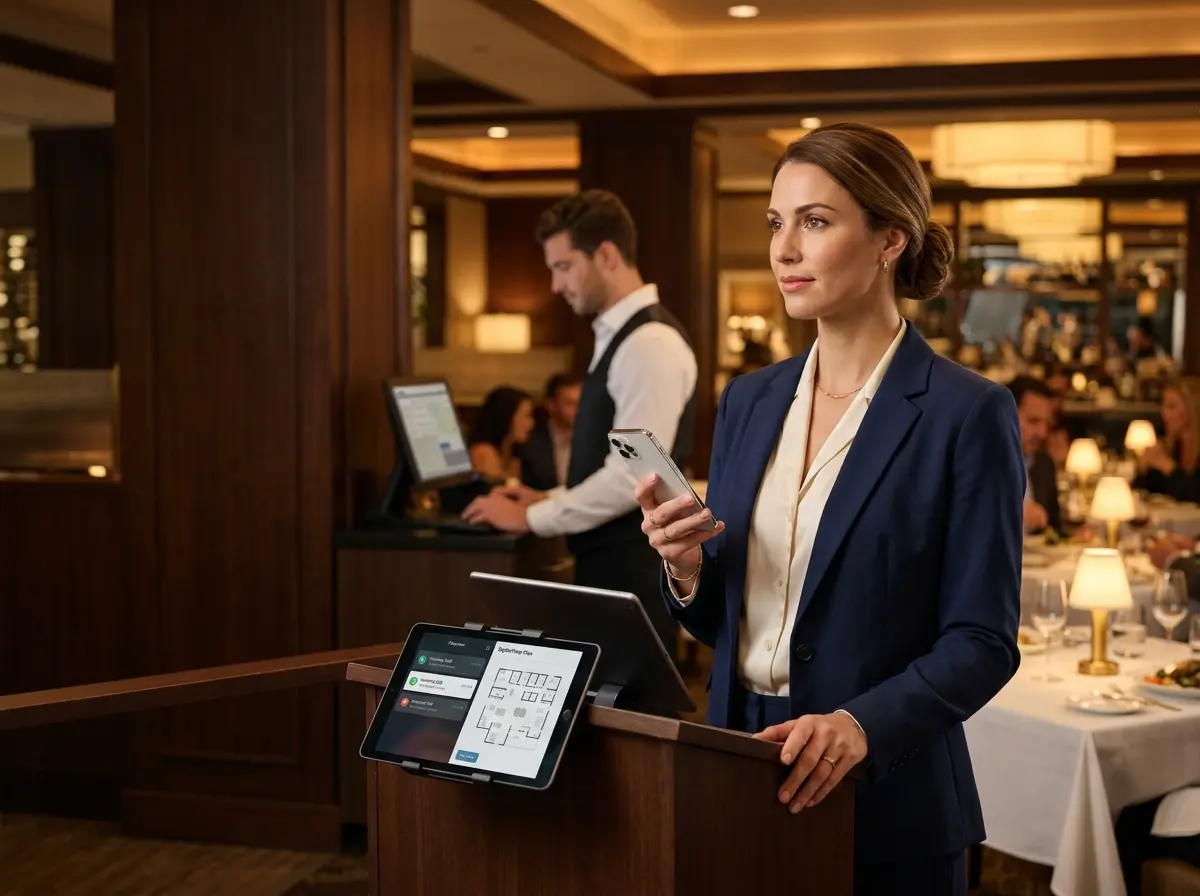
Picture this: it's a Friday evening, your dining room is packed, your kitchen is slammed, and your phone is ringing off the hook. Reservations, takeout orders, "what time do you close?" calls, a guy who wants to know if you have gluten-free options — and your poor host is trying to juggle all of it while simultaneously seating a party of eight. Sound familiar?
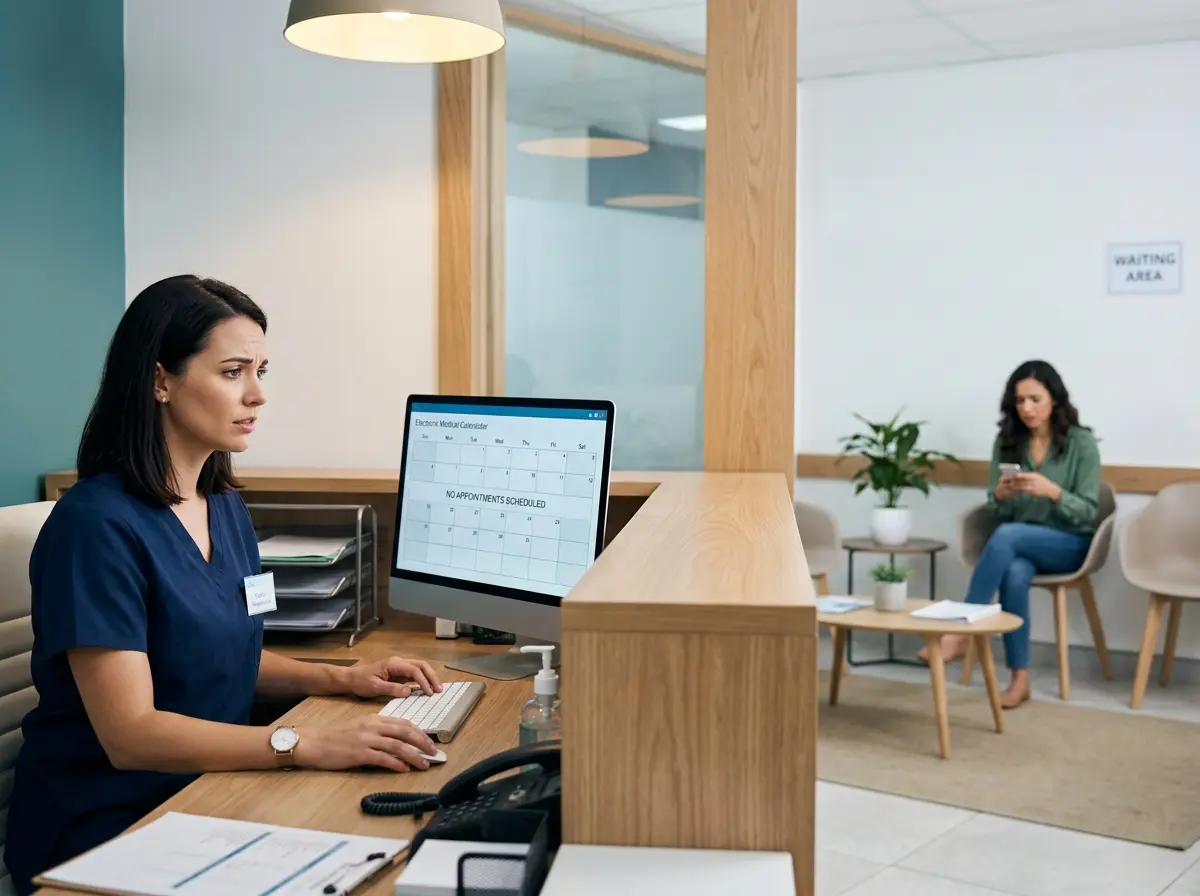
For busy restaurants, high call volume isn't a sign of failure — it's actually a sign that people want to reach you. The problem is that wanting to be reached and being equipped to handle it are two very different things. Missed calls mean missed orders. Missed orders mean missed revenue. And missed revenue means you're the one lying awake at 2 a.m. doing mental math you don't want to do.
The good news? There's a smarter way to handle it — and no, it doesn't involve hiring a dedicated receptionist who calls in sick every other Saturday.
The Real Cost of Missed Calls and Overwhelmed Staff
More Than Just an Inconvenience
It's easy to brush off a missed call or two as no big deal. But the numbers tell a different story. Studies suggest that 62% of calls to small businesses go unanswered, and most callers who can't reach you won't leave a voicemail — they'll just call your competitor down the street. For a restaurant where a single table reservation or catering inquiry could be worth hundreds of dollars, that's not a rounding error. That's a real, compounding revenue problem.
Beyond the lost business, there's the hidden cost of call interruptions on your existing team. Every time a server stops to answer the phone, a customer at the table gets ignored. Every time your manager fields a basic "do you have parking?" question, they're pulled away from something that actually requires their expertise. These micro-interruptions add up fast, degrading both service quality and staff morale over time.
The Staffing Band-Aid That Doesn't Stick
The instinct for most restaurant owners is to throw more people at the problem. Hire another host. Train someone specifically to handle phones during peak hours. It sounds reasonable until you factor in the cost of recruitment, onboarding, payroll, and — let's be honest — the very real possibility that your new hire will last three months before moving on. The restaurant industry's turnover rate consistently hovers around 70-75% annually, which means the phone problem often outlasts the people you hired to solve it.
Staffing is never a bad investment, but relying on humans alone to manage high call volume during dinner rush is like trying to bail out a boat with a coffee cup. You need a structural solution, not just more hands.
What Customers Actually Expect When They Call
Modern diners have options. They can order on an app, browse your menu online, and check your hours on Google — but many still pick up the phone because they want a direct, immediate answer. What they don't want is to be put on hold, talk to a flustered staff member who's clearly in the middle of something else, or get sent to a voicemail that nobody checks until Tuesday. First impressions matter, and how you handle phone interactions is very much part of your brand experience — whether you think of it that way or not.
How Technology Can Take the Phone Pressure Off Your Team
Let AI Handle What Doesn't Need a Human
The vast majority of restaurant phone calls fall into a predictable handful of categories: hours of operation, menu questions, reservation requests, directions, parking, dietary accommodations, and the occasional "do you have a private room?" inquiry. These are not complicated questions. They don't require judgment, empathy, or years of hospitality experience. They require accurate, prompt, friendly responses — which is exactly what an AI phone receptionist can deliver, around the clock, without ever needing a break.
Stella is an AI robot employee and phone receptionist built for exactly this kind of scenario. She answers calls 24/7, engages customers naturally with full knowledge of your menu, hours, specials, and policies, and can even handle upselling — mentioning tonight's special or a new menu item the way a great host naturally would. For restaurants with a physical location, she also stands inside your space as a human-sized kiosk, greeting walk-in customers proactively and answering questions so your staff can stay focused on what they're doing. Her built-in CRM and conversational intake forms make it easy to collect customer information during phone calls or in person, so no inquiry slips through the cracks. Meanwhile, calls that do require human attention get forwarded to your team based on the conditions you configure — so your staff only picks up when it actually makes sense for them to.
Practical Strategies for Managing High Call Volume in Restaurants
Optimize Your Call Routing for Peak Hours
Not all hours are equal. Your call volume during lunch and dinner rushes is a fundamentally different beast than a quiet Tuesday morning. Smart call management means setting up different behaviors for different times — auto-responses during peak hours, direct forwarding during slower periods, and clear escalation paths for urgent situations. The goal is to make sure every caller gets a useful, professional experience regardless of when they reach out, and that your staff isn't being pulled in six directions during the moments they can least afford the distraction.
Take the time to actually map your call patterns. When do calls spike? What are they usually about? This data will tell you exactly where friction is happening and where automation can step in most effectively.
Use Voicemail Strategically — Not as a Dumping Ground
Voicemail has a bad reputation in restaurants because it's often treated as a black hole. Calls go in, nobody listens, opportunities vanish. But a well-managed voicemail system with AI-generated summaries and instant push notifications changes that entirely. When a manager gets a real-time summary of a voicemail the moment it's left — rather than discovering a pile of messages at closing time — response times improve dramatically, and so does customer satisfaction.
The key is to treat every voicemail as a potential revenue event. A catering inquiry left at 10 p.m. on a Sunday is worth real money if someone follows up by Monday morning. It's worth nothing if it sits in a queue until Wednesday.
Train Your Team on When (and When Not) to Answer the Phone
This one sounds obvious, but it's frequently overlooked. Your staff should have clear, rehearsed protocols for phone interactions — including knowing which calls they should not try to handle mid-service. Empower your team to let automated systems do their job. If an AI receptionist is handling routine inquiries effectively, there's no need for a server to interrupt a table visit to answer a "what are your hours?" call. Clear guidelines here reduce stress, improve service, and create a more professional customer experience across the board.
Quick Reminder About Stella
Stella is an AI robot employee and phone receptionist that answers calls 24/7, greets in-store customers proactively, and handles routine inquiries so your staff doesn't have to. She runs on a straightforward $99/month subscription with no upfront hardware costs and is easy to set up — no technical degree required. For high-volume restaurants that need reliable, professional customer engagement without adding headcount, she's worth a very serious look.
Stop Letting Your Phone Work Against You
High call volume is a good problem to have — it means people want what you're serving. But good problems still need solutions, and the solution here isn't to hire faster, yell louder, or accept that missed calls are just part of the business. The restaurants that thrive long-term are the ones that build systems: smart, scalable systems that handle the predictable so their people can focus on the irreplaceable.
Here's where to start:
- Audit your current call volume. Track how many calls you're receiving, when they peak, and how many go unanswered or to voicemail.
- Identify your most common call types. Chances are, 70-80% of your calls are variations of the same five questions — and those are exactly what automation handles best.
- Implement a 24/7 phone answering solution so after-hours calls, weekend inquiries, and peak-hour overflow all get handled professionally without putting more pressure on your team.
- Set up real-time voicemail notifications so high-value inquiries get a follow-up within hours, not days.
- Review and refine regularly. Call management isn't a set-it-and-forget-it situation. Check your data, adjust your routing, and keep improving.
Your phone should be an asset, not a source of chaos. With the right systems in place, it absolutely can be — and your staff will thank you for it.