Introduction: The Customer Who's About to Ghost You
You know the feeling. A loyal customer who used to visit every week suddenly goes quiet. Their emails go unanswered, their appointments stop getting booked, and their seat at your metaphorical table sits conspicuously empty. You think, "Oh, they've probably just been busy." Spoiler alert: they haven't. They've been busy visiting your competitor.
Recognizing the Warning Signs Before It's Too Late
Declining Engagement and Visit Frequency
Complaints, Silence, and the Dangerous Middle Ground
Changes in Purchase Behavior
How Smart Tools Help You Catch At-Risk Customers Early
Let Technology Do the Heavy Lifting
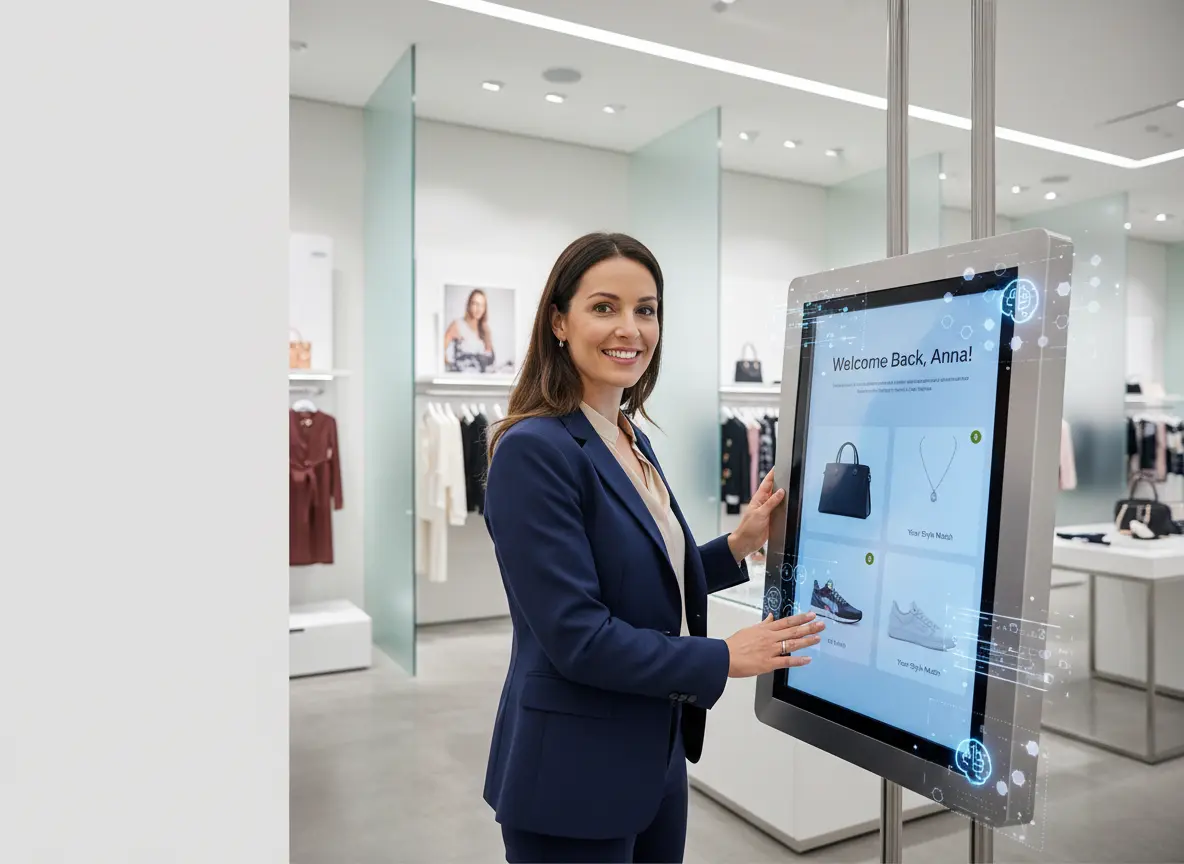
This is where a tool like Stella becomes genuinely useful. Stella is an AI robot employee and phone receptionist that doesn't just greet customers or answer calls — she actively builds a picture of your customer relationships over time. Her built-in CRM tracks customer contact information, interaction notes, AI-generated profiles, and custom tags, giving you a structured, searchable record of who your customers are and how they've been engaging with your business.
Stella also collects conversational intake data — whether a customer is calling in, stopping by your physical location, or interacting through your website. Every touchpoint she manages becomes data you can actually use. Over time, you start to see patterns: who's engaging, who's dropping off, and who might need a personal check-in from your team before they disappear entirely. That's retention intelligence, built right into your daily operations.
Winning Back At-Risk Customers: Strategies That Actually Work
The Personal Outreach Approach
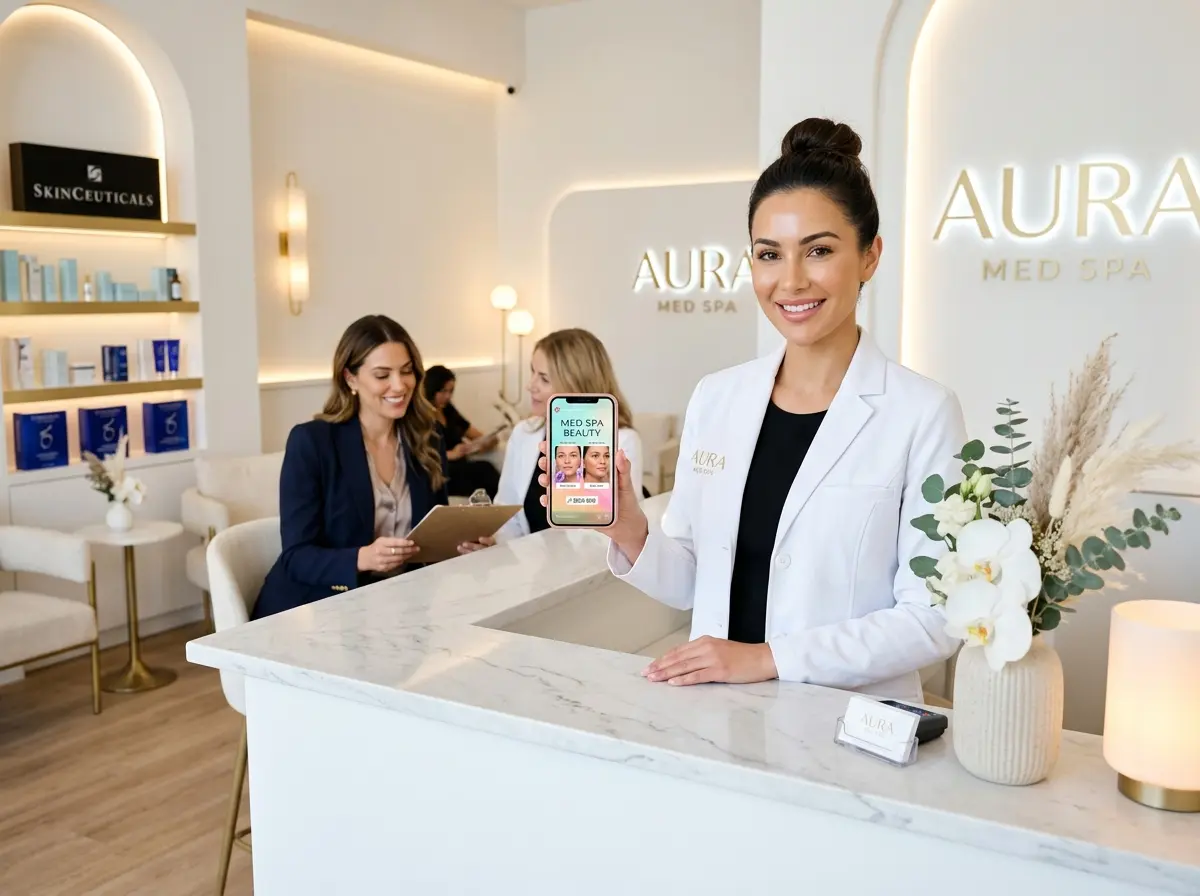
For example, a spa might reach out to a client who hasn't booked in three months and say: "Hi Sarah — we noticed it's been a while since your last facial, and we wanted to check in. We have a new treatment we think you'd love based on what you've mentioned before. Can we schedule a time for you?" That's personal. That's human. And it works because it doesn't feel like a form letter — because it isn't one.
Incentives: Use Them Wisely, Not Desperately
A well-timed incentive can absolutely be the thing that brings a customer back. A loyalty reward, a "we've missed you" discount, or early access to something new can tip the scales in your favor. The key word here is well-timed. If you immediately offer a discount every time someone disengages, you're training your customers to disengage strategically. Instead, reserve incentives for customers who are genuinely at-risk after you've already attempted a personal connection.
Address the Root Cause — Not Just the Symptom
Use what you know — from your CRM notes, past interactions, and any feedback they did provide — to hypothesize why they disengaged. Then address that specifically. If you made operational improvements since they left, tell them. Customers genuinely appreciate when a business demonstrates self-awareness and growth. It's disarming in the best way.
Quick Reminder About Stella
Stella is an AI robot employee and phone receptionist that works 24/7 — greeting customers at your physical location, answering calls, collecting customer information, and managing a built-in CRM — all for $99/month with no upfront hardware costs. She's always on, always professional, and never needs a coffee break. If you're serious about retaining customers, having consistent, attentive touchpoints at every interaction is a solid place to start.
Conclusion: Stop Losing the Customers You Already Earned
- Audit your current customer base. Look at who has gone quiet in the last 30, 60, and 90 days. Those are your at-risk segments.
- Define what "at-risk" looks like for your business. Set baseline engagement benchmarks and flag anyone falling below them.
- Build a simple re-engagement sequence. Personal outreach first, value-add second, incentive third — and always address the likely root cause.
- Invest in tools that track customer relationships automatically. Manual tracking doesn't scale. A CRM-backed system that logs every interaction gives you the visibility you need to act early.