Why Most Gym Memberships Leave Money on the Table
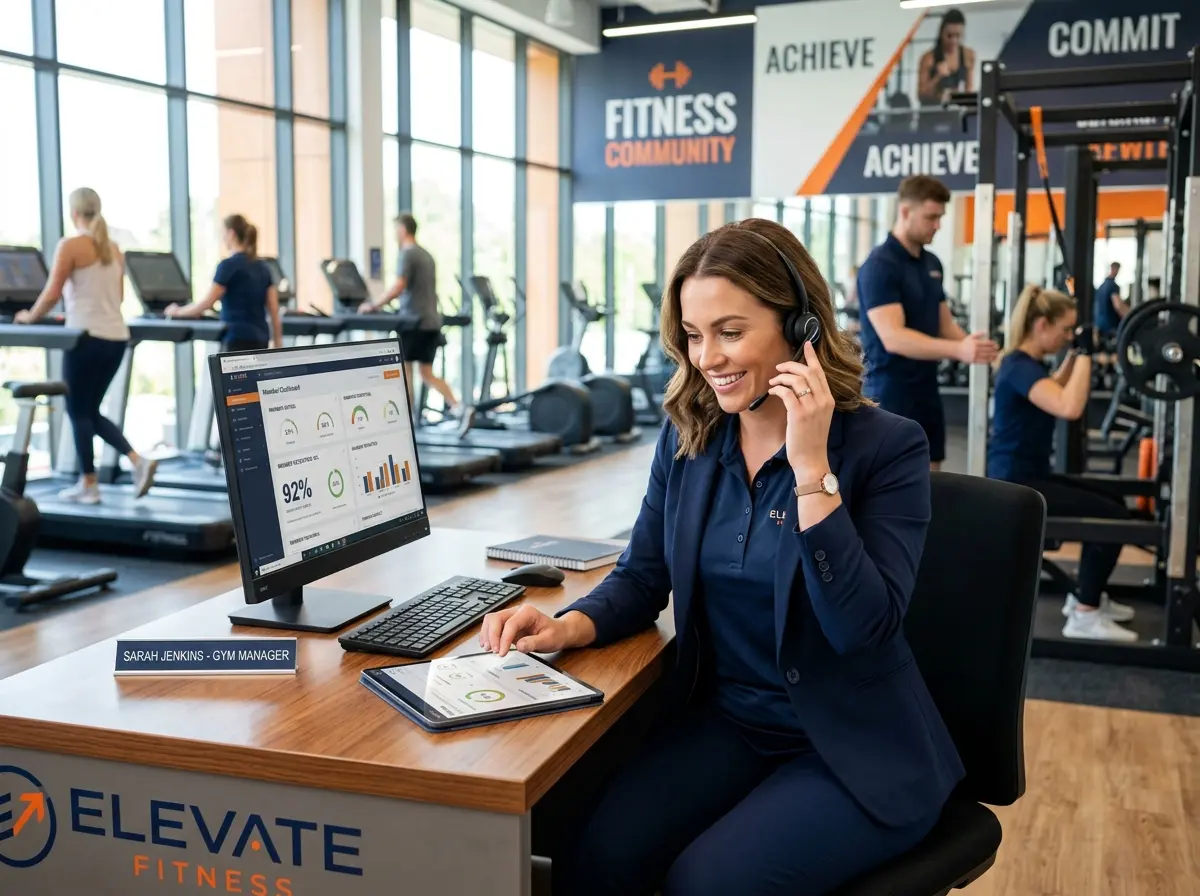
Picture this: A member walks up to your front desk, curiosity written all over their face, and asks, "So what's the difference between my current membership and the premium one?" Your front desk staff — bless their hearts — mumbles something about "extra classes" and "I think there's a tanning thing," and the member nods politely before walking away forever. Opportunity: missed. Revenue: left on the floor like a forgotten protein bar.
Here's the uncomfortable truth: most gyms lose thousands of dollars every month not because their premium memberships aren't valuable, but because their front desk teams simply don't know how to have the conversation. Upgrading a member isn't a pushy sales tactic — it's genuinely helping someone get more out of the investment they're already making. When it's done right, it feels less like a sales pitch and more like a helpful recommendation from a knowledgeable friend.
This guide is built specifically for gym owners and managers who want to give their front desk teams a real, repeatable framework for turning casual inquiries into premium upgrades — without the awkward, car-dealership energy that makes everyone uncomfortable.
Building the Foundation for Upgrade Conversations
Know Your Tiers Cold — So Your Team Does Too
Before your front desk team can sell anything, they need to know what they're selling. This sounds obvious, but you'd be amazed how often staff can rattle off the price of a premium membership without being able to clearly articulate why it's worth it. There's a meaningful difference between listing features and communicating value.
Start by creating a simple, one-page reference sheet that maps each membership tier to the specific lifestyle benefits it delivers. Don't write "access to group fitness classes" — write "unlimited access to 30+ weekly classes including spin, yoga, and HIIT so you never have to plan your week around availability." See the difference? One is a feature. The other is a life improvement. Train your team to speak in benefits, not bullet points.
Run monthly five-minute huddles where staff practice explaining each tier out loud to each other. Confidence in these conversations comes from repetition, not from reading a laminated card while the customer waits.
Identify the Right Moments to Bring It Up
Timing is everything. The upgrade conversation shouldn't feel like an ambush — it should feel like a natural extension of an already helpful interaction. There are a handful of golden moments where bringing up a premium tier makes complete sense:
- When a member asks about a class that's not included in their plan — this is practically a gift. They've already told you what they want.
- During the new member onboarding process — someone who just joined is excited and engaged. That energy is your friend.
- At renewal time — a member who's been around long enough to renew already trusts your gym. Trust makes upgrade conversations easier.
- When a member mentions a fitness goal that premium services directly support — personal training add-ons, nutrition coaching, recovery amenities. Listen for the cues.
The key is that your staff needs to be listening, not just checking people in. Every scan of a membership card is a micro-touchpoint. Make them count.
Script the Core Conversation Without Making It Sound Scripted
A good upgrade conversation follows a simple arc: acknowledge, connect, recommend, and make it easy to say yes. Here's a practical example your team can adapt:
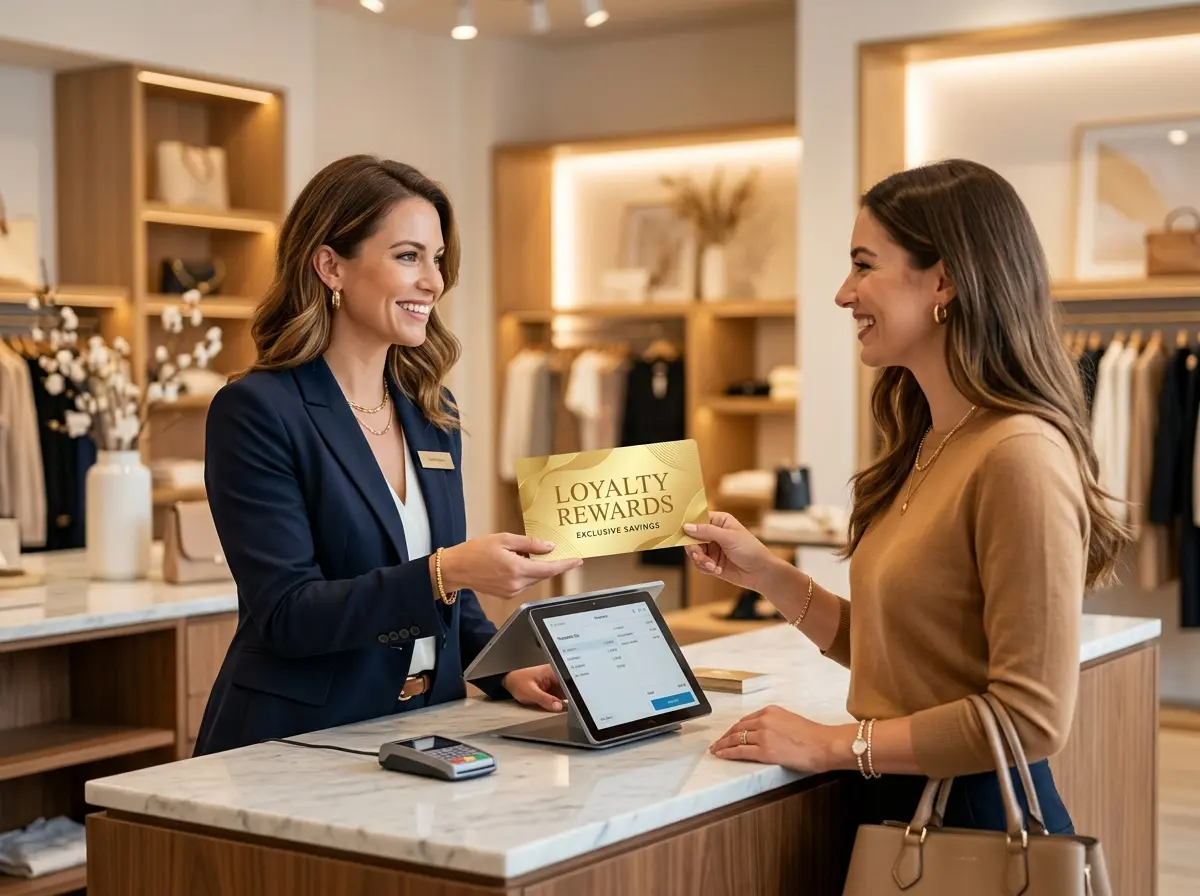
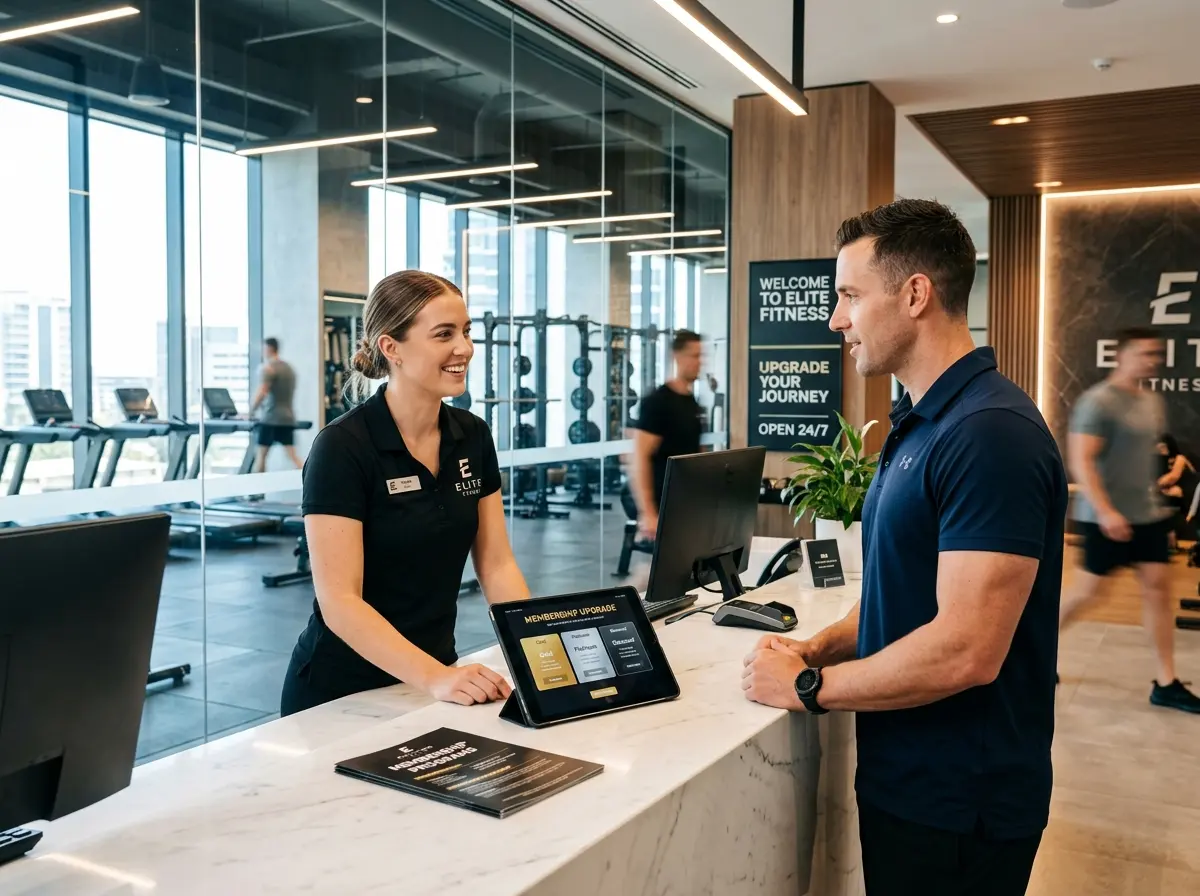
A member asks if they can join the Saturday morning spin class. Instead of just saying "that's a premium feature," a well-trained team member says: "That class is actually part of our Elite membership — which also includes unlimited guest passes and full spa access. A lot of our members who love group classes end up upgrading because it gives them so much more flexibility. Want me to show you the difference in pricing real quick?"
That's it. No pressure. No lecture. Just a confident, friendly nudge in the right direction. Roleplay this kind of exchange in your team training sessions until it feels natural, not rehearsed.
How Technology Can Support Your Team at the Front Desk
Let Automation Handle the Groundwork
Your front desk team is juggling a lot — check-ins, phone calls, member questions, package inquiries, the occasional treadmill complaint. Expecting them to perfectly execute upgrade conversations every single time while managing all of that is a tall order. That's where smart technology can pick up the slack.
Stella, the AI robot employee and phone receptionist, is built exactly for this kind of support. As a friendly, human-sized kiosk standing right inside your gym, Stella can proactively engage members as they walk in — greeting them by name, highlighting current promotions, and naturally surfacing premium membership details before your staff even has to say a word. She's essentially doing the warm-up lap so your team can close. On the phone side, Stella answers calls 24/7 with full knowledge of your membership tiers, current deals, and upgrade incentives — meaning a prospective member calling at 10pm to ask about pricing gets a complete, accurate, and engaging answer instead of a voicemail black hole. That's a conversation that might have been lost, now converted into a lead.
Handling Objections Like a Pro
The Price Objection Is Almost Never Really About Price
When a member says "that's a bit expensive," what they're usually saying is "I'm not convinced the extra cost is worth it for me." That's actually a great position to be in, because it's a problem you can solve with better information — not a discount.
Train your team to respond to price objections by anchoring the value in the member's own words. If someone mentioned earlier that they're trying to lose 20 pounds before summer, your team member can say: "Given what you mentioned about your goals, the personal training sessions included in the premium tier would actually get you there a lot faster — and those sessions alone would cost more than the upgrade if you bought them separately." You're not arguing about price. You're reframing the math. That's a much more effective approach than apologizing for the cost or immediately offering a discount.
"I'll Think About It" Doesn't Have to Be the End
The dreaded "I'll think about it" doesn't have to send your staff into a conversational dead end. There are two graceful ways to handle this response without being pushy. First, your team can offer a trial experience: "Totally fair — why don't we give you a complimentary week of premium access so you can see if it's a good fit before committing?" People who experience premium benefits are far more likely to pay for them. Second, make it easy to follow up by capturing their contact information and sending a friendly, low-pressure email or text within 24 hours with a clear summary of what they'd get.
According to industry data, gym members who engage with a follow-up touchpoint after an upgrade conversation are 40% more likely to convert than those who don't. That follow-up doesn't need to be fancy — it just needs to happen consistently.
Train for Confidence, Not Aggression
The single biggest factor in whether your team has effective upgrade conversations is confidence. Members can feel hesitation, and hesitation reads as a lack of conviction in the product. Confident recommendations — delivered with warmth and without desperation — are far more persuasive than any scripted sales technique.
Build this confidence through regular role-playing exercises, positive reinforcement when upgrades happen, and honest debriefs when they don't. Create a culture where your front desk team sees themselves as member advocates, not salespeople. When they genuinely believe that the premium membership is a better experience, selling it stops feeling like selling at all.
Quick Reminder About Stella
Stella is an AI robot employee and phone receptionist that greets customers in person at your location and answers calls around the clock — all for just $99/month with no upfront hardware costs. She can promote your membership tiers, answer questions about pricing and perks, and keep the conversation going even when your human team is tied up. For gym owners looking to close more upgrade conversations without burning out their staff, she's a genuinely useful addition to the front desk experience.
Turn Conversations Into Conversions — Starting This Week
Mastering the premium membership upgrade conversation isn't about transforming your front desk team into a high-pressure sales force. It's about making sure they have the knowledge, the language, and the confidence to genuinely help members get more out of their gym experience — while also growing your revenue in the process. Those two things aren't in conflict. In fact, they're the same thing.
Here's what you can do right now to move the needle:
- Audit your current training materials. Can your team articulate the lifestyle benefits of each membership tier — not just the features? If not, rewrite them this week.
- Run a roleplay session at your next staff meeting. Practice the acknowledge-connect-recommend framework until it feels natural for everyone on the team.
- Create a follow-up system for "I'll think about it" responses. Even a simple text or email template sent within 24 hours can meaningfully improve your conversion rate.
- Look at your front desk touchpoints holistically. Where are the gaps? Are after-hours callers getting full information about premium options? Are walk-ins being proactively engaged, or just checked in?
Your premium membership is only as valuable as your ability to communicate that value. With the right training, the right tools, and a team that genuinely believes in what they're recommending, upgrading members can become one of the most natural — and profitable — conversations happening in your gym every single day.