Introduction: Your Waiting Room Is Begging You to Do This
Let's be honest — most people don't think about their spine until it's screaming at them from the inside out. They sit hunched over laptops for nine hours, sleep on mattresses that belong in a dumpster, and assume that the persistent ache in their lower back is just "part of getting older." Then they Google "chiropractor near me" in a moment of desperation and hope for the best.
As a chiropractor, you know better. You know that spine health is preventative, not just reactive. And here's the beautiful irony: the people who need you most are the ones least likely to walk through your door — until something goes catastrophically wrong. So what do you do? You go to them. Not literally, of course (house calls are a different conversation), but through community education events that position you as the local expert, build genuine trust, and — yes — generate a steady stream of new patients who actually show up ready to commit to care.
Monthly spine health workshops are one of the most underutilized marketing strategies in chiropractic practice. They're affordable, repeatable, and remarkably effective when done right. This guide will walk you through building a workshop program that fills seats, earns trust, and converts attendees into long-term patients — without making anyone feel like they're sitting through a timeshare presentation.
Building a Workshop That People Actually Want to Attend
Choosing Topics That Speak to Real Pain Points
The fastest way to empty a room is to host a workshop called "All About Your Spine." Riveting. Instead, think about the specific pain points — pun absolutely intended — that your ideal patients experience daily. Topics like "Desk Job Survival: Fixing the Damage Your Office Chair Is Doing" or "Why Your Teenager's Backpack Is a Problem", or "Driving Long Hours? Here's What It's Doing to Your Lumbar Spine" speak directly to identifiable groups of people with recognizable problems.
Research shows that health education events increase patient acquisition by up to 30% for practices that run them consistently. The key word is consistently. Rotating your topics monthly keeps the content fresh, broadens your reach across different demographics, and gives attendees a reason to come back — or bring a friend who actually fits next month's topic better.
Choosing the Right Venue and Format
Your clinic is a perfectly acceptable venue, but don't overlook partnerships with local gyms, yoga studios, corporate offices, libraries, or community centers. These venues often have built-in audiences who are already health-conscious — or at least health-curious — and many will host you for free in exchange for providing value to their members or employees.
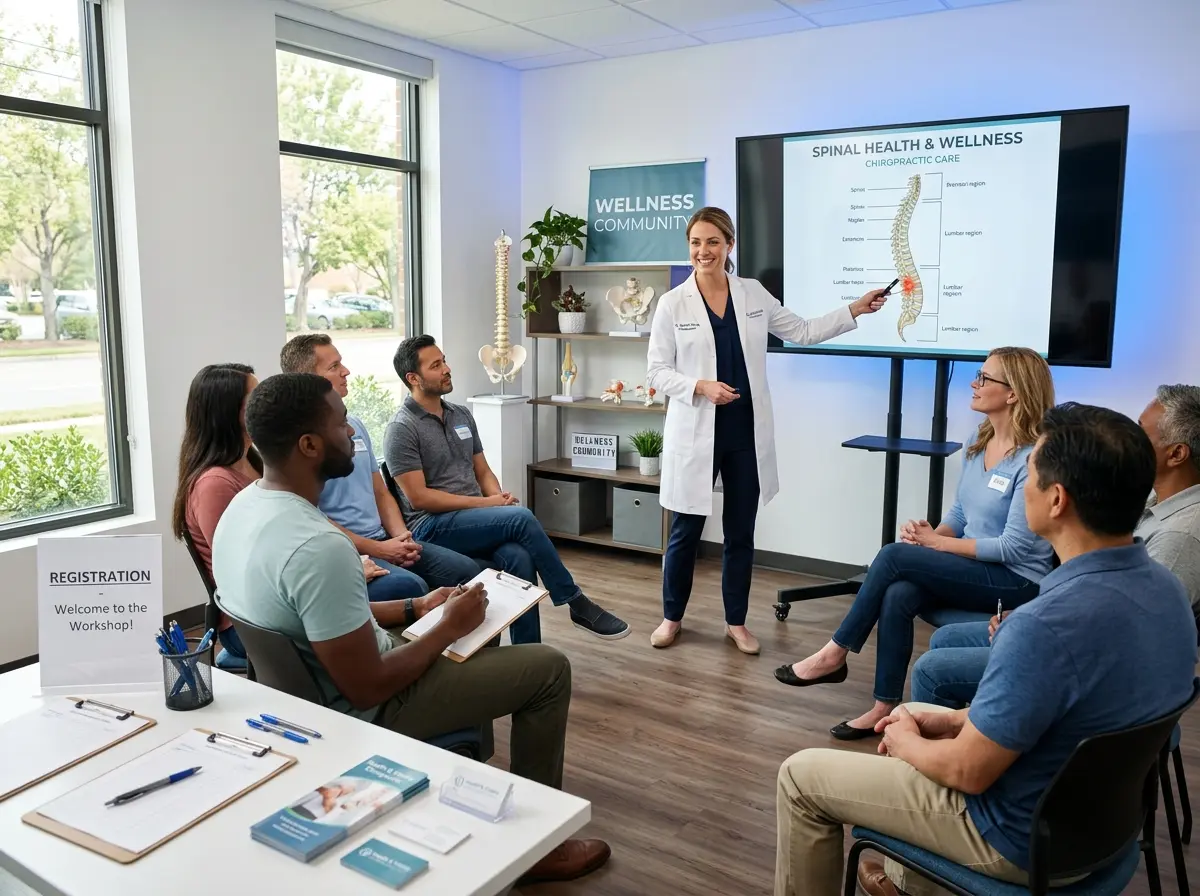
Aim for a 60-to-75-minute format: about 40 minutes of education, 10 minutes of live demonstration or postural assessment, and 15 minutes for Q&A. Keep it interactive. People learn better when they're not just being lectured at, and they trust you more when they can ask questions and get real answers. Offer a simple handout they can take home — something branded with your contact information — so your expertise travels with them long after they leave the room.
Promoting Your Workshop Without Boring Everyone to Death
Promotion is where many practitioners drop the ball. Posting once on Facebook three days before the event is not a marketing strategy — it's a prayer. Start promoting at least three weeks out across multiple channels: email, social media, local community boards, and in-office signage. Partner with local businesses to cross-promote; your neighboring gym may be delighted to mention your workshop in their newsletter if you're willing to do the same for them.
Require registration — even if it's free. Registration creates commitment and gives you a list of attendees to follow up with afterward. Use a simple online form or have your front desk collect names and contact info. That attendee list is gold, and you should treat it like it.
Streamlining Your Practice Operations Around Workshop Month
Handling the Surge in Inquiries Without Losing Your Mind
A successful workshop promotion campaign does something wonderful and slightly terrifying at the same time: it generates phone calls. Lots of them. People who saw your flyer at the yoga studio, people who got your email, people whose coworkers mentioned it — they all have questions, and they want answers during their lunch breaks or at 8 p.m. when your front desk is closed and your staff has gone home to live their lives.
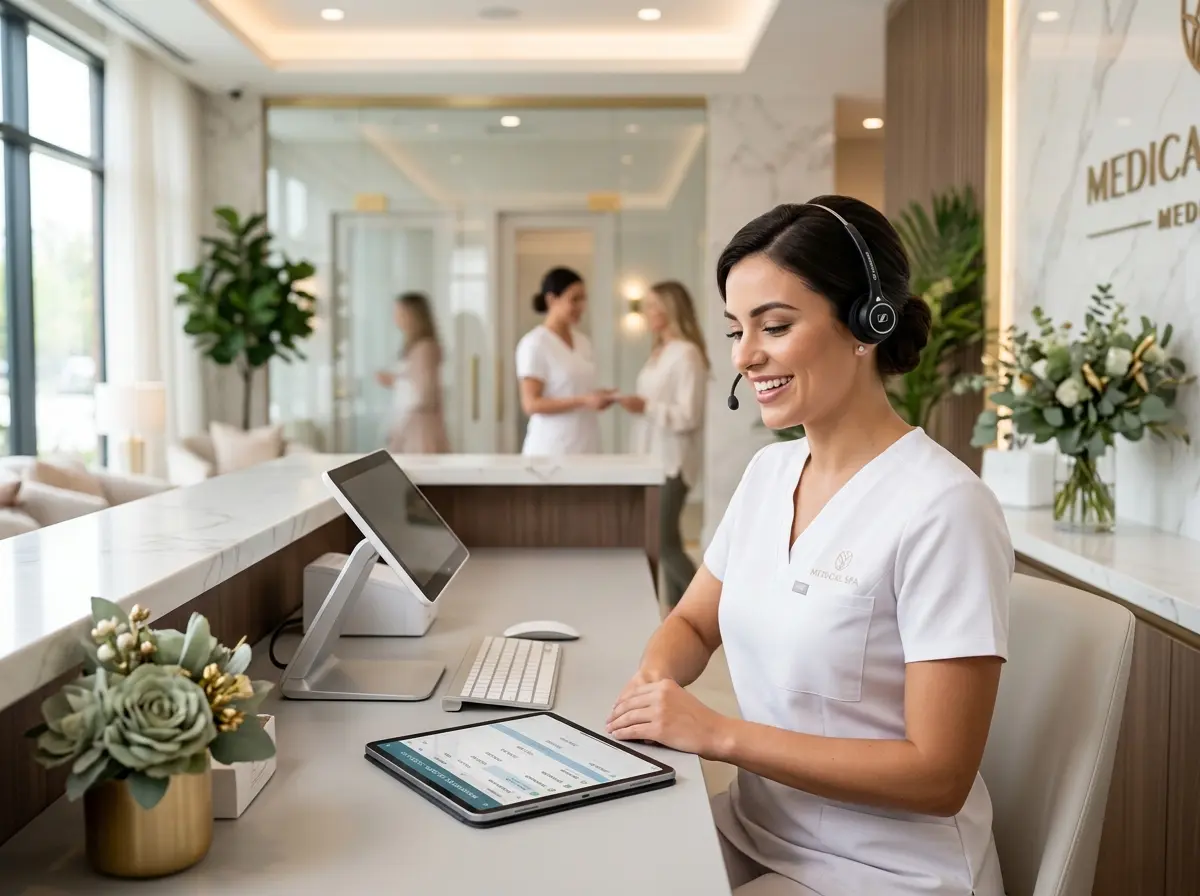
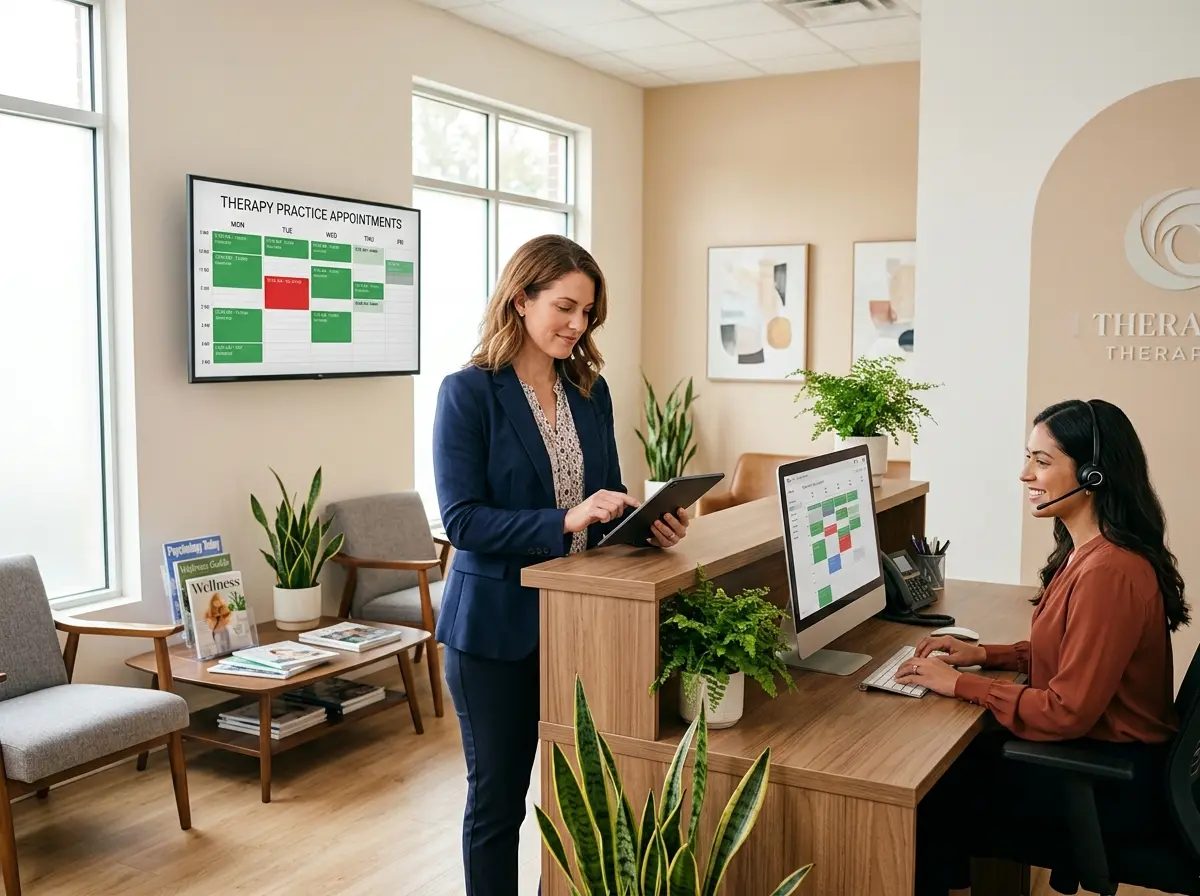
This is where Stella becomes a quietly brilliant asset for your practice. Stella is an AI robot employee and phone receptionist that answers calls 24/7 with the same knowledge your front desk uses during business hours. She can answer questions about the workshop — date, time, location, what to expect — collect registration information through conversational intake forms, and even follow up with leads, all without a single staff member having to stay late. For practices with a physical location, Stella also operates as an in-office kiosk, greeting walk-in patients and directing them toward your upcoming events and services. When workshop season creates a temporary wave of extra inquiries, Stella handles the overflow without complaint, without overtime, and without putting anyone on hold for twelve minutes.
Converting Workshop Attendees Into Committed Patients
The Follow-Up Is Everything
Here's where most practitioners leave money on the table: they host a fantastic workshop, attendees love it, everyone claps politely — and then nothing happens. No follow-up. No next step. Attendees drift away, the urgency fades, and that warm lead goes cold within 48 hours. Don't let this happen to you.
Within 24 hours of your workshop, send a personalized follow-up email to every attendee. Thank them for coming, include one or two key takeaways from the event, and offer a clear call to action — whether that's a complimentary initial consultation, a discounted first exam, or a simple "book your appointment" link. People are most receptive immediately after an experience that impressed them. Strike while the educational iron is hot.
Creating an Offer That Converts Without Feeling Desperate
Your post-workshop offer should feel like a natural next step, not a sales pitch. Frame it as an extension of the education they just received: "Now that you understand what's happening in your lumbar region, let's take a look at what's specifically happening in yours." A complimentary postural assessment or a discounted new-patient exam priced specifically for workshop attendees works beautifully here.
Consider creating a short, simple packet that each attendee receives at the event — something that includes a brief overview of your services, your new patient offer, and a few patient testimonials. Make it visually clean and professional. People judge credibility quickly, and a polished take-home piece signals that you take your practice as seriously as you take their health.
Building a 12-Month Workshop Calendar That Compounds Over Time
The real magic of a monthly workshop program isn't any single event — it's the cumulative effect. Each month, you're reaching a new pocket of the community. Some attendees come back. Some bring their spouse the second time. Some finally book an appointment after attending three workshops because they needed that long to build trust. That's fine. That's actually how trust works.
Plan your 12-month calendar in advance, mapping topics to seasons and demographics: back-to-school posture topics in August, holiday travel and spine stress in November, new year wellness goals in January. When your workshop program becomes a known fixture in the community — something people expect and look forward to — you've built something far more valuable than a single marketing campaign. You've built a reputation.
A Quick Reminder About Stella
Stella is an AI robot employee and phone receptionist that works 24/7 for just $99/month — no upfront hardware costs, no sick days, no learning curve. She greets patients at your front kiosk, answers phone calls after hours, collects intake information, and keeps your practice running professionally even when your human team is off the clock. For a chiropractic office running monthly workshops and managing a growing patient base, she's the kind of reliable, always-on support that makes scaling feel a lot less chaotic.
Conclusion: Stop Waiting for Patients to Find You
The chiropractors who build thriving, community-rooted practices aren't necessarily the ones with the biggest advertising budgets. They're the ones who show up — literally and figuratively — in their communities, teach people something genuinely useful, and earn trust before asking for anything in return. Monthly spine health workshops are a proven, practical, and surprisingly affordable way to do exactly that.
Here's your action plan to get started:
- Choose your first workshop topic based on the most common complaint you hear from new patients.
- Identify two or three potential venues in your community and reach out this week.
- Set up a registration system — even a basic online form — so you can capture attendee information from day one.
- Plan your follow-up sequence before the event happens, not after.
- Draft your 12-month topic calendar so you're committed to the long game, not just one test run.
Your future patients are out there right now, sitting at their desks in terrible posture, convinced that what they're feeling is just normal. Go educate them. They'll thank you for it — probably after their third adjustment, when they realize how much better life feels when their spine is actually happy.