So, Where Did All Your Customers Go?
You did the work. You delivered the service. The customer smiled, said "see you next time," and then... vanished into the void. No follow-up. No rebooking. No return visit. Just the ghost of a good transaction haunting your revenue forecasts.
Here's a sobering stat for you: acquiring a new customer costs five to seven times more than retaining an existing one. Yet most service businesses spend the bulk of their marketing budget chasing strangers while letting perfectly good past customers quietly slip away. It's like bailing water out of a sinking boat while refusing to look at the hole.
The good news? Those lapsed customers aren't gone forever. They already know you, they already trust you (at least somewhat), and they're far more likely to respond to an outreach than a cold prospect who's never heard of you. You just need to reach them with the right message at the right time — and not sound like a desperate ex in the process. That's where a well-crafted customer winback email comes in.
Understanding the Lapsed Customer Before You Hit Send
Why Customers Go Quiet (It's Probably Not What You Think)
Before you assume your customers left because your competitor offered a better deal or because your service wasn't up to par, consider the most common reason people stop returning to a service business: they simply forgot about you. Life gets busy. People move, change routines, go through seasons of tightening budgets, or just get distracted by the next shiny thing. It's rarely personal, and it's rarely permanent.
Other common culprits include a lack of follow-up (guilty?), no sense of urgency to return, or a single friction-filled experience that never got addressed. Understanding why a customer went quiet helps you craft a message that actually speaks to their situation rather than firing off a generic "We miss you!" email that gets filed directly into the trash folder alongside every other "We miss you!" email they receive.
Segmenting Your Lapsed Customers Like a Pro
Not all lapsed customers are created equal, and your winback strategy should reflect that. A customer who visited once six months ago is very different from a loyal regular who suddenly dropped off after two years. Segmenting your list before you write a single word of copy is one of the highest-leverage things you can do.
Consider breaking your lapsed customers into at least three buckets:
- Recently lapsed (1–3 months): These folks just need a gentle nudge. A simple check-in with a small incentive usually does the trick.
- Moderately lapsed (3–9 months): They may have forgotten you exist. Lead with value, remind them what makes you great, and sweeten the offer a bit.
- Long-lapsed (9+ months): You're essentially starting fresh here. Be warm, be direct, and make the offer genuinely compelling — or accept that some customers have simply moved on.
Tailoring your message by segment dramatically improves open rates, click-through rates, and actual bookings. A one-size-fits-all approach is the email marketing equivalent of giving everyone the same haircut. Efficient, sure. Effective? Rarely.
Keeping Up With Customers — And How Technology Can Help
You Can't Winback Customers You've Lost Track Of
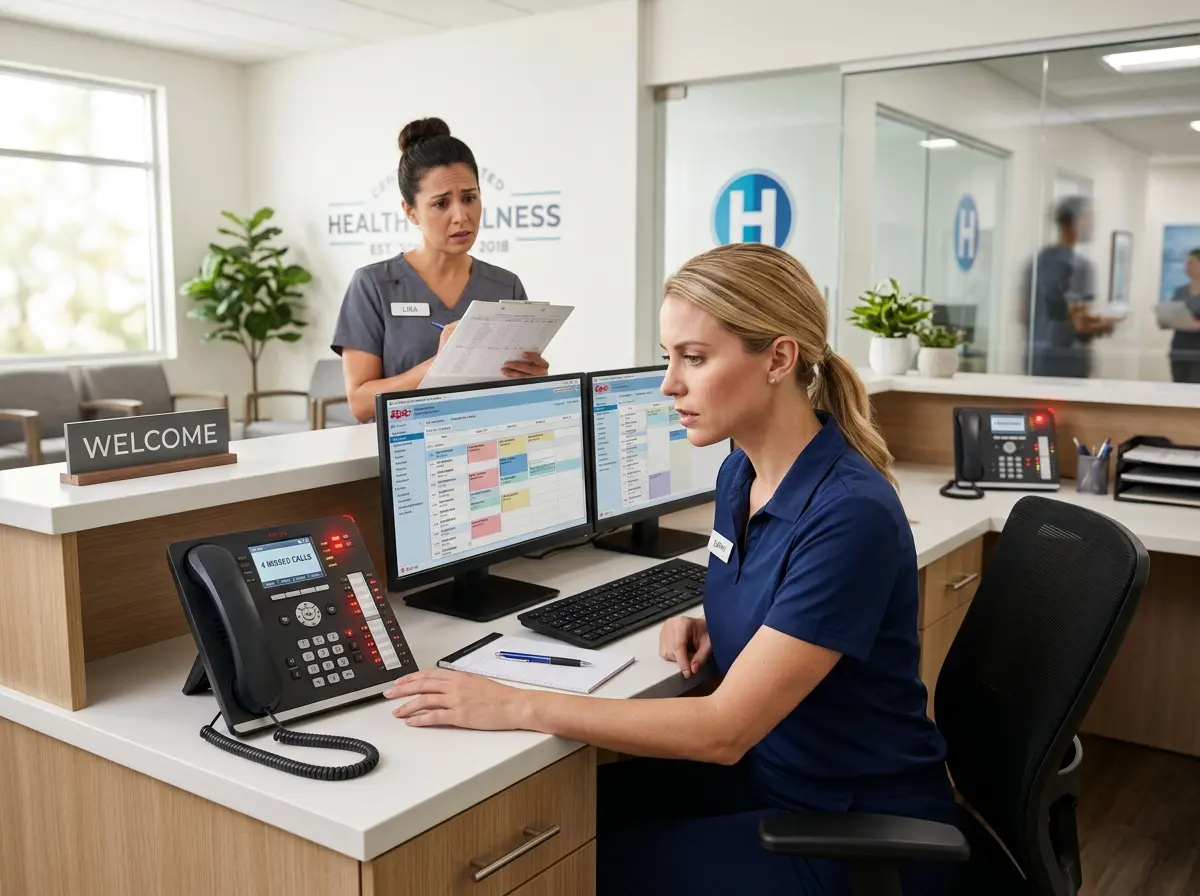
Here's the uncomfortable truth: many service businesses struggle with winback campaigns not because they don't care, but because their customer data is a mess. Names in a spreadsheet, phone numbers scribbled on paper, appointment histories buried in some booking software that doesn't talk to anything else. You can't run a meaningful re-engagement campaign if you don't have a clear picture of who your customers are, when they last visited, or what they purchased.
This is where Stella, the AI robot employee and phone receptionist, quietly earns her keep. Stella doesn't just greet walk-in customers at your front door and answer every phone call you'd otherwise miss — she also builds and maintains a built-in CRM with customer profiles, custom fields, tags, and AI-generated notes from every interaction. When a customer calls in, Stella captures their information through conversational intake forms and logs it automatically. Over time, you build a rich, organized contact list that makes segmentation and winback campaigns not just possible, but easy. No more mystery spreadsheets. No more "I think her name was Karen, or maybe Karen?" moments.
Writing the Winback Email That Actually Gets Read
The Subject Line Is the Battle
If your email doesn't get opened, nothing else matters. Your subject line is doing the heavy lifting here, and "We miss you" — while technically fine — is one of the most overused phrases in the history of email marketing. You can do better.
The best winback subject lines do one of three things: spark curiosity, lead with a specific offer, or acknowledge the gap with a touch of personality. For example, a salon might try "It's been a while — here's something just for you" rather than the dreary standard. A gym might go with "Your membership is gathering dust (let's fix that)". An auto shop could use "Your car called. It misses us." A little personality goes a long way — just make sure it fits your brand voice and doesn't veer into cringe territory.
The Body Copy: Short, Warm, and Specific
Once someone opens your email, you have about eight seconds before they decide whether to keep reading or bail. Keep your body copy concise, warm, and specific to their history with you where possible. Generic is forgettable. Personal is powerful.
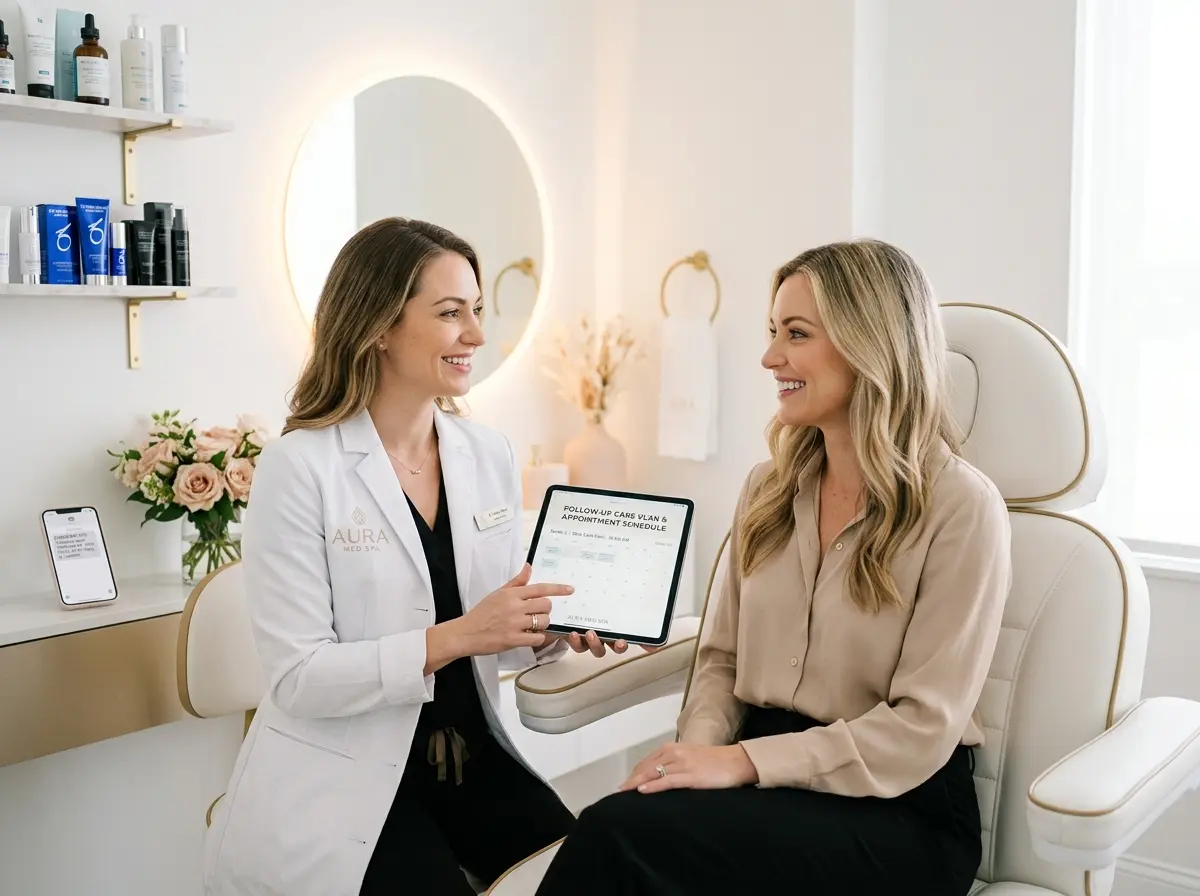
A strong winback email body typically follows this structure: a warm, human opener that acknowledges the time gap without guilt-tripping, a brief reminder of the value you provide (not a list of features — an emotional reason to come back), and a clear, low-friction call to action. That last part is critical. "Book Now" with a direct link beats "Come visit us sometime" every single time. Make it easy. Remove every possible reason for hesitation.
If you can include a time-limited incentive — a discount, a free add-on service, a complimentary upgrade — even better. Urgency is a powerful motivator as long as it's genuine and not manufactured fake-countdown-timer urgency, which customers can smell from a mile away.
The Follow-Up Sequence (Yes, You Need One)
One email is rarely enough. The sweet spot for a winback sequence is usually two to three emails sent over two to three weeks. Your first email plants the seed. Your second, sent about a week later to non-openers or non-clickers, can take a slightly different angle — maybe emphasizing the offer deadline, sharing a testimonial, or adding a personal note from the owner. Your third and final email is the breakup email: "We understand if life has gotten busy — but this is your last chance to take advantage of this offer." Breakup emails have surprisingly strong conversion rates because they create a genuine sense of finality.
After your sequence runs, resist the urge to keep emailing non-responders indefinitely. Respect the signal. Remove persistent non-responders from your active marketing list to protect your sender reputation and focus your energy on people who actually want to hear from you.
Quick Reminder About Stella
Stella is an AI robot employee and phone receptionist that works for your business around the clock — greeting customers at your physical location, answering every phone call with consistent professionalism, promoting your offers, collecting customer information, and managing it all inside a built-in CRM. She runs on a simple $99/month subscription with no upfront hardware costs, and she never calls in sick, asks for a raise, or accidentally puts a customer on hold for eleven minutes.
Putting It All Together: Your Winback Action Plan
Customer winback campaigns are one of the highest-ROI marketing activities available to service businesses, and yet most owners either never run them or run them poorly. The gap between a mediocre winback email and an effective one isn't talent or budget — it's intention and structure.
Here's your action plan to get started this week:
- Audit your customer data. Pull your contact list and identify customers who haven't returned in 90+ days. Segment them by recency.
- Write three emails per segment. Opener, follow-up, and the breakup. Keep each one short, warm, and specific.
- Include a real offer with a real deadline. Give people a reason to act now, not "someday."
- Make the call to action dead simple. One button. One link. One thing to do.
- Track the results and refine. Open rates, click rates, and actual bookings will tell you what's working and what needs adjusting.
Your lapsed customers chose you once. With the right message and the right timing, many of them will choose you again. All you have to do is ask — and maybe not sound like a mass-produced email robot while you do it.
Now go get your customers back.