Welcome to the Era Where Your Store Exists Everywhere at Once
Remember when having a website was considered "going digital"? Congratulations — that bar has moved significantly. Today's customers don't just want to visit your store or browse your site. They want both, simultaneously, woven together so seamlessly that they can't tell where one ends and the other begins. Welcome to the world of phygital retail — where the physical and digital aren't competing channels but two halves of the same customer experience.
If you're a business owner who still thinks of your brick-and-mortar location and your online presence as separate entities, this post is your gentle (but direct) wake-up call. Customers have already moved on. They research online before walking in, they expect in-store staff to know their online purchase history, and they'll leave a glowing review on their phone before they've even made it back to the parking lot. The question isn't whether to blend your physical and digital worlds — it's how quickly you can do it without losing your mind in the process.
The good news? You don't need a Silicon Valley budget or an army of developers. You need a strategy, a few smart tools, and the willingness to meet your customers where they already are.
Understanding the Phygital Shift and Why It Matters
What "Phygital" Actually Means for Your Business
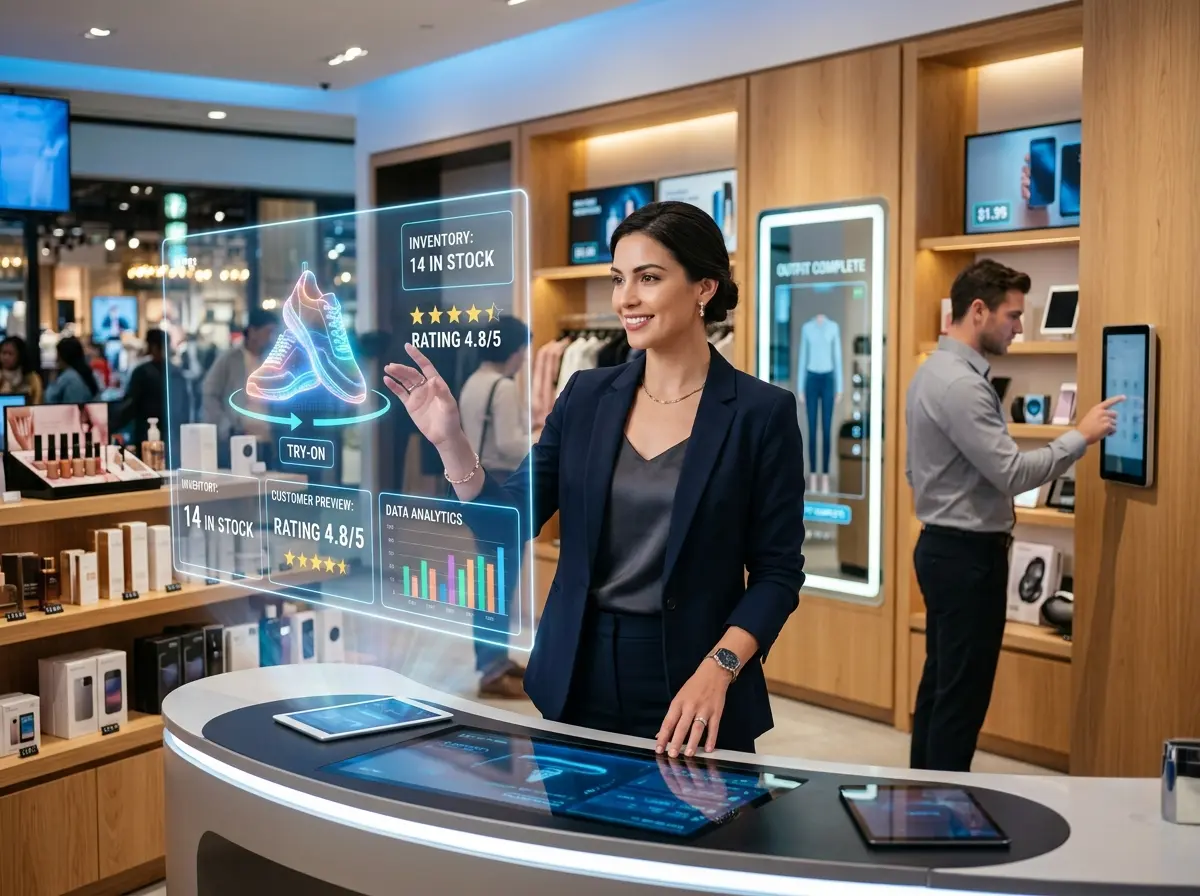
The term "phygital" has been floating around marketing circles for years, but it's finally moved from buzzword to business imperative. At its core, phygital retail is about creating a unified experience that leverages the best of both worlds: the tactile, personal, trust-building nature of in-person interaction and the convenience, data richness, and always-on availability of digital channels.
Think about what your customers actually do. According to Google, over 60% of shoppers research products online before buying them in a physical store. Meanwhile, many in-store experiences are influencing online purchases and vice versa. The customer journey is no longer a straight line — it's a loop, and your business needs to be present at every bend.
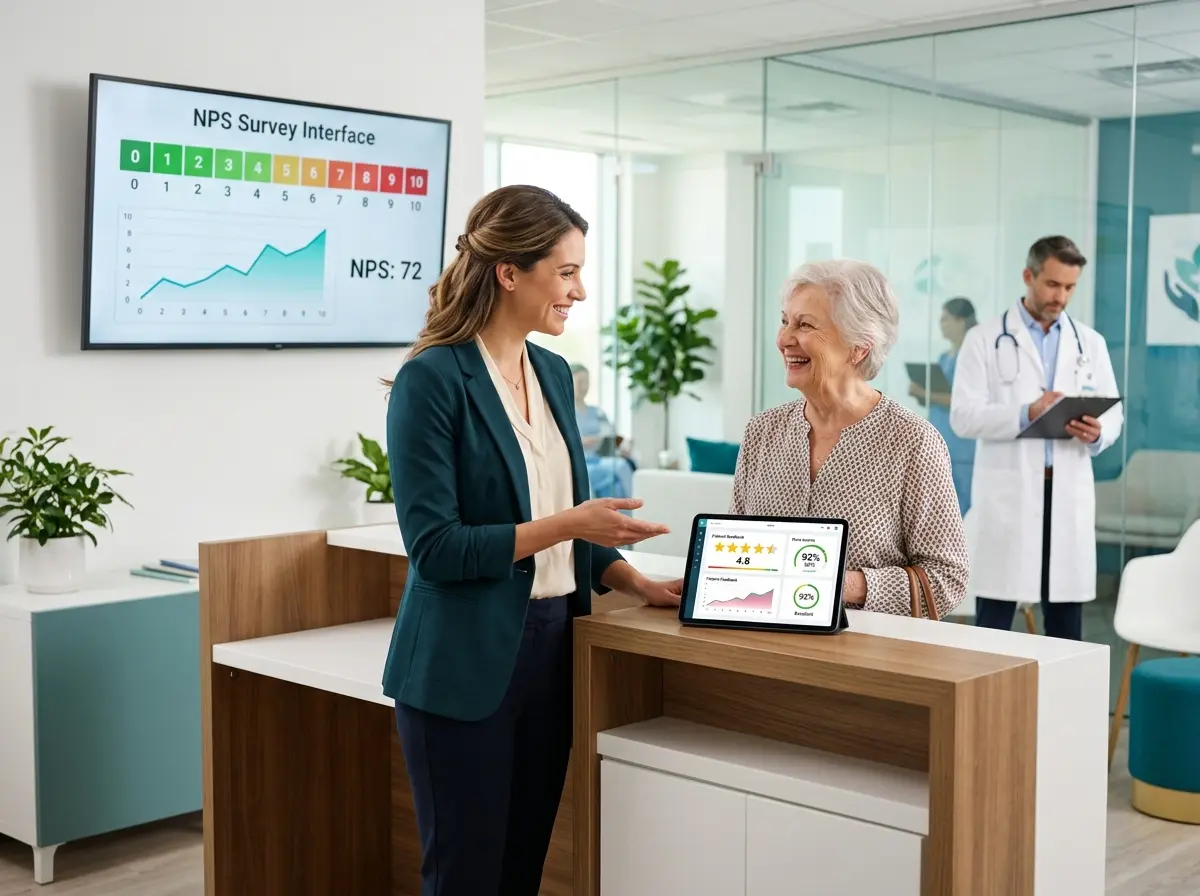
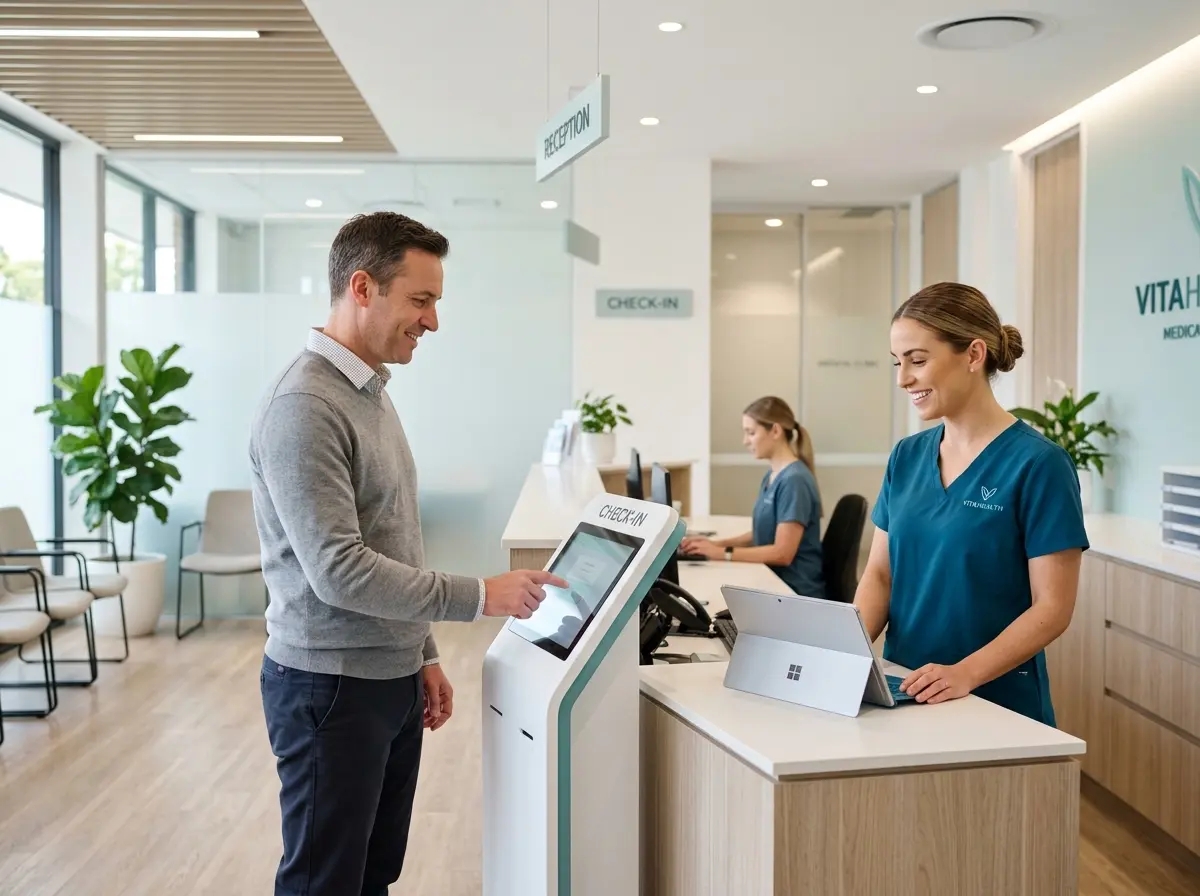
For a small retail boutique, this might mean syncing your in-store inventory with your website so customers can check availability before driving over. For a restaurant, it could mean offering online ordering that mirrors the warmth of your dining room experience. For a law firm or medical office, it's about making your digital intake process feel just as professional and reassuring as walking through your front door.
The Cost of Staying in Separate Lanes
Here's the uncomfortable truth: businesses that treat their physical and digital presences as separate operations are essentially running two businesses — poorly. Staff who don't know what promotions are running online. Websites that don't reflect current in-store pricing. Phone lines that ring endlessly because everyone's busy helping walk-ins. These aren't just inconveniences; they're revenue leaks.
A customer who can't get a quick answer by phone doesn't patiently wait — they Google your competitor. A shopper who sees a promo on your Instagram but can't find it in-store doesn't just feel confused — they feel deceived. Consistency across channels isn't a nice-to-have; it's the baseline expectation your customers already have, whether or not they'd articulate it that way.
The Tools and Tactics That Make Phygital Work
Start with a Seamless In-Store-to-Online Bridge
The most practical place to start is ensuring that whatever happens in your physical space has a digital echo — and vice versa. This doesn't require tearing everything down and rebuilding from scratch. Consider these foundational moves:
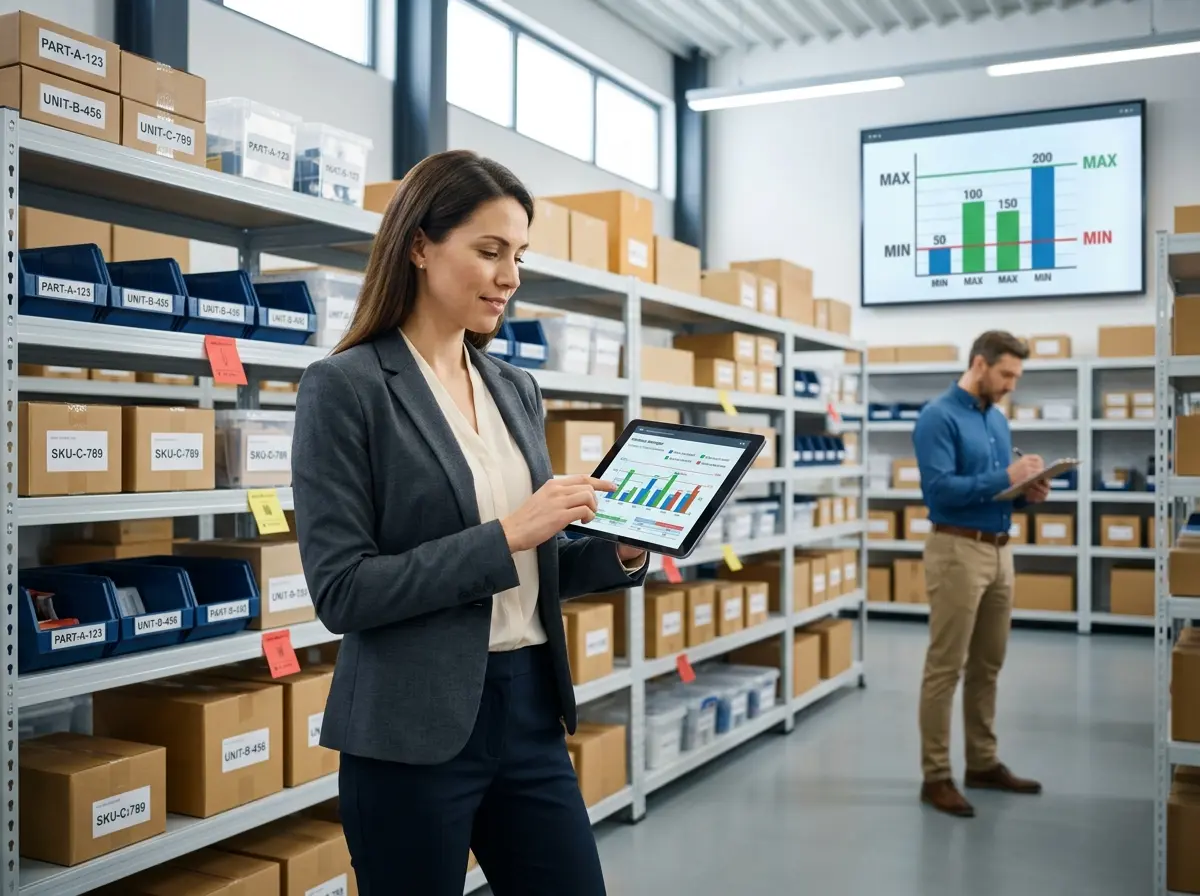
- Unified inventory management: Use a point-of-sale system that syncs with your online store in real time. Nobody wants to drive across town for a product that sold out two hours ago.
- Digital loyalty programs: Replace the paper punch card (rest in peace) with an app or SMS-based loyalty program that works whether a customer buys in-store or online.
- QR codes in-store: Link to product reviews, extended specifications, video demos, or exclusive online-only bundles. Let your physical space do double duty as a digital portal.
- Consistent branding and promotions: Whatever deal is live on your website or social channels should be honored — and known — in your physical location. Brief your staff daily if needed.
The goal is to make every customer feel like they're interacting with one cohesive business, not a patchwork of departments that occasionally communicate with each other.
Train Your Team to Think Omnichannel
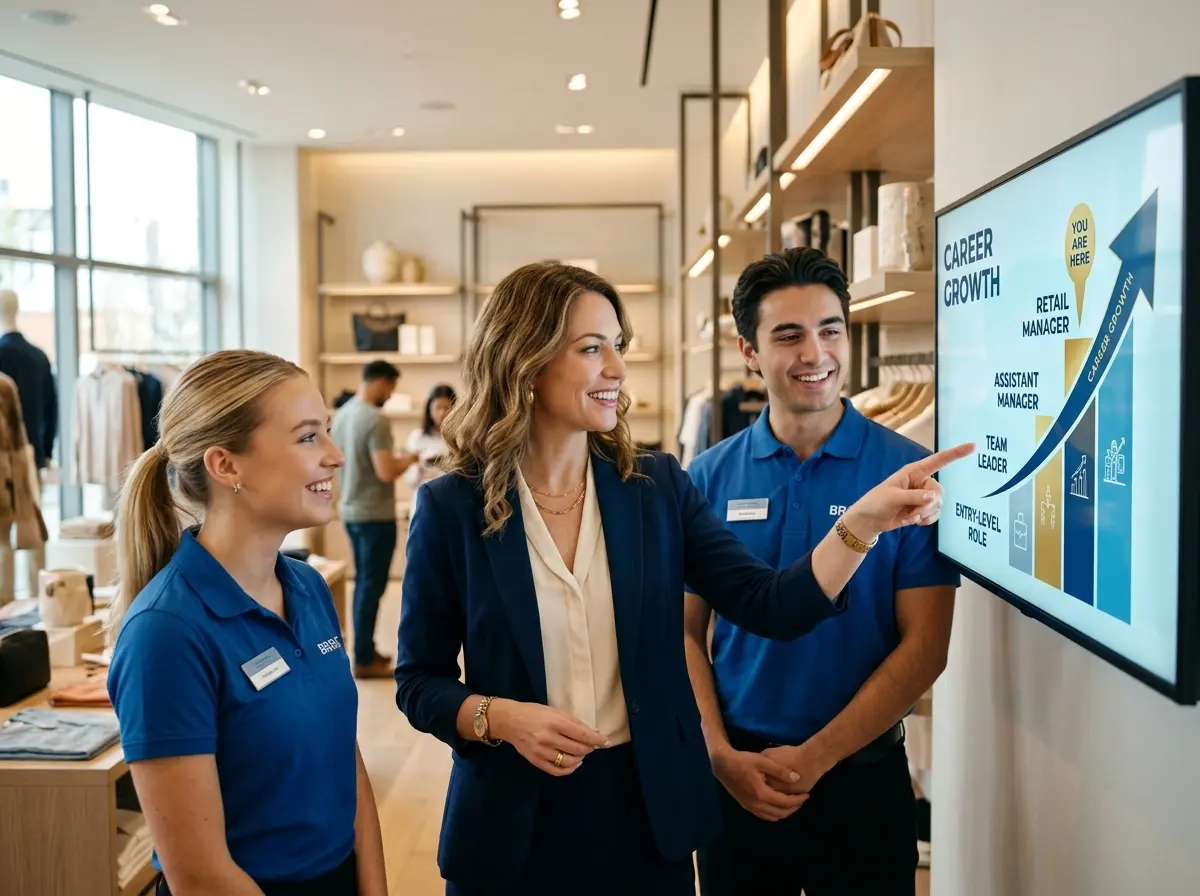
Technology only gets you so far. Your staff — whether you have two employees or twenty — need to understand that every customer interaction is part of a bigger journey. A customer asking about a product in-store might have already read your FAQ page and watched your tutorial video. Starting from scratch with them is a waste of everyone's time.
Equip your team with access to customer history, purchase data, and active promotions. Empower them to reference online resources in real time. And critically, train them to collect customer information consistently — email addresses, phone numbers, preferences — so your digital marketing can follow up after the in-person experience ends. The sale doesn't stop when someone walks out the door.
Where Smart Technology Fills the Gaps
Letting AI Handle the Always-On Parts of Your Business
Here's one of the biggest practical challenges with phygital retail: customers expect availability around the clock, but your staff are (understandably) only human. Someone calling at 8:47 PM to ask about your hours, current promotions, or whether you carry a specific product shouldn't get voicemail — they should get answers. This is exactly where AI-powered tools stop being a novelty and start being a necessity.
Stella is an AI robot employee and phone receptionist designed precisely for this gap. For businesses with a physical location, she stands inside your store as a human-sized kiosk, greeting customers proactively, answering questions about products and services, highlighting current deals, and even upselling and cross-selling — consistently and without needing a coffee break. On the phone side, Stella answers calls 24/7 with the same business knowledge she uses in person, forwards calls to your team when needed, and takes AI-summarized voicemails with push notifications to managers. She also collects customer information through conversational intake forms and manages contacts through a built-in CRM — meaning your phygital data loop actually closes, instead of just being a nice idea on a whiteboard.
Building Long-Term Customer Relationships Across Channels
Data Is the Currency — Use It Wisely
One of the most powerful advantages of a phygital strategy is the data it generates. Every in-store interaction, every phone call, every online click is a signal about what your customers want, when they want it, and how they prefer to be communicated with. The businesses that win in the next decade will be the ones that actually use this data — not just collect it and let it sit in a spreadsheet somewhere gathering digital dust.
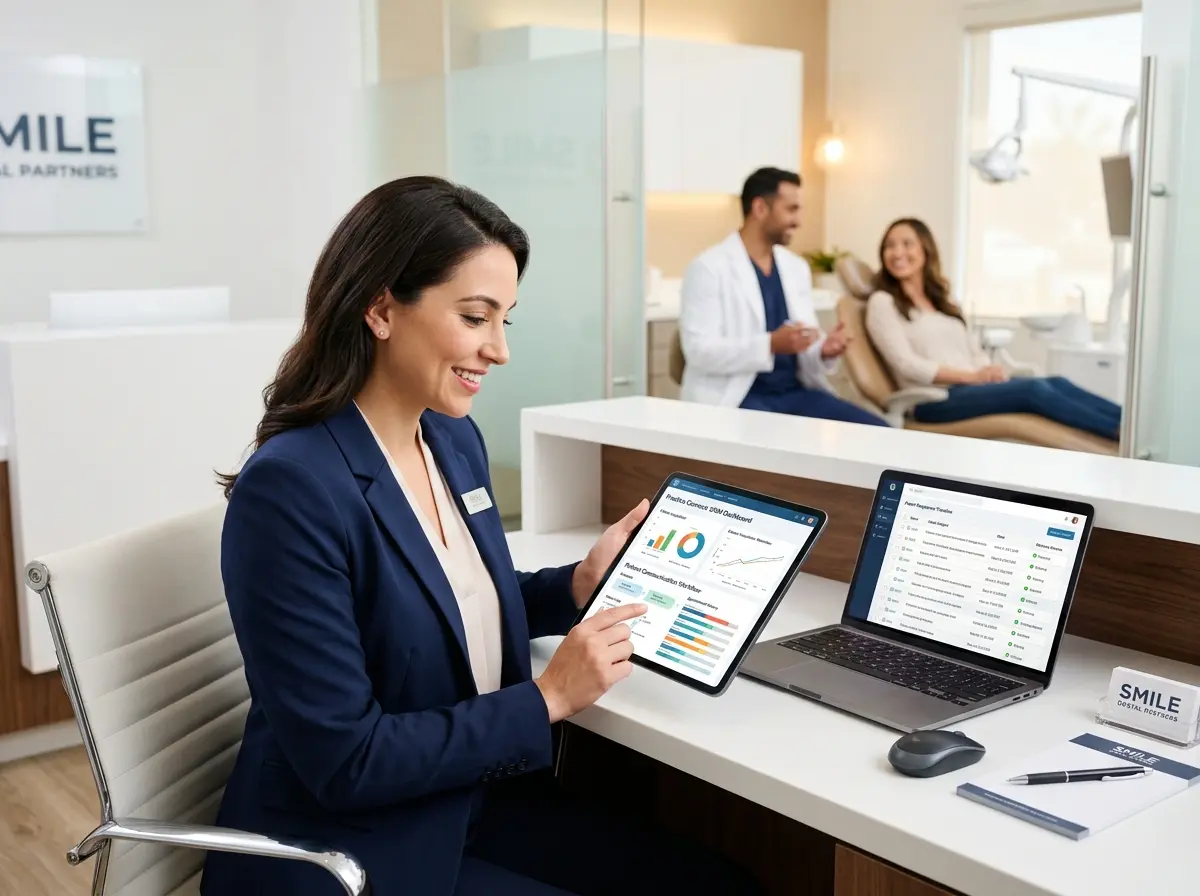
Start by ensuring you have a single source of truth for customer information. A CRM (Customer Relationship Management system) that captures contacts from your website, your phone calls, and your in-store interactions gives you a complete picture of each customer. From there, you can personalize your follow-up emails, tailor your promotions, and anticipate needs before the customer even realizes they have them. That's not creepy — that's good service.
Creating Moments That Make People Talk
Phygital isn't just about efficiency — it's about creating genuinely memorable experiences that blend the digital and physical in unexpected, delightful ways. Consider what this could look like in your industry:
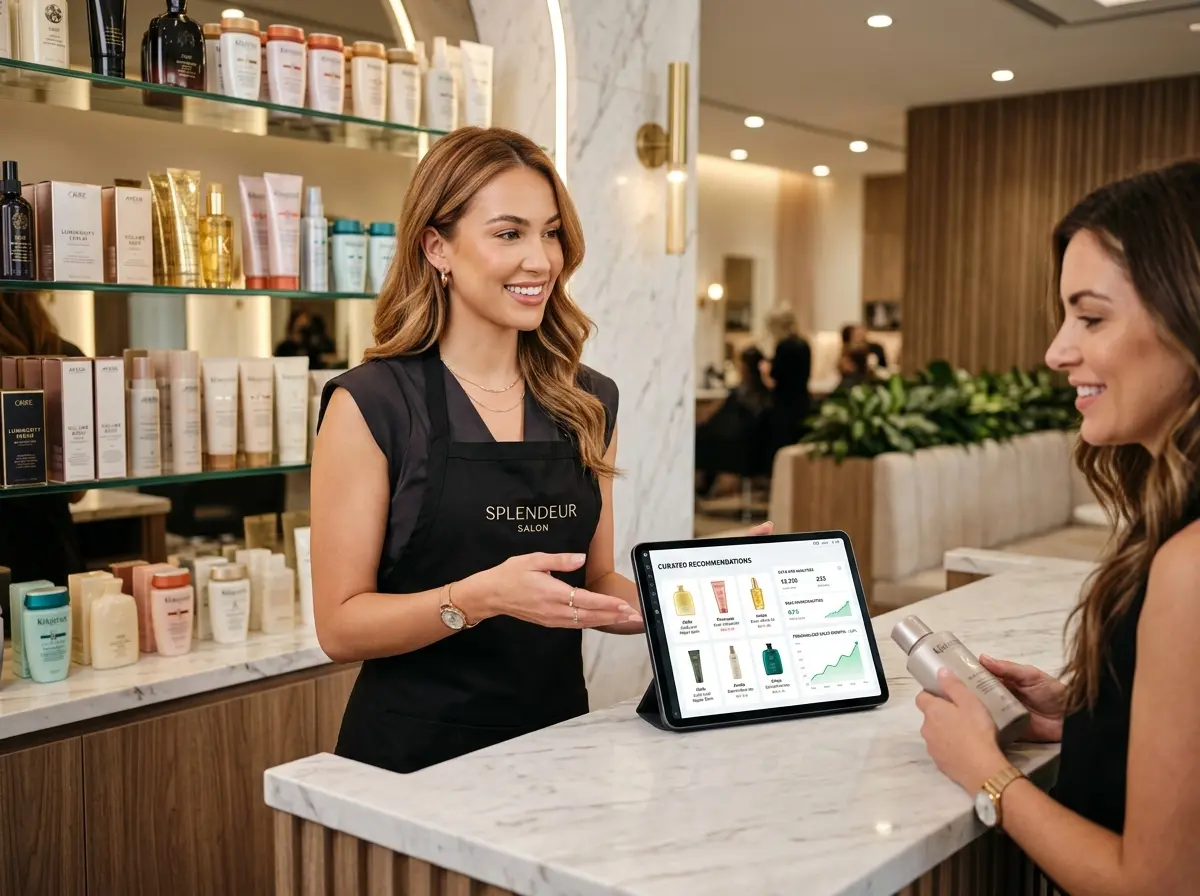
- A spa or salon that sends a personalized post-visit digital summary with product recommendations based on the services received — and lets customers book their next appointment right from the message.
- A gym that uses in-person AI kiosks to highlight current membership promotions to walk-ins, while simultaneously running a targeted digital ad campaign for the same offer.
- An auto shop that texts customers a digital inspection report with photos while their car is being serviced — turning a stressful experience into a transparent, trust-building one.
- A restaurant that captures diner preferences during in-person visits and uses them to personalize future email promotions, making customers feel like regulars even on their third visit.
These aren't futuristic ideas — they're happening right now in businesses of all sizes. The technology to do this is more accessible and affordable than most business owners realize.
Consistency Is Your Competitive Advantage
In a world where customers have endless options, consistency becomes a form of trust. When your in-store experience, your phone interactions, your website, and your social media all feel like they come from the same place — with the same voice, the same information, and the same level of care — you build something genuinely rare: a brand that customers rely on. That reliability is what turns one-time buyers into loyal advocates who bring their friends. And in retail, that's worth more than any single sale.
A Quick Word About Stella
Stella is an AI robot employee and phone receptionist built for businesses that want a reliable, professional presence across both their physical and digital touchpoints. She works inside your store as a proactive customer-facing kiosk and answers phone calls 24/7 — all for $99 per month with no upfront hardware costs. Whether you run a retail shop, a medical office, a law firm, or anything in between, she's ready to work the moment you set her up.
Your Next Steps Toward a Smarter, More Connected Business
The phygital future isn't coming — it's already here, and your customers are already living in it. The businesses that thrive will be the ones that stop treating their channels as silos and start thinking about the full, fluid journey their customers are taking every single day.
Here's what you can do this week to start moving in the right direction:
- Audit your current touchpoints. Map out every place a customer interacts with your business — in store, online, on the phone, on social media. Identify where the experience breaks down or feels disconnected.
- Pick one gap to fix first. Don't try to overhaul everything at once. Choose the most painful disconnect — perhaps your phone availability, your in-store promotional consistency, or your post-visit follow-up — and address it with purpose.
- Invest in tools that talk to each other. Look for technology that integrates across channels rather than adding yet another standalone system to manage. Your CRM, your POS, your communication tools, and your customer-facing AI should share data, not compete for it.
- Measure what matters. Track how customers move between your channels and what's driving conversions. Use those insights to keep improving your phygital experience over time.
The blending of physical and digital isn't just a retail trend — it's a fundamental shift in how commerce works. Embrace it thoughtfully, invest in the right tools, and your business won't just keep up with the future. It'll be ready for whatever comes next.