So You Want to Specialize in Neonatal and Pediatric OT
Congratulations — you've decided to pursue one of the most rewarding (and, let's be honest, one of the most complex) specialties in all of occupational therapy. Working with neonates and pediatric patients isn't just a niche; it's a calling that demands advanced clinical knowledge, a mountain of patience, and the ability to explain a sensory diet to a sleep-deprived parent at 8 AM with a straight face. If you're an OT practice owner looking to build or expand into this specialty, you're in the right place.
The demand for pediatric OT services has grown significantly over the past decade. According to the American Occupational Therapy Association (AOTA), pediatric settings represent one of the largest employment areas for occupational therapists, with increasing referrals tied to rising diagnoses of autism spectrum disorder, sensory processing differences, developmental delays, and premature birth complications. The market is there. The question is: how do you build a practice that is clinically excellent, operationally sound, and genuinely attractive to the families who need you most?
This guide will walk you through the foundational steps — from building your clinical expertise and assembling the right team, to creating a family-centered environment and managing the business side of things so you can focus on what actually matters: tiny humans reaching big milestones.
Building Your Clinical Foundation
Before you hang a colorful mural in your waiting room and call yourself a pediatric OT practice, you need to make sure your clinical infrastructure is rock solid. Families of medically complex children are savvy, resourceful, and — understandably — very protective. They will do their research. Make sure what they find is impressive.
Pursue Recognized Certifications and Specialty Training
The most impactful step you can take toward clinical credibility is obtaining recognized certifications. For neonatal work specifically, the Neonatal Intensive Care Unit (NICU) Therapist Certification offered through the National Association of Neonatal Therapists (NANT) is widely respected and signals to referring physicians and hospital systems that your therapists are trained to work with the most fragile patient population imaginable. For broader pediatric work, certifications in Sensory Integration (SIPT/Ayres Sensory Integration), Feeding Therapy (SOS Approach, AEIOU), and Neurodevelopmental Treatment (NDT) are highly valued by referral sources and families alike.
Don't underestimate the power of investing in continuing education across your entire team. Budget for it annually, track it in your HR systems, and use it as a recruiting tool. Therapists who are growing clinically stay longer and perform better — which is good for your patients and good for your bottom line.
Develop Evidenced-Based Protocols and Documentation Standards
One of the fastest ways to build trust with referring physicians, early intervention programs, and school districts is to demonstrate that your practice operates on evidence-based protocols with consistent, high-quality documentation. Create internal clinical guidelines for your most common presenting diagnoses — sensory processing disorder, feeding difficulties, motor delays, torticollis, and so on. Establish evaluation templates, standardized assessment tools (such as the Bayley Scales, Peabody, or Miller Function and Participation Scales), and clear progress note formats.
Strong documentation also protects you during insurance audits and appeals, which — surprise — happen more often in pediatric practice than most new owners anticipate. Build the habit early, and your future self will thank you enthusiastically.
Establish a Referral Network That Actually Works
Your referral network is the lifeblood of a specialty OT practice. Pediatric and neonatal referrals come from pediatricians, neonatologists, developmental pediatricians, early intervention coordinators, speech-language pathologists, physical therapists, lactation consultants, and even parent Facebook groups (yes, really). Start by identifying the top referring providers in your area and introducing yourself — not with a brochure, but with a genuine conversation about what your practice offers and how you can serve their patients well. Lunch-and-learns, case collaboration calls, and co-treatment opportunities with SLPs and PTs go a long way in building relationships that generate consistent referrals over time.
Streamlining Operations So You Can Focus on Patients
Here's the part of the blog post where we gently remind you that a great specialty practice is only as strong as its operations. You can have the most talented neonatal OT team in the region, but if families can't get a callback within 24 hours or your intake process feels like filing taxes, you will lose them to the practice down the street.
Reduce Administrative Burden with Smart Front-Office Tools
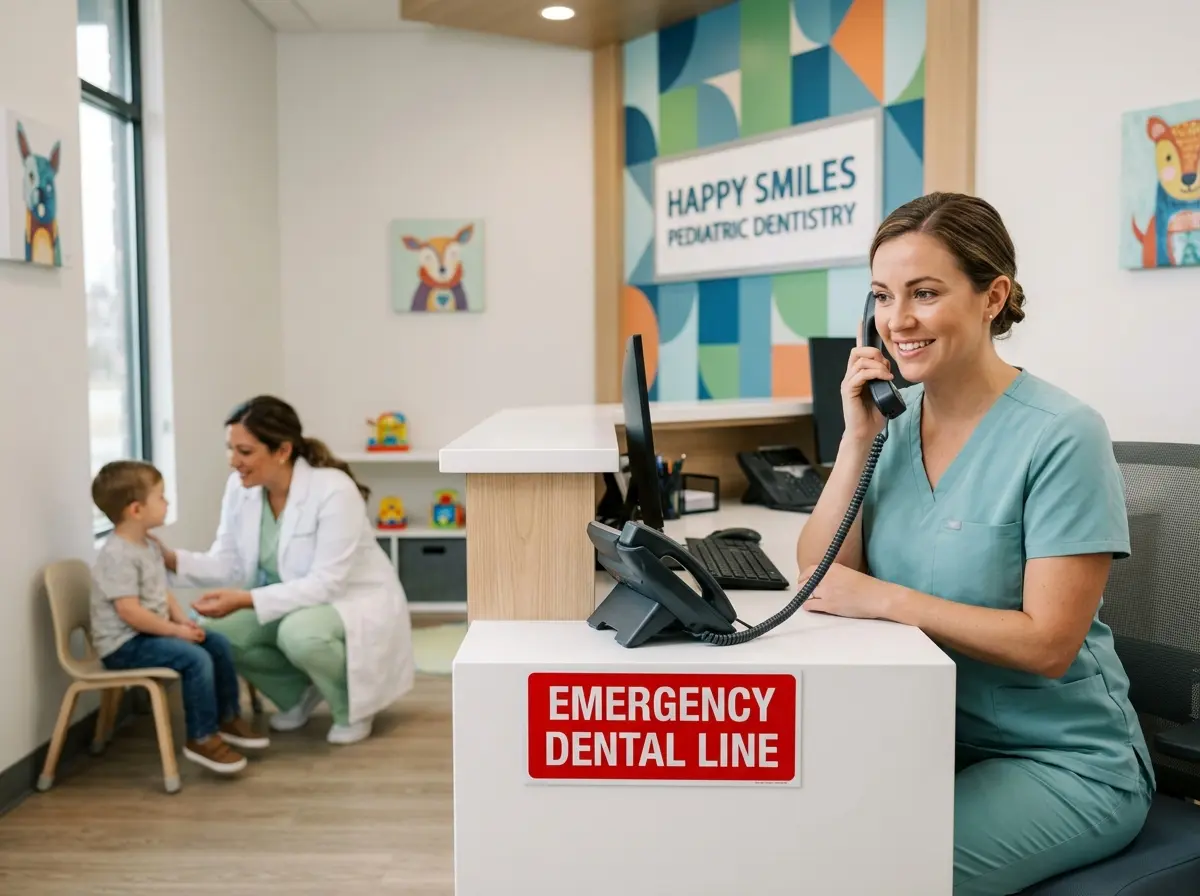
Families of medically complex children are juggling specialist appointments, insurance battles, school meetings, and approximately zero hours of sleep. When they call your practice, they need answers quickly, and they need to feel heard immediately. This is where Stella — an AI robot employee and phone receptionist — can make a genuine difference. Stella answers calls 24/7, handles intake questions, collects new patient information through conversational intake forms, and forwards calls to the appropriate staff member when a human touch is truly needed. For a pediatric OT practice where the phone never really stops ringing, that kind of reliable, around-the-clock front desk presence isn't a luxury — it's a sanity-saver.
If your practice has a physical location, Stella also operates as a friendly in-person kiosk, greeting families when they arrive, answering questions about services and policies, and helping parents who walk in without an appointment understand what you offer. Her built-in CRM with custom fields, tags, and AI-generated profiles can also help your team track patient and family information in an organized, accessible way — no sticky notes required.
Creating a Family-Centered Practice Environment
In pediatric OT, the patient is rarely the only person you're treating. You're treating the whole family — which means your practice environment, communication style, and service philosophy all need to be built around that reality.
Design Your Space With Purpose
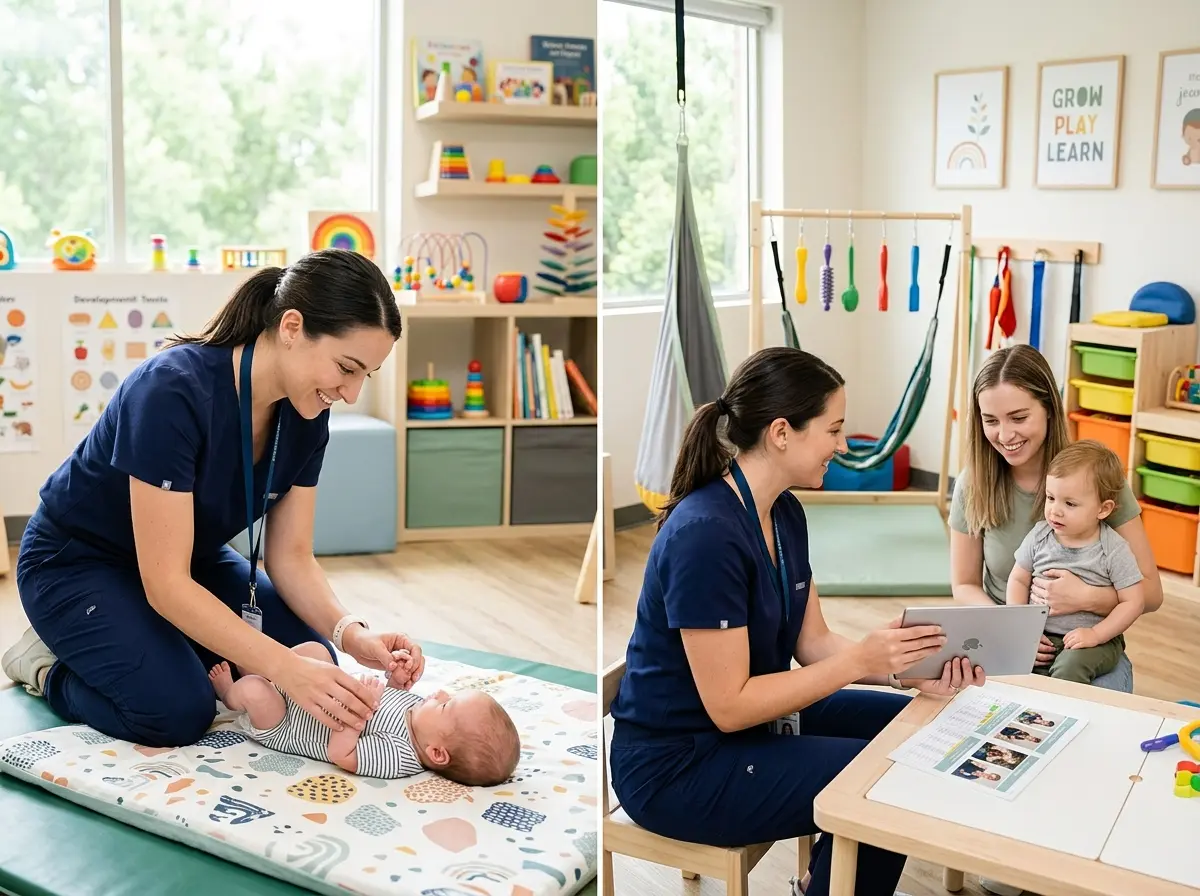
Your clinic space should be therapeutic by design, not just aesthetically pleasing. Sensory gyms with suspended equipment, quiet rooms for low-stimulation sessions, feeding therapy rooms with appropriate seating and surfaces, and a welcoming waiting area that doesn't feel like a hospital — all of these elements communicate to families that you understand their child's needs before the evaluation even begins. Invest in quality equipment from reputable suppliers like Southpaw, Fun and Function, or Abilitations, and plan your layout with your clinical protocols in mind rather than retrofitting therapy into a generic office space.
It's also worth thinking about the parent experience. Comfortable seating, clear sightlines into therapy spaces (with appropriate privacy), and easy access to information about home programs make parents feel like partners in the process rather than bystanders. That sense of partnership is what turns a one-time evaluation into a long-term therapeutic relationship.
Build Parent Education Into Your Model
The most effective pediatric OT practitioners are also excellent educators. Build structured parent coaching and education into your service model from day one. This could mean offering caregiver training sessions, providing written home program materials, hosting monthly parent workshops on topics like sensory strategies or feeding positioning, or recording short video tutorials that families can access between sessions. Not only does this improve clinical outcomes — research consistently shows that parent-implemented strategies dramatically accelerate progress — it also differentiates your practice in a way that families remember and recommend to others.
Develop Clear, Compassionate Communication Protocols
Delivering difficult news to parents — that their child has a significant developmental delay, that progress is slower than hoped, that a feeding aversion is more complex than initially assessed — is one of the hardest parts of this work. Train your therapists in trauma-informed, strengths-based communication. Create protocols for how evaluations are explained, how progress updates are delivered, and how concerns are escalated. Consistency in communication builds trust, and trust is the currency of pediatric practice. Families who trust you refer their friends, advocate for your practice in community groups, and stick with you through the hard seasons of their child's development.
Quick Reminder About Stella
Stella is an AI robot employee and phone receptionist designed to support businesses of all kinds — including specialty healthcare practices like yours — with 24/7 call answering, in-person kiosk engagement, intake form collection, CRM management, and more, all for just $99/month with no upfront hardware costs. She handles the front-office chaos so your clinical team can stay focused on the families who need them. Whether a parent calls at 7 PM with an insurance question or walks into your clinic on a busy Tuesday afternoon, Stella is ready.
Taking the Next Step Toward Your Specialty Practice
Building a neonatal and pediatric specialty track isn't something that happens in a quarter. It's a deliberate, multi-phase process that requires clinical investment, operational discipline, and a genuine commitment to family-centered care. But the practices that do it well don't just survive in this specialty — they thrive, they become known, and they become the places that families drive past three other clinics to reach.
Here's a practical starting point to keep you moving forward:
- Audit your current clinical team and identify which certifications would most strengthen your neonatal and pediatric offerings within the next 12 months.
- Map your referral network — who is currently sending you patients, who should be, and what's the gap between those two lists?
- Evaluate your intake and communication processes honestly. If you were a stressed parent, would you feel welcomed and supported from the very first phone call?
- Review your physical space through the lens of your specialty. Does it communicate clinical excellence and family-centeredness, or does it just look like an office?
- Identify one operational inefficiency you can address this month — whether that's front-desk coverage, documentation standards, or parent communication protocols.
The families of medically complex children are looking for a practice that truly gets it — clinically, operationally, and humanly. With the right foundation, the right team, and the right tools supporting your front office and clinical operations, your practice can be exactly that. Now go build something worth referring to.