Gray Is the New Green: Why Seniors Are Your Gym's Most Untapped Revenue Stream
Let's be honest — most gym marketing looks like it was designed by a 24-year-old who exclusively listens to EDM and drinks pre-workout for breakfast. Neon colors, aggressive slogans, and before-and-after photos of people who were already pretty fit to begin with. Meanwhile, one of the most loyal, motivated, and rapidly growing demographic groups in the country is walking past your front door and heading straight to their living room floor to do YouTube yoga in their socks.
We're talking about seniors. Adults aged 60 and older represent one of the fastest-growing segments of the fitness industry, and according to the International Health, Racquet & Sportsclub Association (IHRSA), older adults are among the most consistent gym-goers once they actually join. They show up. They pay their dues. They don't ghost you after January 15th. And yet, most gyms treat senior fitness as an afterthought — a single "Silver Sneakers" class crammed into a Tuesday morning slot that nobody can find on the schedule.
If you're a gym owner looking to grow membership, reduce churn, and build a genuinely community-driven brand, creating a dedicated space and program for seniors isn't just the right thing to do. It's a very smart business move. Let's break down exactly how to do it right.
Building the Foundation: Space, Equipment, and Environment
Before you launch a single class or print one flyer, you need to take a hard look at your physical space. The good news is that a senior-friendly environment doesn't require gutting your facility and starting over. The bad news is that "we put a bench near the water fountain" doesn't count as a senior program.
Designing a Space That Actually Works
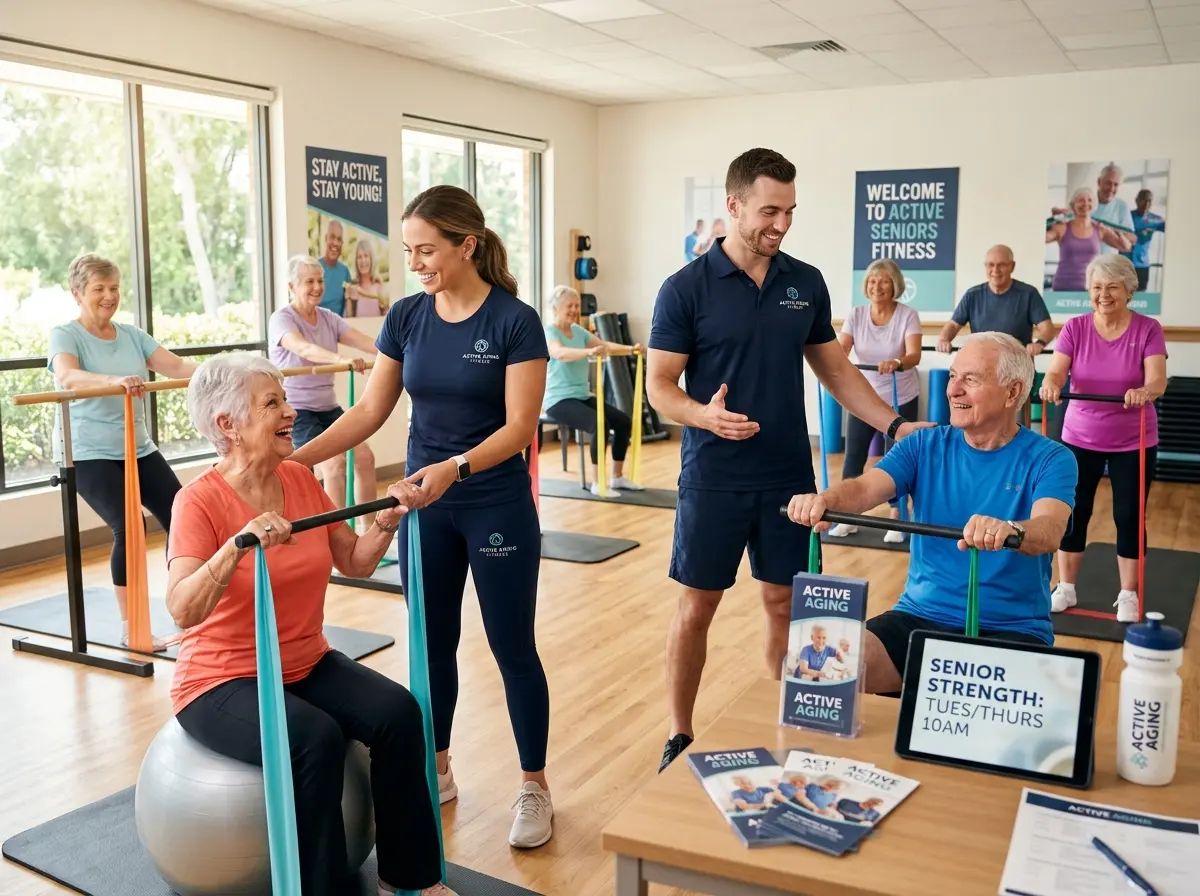
A dedicated senior fitness area should be more than a corner with some resistance bands and a prayer. Think about accessibility first — wide pathways, non-slip flooring, adequate lighting (because fluorescent flickering is nobody's friend), and equipment that doesn't require a physics degree to adjust. Handrails near stretching areas, chairs for balance exercises, and clearly labeled equipment go a long way toward making older adults feel welcome rather than tolerated.
If you have the square footage, carving out a semi-private zone specifically for senior programming creates a sense of belonging that generic gym floor space simply cannot replicate. It signals to potential members that this isn't just a tacked-on service — it's a real part of what your gym offers.
Stocking the Right Equipment
Senior fitness focuses heavily on functional movement — the kind of strength, balance, and flexibility that helps people carry groceries, play with grandchildren, and avoid falls. Your equipment selection should reflect that. Consider investing in:
- Recumbent bikes and low-impact cardio machines — easier on joints without sacrificing cardiovascular benefit
- Cable machines and resistance bands — adjustable resistance for a wide range of strength levels
- Balance boards and stability equipment — falls are the leading cause of injury-related death among adults 65 and older (CDC), making balance training critically important
- Foam rollers and stretching aids — mobility work is often more valuable to seniors than heavy lifting
You don't need to spend a fortune. A thoughtful, curated selection of accessible equipment will make a far stronger impression than a wall of machines nobody knows how to use.
Creating an Atmosphere That Invites, Not Intimidates
Gym culture can be genuinely intimidating for older adults, especially those returning to fitness after years away. The pounding music, the grunting, the mirrors everywhere — it's a lot. Consider the ambiance of your senior space deliberately. Softer lighting, moderate background music, and a layout that doesn't feel like an obstacle course all contribute to an environment where seniors feel comfortable enough to actually stay and come back.
Programming That Keeps Seniors Coming Back — and Telling Their Friends
A great space without great programming is just a nice-looking room. Your senior fitness program is the engine that drives membership, retention, and word-of-mouth referrals. And in senior communities, word of mouth travels fast.
Structuring Classes for Success
Effective senior programming covers the four pillars of older adult fitness: strength, balance, flexibility, and cardiovascular health. Classes like chair yoga, water aerobics, functional strength training, and tai chi are perennially popular for good reason — they deliver real results without unnecessary injury risk. Schedule these classes during mid-morning hours when older adults are most likely to attend, and keep class sizes manageable so instructors can provide individual attention.
Hiring certified instructors with specific experience in senior or adaptive fitness isn't optional — it's essential. The American College of Sports Medicine (ACSM) offers senior fitness certifications, and your instructors' credentials will absolutely be noticed by a demographic that has spent decades learning to do their homework before making decisions.
Building Community Through Programming
Here's something the fitness industry frequently underestimates: seniors don't just join gyms for fitness. They join for connection. Social isolation is a genuine health crisis among older adults, and your gym has an extraordinary opportunity to serve as a community hub. Consider adding social components to your programming — post-class coffee hours, wellness workshops, health seminars with local medical professionals, or even seasonal events. A member who comes for the yoga class but stays for the friendships is a member you'll keep for years.
Streamlining the Senior Member Experience With Smart Tools
Running a senior fitness program means managing a lot of moving pieces — class schedules, membership inquiries, health intake forms, follow-up calls, and a whole lot of phone calls from people who prefer calling over clicking. That's where having the right front-of-house setup pays dividends.
Making Every Touchpoint Feel Personal
Stella, the AI robot employee and phone receptionist, is genuinely well-suited for gyms targeting senior members. As an in-person kiosk, she can greet seniors the moment they walk through the door — answering questions about class schedules, program details, membership options, and current promotions in a friendly, conversational way that doesn't require anyone to fumble with a touchscreen or hunt down a staff member. And because seniors often prefer phone calls over digital self-service, Stella's 24/7 phone answering capability ensures that every inquiry — whether it comes in at 9 AM or 9 PM — gets a prompt, knowledgeable response. She can also collect intake information through conversational forms and manage prospect and member details through her built-in CRM, making it easier to follow up with leads, track member preferences, and run targeted promotions for your senior program. All for $99/month, with no upfront hardware costs.
Marketing Your Senior Program Without Making It Weird
Marketing senior fitness requires a level of thoughtfulness that, frankly, a lot of gyms skip entirely. Get this wrong, and you'll either alienate the people you're trying to reach or attract nobody at all.
Speaking to Seniors Like Adults (Revolutionary Concept)
The cardinal sin of senior fitness marketing is being condescending. Avoid language that frames aging as something to be defeated, hidden, or apologized for. Instead, focus on the positive — vitality, independence, strength, community, and fun. Use imagery that reflects the actual diversity of your target demographic: active, engaged adults who happen to be over 60, not stock photo seniors looking wistfully at a salad.
Where you place your marketing matters just as much as what it says. Partner with local senior centers, retirement communities, physicians' offices, and pharmacies to distribute information. Attend community events. Get listed on SilverSneakers and similar program directories if you're not already. Local Facebook groups for seniors are surprisingly active and surprisingly effective for this demographic — don't overlook them in favor of platforms that skew younger.
Leveraging Referrals and Community Partnerships
Seniors are extraordinarily loyal to businesses they trust, and they talk. A well-run referral program that rewards current members for bringing in friends can be one of your most cost-effective marketing channels. Consider partnering with local healthcare providers, physical therapists, and orthopedic practices — they interact daily with adults who have been told by their doctors to "get more exercise," and a warm referral from a trusted healthcare professional carries enormous weight. Offer to host free informational sessions at their offices, or create a co-branded handout that makes the referral easy and natural.
Showcasing Real Results and Real Stories
Testimonials and success stories are powerful for any audience, but they're particularly compelling in senior fitness marketing. When prospective members see someone who looks like them — their age, their background, their starting point — describing genuine improvements in mobility, energy, and quality of life, the psychological barrier to joining drops significantly. Collect these stories intentionally. Ask your happiest senior members if they'd be willing to share their experience, and feature them prominently on your website, social media, and in-gym signage.
A Quick Word About Stella
Stella is an AI robot employee and phone receptionist designed for businesses of all types — including gyms. She stands inside your location as a friendly kiosk, greets members and visitors, answers questions, and promotes your programs around the clock. She also handles phone calls 24/7 with the same knowledge she uses in person, so your senior prospects always reach someone helpful — even when your staff is busy teaching a class.
Your Next Steps Start Today
Building a successful senior fitness program is not a weekend project, but it doesn't have to be overwhelming either. Start with an honest audit of your current space and identify two or three low-cost improvements that would make it more accessible and welcoming. Talk to your existing senior members — if you have any — and ask them directly what they wish your gym offered. Hire or train one instructor with genuine senior fitness expertise and build your class schedule around them.
From there, develop a simple but sincere marketing strategy that reaches seniors where they already are — in their communities, in their doctors' offices, and yes, on the phone. Invest in systems that make every interaction with your gym feel professional and attentive, whether a prospective member walks through your door or calls at 7 PM on a Friday night.
The senior fitness market is growing, the demand is real, and the competition for this demographic is surprisingly thin. Most gyms simply haven't bothered to do it well. That is, frankly, your opportunity. Do the work, build the program, create the community — and watch what happens when the most loyal demographic in fitness decides that your gym is their gym.