Your Technicians Are Your Brand — Whether You Like It or Not
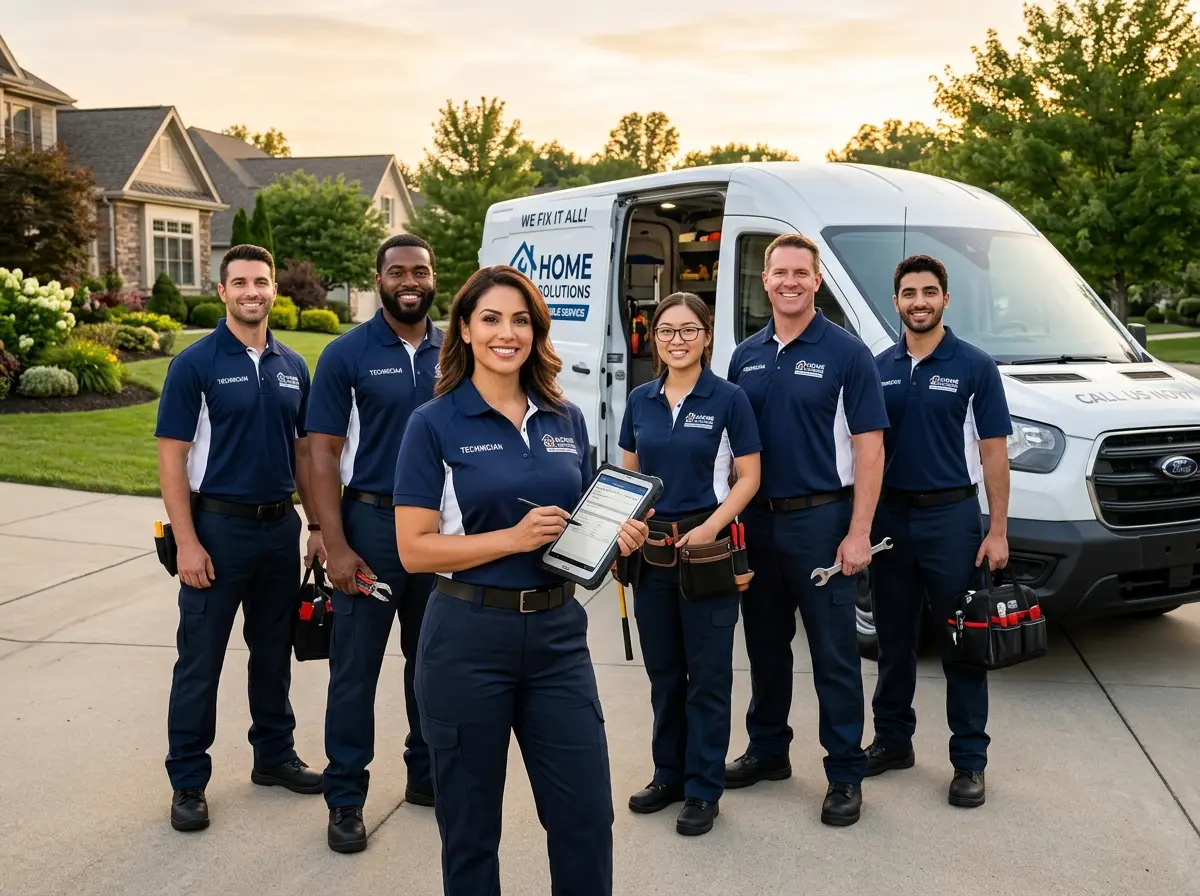
Let's be honest: in the home services industry, your trucks are rolling billboards, your technicians are walking reviews, and every service call is either a five-star experience or a cautionary tale someone's about to post on Google. You can pour money into advertising, build a beautiful website, and craft the perfect elevator pitch — but none of that matters if the person standing in your customer's kitchen is wearing a stained shirt and can't explain the difference between two service packages.
The good news? Your technicians don't have to be natural-born salespeople or marketing gurus. They just need to be brand ambassadors — people who represent your company's values, communicate professionally, and leave customers feeling like they made a smart decision by calling you. The even better news is that this is a trainable skill, not an innate talent. With the right systems, culture, and support tools in place, you can transform your field team from "guys who fix things" into genuine extensions of your brand.
This guide breaks down exactly how to make that happen — practically, affordably, and without requiring your technicians to take an improv class.
Building the Foundation: Hiring and Training for Brand Alignment
Hire for Attitude, Train for Skill
The most common hiring mistake in home services is treating a job posting like a technical checklist. You need someone who can install an HVAC unit — fine. But can they look a nervous homeowner in the eye, explain what's wrong without condescension, and make them feel taken care of? That's the harder thing to teach, and it's the thing that actually drives referrals and repeat business.
When interviewing candidates, pay attention to how they communicate with you. Are they personable? Do they listen? Do they ask thoughtful questions? A technician who's curious, empathetic, and naturally communicative will become a brand ambassador with the right coaching. A technically brilliant but dismissive candidate will cost you customers no matter how good their work is. According to the U.S. Small Business Administration, acquiring a new customer costs five times more than retaining an existing one — and a single bad interaction can undo years of brand-building overnight.
Create a Brand Standards Playbook for Field Staff
Your office team probably has some version of a brand guide or communication standard. Your field team deserves the same thing — and it doesn't have to be a 40-page manifesto. A practical Brand Standards Playbook for technicians should cover the basics: how to greet a customer at the door, how to introduce themselves and their company, what to wear and how to present their workspace, how to explain pricing and options clearly, and what to say when a customer asks something they don't know the answer to.
The key is consistency. Customers shouldn't have a wildly different experience depending on which technician shows up. Your brand promise should be delivered the same way whether it's your top performer or someone three weeks into the job. Document the standards, walk through them during onboarding, and revisit them regularly in team meetings. Make it clear that these aren't suggestions — they're the job.
Use Role-Playing and Real Scenarios to Build Confidence
Most technicians dread the sales and communication side of their job not because they're bad at it, but because they've never been given a safe space to practice it. Regular role-playing exercises — yes, even if everyone groans about them — build the kind of muscle memory that makes professional communication feel natural in the field.
Run through common scenarios: a customer who questions the price, a situation where additional work is discovered mid-job, an upsell opportunity for a maintenance plan, or a complaint that needs to be de-escalated. The more your team has rehearsed these conversations, the more confident and composed they'll be when they happen in real life. And they will happen — every single week.
Using Technology to Support Your Brand in the Field
First Impressions Start Before the Technician Arrives
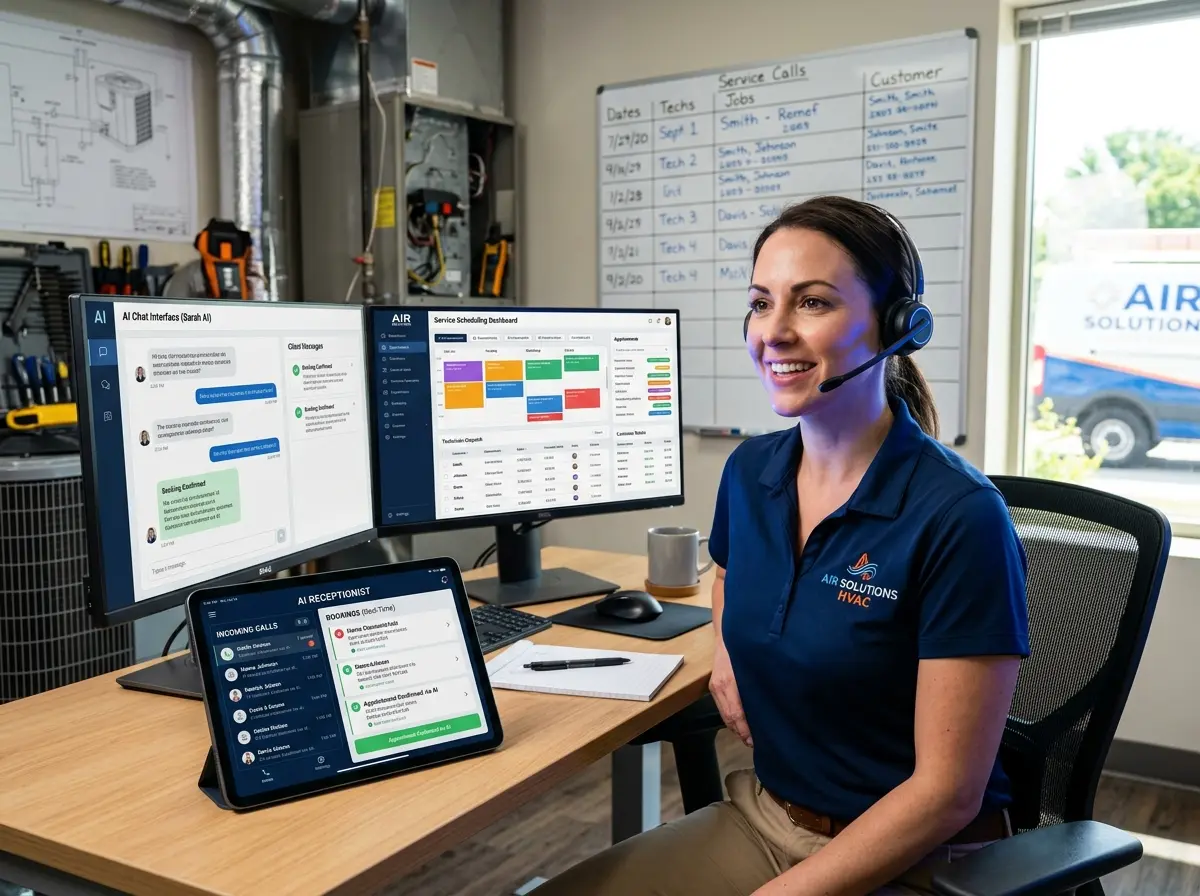
Here's something worth thinking about: by the time your technician knocks on that door, the customer has already formed an impression of your company. That impression was shaped by how easy it was to book an appointment, how professional your phone receptionist sounded, and whether anyone followed up to confirm. If any of those touchpoints were clunky, disorganized, or just unmanned — because let's face it, your office can't answer every call at 7 PM on a Tuesday — you've already started the visit at a disadvantage.
This is where Stella, the AI robot employee and phone receptionist, makes a meaningful difference for home services businesses. Stella answers every inbound call 24/7 with the same professionalism and business knowledge, collects customer information through conversational intake forms, and ensures no lead goes to voicemail oblivion. If you also have a physical office or showroom, Stella's in-store kiosk presence greets walk-in customers proactively, answers questions, and promotes your current offerings — so your front-of-house experience matches the quality of your field team. Her built-in CRM captures and organizes customer data automatically, so when your technician does arrive, your team already knows who they're dealing with.
Retention, Recognition, and Keeping Your Best People
Brand Ambassadors Don't Stay Where They Feel Invisible
You can build the best training program in your market, develop a rock-solid brand standards playbook, and hire genuinely great people — and then lose all of them to a competitor offering fifty cents more an hour and a company t-shirt that actually fits. Technician turnover is one of the most expensive problems in home services, both in direct costs (recruiting, onboarding, lost productivity) and in the brand damage that comes from constantly rotating new faces through your customers' homes.
The technicians most likely to become true brand ambassadors are the ones who feel genuinely valued, not just employed. That means competitive compensation, yes, but it also means public recognition, clear career paths, and a culture where doing the job well is noticed and celebrated. Share positive customer reviews in team meetings. Create performance incentives tied to customer satisfaction scores, not just job volume. Ask your best technicians to help train newer ones — it reinforces their own standards while giving them ownership and status within the team.
Invest in Ongoing Development, Not Just Onboarding
Initial training is table stakes. What separates good home services companies from great ones is a commitment to continuous development. This doesn't require a large training budget. It might mean a monthly team debrief where you review customer feedback together, a quarterly workshop on communication or service excellence, or simply a culture where technicians are encouraged to ask questions and share what's working in the field.
Consider designating one or two of your strongest brand ambassadors as informal mentors for newer technicians. Peer learning is powerful — people often absorb more from a colleague they respect than from a manager delivering a presentation. When your culture values growth, your team starts to self-correct and self-improve, which takes enormous pressure off leadership while raising your overall service standard.
It's also worth investing in customer communication training specifically. Technicians should know how to explain their findings clearly, present options without pressure, and handle objections gracefully. These skills directly impact close rates on additional services, customer satisfaction scores, and the likelihood of getting that five-star review before they've even pulled out of the driveway.
Quick Reminder About Stella
Stella is an AI robot employee and phone receptionist designed to give your business a professional, always-available presence — both on the phone and in person at your location. At just $99/month with no upfront hardware costs, she handles calls around the clock, promotes your services, and keeps your customer data organized so your team can focus on doing great work. While your technicians are out in the field building your brand one service call at a time, Stella makes sure the front door — virtual or physical — is always open and always impressive.
Turning Intention Into Action
Building a team of brand ambassador technicians isn't a one-time project. It's an ongoing commitment to the idea that every customer interaction is a marketing moment — and that the people delivering those interactions deserve the tools, training, and recognition to do it well. The companies that understand this aren't just winning on service quality; they're winning on reputation, referrals, and retention of both customers and staff.
Here's where to start this week:
- Audit your hiring process. Are you screening for communication skills and attitude, or just technical experience?
- Draft a one-page Brand Standards guide for your field team. Keep it simple, practical, and specific to your company's voice and values.
- Schedule a role-playing session at your next team meeting. Pick two or three real scenarios your technicians face regularly and work through them together.
- Look at your customer touchpoints before the technician arrives. Is your phone answered professionally every time? Is your booking process seamless? Fix the gaps.
- Recognize your best brand ambassadors publicly — in team meetings, on social media, or with a simple bonus tied to customer feedback scores.
The home services market is competitive, and customers have no shortage of options. What will make them choose you, stay with you, and refer their neighbors to you isn't just the quality of the work — it's the quality of the experience. That experience starts with your people, and it starts with how seriously you invest in them. Build your team right, and your technicians won't just complete jobs. They'll build your business.