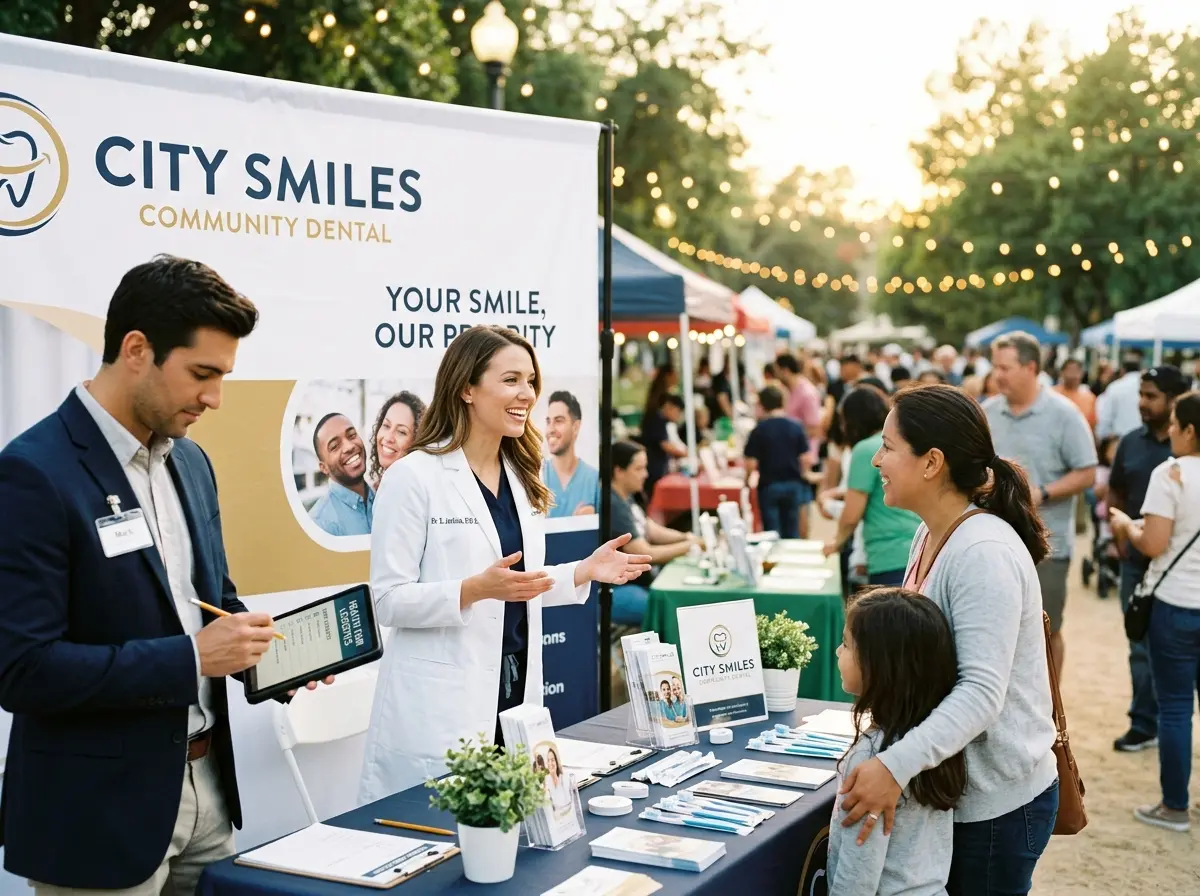
Why Your Dental Practice Is Invisible at Local Events (And How to Fix That)
Let's be honest — most dental practices treat marketing like a necessary evil. You set up a website, maybe run a few Facebook ads, and hope that word-of-mouth does the heavy lifting. And then you wonder why your appointment slots aren't as full as you'd like. Meanwhile, your community is holding farmers markets, school fundraisers, health fairs, and neighborhood festivals practically every weekend, and your practice is nowhere to be seen.
Here's the uncomfortable truth: people don't wake up thinking about their dentist. They think about their dentist when they have a toothache, when their kid's school reminds them about dental screenings, or when a friendly local professional hands them a free toothbrush at a community event and actually takes thirty seconds to talk to them like a human being. That last scenario? That's local event marketing — and it works remarkably well for dental practices that do it right.
This guide will walk you through a practical, repeatable event marketing strategy that builds community trust, generates real new patient leads, and keeps your practice top-of-mind long after the event tent comes down.
Building Your Local Event Marketing Foundation
Choosing the Right Events for Maximum Impact
Not all events are created equal, and showing up to every single community gathering with a banner and a bowl of mints is not a strategy — it's exhaustion. The key is selecting events where your ideal patients are likely to be present and where there's a natural, non-awkward connection to dental health.
Think about events like local health and wellness fairs, school carnivals and back-to-school nights, sports leagues and youth athletics events, community farmers markets, and neighborhood association meetings. These venues attract families — which means parents making healthcare decisions for their kids, adults who are already in a "taking care of ourselves" mindset, and a general audience that responds well to approachable, helpful professionals rather than hard-sell tactics.
A good rule of thumb: if the event has kids, it's probably worth your time. Parents are your most reliable new patient pipeline, and if their child has a positive interaction with your team, you've likely just acquired the whole family.
Designing a Booth That Actually Attracts People
Here's where most dental practices phone it in — and not in the good way. A folding table, a stack of brochures, and a banner with your logo does not a compelling booth make. You need engagement hooks that pull people in rather than waiting for them to wander over out of pity.
Consider offering free dental screenings or quick oral health assessments on-site. Bring an interactive element for kids — a giant model of a tooth, a spin-the-wheel trivia game about dental hygiene, or a simple coloring activity that ends with a goody bag. For adults, a free whitening consultation or a "smile assessment" questionnaire gives them something tangible to walk away with. And yes, branded freebies like toothbrushes, floss picks, and mini toothpaste sets still work because they're genuinely useful and sit on someone's bathroom counter for weeks reminding them of your practice.
The goal is simple: give people a reason to stop, a reason to talk to you, and a reason to remember you tomorrow.
Training Your Team to Convert Conversations Into Appointments
Your most valuable asset at any event isn't your banner or your branded giveaways — it's your people. The team members you bring should be warm, conversational, and empowered to schedule appointments on the spot. If someone expresses interest and you tell them "just call the office," you've just introduced friction that will cost you half those leads.
Equip your team with a tablet or phone that allows them to schedule appointments or at least capture contact information directly. Train them to ask open-ended questions: "Do you have a regular dentist in the area?" and "When was your last cleaning?" are gentle, natural conversation starters that surface real need without pressure. According to the American Dental Association, nearly one in three adults have not visited a dentist in the past year — which means a significant portion of the people you'll meet at any given event are quietly overdue and potentially quite receptive.
Keeping the Momentum Going After the Event
Following Up With Leads Before They Forget You Exist
You had a great booth, great conversations, and a stack of collected contact information. Wonderful. Now the clock is ticking, because event leads have the shelf life of a fruit salad. Within 24 to 48 hours, you should be reaching out via text or email — whichever the lead opted into — with a friendly, low-pressure message that reminds them of the conversation and makes it easy to book.
Personalization goes a long way here. If someone mentioned they'd been putting off a cleaning, your follow-up message should reference that. If a parent signed their child up for a free first visit, the message should speak directly to that. The more relevant the communication, the higher the conversion rate — and the less it feels like a form letter from a faceless office.
How Stella Can Support Your Event Follow-Up and Patient Intake
This is exactly where Stella — the AI robot employee and phone receptionist — becomes genuinely useful for a dental practice running an active event marketing strategy. When leads from your community events start calling the office to ask questions or book appointments, Stella answers every single call, 24/7, with the same warm, informed presence you'd want your best front desk staff to deliver. No missed calls after hours, no "we'll call you back" dead ends that cost you a new patient.
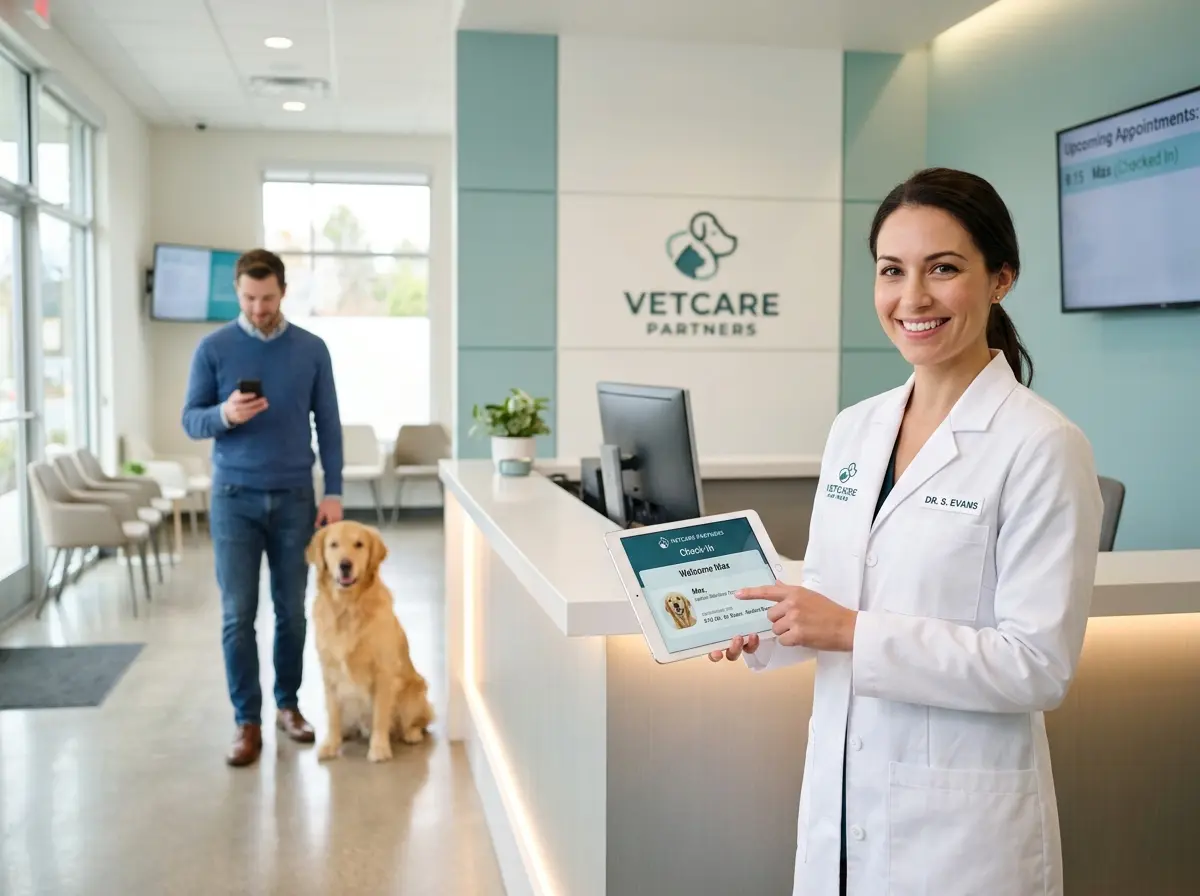
Beyond phone calls, Stella's built-in CRM and conversational intake forms mean that contact information collected at events can feed directly into organized, tagged patient profiles — complete with notes about how the lead was acquired and what they're interested in. For practices that also have Stella's physical kiosk in the waiting area, new patients who arrive from event leads get a consistent, professional welcome experience the moment they walk through the door.
Turning One-Time Attendees Into Long-Term Patients
Creating a New Patient Offer That Feels Valuable, Not Desperate
A compelling new patient offer is the bridge between "I met your team at the farmers market" and "I'm a loyal patient who refers my neighbors." The offer doesn't need to be dramatic — a discounted or complimentary first exam, a free whitening treatment with a completed cleaning, or a no-cost second-opinion consultation are all strong hooks that lower the barrier to that first appointment without devaluing your services.
The critical detail is that the offer needs a deadline. "Come in whenever" is not an offer — it's a suggestion that will be indefinitely postponed. "This offer is valid through the end of the month" creates a gentle urgency that moves people from consideration to action. Pair this with your follow-up messaging strategy, and you have a tight, functional pipeline from event contact to booked appointment.
Building Community Relationships That Generate Referrals Year-Round
The most underrated outcome of consistent local event marketing isn't the immediate new patient bookings — it's the reputation compound effect. Every time your practice shows up at a neighborhood event, sponsors a school activity, or donates free dental kits to a youth sports team, you're depositing into a community goodwill account that pays dividends in word-of-mouth referrals for years.
Consider formalizing this with a community partnership program. Identify two or three local organizations — a school, a youth sports league, a senior center — and build an ongoing relationship rather than a one-off appearance. Offer to run an annual "Smile Day" screening event, donate to their fundraisers, and be genuinely present. The parents, coaches, and community leaders in those networks become informal ambassadors for your practice in a way that no paid ad ever will.
Measuring What's Working So You Can Do More of It
If you're investing time and money into local events, you need to know which ones are actually generating patients — not just traffic to your booth. Build a simple tracking system: ask every new patient how they heard about you during intake, tag event-sourced leads in your CRM, and review appointment conversion rates by event type at the end of each quarter.
This data will quickly reveal patterns. Maybe the health fair brings in mostly adults looking for cosmetic consultations, while the school carnival generates family plan patients with kids. That's actionable intelligence that lets you allocate your team's weekend time far more strategically than "show up and hope for the best."
Quick Reminder About Stella
Stella is an AI robot employee and phone receptionist that works 24/7 — answering calls, greeting patients at your kiosk, collecting intake information, managing contacts, and promoting your current offers without ever needing a coffee break. At just $99/month with no upfront hardware costs, she's built for practices that want a professional, always-on front desk presence without the overhead. If your event marketing strategy is about to bring in a wave of new leads, make sure someone — or something — is ready to receive them.
Your Next Steps Start This Weekend
Local event marketing is not complicated, but it does require consistency and intentionality. The practices that win at this aren't the ones with the fanciest booth setup — they're the ones that show up regularly, engage genuinely, follow up promptly, and treat every community interaction as the beginning of a long-term relationship rather than a transaction.
Here's your practical action plan to get started:
- Research upcoming local events in your area over the next 60 days and identify two or three that align with your ideal patient profile.
- Design a simple but engaging booth experience with at least one interactive element and a clear new patient offer with a deadline.
- Prepare a follow-up sequence — email, text, or both — that goes out within 48 hours of each event to all collected contacts.
- Set up tracking in your CRM so you can attribute new patients to specific events and measure your return on investment.
- Identify one community organization to build an ongoing partnership with, beyond one-off appearances.
Your community is out there every weekend, full of people who need a dentist they can trust. The only question is whether they're going to find you — or find the practice down the street that actually shows up.