First Impressions Are Everything (Especially When You're Selling Fitness)
Here's a fun scenario: someone finally works up the courage to join a gym. They've been putting it off for months, they've mentally committed, and they walk through your doors ready to change their life. What happens next will either cement that decision or slowly erode it until they're quietly ghosting your membership auto-renewals by February.
The fitness industry has a well-documented retention problem. According to the International Health, Racquet & Sportsclub Association (IHRSA), roughly 50% of new gym members quit within the first six months. That's not a small number. That's half your new members — and half your acquisition costs — walking right back out the door. The culprit isn't usually the equipment or the class schedule. More often than not, it's a weak onboarding experience that leaves new members feeling confused, unsupported, or just plain invisible.
The good news? Onboarding is entirely within your control. And when you get it right, you don't just retain members — you turn them into advocates who bring their friends, buy your merchandise, and cheerfully ignore every competitor ad that crosses their feed. Let's talk about how to build an onboarding experience that actually works.
Building the Foundation: What Happens in the First 30 Days
The first 30 days are your most critical window. New members are motivated, slightly overwhelmed, and forming habits — including the habit of showing up to your gym. This is not the time to hand someone a keycard and wish them luck.
The Welcome Experience Starts Before They Even Sweat
A strong onboarding sequence begins the moment someone signs up, not the moment they finish their first workout. Send a welcome email or text that confirms their membership, sets expectations, and gives them a preview of what's available — classes, trainers, amenities, parking tips, whatever reduces friction for that first visit. People abandon new habits when they feel uncertain, so your job is to eliminate as much uncertainty as possible before they even walk in.
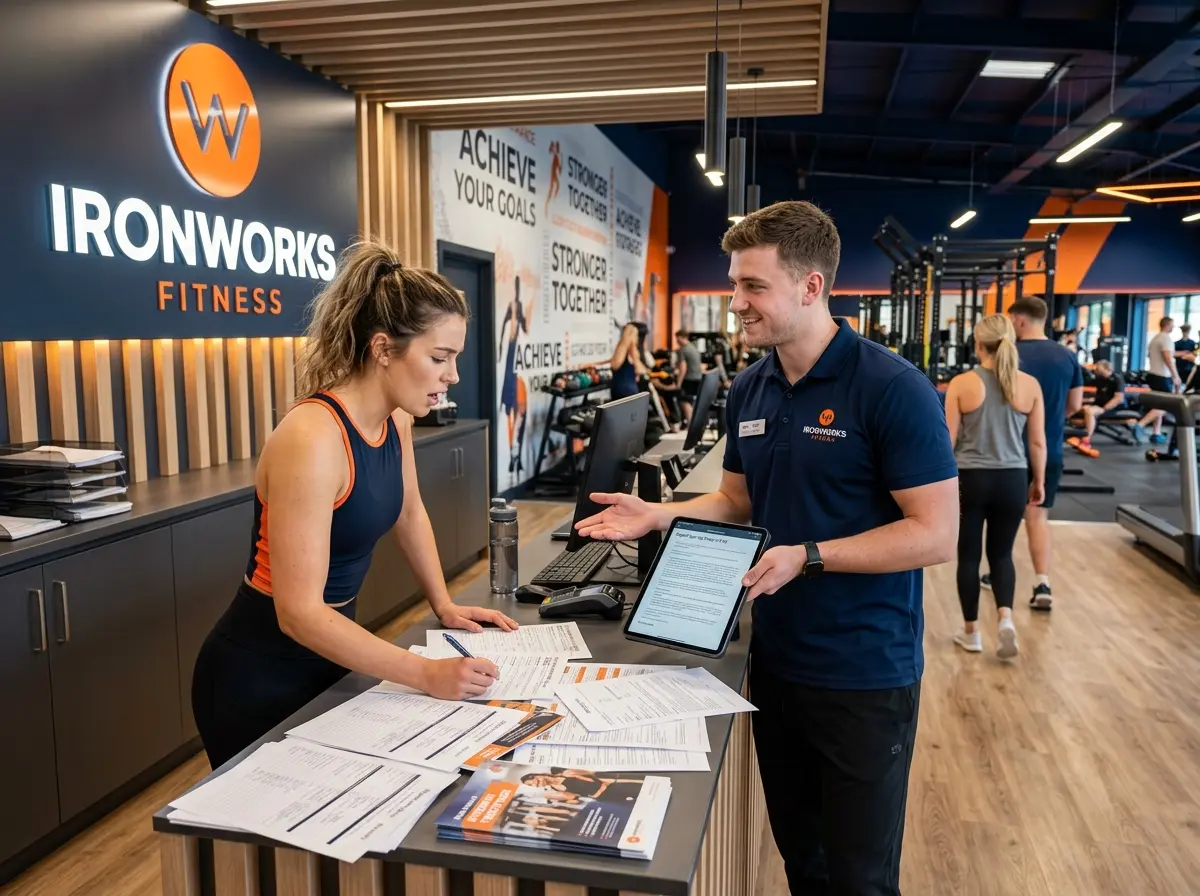
When they do walk in for the first time, greet them by name if you can. Assign a staff member to do a brief facility walkthrough. Show them where the locker rooms are, how to book classes, and who to talk to if they have questions. It sounds basic, but you'd be surprised how many gyms skip this entirely and wonder why retention is suffering.
Structured Check-Ins Keep Momentum Alive
Don't just onboard once and disappear. Build structured touchpoints into your first-30-day plan. A check-in call or text at day seven, a brief progress conversation at day fourteen, and a more formal check-in at day thirty can dramatically increase the likelihood a member makes it past that dangerous six-month dropout window.
These touchpoints don't need to be lengthy. A quick "Hey, how's it going? Have you tried any of our classes yet?" message goes a long way toward making someone feel seen. Pair this with an invitation to a free personal training session or a group orientation class, and you're giving new members both accountability and community — two of the strongest drivers of long-term gym retention.
Collect the Right Information Early
During onboarding, gather meaningful data about your new members: their fitness goals, preferred workout times, any injuries or limitations, and what motivated them to join. This isn't just useful for trainers — it's the foundation of a personalized experience. Members who feel understood are members who stay. Use intake forms, brief consultations, or even a quick digital questionnaire to capture this information, and actually use it. Nothing kills trust faster than collecting information and never referencing it again.
How Technology Can Streamline Your Onboarding Process
Let's be honest — you're running a gym, not a call center. Your staff should be coaching clients, leading classes, and building relationships, not fielding the same "What are your hours?" question seventeen times a day. This is exactly where smart technology earns its keep.
Automate the Repetitive, Personalize the Important
Stella, the AI robot employee and phone receptionist, is built for exactly this kind of scenario. At your gym's front desk, Stella greets every member and visitor who walks in, answers questions about classes, memberships, promotions, and policies, and proactively engages people who might otherwise feel ignored during a busy front-desk rush. She's also available 24/7 to answer phone calls — which means the prospective member who's researching gyms at 10pm on a Tuesday actually gets a real, helpful conversation instead of a voicemail.
For onboarding specifically, Stella's conversational intake forms let you collect new member information naturally — through the kiosk, over the phone, or on the web — and store everything in her built-in CRM with custom fields, tags, and AI-generated member profiles. That means every piece of information your team needs is organized, accessible, and ready to make the next interaction feel personal. No more sticky notes, spreadsheets, or "I know I wrote that down somewhere."
Turning Members into a Community (Not Just a Customer Base)
Retention statistics consistently show that members who feel connected to a gym's community are significantly less likely to cancel. A 2019 study from Les Mills found that members with a sense of belonging are 40% more likely to remain active at their gym. You're not just selling access to treadmills — you're selling a place where people belong. That shift in mindset changes how you onboard, communicate, and engage.
Build Social Hooks Into the Early Experience
Introduce new members to other members whenever possible. Small group orientations, beginner classes, or new member social events create natural connection points. Encourage staff to make warm introductions: "Hey, Sarah just started last week too — you two should take the Tuesday morning spin class together." These micro-moments of connection are what separate a gym from a room full of equipment.
Consider a new member buddy system, pairing recent signups with established members who volunteer as informal mentors. It costs you nothing, deepens community bonds on both sides, and gives your long-term members a reason to feel invested in your gym's culture.
Create Milestone Moments Worth Celebrating
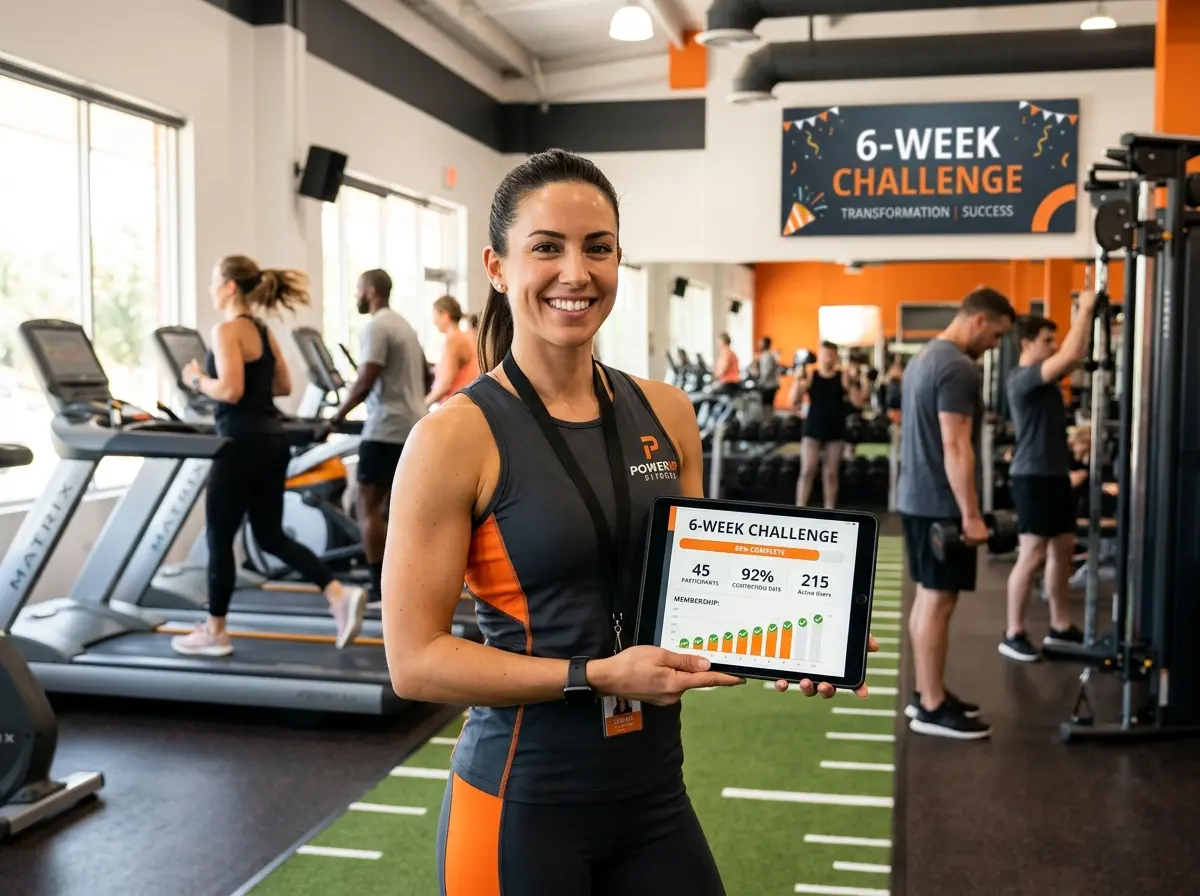
People love recognition, and fitness is full of natural milestones. Acknowledge a member's first month, their first class completed, or their first personal record. These don't need to be elaborate — a shoutout on your gym's social media, a small discount on merchandise, or a handwritten note from a trainer can be incredibly impactful. The goal is to make members feel seen at a time when many people quietly wonder whether anyone would notice if they stopped coming.
Consistency in Communication Builds Trust Over Time
Beyond the first 30 days, consistent communication keeps members engaged between visits. Monthly newsletters with class updates, seasonal challenges, trainer spotlights, and member success stories remind people why they joined and what they're working toward. The gyms that do this well don't just retain members — they create a culture that's genuinely hard to walk away from, no matter how many competitors open nearby.
A Quick Reminder About Stella
Stella is an AI robot employee and phone receptionist designed to work directly inside your gym — greeting members, answering questions, and promoting your offerings — while also handling phone calls around the clock so no inquiry goes unanswered. She runs on a simple $99/month subscription with no upfront hardware costs and is straightforward to set up. Whether you're a solo gym owner or managing a multi-staff facility, she's the kind of reliable, always-on presence that fills the gaps your team simply can't cover every hour of every day.
Conclusion: Stop Losing Members You Already Won
Acquiring a new gym member is expensive. Retaining one is not. The math is simple, but executing a strong onboarding experience requires intention, consistency, and a willingness to treat the first 30 days as the most important phase of a member's entire journey with you.
Here's what you can do starting this week:
- Audit your current onboarding flow. What happens the moment someone signs up? Map it out and identify the gaps — especially in the first 7, 14, and 30 days.
- Create structured touchpoints. Assign responsibility for check-in messages and follow-up conversations so nothing falls through the cracks.
- Collect and actually use member information. Intake forms and a solid CRM aren't just admin tools — they're relationship tools.
- Build community deliberately. Introduce people, celebrate milestones, and make your gym a place members genuinely want to come back to.
- Let technology handle the repetitive stuff. Your staff's time is best spent on human connection — not answering the same five questions on repeat.
The gym owners who thrive long-term aren't necessarily the ones with the fanciest equipment or the lowest rates. They're the ones who make every new member feel like joining was the best decision they've made all year. Build that experience, and the retention numbers will follow.