Introduction: The Inventory Balancing Act Nobody Warned You About
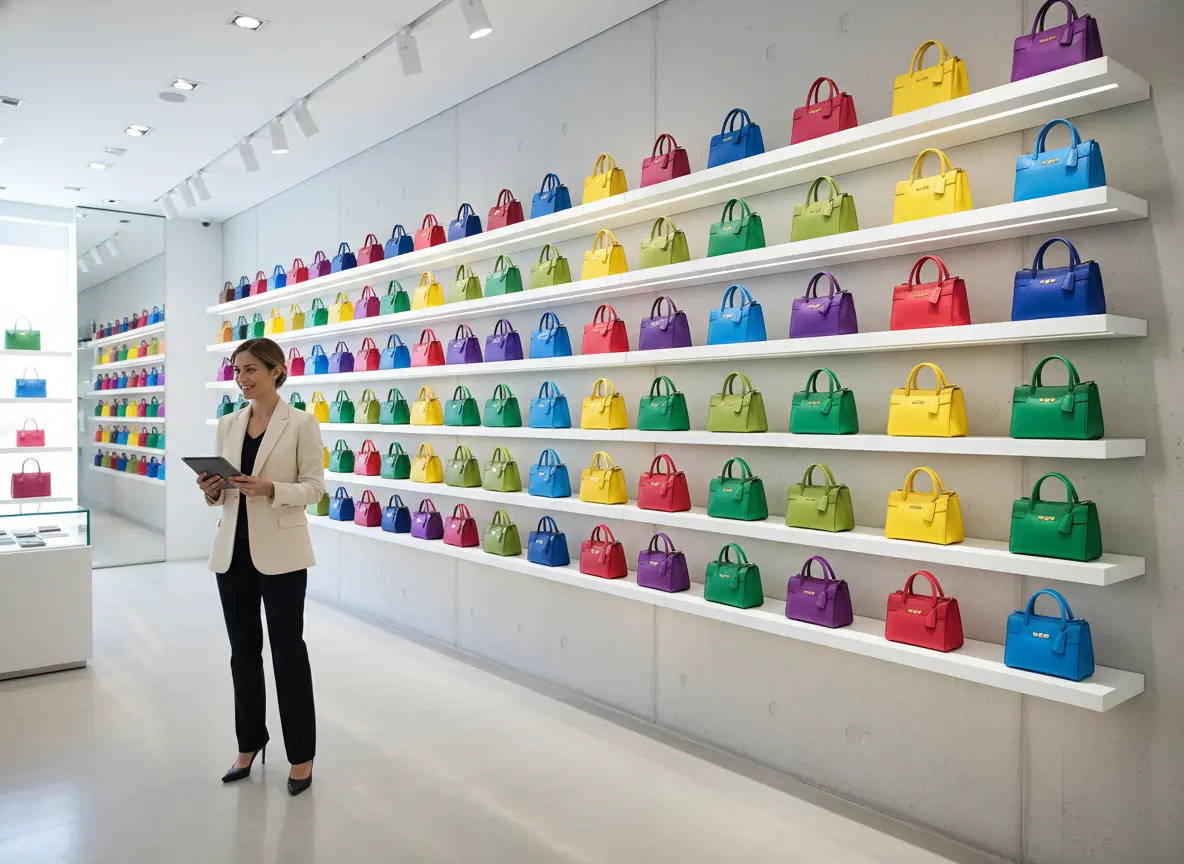
Picture this: your stockroom is overflowing with last season's merchandise, your cash flow looks like it's been on a crash diet, and somewhere in the back, there are 200 units of a product that was briefly popular in 2022. Meanwhile, your best-selling items are perpetually out of stock, and customers are starting to use your store as a showroom for your competitors' websites. Sound familiar? Welcome to the inventory turnover struggle — a challenge that trips up retailers of every size, from boutique shops to multi-location chains.
Inventory turnover is one of those metrics that sounds deceptively simple but has enormous implications for your business's health. It measures how many times you sell and replace your inventory over a given period, and getting it right means the difference between a thriving, cash-rich operation and a slow-moving money pit dressed up as a retail store. The good news? Mastering it is entirely achievable — and this guide will show you exactly how.
Understanding Inventory Turnover (Before You Can Master It)
The Formula You Actually Need to Know
Let's start with the basics, because no amount of strategy helps if you're measuring the wrong thing. The inventory turnover ratio is calculated by dividing your Cost of Goods Sold (COGS) by your Average Inventory Value. A ratio of 4, for example, means you're selling through your entire inventory roughly four times per year — or about every three months.
What counts as a "good" turnover ratio? That depends heavily on your industry. Grocery stores often see ratios of 20 or higher (perishables have a way of motivating urgency). Apparel retailers typically aim for 4–6. Furniture and home goods retailers might be perfectly healthy at 3–4. The key is benchmarking against your specific sector, not a generic ideal. Comparing your antique furniture shop's turnover rate to a convenience store's is like comparing a tortoise to a cheetah — technically valid but not particularly useful.
Why Low Turnover Is Quietly Killing Your Business
Slow-moving inventory isn't just a storage inconvenience — it's a financial trap. Every dollar tied up in stagnant stock is a dollar that isn't being used to buy new merchandise, market your business, or invest in growth. Beyond the opportunity cost, there's the very real risk of spoilage, obsolescence, and markdowns that erode your margins. Retailers lose an estimated $1.77 trillion globally each year due to inventory distortion — a combination of overstocking and stockouts. That's a number with a lot of zeros, and your piece of it is entirely avoidable.
Low turnover also tends to breed a culture of discounting. When you're desperate to move old stock, you slash prices — which customers learn to expect, which trains them to wait for sales, which further slows your regular-price turnover. It's a cycle that's much easier to prevent than to break.
The Hidden Cost of Overstocking and Stockouts
Overstocking and stockouts are two sides of the same poorly managed coin. Overstocking bloats your holding costs, ties up working capital, and forces markdowns. Stockouts, on the other hand, send customers directly to your competitors — and research suggests that 43% of shoppers who encounter a stockout won't wait for the item to be restocked. They'll simply buy elsewhere. Achieving balance between the two requires intentional systems, not gut feelings and optimism.
How Smarter Customer Engagement Supports Inventory Goals
Using Customer Interactions to Move the Right Products
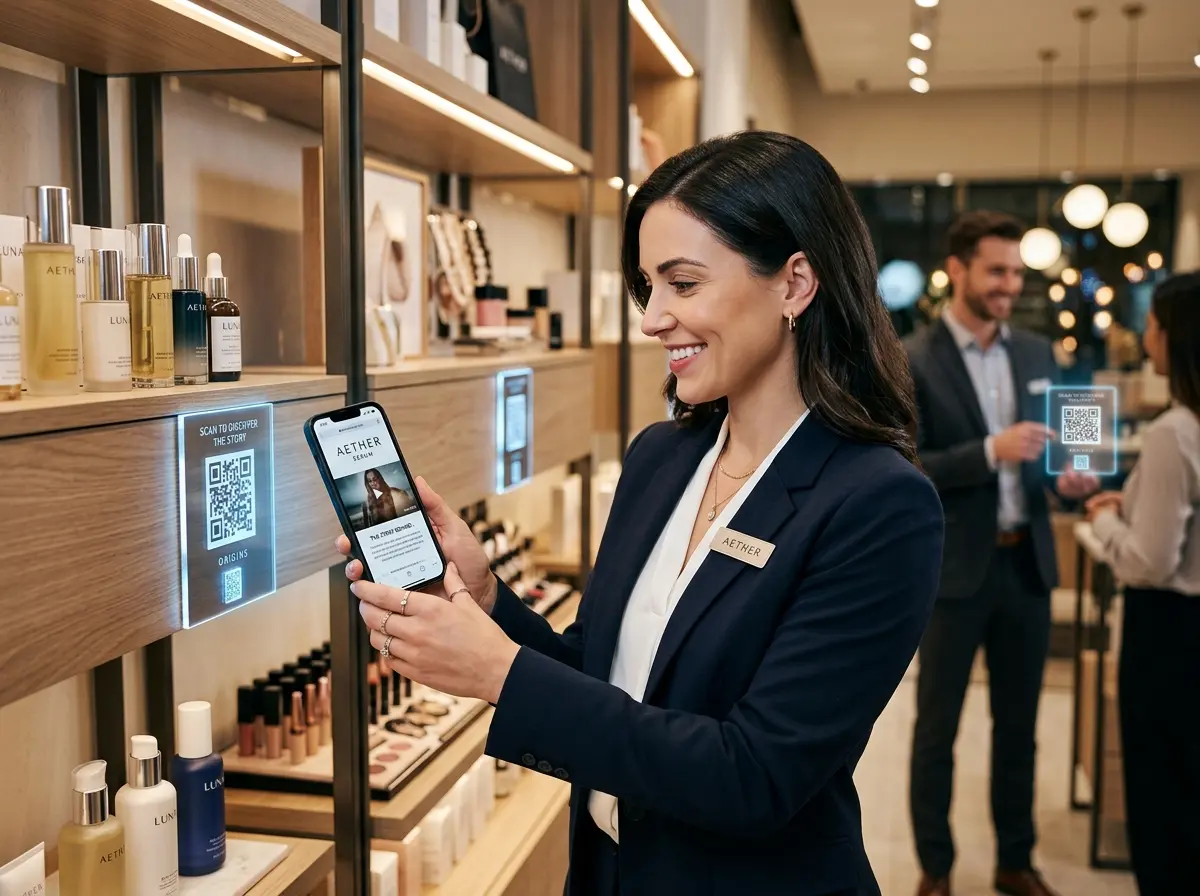
Here's a truth that often gets overlooked in inventory discussions: your customer-facing team is one of your most powerful inventory management tools. When staff proactively mention promotions on slow-moving items, recommend complementary products, or highlight current deals, they're actively shaping what gets sold. The problem is that human staff have limited bandwidth — they're ringing up customers, restocking shelves, and handling a dozen other tasks at once. Promotional messaging often falls through the cracks.
This is exactly where Stella, the AI robot employee and phone receptionist, earns her keep. In-store, Stella stands at your entrance and proactively engages every customer who walks by — greeting them, promoting current deals, and highlighting specific products you want to move. On the phone, she answers calls 24/7 with the same up-to-date product knowledge, mentioning relevant specials and cross-selling naturally during conversations. If you've got 80 units of a winter jacket you need gone before spring, Stella won't forget to mention it. She also won't go on break, call in sick, or get distracted by her phone.
Promotions That Actually Reach Customers
Stella also collects insights about which promotions customers respond to, giving you real data on what's working. Instead of guessing whether your "Buy One, Get One Half Off" on slow-moving accessories is landing, you'll have interaction data to tell you. That's the kind of feedback loop that helps you make smarter inventory and promotional decisions going forward.
Proven Strategies to Improve Your Inventory Turnover Rate
Demand Forecasting: Stop Guessing, Start Predicting
Effective inventory management starts long before products hit your shelves. Demand forecasting — using historical sales data, seasonal trends, and market signals to predict future demand — is what separates retailers who are always in stock on the right items from those perpetually drowning in the wrong ones. Modern point-of-sale systems and inventory management platforms (think Lightspeed, Square for Retail, or Shopify) offer built-in forecasting tools that analyze your sales history and flag reorder points automatically.
Start by identifying your top 20% of products that drive 80% of your revenue (the classic Pareto principle applies brilliantly here) and make sure those items are never the ones you run out of. Then turn your attention to the bottom performers — products that have been sitting for 90 days or more without meaningful movement deserve a frank evaluation. Will a promotion move them, or are they simply wrong for your customer base? Knowing the answer is infinitely better than finding out after another 90 days.
Open-to-Buy Planning: Discipline in Purchasing
One of the most effective tools for maintaining healthy turnover is an Open-to-Buy (OTB) plan — a budget-based purchasing framework that tells you exactly how much new inventory you can afford to bring in each month, based on your sales projections, current stock levels, and desired ending inventory. OTB planning prevents the all-too-common scenario where a buyer gets excited at a trade show and orders three times more than the business can realistically sell. It imposes financial discipline on purchasing decisions and keeps your inventory lean and purposeful.
If OTB planning sounds intimidating, start simple: track your beginning inventory, add planned purchases, subtract projected sales, and you've got your projected ending inventory. Adjust purchasing up or down based on whether that ending number is too high or too low for your goals. Many retailers manage this effectively in a spreadsheet before ever investing in dedicated software.
Clearance, Bundling, and Creative Liquidation
Even the best forecasters end up with slow movers. When you do, move fast — the longer a product sits, the more it costs you. A tiered markdown strategy (10% off after 30 days, 25% after 60, 40% after 90) creates urgency while preserving some margin. Bundling slow-moving items with popular ones can move dead stock without the psychological damage of a steep discount. A $15 item that isn't selling on its own can become part of a $45 curated gift bundle that sells briskly.
Flash sales, limited-time promotions, and loyalty reward events are all effective ways to create velocity on specific products. The goal isn't necessarily to make great margin on those pieces — it's to recover working capital and free up physical and mental space for products that actually sell. Think of it as pruning: a little strategic cutting makes the whole operation healthier.
Quick Reminder About Stella
Stella is an AI robot employee and phone receptionist designed to work for businesses of all types — including retailers who need a consistent, knowledgeable presence without the overhead. She greets in-store customers proactively, promotes your current deals, and answers phone calls 24/7, all for a straightforward $99/month subscription with no upfront hardware costs. If you're looking for a reliable way to make sure every customer interaction works harder for your bottom line, Stella is worth a look.
Conclusion: Turn Inventory Turnover Into a Competitive Advantage
Mastering inventory turnover isn't a one-time project — it's an ongoing discipline that compounds over time. Retailers who commit to understanding their numbers, forecasting with intention, making disciplined purchasing decisions, and moving slow stock quickly tend to find that their cash flow improves, their margins stabilize, and their buying becomes more confident over time. It's not magic; it's just good management applied consistently.
Here's where to start this week:
- Calculate your current inventory turnover ratio and compare it to industry benchmarks for your category.
- Identify your bottom 10% of SKUs by velocity and decide: promote, bundle, or discontinue.
- Review your reorder points for your top sellers and make sure you're never the reason a customer leaves empty-handed.
- Implement or refine a demand forecasting process, even if it starts as a simple spreadsheet exercise.
- Audit how your team communicates promotions to customers — and consider whether there are tools or systems that could make that process more consistent and reliable.
Your inventory shouldn't be a graveyard for good intentions and outdated buying decisions. With the right strategies in place, it becomes exactly what it's supposed to be: a well-oiled engine that keeps cash flowing, customers happy, and your business growing. Now go take a hard look at what's been sitting on that back shelf since last April. You know the one.