The Little Clinic That Could (If It Could Just Answer the Phone)
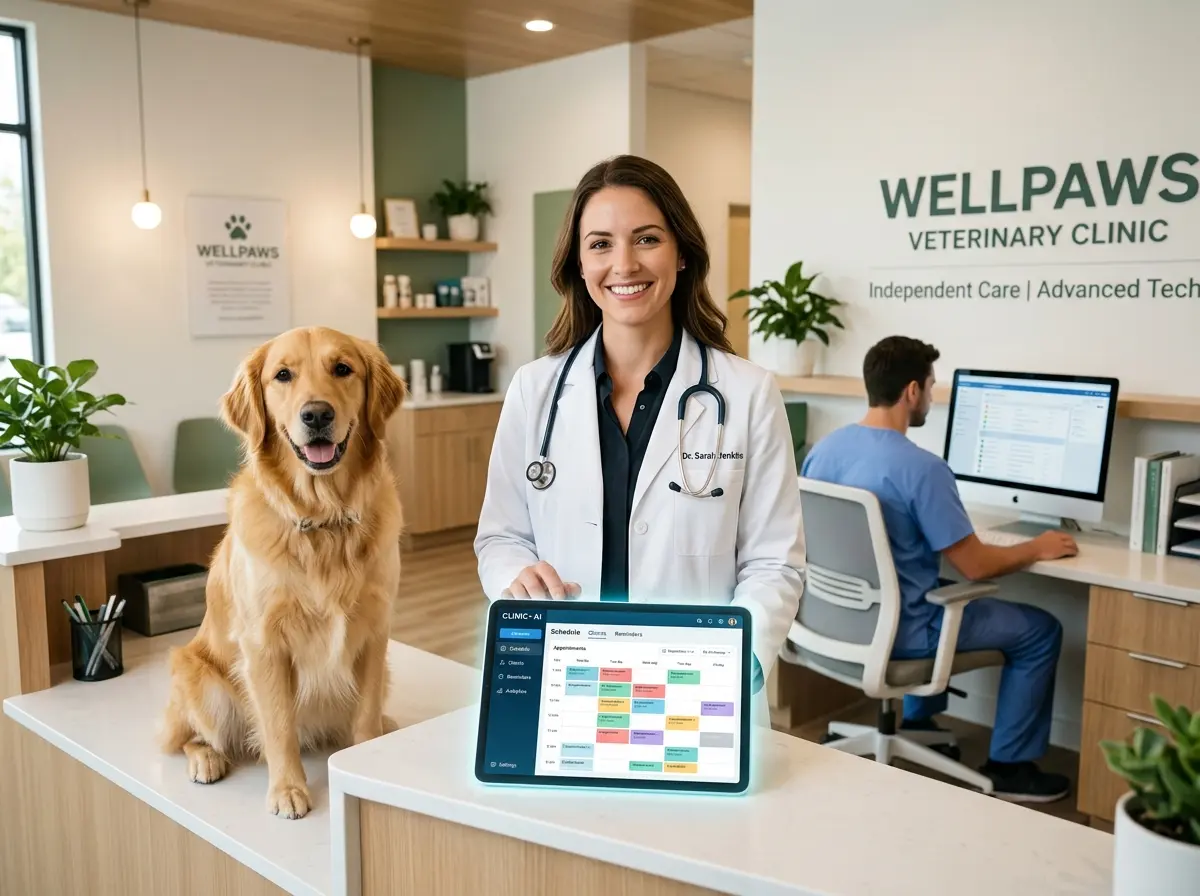
Let's be honest: running an independent veterinary clinic in the age of corporate mega-chains is a bit like bringing a golden retriever to a dog show dominated by professionally groomed poodles. You've got heart, you've got loyalty, and your clients genuinely love you — but the big guys have resources. They have dedicated front desk staff, extended hours, slick online portals, and the kind of operational infrastructure that makes them look effortlessly professional even at 2 a.m. on a Sunday.
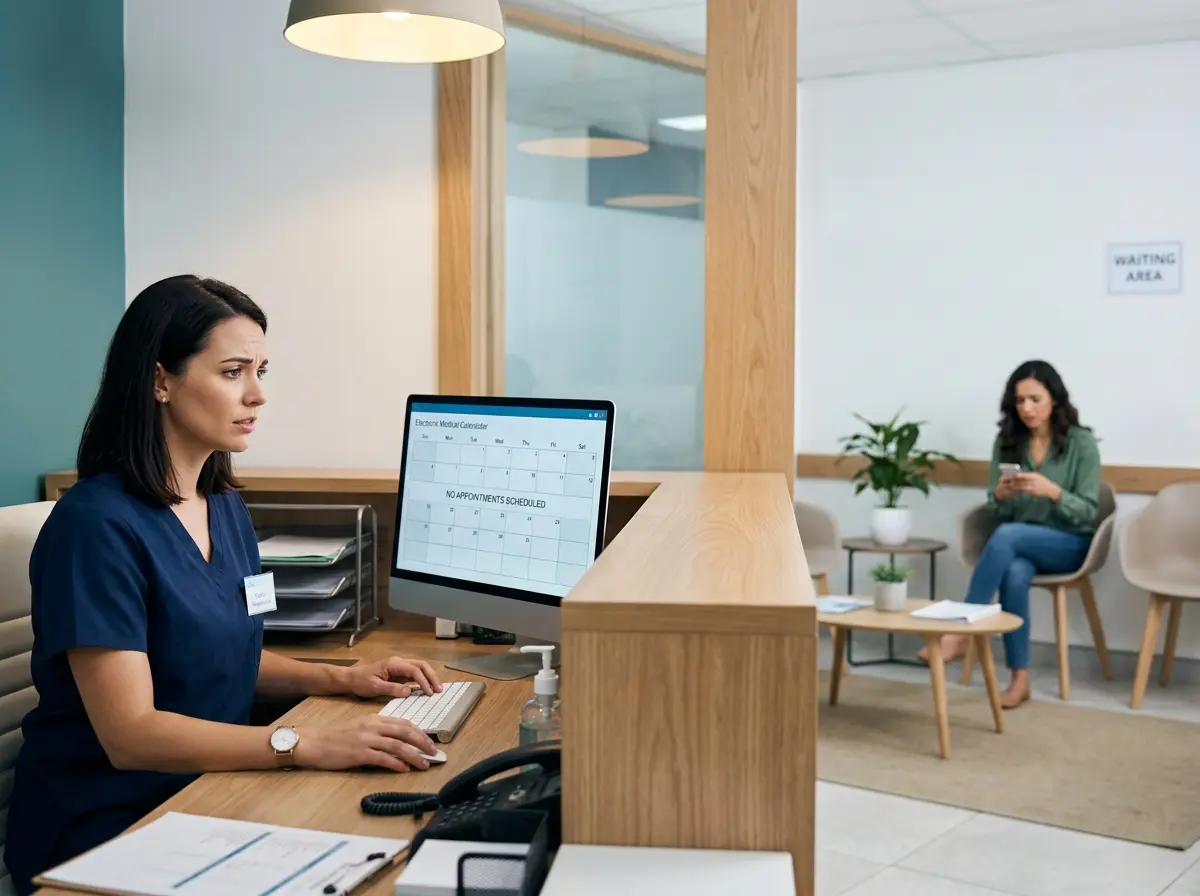
Meanwhile, your receptionist is juggling a ringing phone, a check-in for a nervous tabby, a question about heartworm prevention, and an invoice dispute — simultaneously. It's impressive, honestly. But it's not scalable, and it's costing you clients you don't even know you're losing.
Here's the good news: the same AI technology that gives corporate chains their operational edge is now accessible to independent clinics at a fraction of the cost. And it doesn't require a corporate budget, a tech team, or a complete overhaul of how you run your practice. It just requires a smarter front desk.
Why Corporate Chains Have the Advantage (And How They Got It)
The Infrastructure Gap Is Real
Corporate veterinary groups like VCA, Banfield, and BluePearl didn't grow by being better veterinarians. In many cases, independent clinics offer superior, more personalized care. What the chains did — and did brilliantly — was build operational systems that made them appear more reliable and professional to the average pet owner. Consistent branding, 24/7 phone coverage, automated appointment reminders, online booking, and quick response times all contribute to a client experience that feels polished and trustworthy.
According to the American Veterinary Medical Association, corporate-owned practices now account for more than 25% of all veterinary clinics in the U.S. — a number that has been climbing steadily. The growth isn't just because they're buying up clinics; it's because they're retaining clients through consistency and convenience.
The Phone Problem Nobody Talks About
Here's a statistic that should make every independent clinic owner pause: studies show that up to 62% of calls to small businesses go unanswered. For a veterinary clinic, a missed call isn't just a missed appointment — it's a pet owner who is anxious, possibly dealing with an urgent situation, and now scrolling to the next clinic on Google. They're not leaving a voicemail. They're leaving you.
Corporate chains solve this with dedicated call centers and overflow staffing. Independent clinics solve this by hoping for the best and apologizing a lot. There's a better way.
Client Expectations Have Changed
Today's pet owners — particularly millennials, who now represent the largest demographic of pet owners in the U.S. — expect immediate, accurate responses. They want to know your hours, whether you carry a specific flea treatment, what your new patient process looks like, and whether you see exotic animals, before they even consider booking. If they can't get that information quickly and easily, they'll find someone who provides it. The bar for "good enough" has officially been raised, and it keeps rising.
How AI Receptionists Level the Playing Field
Meet Your New Front Desk Employee Who Never Calls in Sick
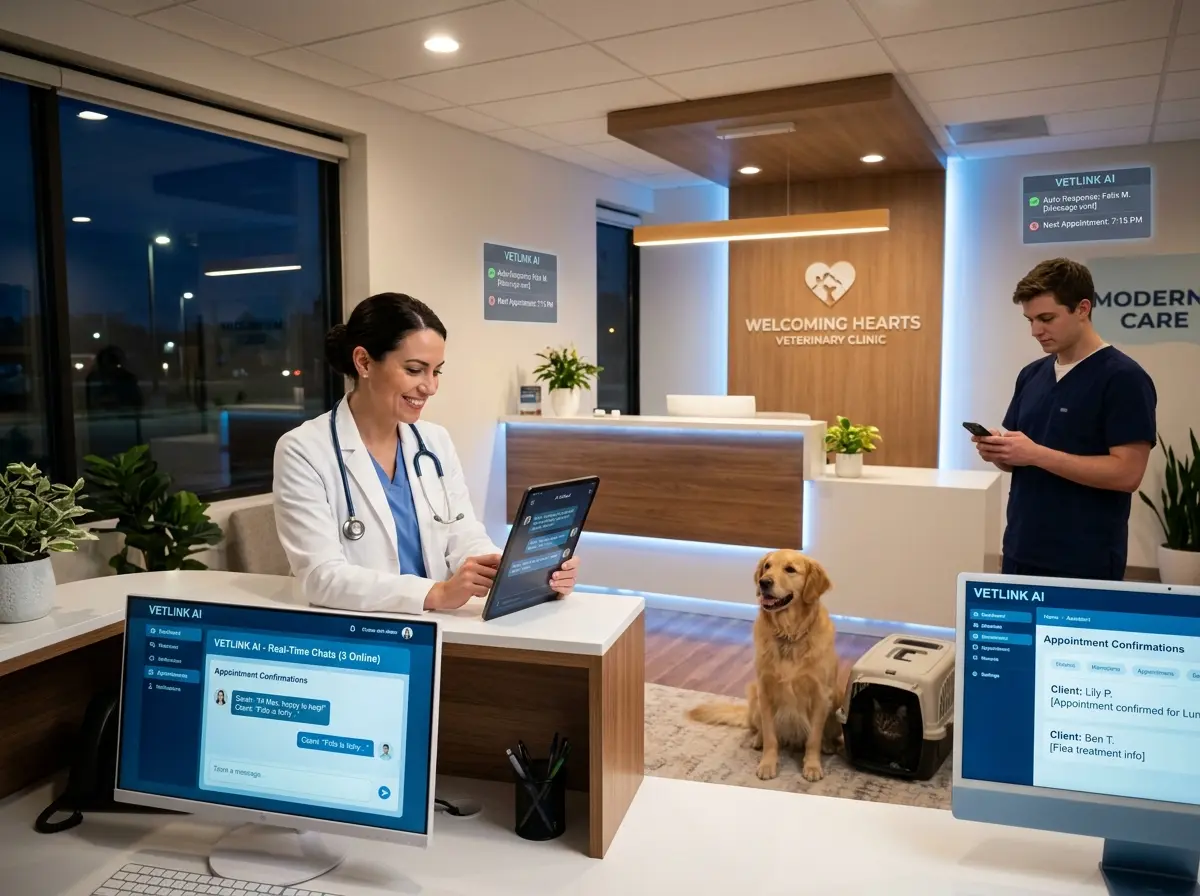
This is where tools like Stella become genuinely exciting for independent clinic owners. Stella is an AI receptionist that works both as a physical in-clinic kiosk and as a 24/7 phone answering system. She greets clients who walk through your door, answers questions about your services, promotes your current offers, and handles incoming calls with the same knowledge and professionalism as your best human staff member — except she's available around the clock, never gets flustered during a busy Monday morning, and doesn't need a lunch break.
For phone calls, Stella can handle routine inquiries entirely on her own, collect patient intake information through natural conversation, and forward calls to human staff when the situation genuinely requires it. She also takes voicemails with AI-generated summaries and sends push notifications to managers — so nothing falls through the cracks, even after hours. Her built-in CRM lets you track client interactions, tag records, add notes, and build AI-generated profiles that help your team stay informed without manual data entry.
At $99/month with no upfront hardware costs, this isn't enterprise technology reserved for corporate groups. It's an accessible, practical solution for the independent clinic that wants to compete without compromising what makes it special.
Practical Ways Independent Clinics Are Using AI to Win
Capturing After-Hours Inquiries and Converting Them to Appointments
One of the most immediate wins for independent veterinary clinics is simply being reachable when corporate competitors are staffed and you're not. Think about the pet owner whose dog starts limping at 7 p.m. on a Thursday. They call your clinic, expecting voicemail purgatory, and instead get a responsive AI that collects their information, explains your next available appointment times, outlines your after-hours emergency protocol, and logs everything so your staff can follow up first thing Friday morning. That interaction — professional, warm, and helpful — is the difference between a new loyal client and a one-time visit to the chain down the street.
Clinics that deploy AI phone systems report significant improvements in lead capture rates outside of business hours. More importantly, they report that clients notice — and appreciate — the responsiveness. It signals that the clinic is organized and that their pet's care is taken seriously.
Reducing Staff Burnout Without Reducing Care Quality
Veterinary medicine has a well-documented burnout crisis. Front desk staff at busy clinics are often the first point of contact for distressed, emotional, and sometimes difficult clients — all while managing a complex administrative workload. When an AI system handles routine inquiries (hours, pricing, services, vaccine schedules, directions), it frees your human team to focus on the interactions that actually require a human: the grieving pet owner, the complicated billing situation, the client who needs reassurance before a surgical procedure.
This isn't about replacing your staff. It's about deploying them where they're most valuable. And frankly, your receptionist will thank you for it.
Upselling and Client Education Done Naturally
Corporate chains invest heavily in scripted upselling — wellness packages, dental cleanings, preventative care bundles. Independent clinics often skip this entirely, either because it feels awkward or because there simply isn't time during a busy check-in. AI receptionists can fill this gap gracefully. When a client calls to schedule a routine wellness exam, an AI system can mention that your clinic is currently running a dental health promotion, or that a particular wellness package includes services the client has previously inquired about. It's proactive without being pushy, and it mirrors the kind of strategic promotion that corporate groups do systematically.
The result is a clinic that not only provides excellent care but also communicates its full value to clients — which translates directly to revenue and retention.
Quick Reminder About Stella
Stella is an AI robot employee and phone receptionist built for businesses of all sizes, including independent veterinary clinics that want enterprise-level front desk capabilities without the enterprise-level price tag. She works as a physical in-clinic kiosk that greets and engages clients in person, and as a 24/7 phone receptionist that handles calls, collects intake information, manages contacts through a built-in CRM, and keeps your team informed with AI-generated summaries and notifications. At $99/month with no upfront hardware costs, she's one of the most cost-effective hires you'll ever make.
Your Independent Clinic's Competitive Edge Starts at the Front Desk
The gap between independent veterinary clinics and corporate chains isn't as wide as it looks — and in the areas that matter most to clients (personalized care, trusted relationships, genuine expertise), independent clinics often have the clear advantage. The operational gap, however, is real and closeable. AI receptionist technology is no longer a luxury reserved for large organizations. It's an affordable, practical tool that independent clinic owners can deploy today to improve responsiveness, reduce staff burden, capture more clients, and present the kind of polished, professional experience that builds long-term loyalty.
Here's what you can do right now:
- Audit your missed calls. Check how many calls go unanswered in a given week, and estimate what each missed call costs you in lost appointments and lifetime client value. The number will probably surprise you.
- Identify your highest-friction touchpoints. Where do clients get frustrated or fall through the cracks? After-hours calls? Intake paperwork? Unanswered questions about services? These are the gaps AI can close.
- Start small, scale smart. You don't need to overhaul your entire operation overnight. Start with AI phone answering and see how it changes your team's workload and your clients' experience. Build from there.
Corporate chains have size and resources. You have something they can't replicate: a genuine connection with your community and a reputation built on real relationships. Give yourself the operational tools to match that reputation at every touchpoint — including the first phone call. Because the clinic that answers, informs, and follows up is the clinic that wins, regardless of who's backing it.