The Silent Revenue Killer Sitting in Your Waiting Room
Let's talk about no-shows. Not the kind where your star employee calls in sick on your busiest day — though that's its own special kind of pain — but the kind where a patient books an appointment, takes up a slot on your calendar, and then simply... doesn't show up. No call. No text. No carrier pigeon. Just a gaping hole in your schedule and money quietly evaporating into thin air.
For dental practices, this is a particularly brutal problem. The American Dental Association estimates that no-shows and last-minute cancellations cost the average dental practice anywhere from $30,000 to $50,000 per year. That's not a rounding error — that's a full-time employee's salary, a serious equipment upgrade, or approximately 10,000 cups of coffee to help you cope with the stress of it all.
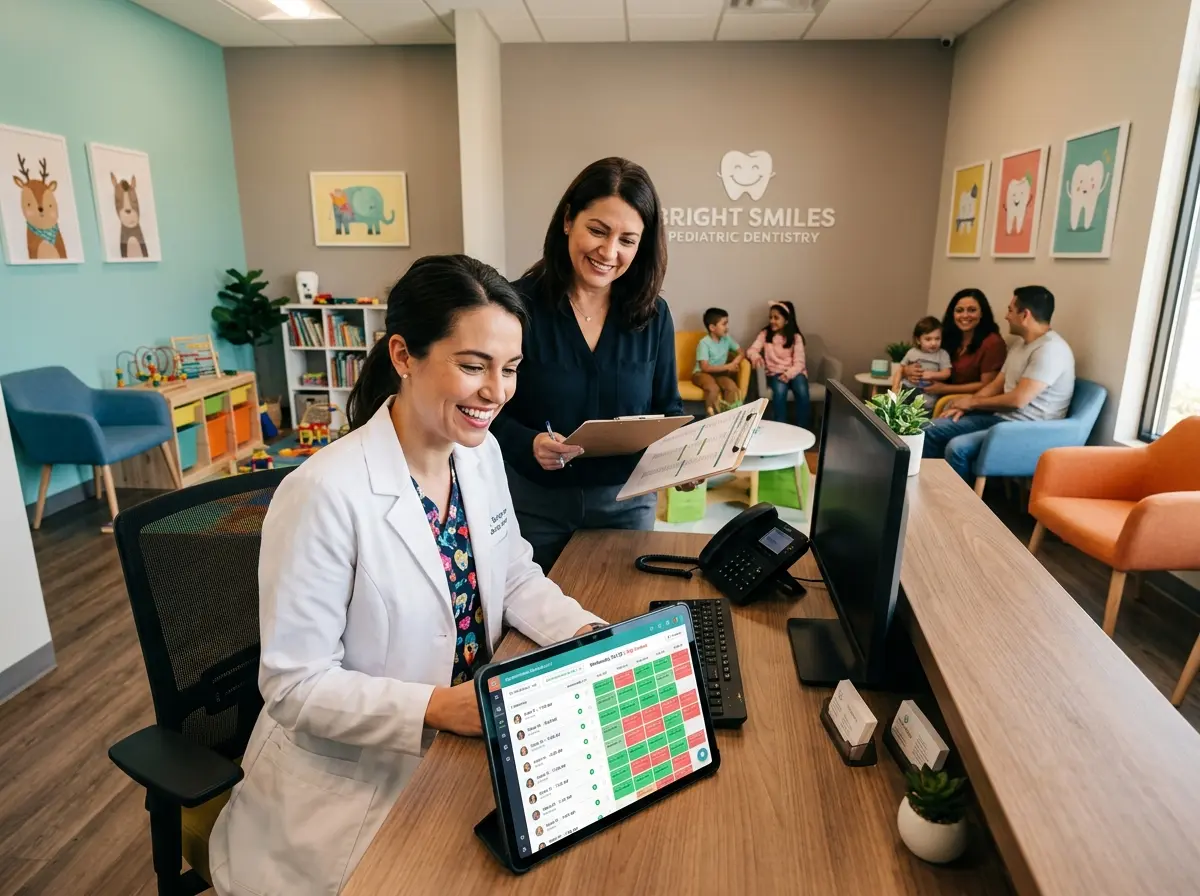
One dental practice decided enough was enough. By implementing a structured, automated appointment reminder sequence, they cut their no-show rate by 60%. Here's exactly what they did, why it worked, and how you can steal — er, borrow — their strategy for your own practice.
Understanding Why Patients Ghost Their Appointments
It's Not (Always) Malicious
Before you assume your patients are simply inconsiderate humans who enjoy watching your overhead costs climb, consider the reality: most no-shows happen because life is chaotic and human memory is shockingly unreliable. A patient books an appointment six weeks in advance, fully intending to show up, and then gets buried under work deadlines, school pickups, and the general entropy of modern life. The appointment slips their mind entirely. They're not ghosting you — they just forgot you existed, which is arguably worse, but at least it's fixable.
Other common culprits include anxiety (dentistry is not exactly most people's favorite outing), scheduling conflicts that pop up after the booking, and simply not receiving a timely or compelling reminder. The good news? Most of these are problems you can actually solve with the right communication strategy.
The True Cost Beyond the Empty Chair
The direct revenue loss from a missed appointment is obvious, but the ripple effects are worth acknowledging. When a patient no-shows, you've also lost the opportunity to fill that slot with someone from your waitlist. Your staff has prepped for an appointment that never happened. And if it becomes a pattern, your scheduling efficiency deteriorates, making it harder to predict daily revenue and staff workload accurately.
There's also a relationship cost. Patients who no-show without consequences often become habitual no-shows. Without a structured follow-up process, they may fall out of your care cycle entirely — which is bad for them clinically and bad for your practice financially. A well-designed reminder sequence doesn't just reduce no-shows; it actively strengthens the patient relationship by making them feel remembered and valued.
The Exact Reminder Sequence That Delivered a 60% Reduction
The Four-Touch Framework
The dental practice in question moved away from a single reminder call the day before — the industry standard for years — and adopted a multi-touch sequence spread across the days and weeks leading up to each appointment. Here's the sequence that produced results:
- Immediately After Booking — Confirmation Message: A confirmation text and email sent within minutes of scheduling. This serves as the patient's first anchor point and includes the date, time, provider name, and a link to add the appointment to their calendar.
- One Week Before — Warm Reminder: A friendly, conversational message reminding the patient of their upcoming appointment and providing easy options to confirm, reschedule, or cancel. Crucially, this one invites a response — it's not a broadcast, it's a nudge.
- 48 Hours Before — Confirmation Request: A slightly more direct reminder asking the patient to confirm their attendance. If they don't confirm, a follow-up is triggered automatically within a few hours. This is where the sequence earns its keep — it surfaces the "soft no-shows" while there's still time to fill the slot.
- Morning of the Appointment — Day-Of Reminder: A brief, friendly message with the appointment time, address, and parking instructions. Short, practical, and impossible to ignore.
The Tone That Actually Gets Responses
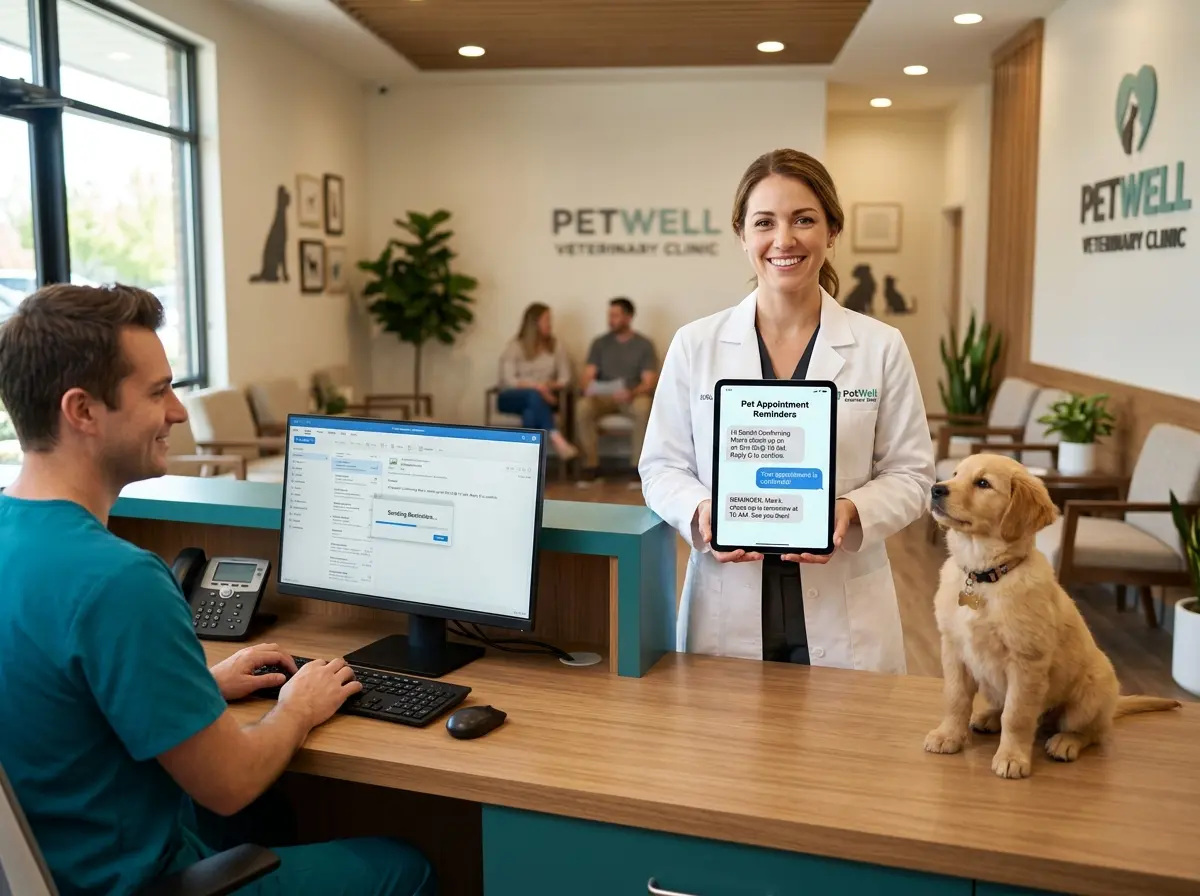
The content of these messages mattered just as much as the timing. The practice ditched clinical, robotic language in favor of warm, human-sounding copy. Messages were personalized with the patient's first name and their provider's name. Instead of "You have an appointment on Thursday," they used "Hi Sarah — just a friendly reminder that you're all set with Dr. Martinez this Thursday at 2:00 PM! Reply YES to confirm or call us to reschedule."
This framing does something subtle but powerful: it creates a micro-commitment. When a patient actively replies "YES," they've now consciously reaffirmed their intention to show up. That psychological investment makes them significantly more likely to follow through. Patients who confirmed via this method showed up at a rate nearly three times higher than those who received reminders without a confirmation request.
What to Do When a Patient Doesn't Respond
The sequence also included a protocol for non-responders. If a patient didn't confirm by the 24-hour mark, a staff member made a brief personal call — not to scold, but to check in and offer easy rescheduling. This human touchpoint at a critical window converted a significant portion of likely no-shows into confirmed appointments or timely cancellations that could be filled from the waitlist. The combination of automation handling the heavy lifting and humans stepping in only when necessary proved to be the most efficient and cost-effective model.
How Technology — and the Right Tools — Make This Scalable
Automating Without Losing the Human Touch
The most common objection to a four-touch reminder sequence is straightforward: "We don't have the staff bandwidth to manage all of that." And if you're doing it manually, that's a fair point. A busy dental practice with 30 or more appointments per day can't have a front desk team hand-crafting and sending four messages per patient. That's where automation earns its place — not to replace human judgment, but to handle the repetitive, time-sensitive communication that doesn't require a human at all.
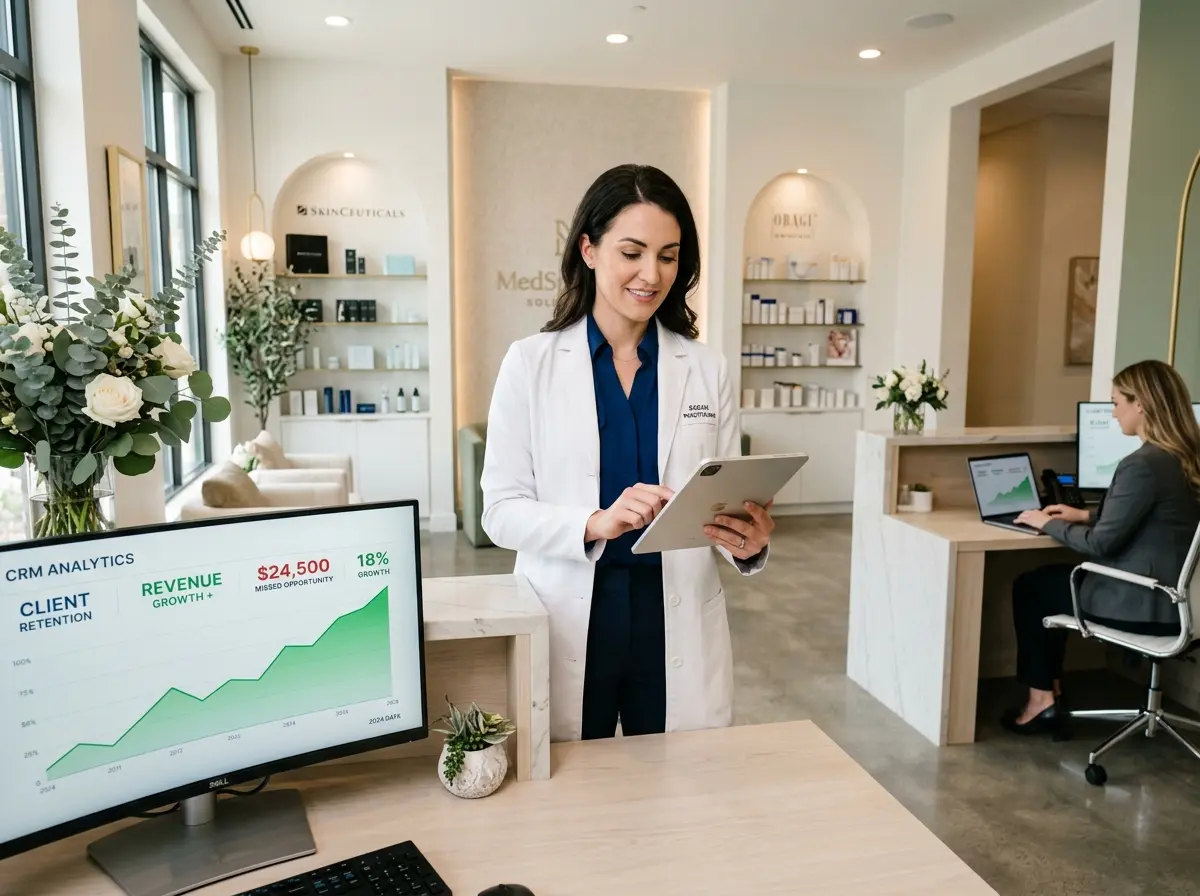
Stella, the AI robot employee and phone receptionist, is purpose-built for exactly this kind of patient-facing communication challenge. She handles phone calls 24/7 — so when a patient calls to reschedule after receiving a reminder at 9 PM on a Sunday, she's there to take the call, update the appointment, and even collect intake information through her built-in conversational intake forms. Her integrated CRM keeps patient contact details, notes, tags, and AI-generated profiles organized and actionable, so your team always has context when they do need to step in. For a dental practice managing dozens of daily appointments, Stella relieves the front desk of a significant communication burden without sacrificing the responsiveness patients expect.
Adapting This Strategy Beyond the Dental Chair
Industries Where This Framework Translates Directly
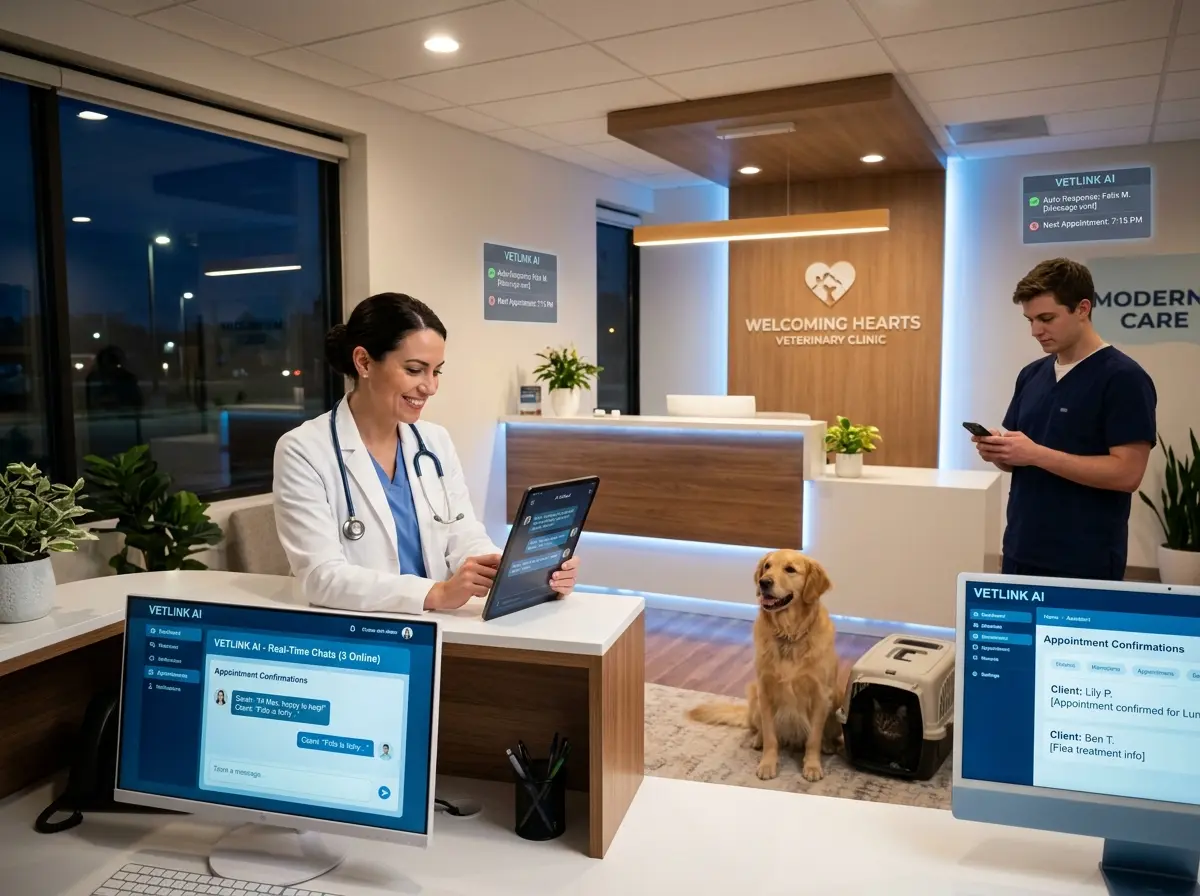
If you're reading this and thinking "this is great for dentists, but I run a spa," stop right there — because this strategy is entirely transferable. Any service-based business that operates on appointments is vulnerable to no-shows and stands to benefit from a structured reminder sequence. Med spas, hair salons, law firms, auto shops, physical therapy clinics, personal training studios, and veterinary practices all face the same fundamental problem: people book, people forget, and empty slots cost money.
The specific timing and tone may vary by industry. A law firm's reminder sequence will likely be more formal than a blow-dry bar's. A veterinary clinic might include a helpful pre-appointment checklist for what to bring. But the core framework — confirm immediately, remind at one week, request confirmation at 48 hours, and send a day-of message — translates across virtually every appointment-based business model.
Turning Cancellations Into Opportunities
One underutilized benefit of a well-designed reminder sequence is what happens when patients do cancel. An early cancellation — say, five or more days out — is actually good news if you have a system to act on it. Maintaining an active waitlist and pairing it with your reminder sequence means that every cancellation becomes a potential filled slot rather than a lost booking. Practices that integrated a waitlist notification system alongside their reminder sequence reported recovering up to 40% of cancelled appointments by filling them from the waitlist within hours of the cancellation.
This requires two things: a mechanism for patients to easily cancel (which your reminders should provide), and a process for quickly reaching out to waitlisted patients. Automation handles both elegantly — the cancellation triggers an automatic waitlist notification, and the first person to respond gets the slot. It's efficient, fair, and surprisingly satisfying to watch an empty slot disappear from the schedule in real time.
Quick Reminder About Stella
Stella is an AI robot employee and phone receptionist available for just $99/month — no upfront hardware costs, no complicated setup. For practices and service businesses with a physical location, she's a human-sized kiosk that greets patients, answers questions, and promotes your services in person. For every business, she answers phones around the clock, manages contacts through her built-in CRM, and handles the kind of routine communication that currently eats your front desk team's time and energy.
Your Action Plan Starts Today
Reducing no-shows by 60% isn't magic — it's a system. The dental practice that achieved these results didn't overhaul their entire operation overnight. They made a deliberate decision to replace a single, easily-ignored reminder with a thoughtful, multi-touch sequence that met patients where they were, in the formats they preferred, at the moments that actually influenced behavior.
Here's how to get started this week:
- Audit your current no-show rate. If you're not tracking it, start now. You can't improve what you don't measure.
- Map your existing reminder touchpoints. What are you currently sending, and when? Identify the gaps.
- Draft your four-message sequence using the framework above, customized for your industry's tone and your patients' or clients' expectations.
- Choose an automation tool that can trigger messages based on appointment timing and capture confirmation responses — and consider how AI-powered tools like Stella can extend that capability to phone communication and patient management.
- Build or activate your waitlist so that every cancellation has somewhere productive to go.
Your schedule is a finite resource. Every no-show is a unit of that resource wasted — and unlike most business problems, this one is genuinely, practically, and affordably solvable. The only thing left to do is start.