When Every Second Counts and Every Phone Rings Twice
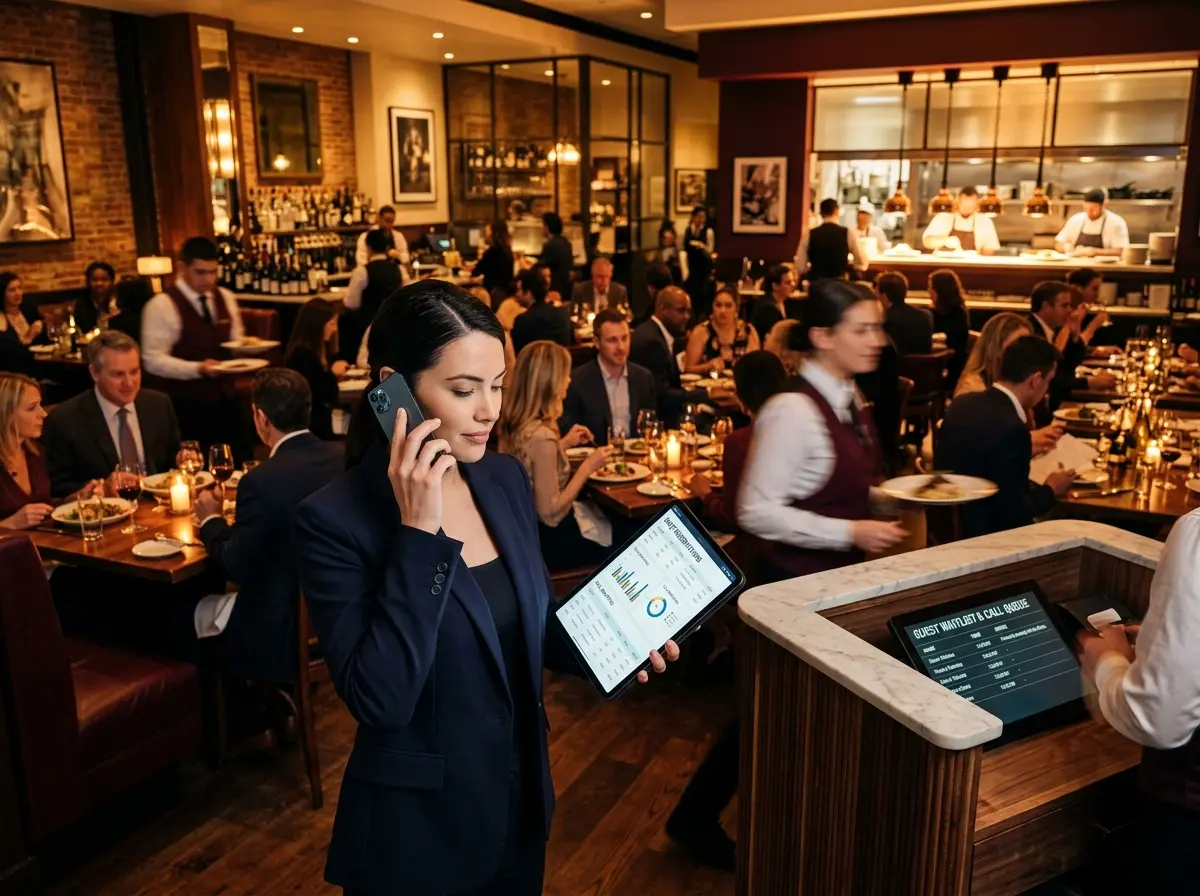
Picture this: It's 6:47 PM on a Friday. Your dining room is packed, your kitchen is in full chaos mode, your servers are sprinting between tables, and your phone — bless its heart — will not stop ringing. Someone wants to know if you take reservations. Someone else wants to know your hours (which are, by the way, listed on Google, Yelp, your website, and probably painted on your front door). And a third caller just wants to order a large pepperoni pizza, which you haven't served since 2019.
Welcome to rush hour at a restaurant, where the food isn't the only thing getting burned.
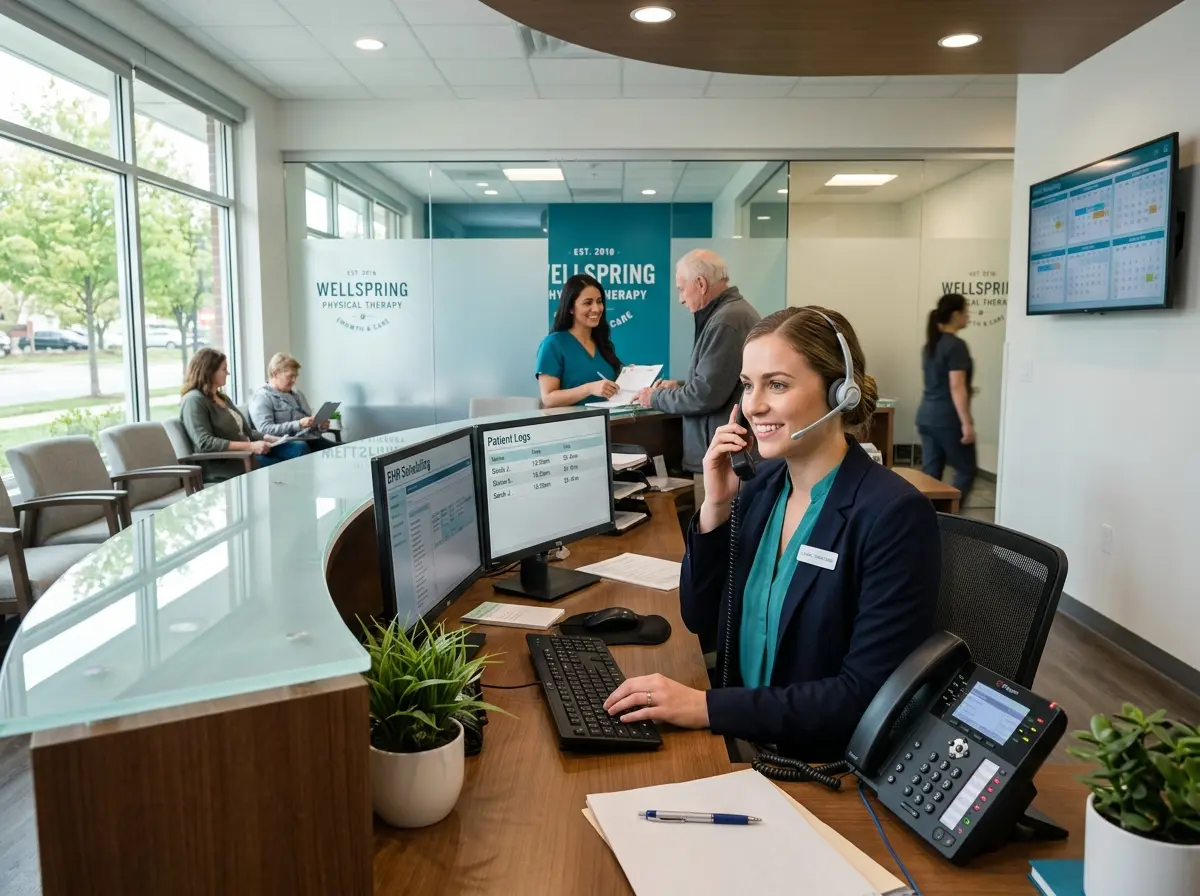
Managing call volume during peak hours is one of the most underestimated operational challenges in the restaurant industry. Miss too many calls, and you lose reservations, catering inquiries, and loyal customers who just wanted a quick answer. Answer every call yourself, and your in-person service suffers — which means the customers already sitting in your restaurant start noticing. It's a lose-lose that nobody puts on the menu, but everyone ends up eating.
The good news? There are real, practical strategies to get your phone situation under control — and keep it that way, even when the dinner rush hits like a freight train.
Understanding the Rush Hour Phone Problem
The Hidden Cost of Missed Calls
Let's talk numbers for a moment, because they're a little sobering. Studies suggest that 85% of customers whose calls go unanswered will not call back — they'll simply move on to a competitor. For a restaurant, that could mean a lost reservation for a party of eight, a catering order worth hundreds of dollars, or a first-time customer who never gets a second chance to become a regular.
And here's the part that stings: during rush hour, when your staff is at their most stretched, is also when your phone rings the most. People decide where to eat while they're already hungry. That window between "I want to go out tonight" and "I just made a reservation somewhere" is razor-thin — and if your phone rings six times and goes to a generic voicemail, you've already lost them.
Why "Just Have Someone Answer the Phone" Doesn't Work
The classic advice is to designate a staff member to handle calls during peak hours. In theory, wonderful. In practice, that designated person is also seating guests, running food, handling a card machine issue at table four, and trying to explain to a very confused delivery driver where the back entrance is.
Pulling a team member off the floor to answer phones during a dinner rush doesn't solve the problem — it redistributes it. Your phone gets answered, but your table service slows down, your staff gets more frazzled, and the overall guest experience takes a hit. You've essentially robbed Peter to pay Paul, and Peter is very unhappy about it.
Categorizing Your Calls: What Are People Actually Asking?
Before you can manage call volume effectively, it helps to understand what's driving it. Most restaurant calls during peak hours fall into a predictable set of categories:
- Hours and location questions — information that's already publicly available but still generates an enormous volume of calls
- Reservation requests — time-sensitive and revenue-critical
- Menu and dietary inquiries — "Do you have gluten-free options?" asked approximately 40 times per week
- Order status questions — particularly for takeout and delivery
- Catering and event inquiries — high-value calls that absolutely deserve a real response
When you map your calls this way, something interesting becomes clear: the majority of your rush-hour calls are for information that doesn't require a human decision-maker. That distinction is the foundation of every smart call management strategy.
How Smarter Tools Can Take Calls Off Your Plate
Let Technology Handle the Predictable Stuff
This is where Stella, the AI robot employee and phone receptionist, becomes genuinely relevant to your operation. Stella answers phone calls 24/7, handles common questions about your hours, menu, policies, and specials, and does it all with the same knowledge your best-informed staff member would bring — minus the bad days and the need for a lunch break.
For calls that require a human touch — a complex catering inquiry, a complaint that needs a manager, or a reservation with special accommodations — Stella can forward the call to your staff based on conditions you configure. She can also take voicemails with AI-generated summaries and send push notifications to managers, so nothing slips through the cracks just because you were elbow-deep in a dinner service. And if you have a physical location, she's also available as an in-store kiosk, greeting walk-in customers and answering their questions so your front-of-house team can stay focused on hospitality rather than trivia.
Her built-in CRM and conversational intake forms mean that when a customer does call to ask about a private dining event, Stella can collect their details, log them automatically, and make sure the right person follows up — all without a staff member needing to grab a pen and a sticky note that will inevitably end up under a prep table.
Operational Strategies to Reduce Call Volume at the Source
Make Your Information Impossible to Miss
The single most effective way to reduce inbound call volume is to make the answers people are looking for so easy to find that calling feels unnecessary. This sounds obvious, but you'd be amazed how many restaurants have outdated Google Business profiles, buried menu PDFs, or hours listed only on a website page that hasn't been updated since a previous owner had the place.
Audit every public-facing touchpoint: Google, Yelp, TripAdvisor, your website, your social media bios, and even your outgoing voicemail message. Make sure hours, location, parking notes, and reservation policies are front and center. A well-maintained Google Business profile with posts, updated hours, and a direct reservation link can eliminate dozens of calls per week. That's not an exaggeration — that's just good digital housekeeping.
Use Online Reservations and Ordering to Intercept Demand
If your restaurant doesn't have an online reservation system, now is an excellent time to reconsider that life choice. Platforms like OpenTable, Resy, or even a simple booking widget on your website allow customers to do what they actually want to do — secure a table — without ever needing to call. The same logic applies to online ordering for takeout and delivery. Every customer who completes a transaction online is one fewer person tying up your phone line during the dinner rush.
Prominently feature these options on your website, in your Google profile, and in your social media links. Reduce the friction between "I want to eat at your restaurant" and "I just booked it" to as close to zero as possible. The easier the path, the less often customers will default to calling.
Train for Call Triage, Not Call Answering
When calls do need to be handled by a human, the goal isn't to answer everything — it's to answer the right things efficiently. Train your staff to quickly assess the nature of a call and either resolve it in under sixty seconds or route it appropriately. A question about hours? Fifteen-second answer, cheerful goodbye, back to the floor. A complaint from a customer who had a bad experience last week? That gets escalated to a manager, not improvised by whoever happened to pick up the phone.
Develop simple internal scripts for your most common call types. This isn't about being robotic — it's about giving your team a confident starting point so they're not fumbling for answers while a table of five waits to be greeted. Consistency and speed matter more than polish when the rush is on.
A Quick Reminder About Stella
Stella is an AI robot employee and phone receptionist built for businesses that can't afford to let calls fall through the cracks — which, frankly, is every business. She answers calls around the clock, handles the questions your staff shouldn't have to stop everything for, and keeps a professional, consistent presence whether your team is slammed during dinner service or closed on a Sunday morning. At $99/month with no upfront hardware costs, she's the team member who never calls in sick, never asks for a raise, and never accidentally puts a catering inquiry on hold indefinitely.
Taking Back Control of Your Rush Hour
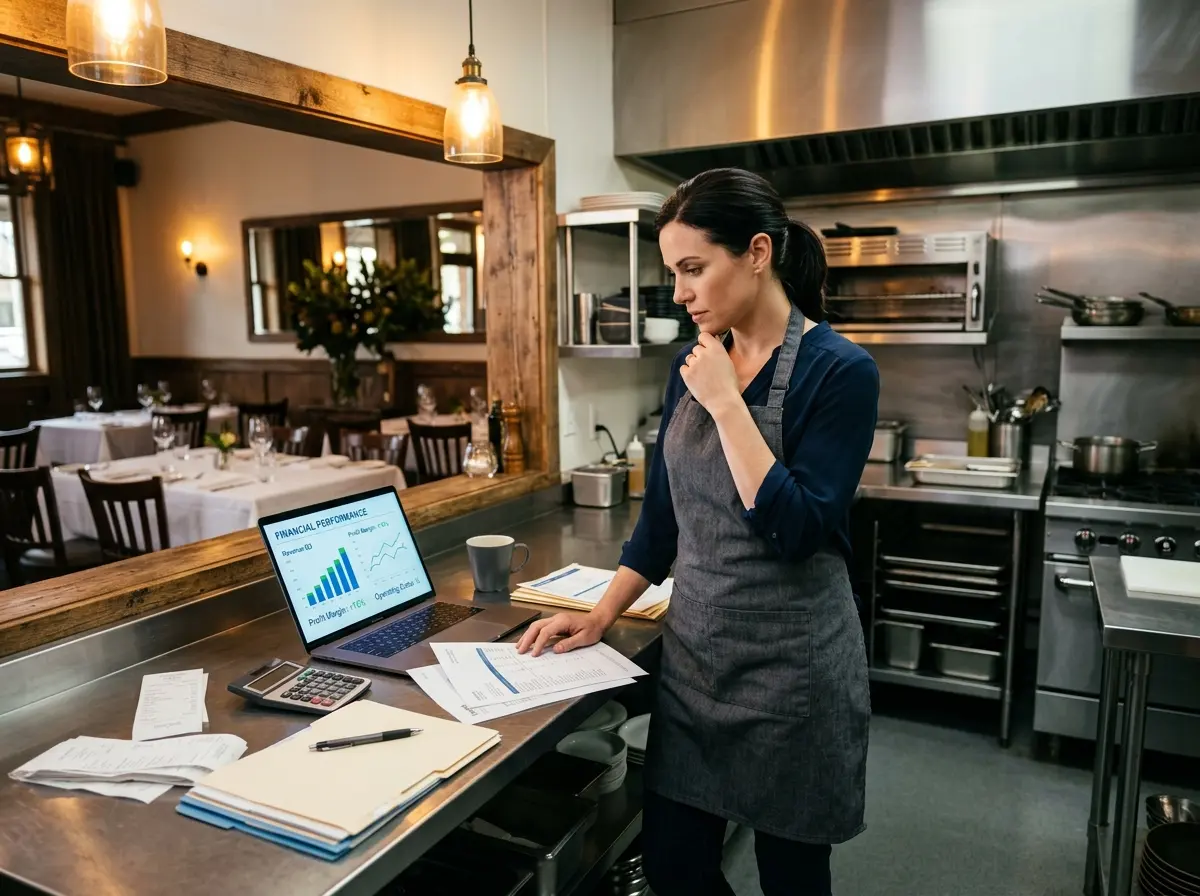
Managing call volume during rush hour isn't about answering every call faster — it's about building a system where fewer calls need to be answered by a human in the first place, and the ones that do get handled efficiently and without disrupting your floor operation.
Here's where to start:
- Audit your public information. Update your Google profile, website, and social channels so the easy questions answer themselves.
- Enable online reservations and ordering. Intercept demand before it becomes a phone call.
- Categorize your calls. Identify which types of calls can be automated and which require a human, then build your system accordingly.
- Train your team on call triage. Give them scripts and clear escalation paths so they can handle calls quickly without leaving tables unattended.
- Consider AI phone support. Tools like Stella exist precisely for this problem — available 24/7, knowledgeable about your business, and built to handle the volume your staff simply can't.
Your restaurant is working hard enough during rush hour. Your phone system should be working hard for you — not against you. A little strategy, the right tools, and a willingness to stop treating every call as a manual task goes a long way toward keeping your operation running smoothly when the stakes are highest.
Now go take a breath. The dinner rush isn't going anywhere — but at least now, neither is your sanity.