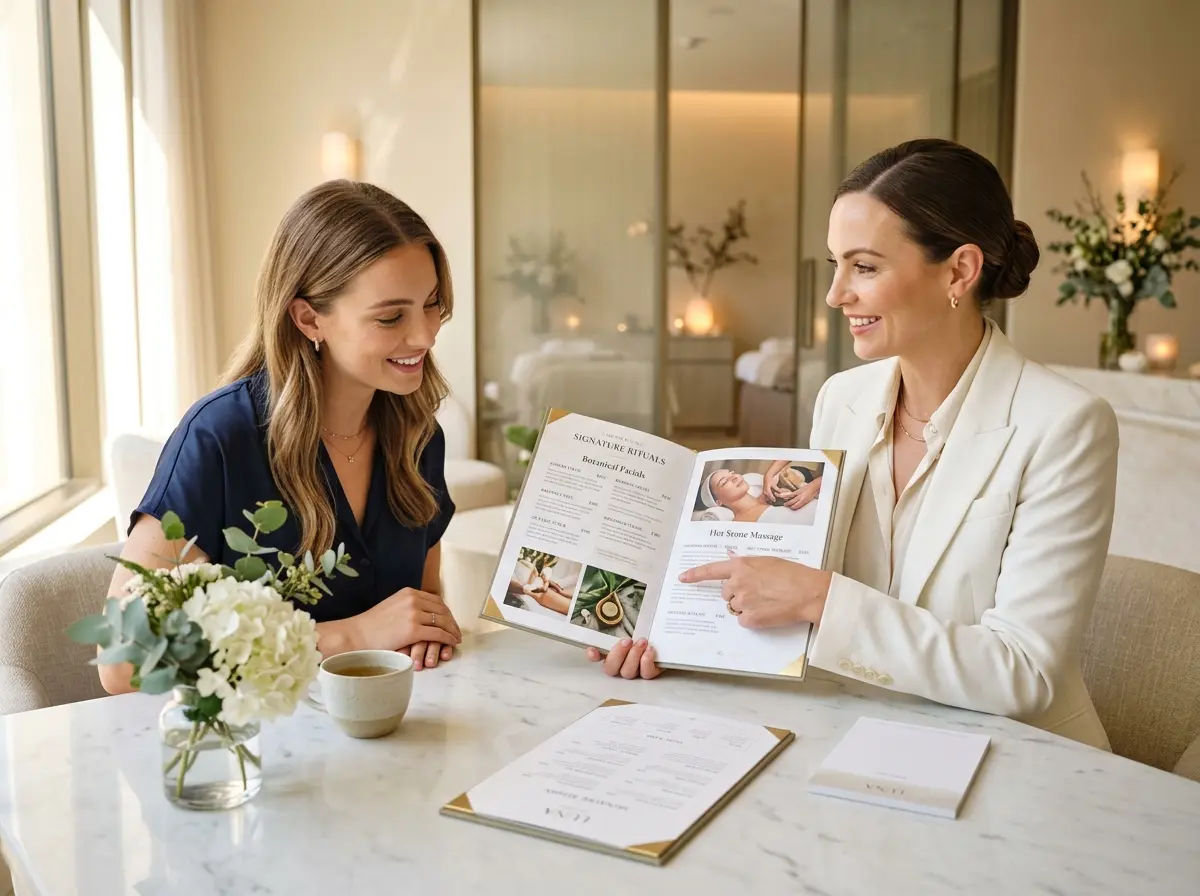
Your Menu Is Either Making You Money or Leaving It on the Table
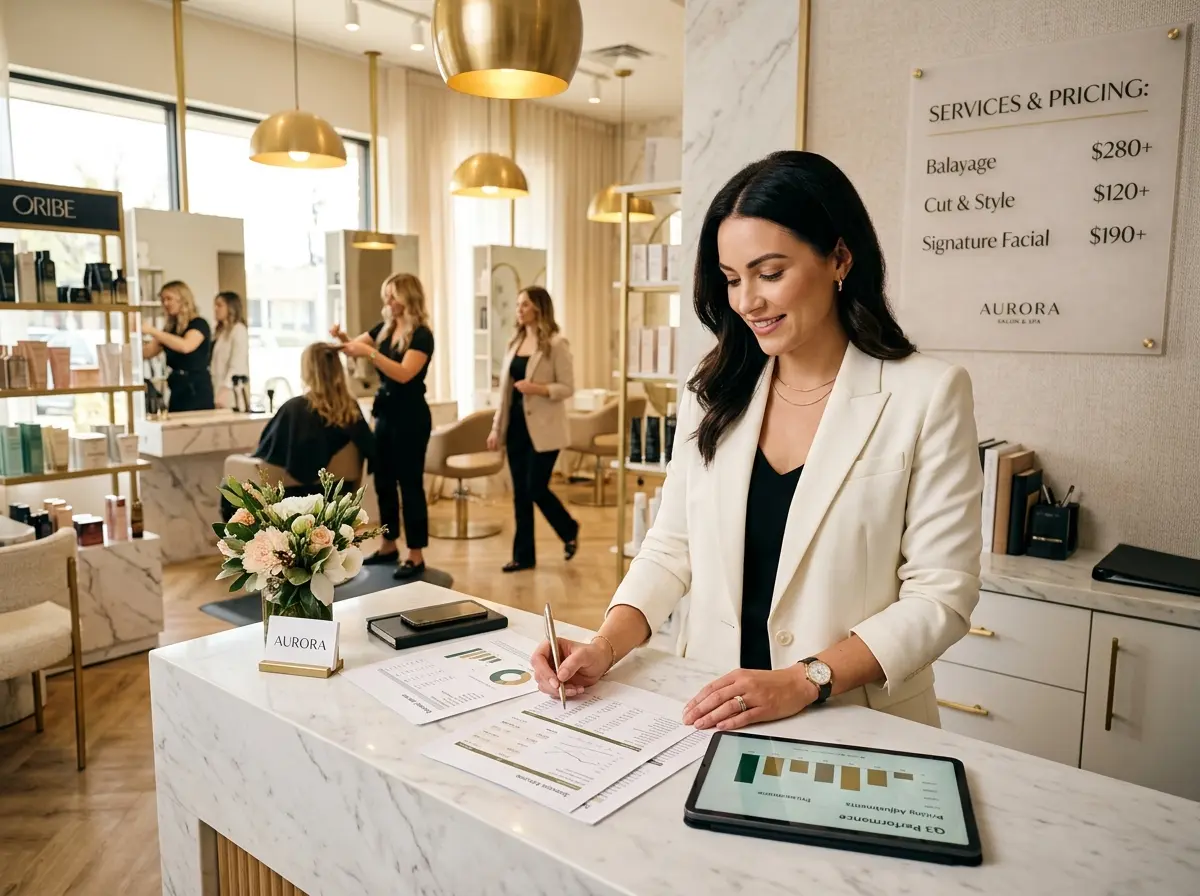
Here's a truth most spa owners don't love to hear: your service menu is doing more selling — or not selling — than any of your staff combined. Before a client ever speaks to a receptionist or sits down in a treatment chair, they've already formed opinions about your spa based entirely on how your services are presented. And if your menu is just a plain alphabetical list with prices attached, congratulations — you've built a very professional-looking missed opportunity.
Strategic menu design isn't about being manipulative or sneaky. It's about understanding how people make decisions and then organizing your offerings in a way that gently nudges them toward choices that are better for both them and your bottom line. Think of it as hospitality, just with a business strategy underneath. The psychology of choice architecture has been studied extensively in the restaurant and retail industries, and the findings translate beautifully to spa service menus. A well-designed menu can increase average ticket value by 10–30% without a single uncomfortable upsell conversation.
This guide will walk you through the principles of strategic menu design so you can turn your service list from a passive document into an active revenue tool.
The Psychology Behind How Clients Read Your Menu
The Golden Triangle and Visual Hierarchy
Eye-tracking research in the restaurant industry identified what's called the "Golden Triangle" — the natural pattern in which people scan a printed menu. Their eyes first land in the middle, then drift to the top-right, then to the top-left. Whether your menu is a printed brochure, a digital screen, or a webpage, people follow predictable visual paths. That means placement matters enormously. Your highest-margin services belong in those prime real estate zones, not buried at the bottom under "Other Offerings."
For digital menus and websites, the same principle applies vertically — the first services clients encounter carry disproportionate weight in shaping their expectations for pricing and value. If you lead with your $45 express facial, don't be surprised when clients experience sticker shock at the $180 signature treatment further down the page. Reverse that order strategically, and suddenly the $120 option looks like a reasonable middle ground.
The Power of Anchoring
Anchoring is one of the most well-documented phenomena in behavioral economics. When people see a high-priced option first, subsequent prices feel more reasonable by comparison. Spas that list a premium package at the top — say, a $250 full-day wellness experience — make the $140 deep tissue massage feel like a sensible, even modest choice. You don't need clients to buy the premium option constantly; you just need it there to recalibrate their sense of "normal."
This is why many luxury spas include at least one aspirational "experience" package that most clients won't purchase, but which effectively makes everything else look more approachable. It's not deceptive — it's context. Humans are terrible at evaluating value in isolation and remarkably good at evaluating it comparatively.
Descriptive Language That Sells Without Selling
Menus that use evocative, benefit-focused language consistently outperform those that stick to clinical descriptions. Compare these two versions of the same service:
- Version A: "Hot Stone Massage – 60 min – $120"
- Version B: "Hot Stone Restoration – 60 min – $120 – Heated volcanic stones melt away chronic muscle tension while improving circulation, leaving you deeply relaxed and restored."
Version B sells an outcome, not a procedure. It answers the client's unspoken question: "What's in it for me?" Research from Cornell University found that restaurants using descriptive menu labels saw sales of those items increase by nearly 27%. There's no reason to believe spa clients are any less responsive to well-crafted language — in fact, given that they're purchasing a wellness experience rather than a meal, emotional language may matter even more.
How Presentation Structure Drives Upgrade Decisions
Grouping and the Good-Better-Best Framework
One of the most effective structural strategies is organizing services into a tiered format that implicitly guides clients through a value ladder. Rather than listing 25 individual services in no particular order, consider grouping them into themed categories — Relax, Restore, and Renew, for example — each representing an escalating level of investment and transformation. Within each category, present a basic, enhanced, and premium version of that experience.
This good-better-best framework does something remarkable: it shifts the client's internal question from "Should I book a treatment?" to "Which level is right for me?" That's a subtle but powerful reframe. They're no longer deciding whether to spend money — they're deciding how much to invest. Studies in consumer behavior consistently show that when people are presented with three tiers, the majority choose the middle option. Price your most profitable service there accordingly.
Strategic Add-On Placement
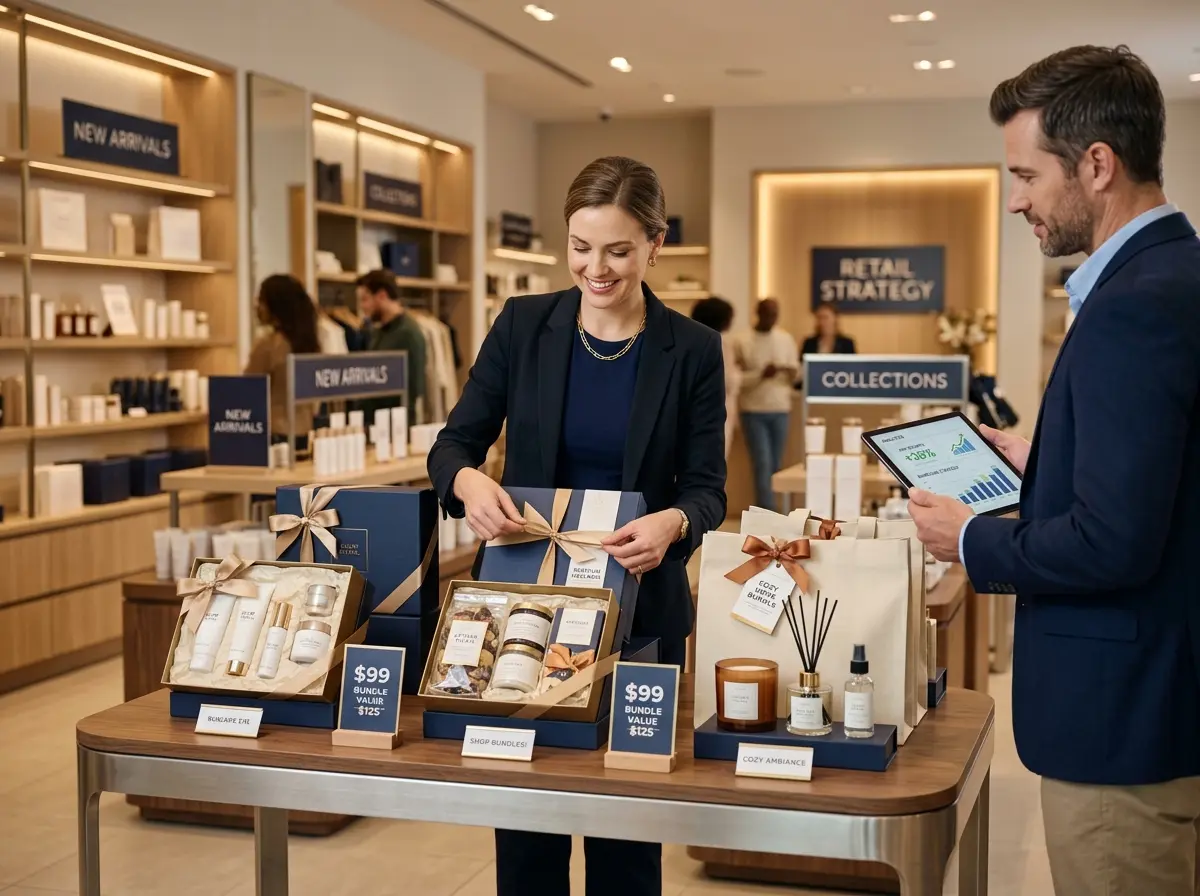
Add-ons and enhancements are where spa menus either cash in or completely fumble. Don't bury your enhancements in a footnote at the back. Place them immediately adjacent to the services they complement, framed as natural completions of the experience rather than optional extras. "Enhance your facial with a collagen eye treatment for just $25" reads very differently than a separate add-on list that clients have to seek out and decode on their own.
Pricing add-ons at accessible increments — typically $15 to $40 — means clients can say yes without significant deliberation. When an enhancement is presented in context and framed as completing an experience, the conversion rate climbs noticeably. Train your menu to do this work passively, so your staff don't have to push at all.
Tools That Reinforce Your Menu Strategy at Every Touchpoint
Consistency Across Channels Is Non-Negotiable
Your menu strategy only works if clients encounter it consistently — whether they're browsing your website at midnight, picking up a printed brochure in your lobby, or asking a staff member what services you offer over the phone. The moment your messaging becomes inconsistent across channels, the psychological architecture you've carefully built collapses. A client who was primed by your beautifully structured website should hear the same framing and language when they call to book.
This is where many spas quietly lose ground. A distracted front desk employee who rushes through a phone inquiry, or a new hire who doesn't know the service descriptions well enough to sell them confidently, undoes a lot of good menu work. The solution isn't necessarily hiring better — it's building systems that don't rely on human perfection.
Where Stella Fits Into Your Spa's Revenue Strategy
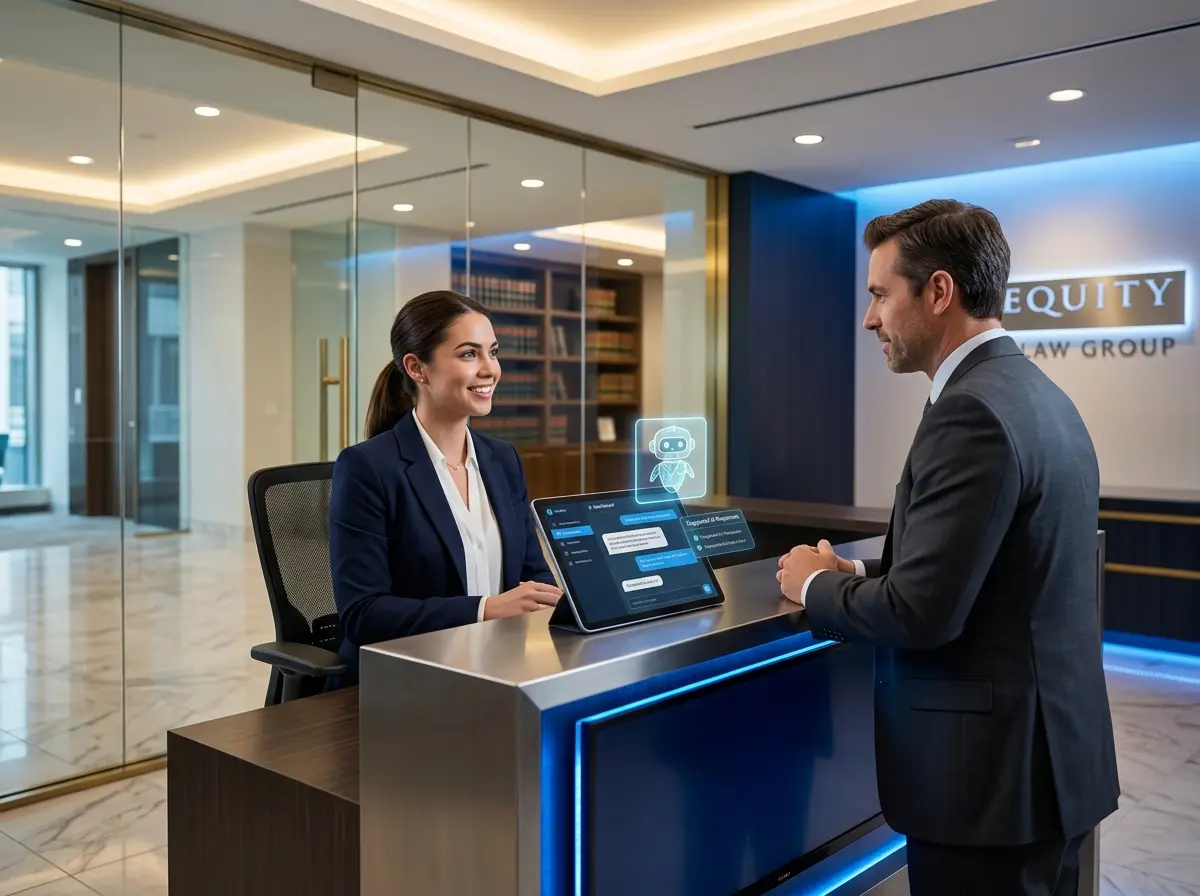
Stella, the AI robot employee and phone receptionist, is particularly well-suited for spas that want their menu strategy to work consistently at every point of contact. Standing as a human-sized kiosk inside your spa, Stella greets walk-in clients, proactively highlights current promotions, and can walk guests through your service menu with the same benefit-focused language you've carefully crafted — every time, without fail. On the phone, she answers inquiries 24/7, describes services accurately, and can nudge callers toward higher-value options naturally within the conversation. If your spa runs seasonal packages or limited promotions, Stella keeps that information front and center without requiring staff reminders or retraining cycles.
Measuring What's Working and Refining Over Time
Track Service Mix, Not Just Revenue
Total revenue is a lagging indicator. If you want to understand whether your menu design is working, you need to track your service mix — the percentage of clients booking entry-level versus mid-tier versus premium services, and how often add-ons are selected alongside primary bookings. If 80% of your bookings consistently cluster at your lowest price point, that's a menu design problem as much as it is a marketing problem.
Set a baseline, make one menu change at a time — whether that's reordering services, updating descriptions, or repositioning add-ons — and measure the impact over 30 to 60 days. Menu optimization is iterative, not a one-time project. The spas that consistently grow their average ticket value treat their menu like a living document rather than a printed artifact.
Gathering Real Client Feedback
There's a simple question you're probably not asking enough: "Was there a service you were curious about but didn't book?" The answers are gold. Clients who were curious but didn't convert represent a design failure — your menu either didn't describe the service compellingly enough, the price wasn't contextualized well, or the client didn't understand the value. Post-visit conversations, follow-up messages, or intake forms can surface this feedback consistently and help you close the gaps between interest and booking.
Spa owners who systematically collect this kind of insight and feed it back into their menu design tend to see steady, compound improvements in both client satisfaction and revenue over time. It's not glamorous work — but neither is leaving money on the table.
A Quick Note on Stella
Stella is an AI robot employee and phone receptionist built for businesses like yours. She greets customers in-person as a kiosk, answers phones around the clock, promotes your services with consistent messaging, and never calls in sick. At $99/month with no upfront hardware costs, she's the kind of team member that actually shows up every single day.
Putting It All Together: Your Menu Redesign Action Plan
Strategic menu design is one of the highest-return, lowest-cost investments a spa owner can make. You don't need a rebrand or a new service lineup — you need to reorganize, redescribe, and reposition what you already offer. Here's where to start:
- Audit your current menu with fresh eyes — or better yet, ask someone unfamiliar with your spa to tell you what they'd book and why. Their instincts will reveal exactly what your design is (and isn't) communicating.
- Apply the good-better-best structure to your core service categories and move your anchor offer to the top of each group.
- Rewrite your service descriptions in benefit-focused language that answers "What will this do for me?" rather than just listing what the treatment involves.
- Reposition add-ons so they appear in context, adjacent to the primary services they enhance.
- Standardize your menu messaging across all channels — print, web, phone, and in-person — so clients receive a consistent experience no matter how they engage with you.
- Track your service mix monthly and treat menu optimization as an ongoing practice rather than a completed task.
Your menu is already working 24 hours a day — the only question is whether it's working for you. A few deliberate changes could mean hundreds or even thousands of additional dollars per month, without a single new client. That's not a bad return on a redesign.