So You Want to Promote Someone — Great, Now Don't Mess It Up
Here's a scenario that plays out in retail businesses every single day: a rockstar floor associate has been crushing it for two years — customers love them, they know your inventory cold, and they somehow manage to stay cheerful during the holiday rush. You decide to reward them with a promotion to shift supervisor or store manager. Congratulations! You've just turned your best salesperson into a confused, overwhelmed leader with no roadmap — and possibly lost both a great employee and a great manager in one fell swoop.
Promoting from within is one of the smartest moves a retail business can make. It rewards loyalty, reduces hiring costs, and keeps institutional knowledge inside your four walls. According to the Wharton School of Business, internal hires outperform external hires for at least the first two years on the job. But promoting from within only works when there's an actual plan behind it — not just a title change, a modest pay bump, and a "you'll figure it out" handshake. This post walks you through how to build a leadership transition plan that actually sets your promoted employees up for success.
Building the Foundation: Identifying and Developing Future Leaders
Successful internal promotions don't start on the day you announce them. They start months — sometimes years — earlier, when you begin intentionally identifying employees who have leadership potential and giving them the tools to grow into it. If you're waiting until you desperately need a manager to start thinking about who could be one, you're already behind.
Spotting Leadership Potential Early
Leadership potential in retail doesn't always look like the loudest person in the room. Often, your future managers are the ones quietly solving problems before you even notice them, de-escalating difficult customers with grace, and training new hires without being asked. Look for employees who demonstrate ownership mentality — people who treat the store like it's theirs, not like a clock they're waiting to punch out on.
Some practical signals to watch for include: consistent performance across different circumstances (not just when it's easy), a habit of asking "why" rather than just "what," the ability to give and receive feedback without melting down, and a natural tendency to support teammates. These traits matter far more in a leadership role than seniority or raw sales numbers.
Creating a Structured Development Path
Once you've identified your high-potential employees, the worst thing you can do is nothing. Development has to be deliberate. This means having honest conversations with them about their career goals, assigning stretch projects that push them beyond their comfort zone, and giving them micro-leadership opportunities — running a team huddle, leading a product training, or managing the floor for an afternoon.
Consider building a simple Individual Development Plan (IDP) for each candidate. It doesn't need to be a 40-page corporate document. A one-page outline with their current strengths, the skills they need to develop, specific activities to get there, and a rough timeline is more than enough. The goal is to make development feel structured and intentional, not accidental.
Mentorship and Shadowing Programs
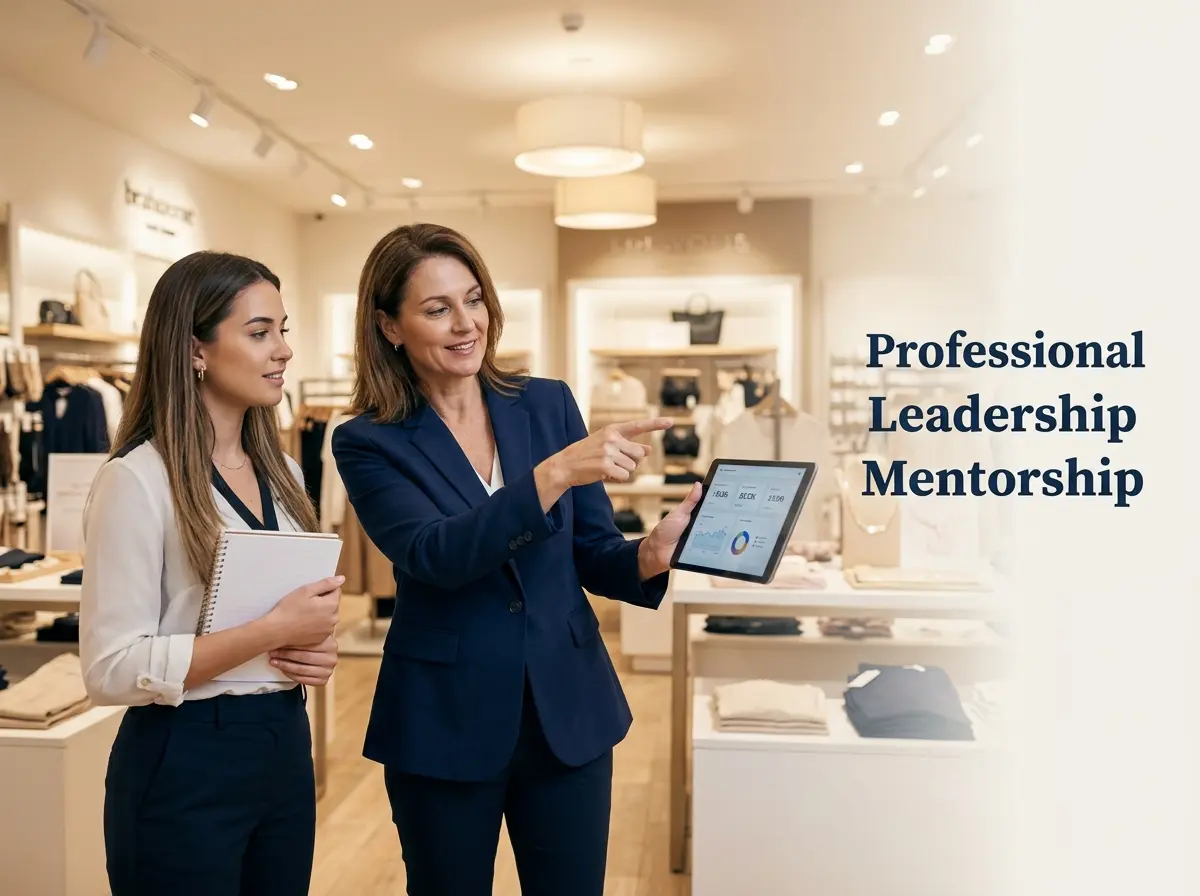
Pairing a high-potential employee with your most effective current manager is one of the highest-ROI investments you can make in leadership development. Shadowing gives future leaders a behind-the-scenes look at what the job actually involves — including the less glamorous parts like scheduling headaches, vendor calls, and the occasional staff conflict. This exposure prevents the "I didn't sign up for this" shock that derails a lot of newly promoted managers in their first 90 days.
Keeping the Day-to-Day Running While You Invest in People
Here's the underrated challenge of building a leadership pipeline: while you're busy developing your team, the business still has to operate. Customers still walk in, phones still ring, and questions still need answering — often all at the same time. This is where a lot of small and mid-sized retailers quietly drop the ball. The manager gets pulled away from coaching because they're covering the floor, and the development plan gathers dust.
Let Technology Handle the Routine So Your Team Can Focus on Growth
Stella, the AI robot employee and phone receptionist, is built for exactly this kind of operational relief. In-store, Stella greets customers, answers product and policy questions, promotes current deals, and handles the repetitive interactions that eat up your staff's time and attention. On the phone, she answers calls 24/7, collects caller information through conversational intake forms, routes calls to the right people based on your preferences, and sends AI-generated voicemail summaries straight to your managers — so nothing slips through the cracks even when everyone is heads-down on something important.
When your team isn't constantly interrupted by "what are your hours?" and "do you carry this in blue?", they have more mental bandwidth to actually learn, grow, and take on the leadership responsibilities you're trying to give them. Stella doesn't replace your people — she creates space for them to become better ones.
The Transition Itself: Making the Promotion Stick
Getting someone to the point of promotion is only half the battle. The transition period — typically the first 30 to 90 days in a new role — is where most internal promotions either solidify or silently unravel. The newly promoted leader is navigating a new identity, new responsibilities, and often new dynamics with their former peers. Without intentional support, this phase can go sideways fast.
Redefining Relationships and Role Expectations
One of the most underestimated challenges in promoting from within is the peer-to-leader dynamic shift. Yesterday's break room buddy is today's supervisor, and that's genuinely awkward for everyone involved — including the person who got promoted. Be proactive about this. Have a direct conversation with the newly promoted manager about how to navigate those relationships professionally. Help them understand that being liked and being respected are not the same thing, and that their job has fundamentally changed from doing great individual work to enabling great work in others.
Set clear, written expectations for the new role from day one. Don't assume they know what "being a manager" means in your specific context. Define what decisions they can make independently, what requires your sign-off, how you expect them to handle scheduling, performance conversations, and customer escalations. Ambiguity is the enemy of confident new leaders.
Providing Ongoing Feedback and Check-Ins
The single most common mistake business owners make after promoting someone is disappearing. You promoted them, so now they should just... manage, right? Wrong. The first 90 days require more of your attention, not less. Schedule weekly one-on-ones — even if they're just 20 minutes — to check in on what's going well, what's hard, and where they need guidance. Create a safe space for them to admit when they're struggling without feeling like they'll lose the role they just earned.
Feedback during this period should be specific, timely, and two-way. Ask them what support they need from you. New leaders who feel seen and supported during the transition are far more likely to stay, grow, and eventually develop the next round of leaders beneath them — which is exactly how you build a sustainable, scalable retail operation.
Measuring Success and Adjusting the Plan
Define what success looks like for the first 30, 60, and 90 days. These milestones shouldn't be intimidating — they should be achievable checkpoints that give both of you a shared sense of progress. Is the team hitting its daily targets? Are customer interactions improving? Is the new manager handling conflicts without needing to escalate everything to you? These are concrete, observable signals that the transition is working.
If something isn't clicking, address it early and directly. A course correction at day 45 is manageable. A course correction at month six — after frustration has built on both sides — is a much harder conversation.
A Quick Reminder About Stella
Stella is an AI robot employee and phone receptionist designed to give retail businesses — and businesses of all kinds — a reliable, professional presence that never calls in sick, never needs a break, and never creates turnover headaches. She works the floor in-store and answers calls around the clock, starting at just $99 per month with no upfront hardware costs. While you focus on building your next generation of leaders, Stella keeps the customer experience running smoothly in the background.
Promoting from Within Is a Strategy, Not a Favor
When done right, internal promotion is one of the most powerful tools in a retail business owner's playbook. It signals to your entire team that performance is noticed and rewarded, which has a compounding effect on morale and retention. It keeps your best operational knowledge in-house. And it builds a leadership bench that makes your business far more resilient than one that relies on external hiring every time a management gap opens up.
But "done right" is the operative phrase. Identify your future leaders early and develop them intentionally. Use tools and technology to reduce the operational noise that makes development impossible. Support your newly promoted managers through the transition with clear expectations, honest feedback, and genuine investment in their success. And build a culture where leadership development is a continuous process — not a one-time event that happens when you're desperate for a manager.
Your next great store manager is probably already on your payroll. The question is whether you're giving them what they need to get there. Start building that plan today — before you need it — and you'll thank yourself every time a leadership gap opens up and you already have someone ready to step in.