Your Front Desk Shouldn't Be Leaving Money on the Table
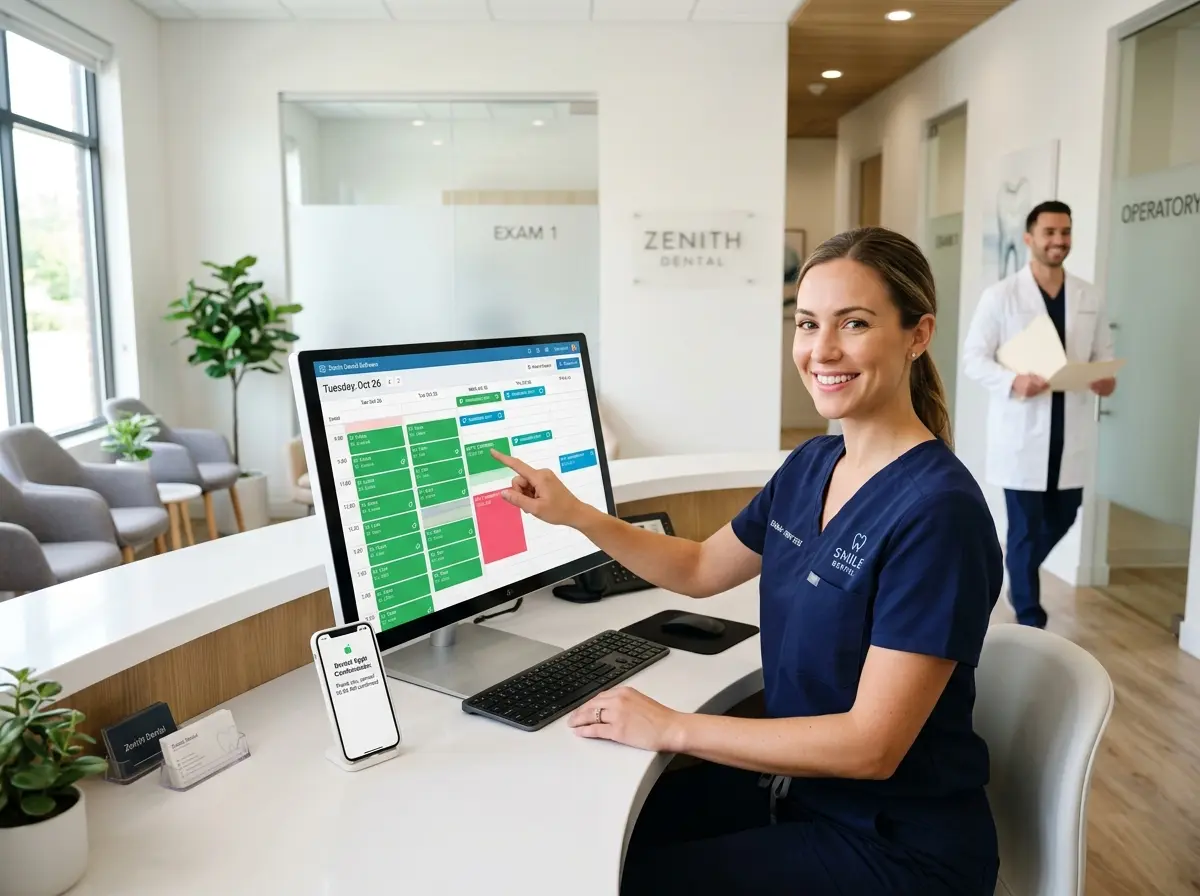
Let's be honest — your medical spa's front desk team has a lot going on. They're checking in clients, answering phones, managing schedules, handling payments, and somehow also supposed to be enthusiastic salespeople who gracefully mention that yes, a HydraFacial pairs beautifully with a chemical peel. All while smiling. All the time.
It's a tall order, and for most med spas, suggestive selling falls somewhere between "we try sometimes" and "we'll get to it." The result? Significant revenue left sitting on the counter, right next to the branded hand lotion that nobody mentioned was 20% off this month.
The good news is that suggestive selling doesn't require high-pressure tactics, a sales-obsessed team, or a complete operational overhaul. What it requires is a repeatable framework — one that your front desk staff can actually use in real conversations without feeling like infomercial actors. This post breaks down exactly that.
Understanding Suggestive Selling in a Medical Spa Context
It's Not Upselling — It's Serving
The word "selling" makes a lot of wellness-focused professionals uncomfortable, which is ironic given that their entire business depends on it. But here's the reframe that makes all the difference: suggestive selling at a medical spa isn't about pushing products — it's about making sure clients don't leave without knowing about something that could genuinely help them.
A client coming in for Botox who doesn't know you offer a skin tightening treatment that complements their results isn't being protected from a sales pitch. They're being underserved. Your front desk team has a genuine opportunity to educate, and education — when done well — converts naturally. Think of it less as "selling" and more as completing the picture for the client.
Know Your Pairing Menu
Every medical spa should have what we like to call a Pairing Menu — a simple internal reference guide that maps out which services and products naturally complement each other. This is your suggestive selling cheat sheet, and it removes the guesswork for your front desk team entirely.
For example:
- Botox or filler appointments → Suggest a personalized skincare consultation or a medical-grade SPF product
- Laser treatments → Suggest post-care serums, cooling add-ons, or a follow-up package
- HydraFacial → Suggest a booster add-on at time of booking, or a take-home maintenance kit
- Body contouring → Suggest a complementary lymphatic drainage session to enhance results
When your team knows the pairings cold, the conversation feels natural — not scripted. Nobody wants to hear a robot recite a menu. They want a knowledgeable professional to say, "A lot of our clients doing laser also love to add on our recovery serum — it really speeds up the healing process." That's effortless and effective.
Timing Is Everything
Suggestive selling fails when it happens at the wrong moment. Suggesting a new treatment while a client is signing their intake form, still in their coat, half-listening — that's going to land with all the grace of a brochure stuffed in their face. Timing your suggestions around natural conversational checkpoints makes the whole thing feel consultative rather than commercial.
The three golden windows are: at booking (phone or in person), at check-in (when the client is relaxed and settled), and at checkout (when results are top of mind and they're already in a "yes" headspace). Each window has its own tone and approach, which we'll cover next.
The Framework: Three Touchpoints, One Consistent Voice
Touchpoint One — The Booking Conversation
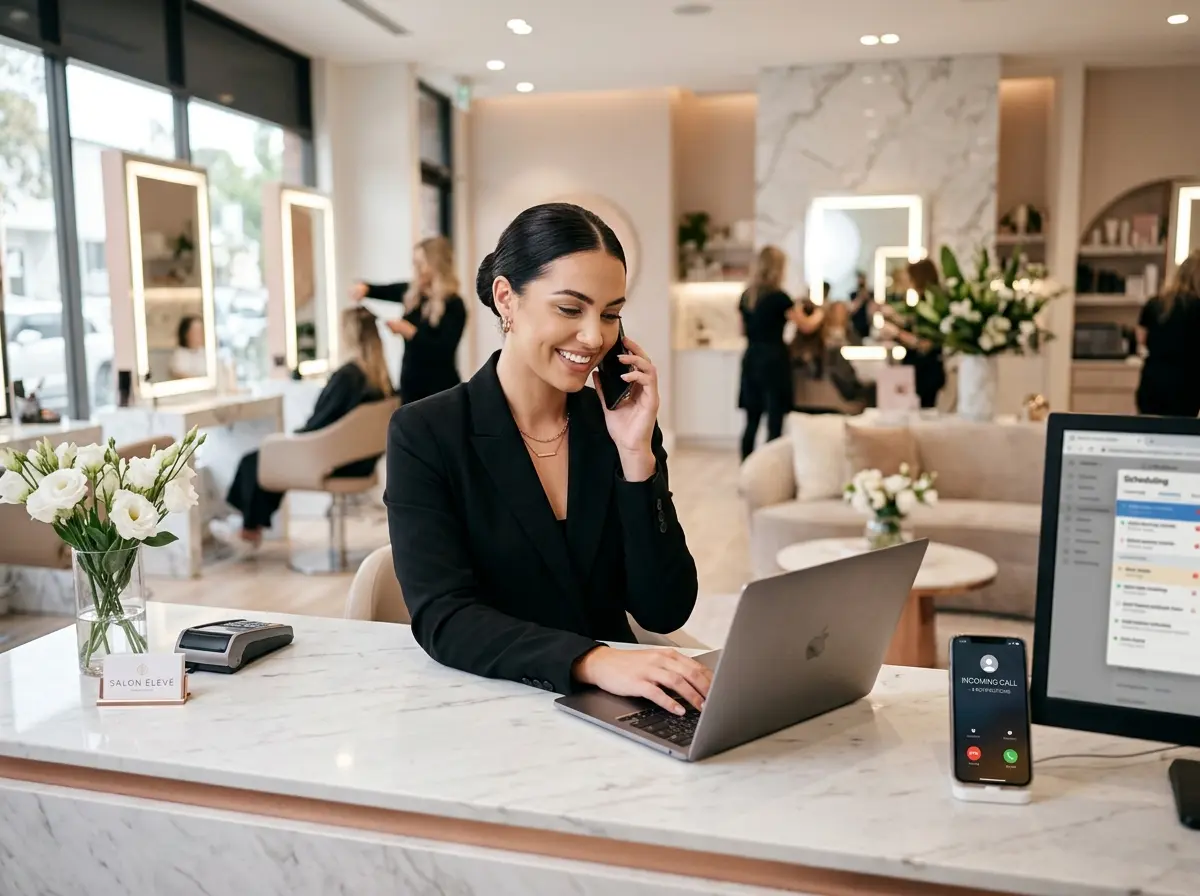
The booking moment is criminally underused for suggestive selling. When a client calls to schedule a Botox appointment, your front desk team typically confirms the date, takes the name, and hangs up. Done. But that 90-second call could easily include a single, well-placed line: "We also have a really popular add-on for that appointment — a lot of clients love combining it with our lip flip. Want me to add a few extra minutes so your provider can discuss it?"
Notice what that does. It's not pushy. It doesn't require the client to commit on the spot. It simply opens a door and lets curiosity do the work. The goal of suggestive selling at the booking stage isn't to close — it's to plant a seed.
This is also where Stella, the AI robot employee and phone receptionist, becomes a genuinely useful asset for your med spa. Stella answers phone calls around the clock with consistent, configurable knowledge about your services, specials, and pairings — meaning that 10 PM booking call gets the same quality conversation as the one at 10 AM. She can promote current deals, mention add-ons tied to specific services, and collect intake information — all before a human ever picks up. Her built-in CRM and intake forms mean that client data from the call is organized and ready for your team the next morning, not scrawled on a sticky note.
Touchpoint Two — Check-In and the In-Person Moment
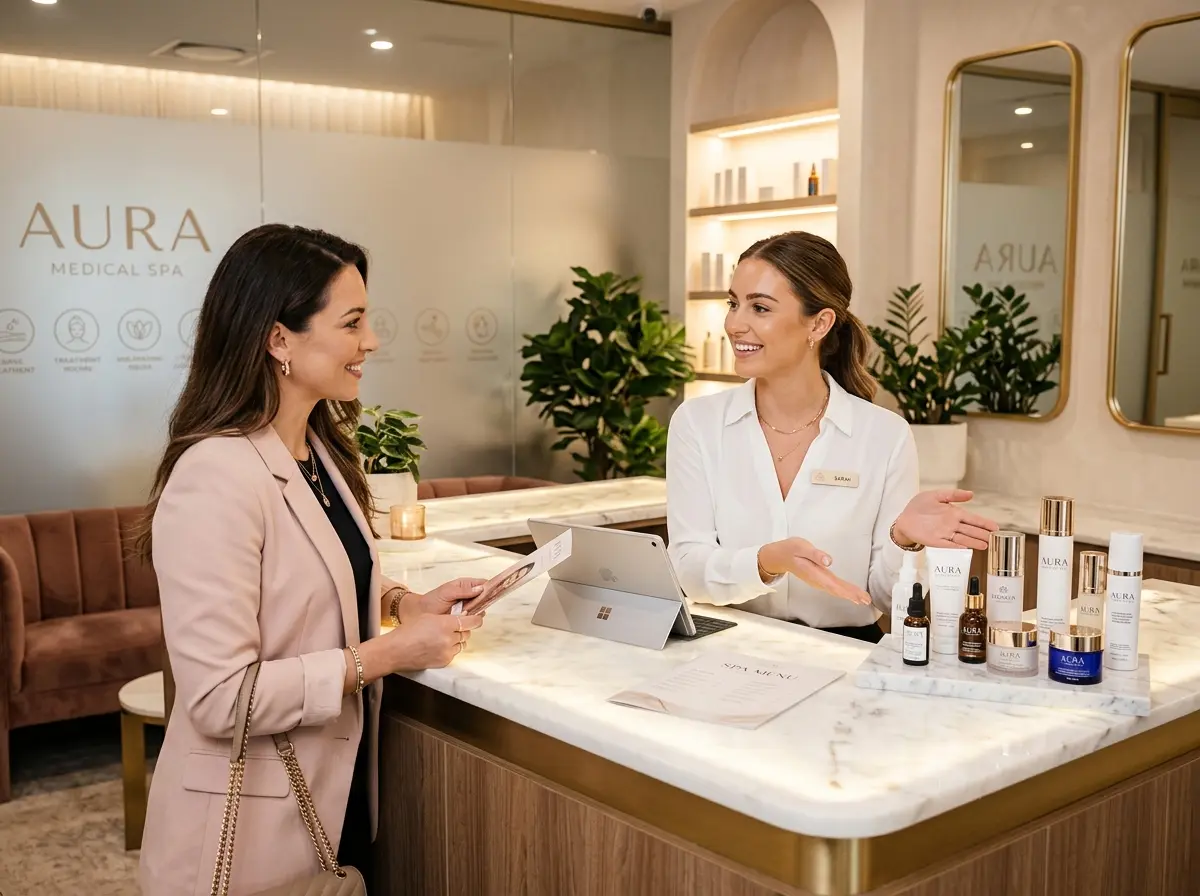
Check-in is the warm-up act. The client is present, calm, and momentarily without a screen in front of their face — a rare and precious condition. This is your front desk team's opportunity to mention something visible, timely, or personally relevant. A simple, "We actually have a promotion running this month on our skincare line — your provider might mention it, but wanted to give you a heads up" is enough to prime the conversation without being overbearing.
The key principle here is personalization over broadcasting. Clients tune out generic promotions the same way they tune out hold music. But when a front desk team member references something specific to that client's history or treatment, attention sharpens. "Last time you were in you mentioned wanting to address texture — we just added a new treatment that might be worth asking about" is miles more effective than "We have specials in the lobby, feel free to take a look."
Quick Reminder About Stella
Stella is an AI robot employee and phone receptionist built for businesses like yours — she greets walk-in clients at her in-store kiosk, answers phone calls 24/7, promotes your services and specials, and handles intake and CRM functions automatically. At just $99/month with no upfront hardware costs, she's the kind of team member who never calls in sick, never forgets to mention the monthly promo, and never needs a lunch break.
Training Your Team to Sell Without Selling Out
Script the Skeleton, Not the Script
One of the biggest mistakes medical spa owners make when training for suggestive selling is handing their team a word-for-word script and expecting it to sound natural. It never does. Clients can smell a memorized pitch from across the reception desk, and nothing erodes trust faster than feeling like you're being processed rather than helped.
Instead, give your team a skeleton structure — a pattern they understand well enough to personalize on the fly. A reliable skeleton looks something like: Acknowledge what the client is here for → Mention something relevant to their goal → Invite curiosity without pressure. "You're coming in for X — a lot of our clients with similar goals also love Y, it might be worth asking your provider about it." That's it. Three beats. The words change every time, but the structure stays.
Practice It Like You Mean It
Suggestive selling is a skill, and skills require practice. A 15-minute team huddle once a week where staff take turns running through real booking and check-in scenarios does more for revenue than any motivational poster in the break room. Role-playing feels awkward at first — embrace that. Awkward practice leads to confident execution, and confident execution leads to a front desk team that actually enjoys these conversations rather than dreading them.
Track results too. Which add-ons are being mentioned most? Which ones are converting? If your team is consistently suggesting the skincare bundle but nobody's buying it, either the pitch needs adjustment or the product-service pairing isn't resonating. Data turns guesswork into strategy, and your front desk becomes a revenue engine instead of just a scheduling desk.
Reward the Behavior, Not Just the Outcome
If you only celebrate closed sales, you inadvertently train your team to feel like failures every time a client says no — which happens. A lot. Instead, recognize the behavior: the team member who mentioned the add-on three times today, even if only one converted, is doing exactly what you want. Build a culture where the ask itself is valued, and the close becomes a bonus rather than the only acceptable outcome. Spiff programs, public recognition, or even just a genuine "great job mentioning that today" go a long way toward making suggestive selling a habit rather than a chore.
Building a Sustainable Suggestive Selling Culture
Frameworks and training are great starting points, but lasting results come from culture — the invisible agreement among your team about how things are done here. When suggestive selling becomes part of your spa's identity rather than a quarterly initiative that fades by week three, that's when revenue consistency follows.
Start small. Pick one pairing to focus on for a full month. Train it, track it, celebrate it. Then add another. Over time, your front desk team builds both the habit and the confidence to expand naturally. The goal isn't a team of salespeople — it's a team of knowledgeable professionals who happen to be very good at making sure clients leave with everything they need to get the best possible results.
When that clicks, suggestive selling stops feeling like a task and starts feeling like excellent customer service. Which, at its core, is exactly what it is.
Start This Week, Not Next Quarter
If you've made it this far, you don't need more information — you need to take one concrete action before this tab gets buried under seventeen others. Here's a practical starting point:
- Build your Pairing Menu. Spend 30 minutes listing your top five services and one natural add-on or product recommendation for each.
- Draft your skeleton script. Three beats: acknowledge, connect, invite. Write one version per pairing.
- Run one practice session. Put 15 minutes on the calendar this week for the front desk team to run through scenarios together.
- Set a tracking metric. Whether it's add-on attachment rate or a simple tally, measure what you want to grow.
Suggestive selling doesn't require a big personality or a sales background. It requires a consistent system, a trained team, and a culture that treats client education as part of the service. Your front desk already has the conversations — now it's time to make them count.