So You Want to Offer BOPIS — Let's Make Sure You Don't Botch It
Buy Online, Pick Up In Store. It sounds simple enough, right? Customer clicks "buy," you bag it up, they swing by, everyone's happy. Except, as many retailers have discovered the hard way, BOPIS done poorly is somehow worse than not offering it at all. Nothing says "we tried" quite like a customer standing at your counter for 20 minutes while an employee frantically searches the back room for an order that was never actually pulled.
Here's the good news: BOPIS is genuinely worth getting right. According to the International Council of Shopping Centers, 67% of shoppers have used BOPIS in the past six months, and more importantly, 85% of them make an additional purchase while picking up their order. That's not a side feature — that's a revenue strategy. The retailers winning right now are the ones who've turned a logistical checkbox into a seamless customer experience that keeps people coming back.
This guide walks you through exactly how to implement BOPIS the right way — from your tech stack to your in-store pickup experience — so you can capture that revenue without creating a customer service nightmare in the process.
Building the Foundation: Technology and Inventory
Getting Your Systems to Actually Talk to Each Other
The single biggest reason BOPIS implementations fail is a disconnect between online inventory and physical reality. A customer orders online, shows up to collect, and your staff has to deliver the awkward news that the item was sold in-store three hours ago. This is not a great moment for brand loyalty.
You need a real-time inventory management system that syncs across all your sales channels — your e-commerce platform, your point-of-sale system, and ideally your warehouse or back stock locations. Platforms like Shopify POS, Lightspeed, or Square for Retail are built with this multichannel reality in mind. If you're running a larger operation, enterprise solutions like NetSuite or DEAR Inventory offer more robust synchronization. Whatever you choose, the rule is simple: if a product can be purchased online, it needs to be reflected accurately in real-time stock counts.
Set a buffer. If you have 3 units in stock, consider making only 2 available for online purchase. Shrinkage, miscounts, and that one employee who set something aside "for a regular customer" are all very real phenomena.
Choosing the Right E-Commerce Setup
Your online store needs to clearly communicate pickup availability at the product level — not just at checkout. Customers should be able to see "Available for pickup today at [Your Location]" right on the product page. This sets expectations early and reduces the frantic "is my order ready?" phone calls that tie up your staff.
Most major e-commerce platforms support BOPIS functionality either natively or through apps. Shopify has its "Local Pickup" feature built in. WooCommerce supports it through plugins like Local Pickup Plus. BigCommerce offers it through its pickup settings and third-party integrations. If you're using a custom or legacy platform, this might be the moment to have a frank conversation with your developer about what modernization actually costs you versus what staying outdated is costing you.
Also, don't overlook your order confirmation and notification flows. Customers should receive an automated confirmation when the order is placed, a second notification when it's ready for pickup, and clear instructions on where to go and what to bring. These small touchpoints reduce friction and, frankly, reduce the number of people walking in and asking, "Uh, I ordered something?"
Defining Your Pickup Window and Fulfillment SLA
How quickly can you realistically pull and prepare an order? Be honest with yourself here. If your answer is "whenever someone gets a chance," you don't have a BOPIS system — you have an intention. Set a defined fulfillment SLA: many successful retailers commit to having orders ready within 2–4 hours during business hours. Communicate this clearly on your website and at checkout. Under-promise, over-deliver, and your customers will rave about you. Over-promise and under-deliver, and they'll rave about you on Yelp — just not in the way you'd prefer.
How Stella Fits Into Your BOPIS Operation
Handling the Inevitable "Is My Order Ready?" Flood
The moment you launch BOPIS, prepare for a noticeable uptick in inbound phone calls and walk-in questions. Customers want status updates. They want to know if parking is validated. They want to know where exactly "the pickup area" is. These are entirely reasonable questions, and they will absolutely pull your staff away from actually fulfilling the orders they're asking about.
This is where Stella becomes genuinely useful. As an AI robot employee and phone receptionist, Stella can field those incoming calls 24/7, answering questions about hours, pickup procedures, order policies, and current promotions — without putting anyone on hold or pulling your team off the floor. For stores with a physical location, she also stands inside the store as a kiosk, greeting customers proactively, pointing BOPIS customers in the right direction, and even cross-selling relevant products while someone waits the 90 seconds it takes to grab their bag. At $99/month, she costs less than a part-time Saturday shift, and she never calls in sick on your busiest weekend of the year.
Designing the In-Store Pickup Experience
Create a Dedicated Pickup Zone (Please, Seriously)
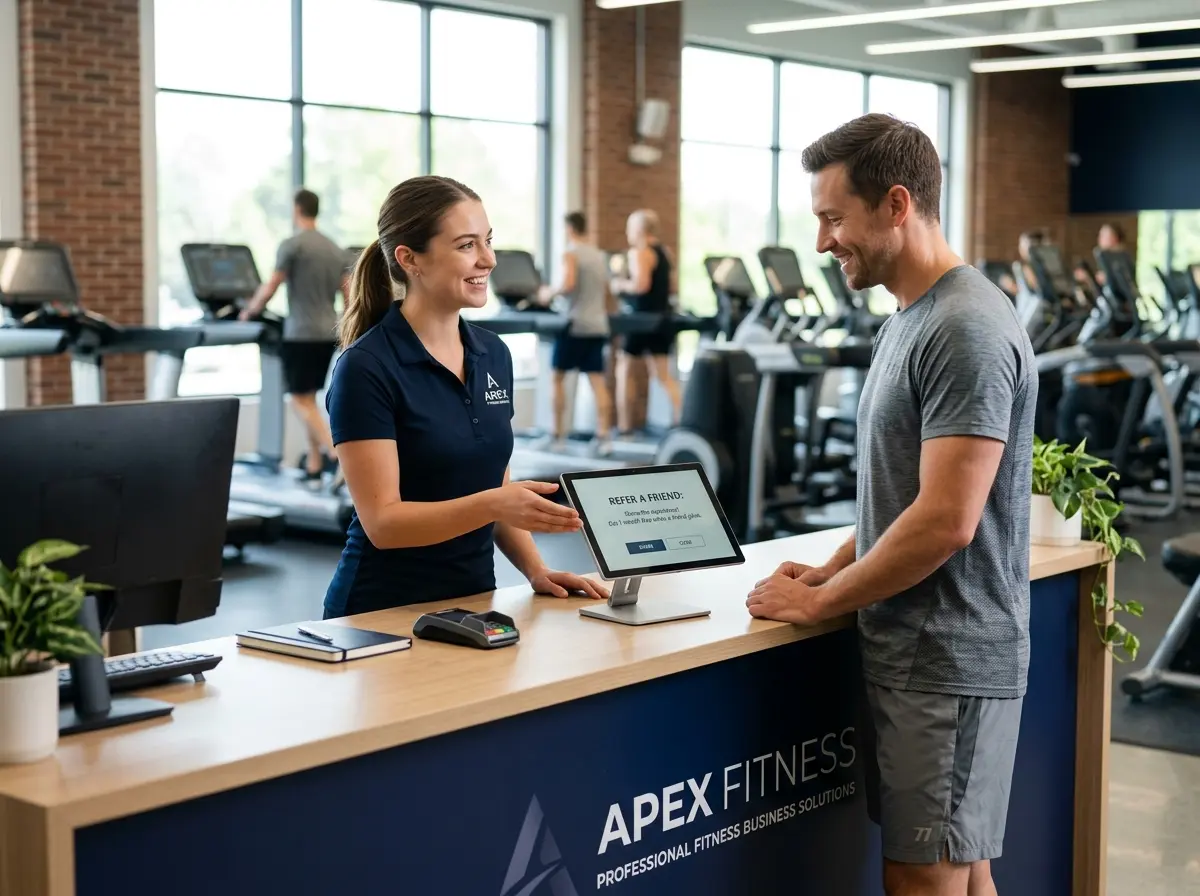
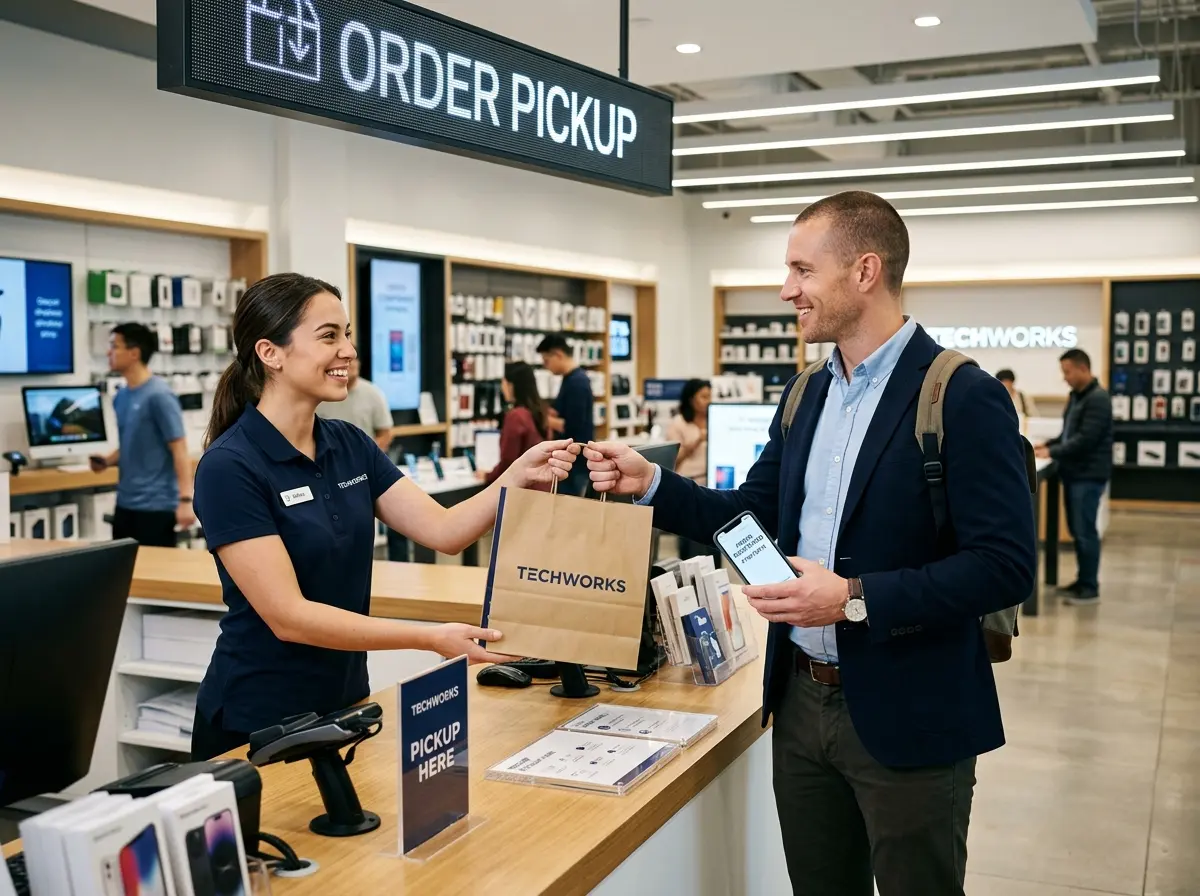
If your current BOPIS "process" involves a customer walking up to the regular checkout line and explaining to three different employees that they're there for a pickup, you've created confusion, not convenience. Designate a specific, clearly marked pickup area. It doesn't need to be elaborate — a small station near the entrance with clear signage is genuinely enough for most retailers. The goal is that a BOPIS customer should be able to walk in, know exactly where to go, and be out the door in under three minutes.
Label your pickup orders clearly (a bag tag or printed label with the customer name works fine), organize them alphabetically or by order number, and train your staff on exactly how the handoff should happen. The experience should feel effortless, because to the customer, effortless is the whole point. They chose pickup specifically to avoid friction.
Train Your Staff Like BOPIS Is a Core Service — Because It Is
BOPIS isn't a feature your website offers. It's a service your team delivers. That distinction matters enormously when it comes to training. Your staff should know how to look up orders, how to handle a customer whose order isn't quite ready yet, how to manage a substitution if an item was oversold, and how to turn a pickup into an upsell opportunity without being pushy about it.
That last point deserves emphasis. Research from Harvard Business Review found that BOPIS customers spend 23% more on average than customers who only shop online or only shop in-store. When someone walks through your door, they're already a warm lead. A quick, genuine recommendation — "We just got these in, they pair perfectly with what you ordered" — can meaningfully increase average transaction value. Train your team to see pickup customers not as quick turnarounds but as in-person selling opportunities.
Measure, Iterate, and Don't Declare Victory Too Early
Once your BOPIS program is live, track the metrics that actually tell you whether it's working: pickup fulfillment time, order accuracy rate, percentage of BOPIS customers who make an additional in-store purchase, and customer satisfaction scores specifically for BOPIS orders. Most e-commerce and POS platforms can surface some of this data natively; others require a bit of setup.
Run a review after the first 30 and 90 days. What's breaking? Where are the drop-offs? Are customers abandoning the checkout when they see pickup options aren't clearly explained? Are orders sitting unfulfilled because the notification to staff isn't reliable? These are solvable problems — but only if you're looking for them. BOPIS done well is an ongoing operational discipline, not a one-time launch.
Quick Reminder About Stella
Stella is an AI robot employee and phone receptionist built for businesses like yours — she greets customers in-store as a human-sized kiosk and answers phone calls around the clock with full knowledge of your products, policies, and promotions. She's available for $99/month with no upfront hardware costs and handles everything from customer questions to upselling to voicemail summaries — so your human team can focus on the work that actually requires them.
Your BOPIS Launch Checklist and Next Steps
Implementing BOPIS well is absolutely achievable for retailers of any size — but it requires deliberate setup, not just flipping a switch on your website. Before you go live, make sure you've addressed each layer of the experience:
- Technology: Real-time inventory sync across all channels, with a stock buffer to prevent overselling.
- E-commerce: Product-level pickup availability display, automated order notifications, and clear pickup instructions at checkout.
- Fulfillment SLA: A defined, realistic window that you communicate clearly and actually hit.
- In-store experience: A dedicated, clearly marked pickup zone with organized, labeled orders.
- Staff training: Everyone knows the process, the handoff, and the upsell opportunity.
- Customer communication support: A system (human or AI) to handle inbound questions without pulling your fulfillment team off the floor.
- Metrics: Defined KPIs and a review cadence so you can improve continuously.
Start with the infrastructure — your inventory system and e-commerce setup — because everything else depends on those being solid. Then build out the in-store experience and train your team before you announce the service widely. A quiet soft launch with a small group of loyal customers is a perfectly reasonable way to find and fix the rough edges before you're handling volume.
BOPIS isn't a trend that's going away. It's a baseline expectation for a growing segment of retail shoppers. The retailers who nail it build loyalty, increase basket size, and drive foot traffic that pure e-commerce simply can't replicate. The ones who half-heartedly implement it just give their customers a new reason to be frustrated. You've already shown you're in the first group by reading this far — now go build something worth picking up.