Because Nobody's Business Plan Included "Stand Here and Stare at the Wall"
Let's be honest: no customer has ever walked out of your store thinking, "Wow, that 20-minute wait was the highlight of my week." Lines are a fact of retail and service life, but the way you manage them — or don't — can be the difference between a loyal repeat customer and a scathing one-star review about how your queue "felt like a DMV waiting room but with worse lighting."
The stakes are real. According to research from Omnico, over 50% of customers will abandon a purchase if they feel the line is too long. That's not just lost revenue for that transaction — it's potentially lost lifetime value from a customer who decides your competitor's checkout process is worth switching for. Yikes.
The good news? You don't have to overhaul your entire operation to make waiting less miserable. A few smart strategies — some free, some tech-powered — can dramatically improve how your customers experience the waiting game. And yes, some of them might even enjoy it. (Stranger things have happened.)
Understanding Why Lines Feel Worse Than They Actually Are
Before we fix the problem, we need to understand it. Here's the fun part: customer perception of wait time and actual wait time are two completely different things. A five-minute wait can feel like twenty if the experience is poorly managed, and a fifteen-minute wait can feel reasonable if you play your cards right. Psychology, it turns out, is your secret weapon.
The Unoccupied Time Problem
Research from MIT's Operations Research department found that unoccupied time feels roughly 36% longer than occupied time. In plain English: bored customers think they're waiting longer than they are. When there's nothing to engage with, the brain fixates on the wait itself, and impatience compounds quickly. This is why every strategy worth implementing is really about one thing — giving customers something to do, see, think about, or interact with while they wait.
Uncertainty Makes It Worse
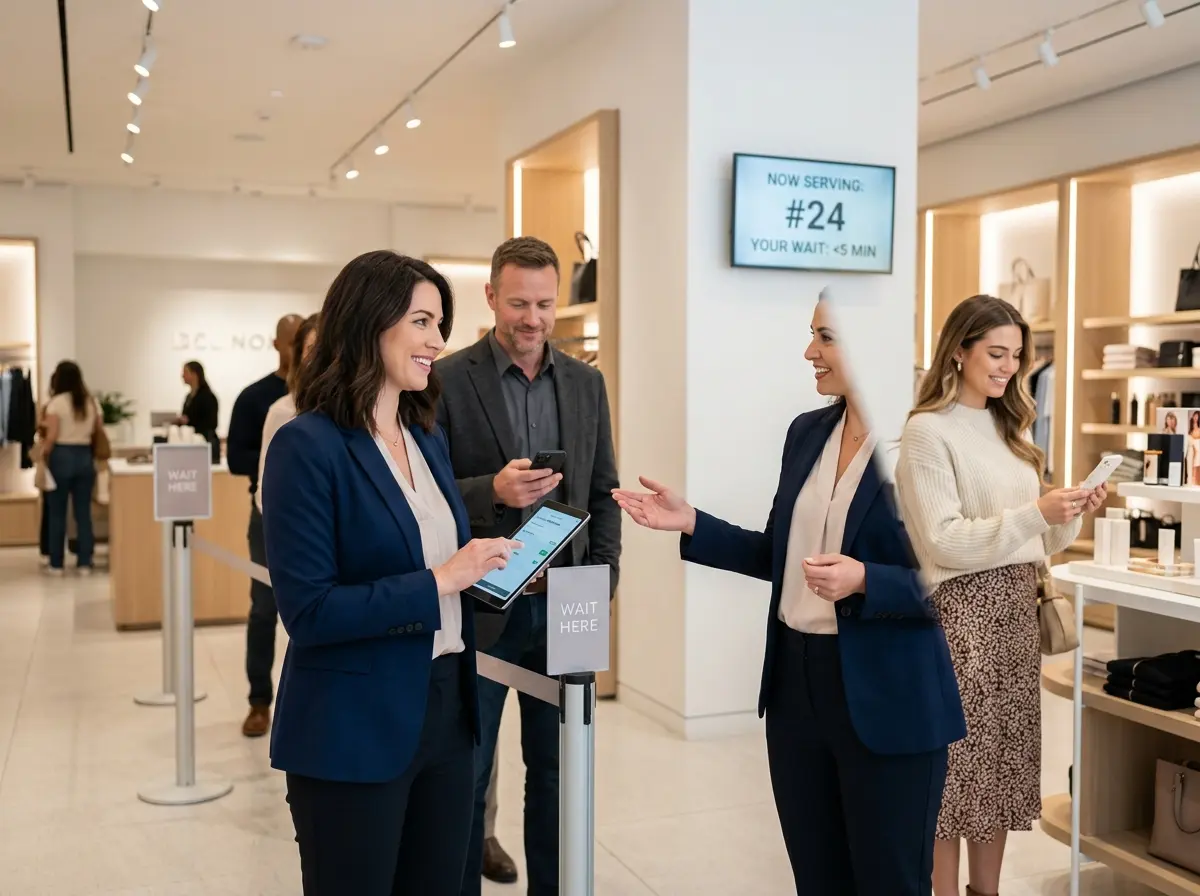
There's a reason "your call is important to us, estimated wait time is 45 minutes" is maddening — not because of the 45 minutes, but because you know what you're in for and feel trapped. Interestingly, the inverse is also true in person: when customers don't know how long they'll be waiting, anxiety spikes. Simple signage like "Average wait: 8 minutes" or staff proactively communicating estimated times can significantly reduce perceived wait frustration. It doesn't have to be exact — it just has to be honest and human.
Fairness Is Non-Negotiable
Few things ignite customer rage faster than watching someone who arrived after them get served first. Whether it's a disorganized queue, a staff member jumping in to help a friend, or an unclear line structure, any hint of unfairness poisons the entire experience. Single-file queuing systems that feed into multiple service points (think: your local bank or airport security) consistently outperform multiple independent lanes in both efficiency and customer satisfaction — even when the actual wait time is identical.
How Technology Can Lighten the Load Before They Even Reach the Counter
Here's where modern tools earn their keep. Reducing the friction of the waiting experience isn't just about keeping customers entertained — it's about making the moments before and during service as efficient and engaging as possible. And some of the most effective tools are already accessible to small and mid-sized businesses.
Let Stella Work the Room While You Work the Counter
One of the most underrated sources of line buildup isn't slow service — it's the questions. Every time a staff member stops to answer "do you carry this in a size 10?" or "what's the difference between these two packages?" or "is the Tuesday special still going on?", that's time pulled away from actually serving the next person in line. Stella, the AI robot kiosk, stands inside your store and handles exactly these kinds of questions — naturally, conversationally, and without ever needing a coffee break.
While your team focuses on transactions, Stella can greet customers walking in, tell them about current promotions, answer product or service questions, and even upsell while they wait. She can also handle inbound phone calls simultaneously, so your staff isn't pulled off the floor to answer the same "what are your hours?" question for the fourteenth time today. The result is a smoother line, a more informed customer, and a team that can actually focus on delivering great service.
Practical In-Store Tactics That Don't Require a Tech Budget
Not every solution involves software or robots — sometimes the best queue management is just thoughtful design and smart staffing. Here are the fundamentals that too many businesses overlook.
Design Your Queue With Intention
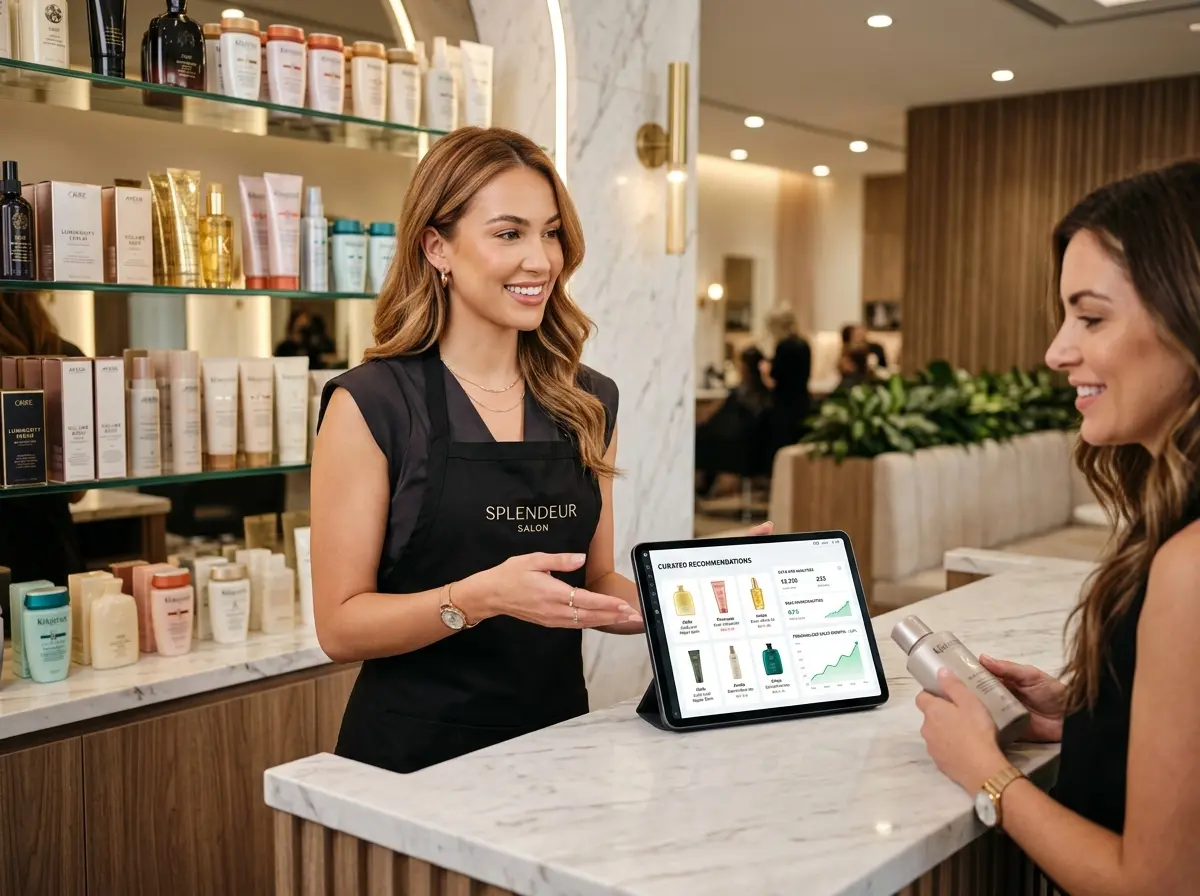
Take a walk through your store or service area the way a first-time customer would. Is it clear where the line starts? Is there enough space that people aren't awkwardly hovering? Are there merchandising displays or content near the queue that give waiting customers something to look at or pick up? Strategic placement of impulse-buy products near checkout lines isn't just a retail trick — it's also a distraction mechanism that genuinely works. Grocery stores and convenience retailers have used this for decades, and for good reason: it increases both revenue and perceived wait satisfaction simultaneously.
Train Staff to Acknowledge, Not Just Serve
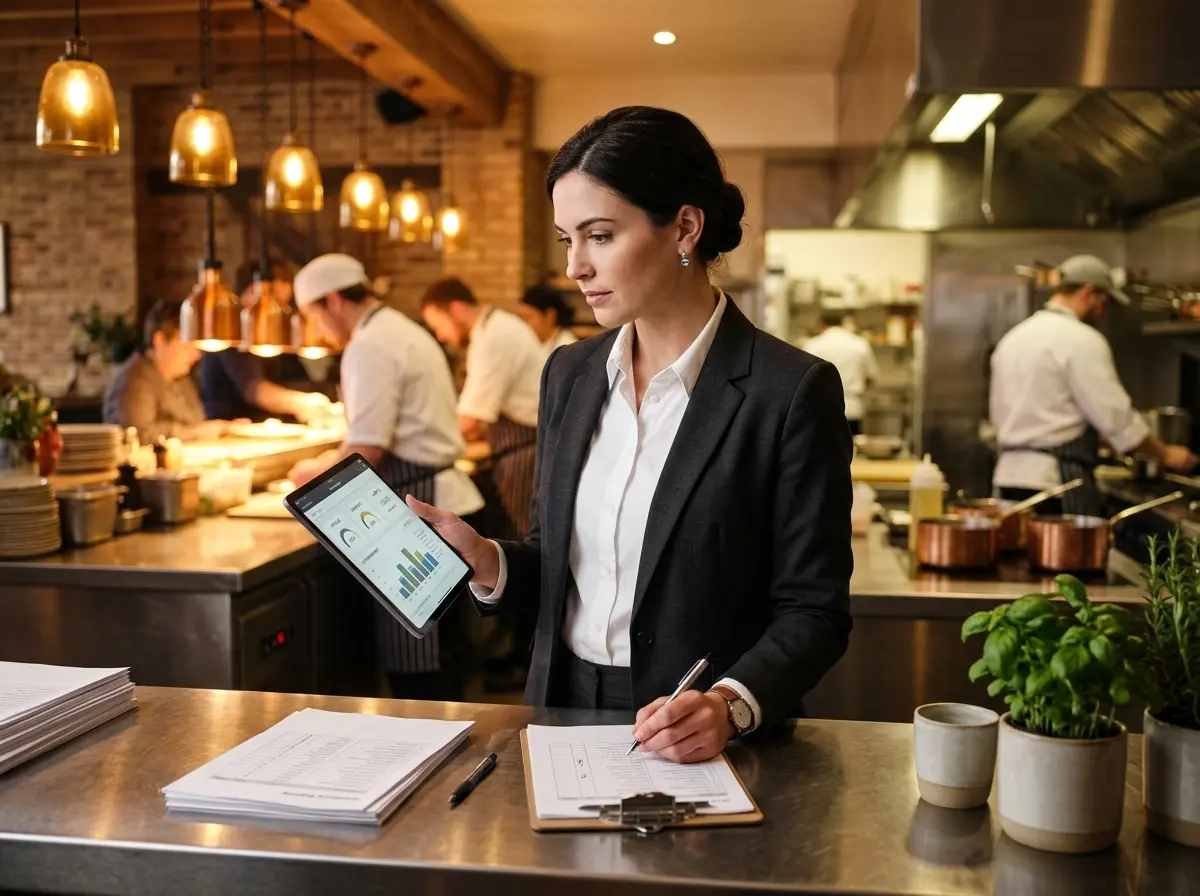
One of the cheapest, highest-impact changes you can make costs absolutely nothing. Train your team to make eye contact with waiting customers and acknowledge them verbally — even a quick "I'll be right with you, thanks for your patience" dramatically reduces frustration. Customers who feel seen while waiting are far more forgiving of delays than those who feel invisible. It sounds basic because it is, but you'd be amazed how often it doesn't happen. Mystery shopping studies consistently show that a simple acknowledgment reduces complaint rates by a significant margin, even when actual wait times don't change.
Use Mobile and Digital Check-In Where It Makes Sense
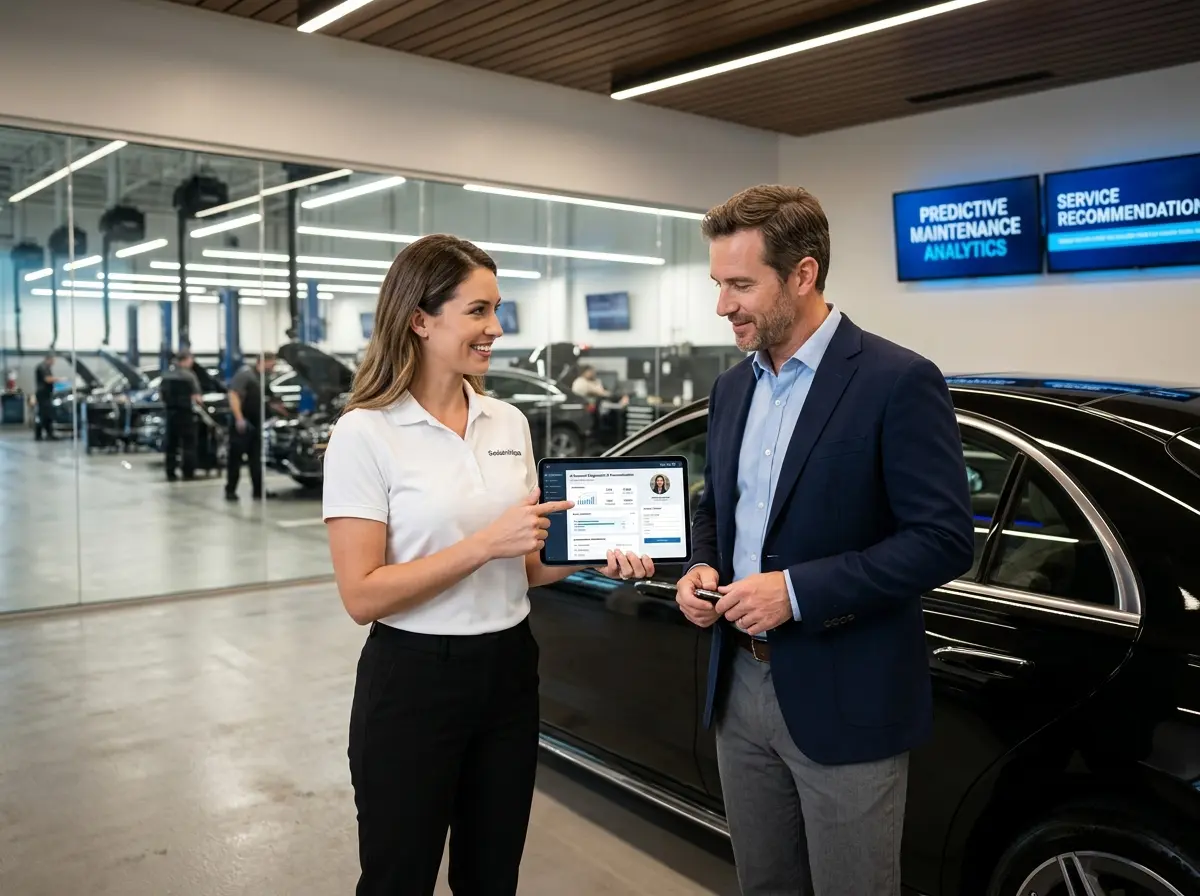
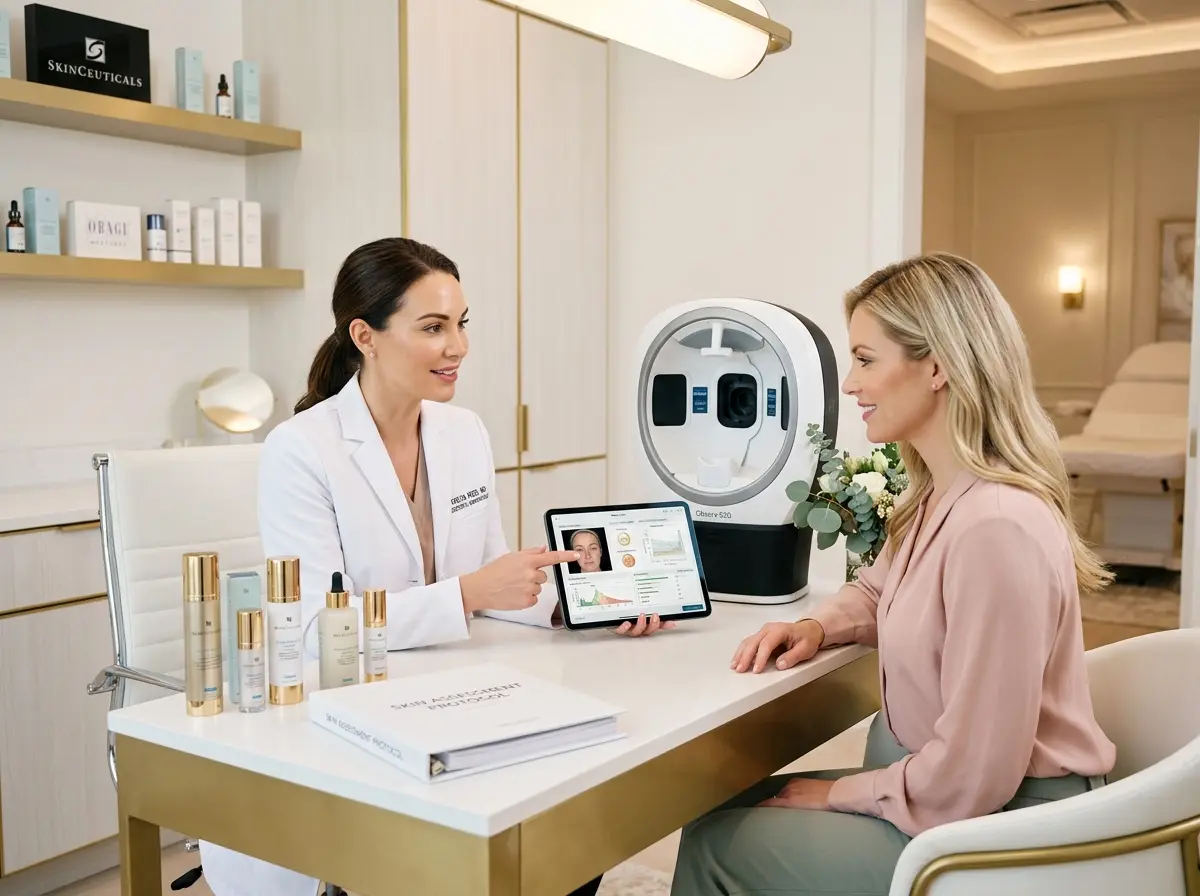
For appointment-based businesses — salons, medical offices, auto shops, law firms — digital check-in systems allow customers to confirm their arrival without physically standing in a waiting room. They can wait in their car, grab a coffee next door, or simply sit comfortably rather than hovering near the front desk. Even a simple SMS-based system that texts customers when it's their turn can transform the waiting experience entirely. Customers feel respected, staff get cleaner workflows, and the "line" essentially disappears from sight — even when it still technically exists.
Quick Reminder About Stella
Stella is a friendly AI robot employee and phone receptionist built for businesses like yours — she stands in-store to engage customers and answer questions, and she answers phone calls 24/7 with the same knowledge she uses on the floor. She runs on a flat $99/month subscription with no upfront hardware costs, making her genuinely accessible for small and growing businesses. If your team is stretched thin during busy periods, she's the extra set of hands — and voice — you didn't know you needed.
Turning Waiting Into a Competitive Advantage
The businesses that win on customer experience aren't always the ones with the shortest lines — they're the ones that make every part of the visit feel intentional. A well-managed queue signals professionalism, respect for your customers' time, and operational competence. Customers notice, even if they never say so explicitly.
Here's your actionable checklist to get started:
- Audit your current queue setup. Walk through it yourself, or ask a trusted friend to visit as a mystery shopper and report back honestly.
- Add visual or verbal wait-time communication. A small sign or a trained staff habit costs nothing and pays off immediately.
- Identify your top three most-asked questions and find a way to answer them before customers reach the counter — whether through signage, a kiosk, or an AI assistant.
- Introduce something to occupy waiting customers — a display, a demo, a digital screen, or even well-placed products to browse.
- Review your staffing patterns against your busiest hours and close the gaps where lines tend to spike.
None of this requires a massive investment or a complete operational overhaul. The goal isn't to eliminate waiting — that's rarely fully possible — but to make the time feel shorter, fairer, and more pleasant than your competition manages. In a world where customers have endless alternatives and increasingly short patience, that's not a small thing. That's your edge.
So go take a look at your line. Really look at it. Then decide what kind of experience you want your customers to have before they ever reach the counter. Because that experience? It's already part of your brand — whether you designed it or not.