Introduction: The Invisible Leak in Your Restaurant's Profits
Let's be honest — running a restaurant is basically a masterclass in controlled chaos. You're managing temperamental ovens, temperamental staff, and customers who are inexplicably upset that you ran out of the soup special at 7 PM on a Saturday. And somewhere in the middle of all that beautiful madness, food costs are quietly eating your profits alive.
The restaurant industry operates on notoriously thin margins — typically between 3% and 9% — which means every wasted head of lettuce and every over-portioned entrée is a direct hit to your bottom line. According to the USDA, the food service industry wastes an estimated 30–40% of its food supply. That's not just bad for the environment. That's bad for your bank account.
The good news? Reducing food costs doesn't have to mean shrinking portions until your customers squint at their plates in confusion, or swapping quality ingredients for whatever costs less per pound. With the right systems, habits, and mindset, you can run a leaner kitchen without sacrificing the dishes that keep guests coming back. Here's how to do it.
Getting Control of Your Kitchen: Purchasing, Portioning, and Prep
The path to lower food costs almost always starts in the back of house — before a single flame is lit or a pan hits the stove. Most restaurants bleed money not in the dining room, but in the purchasing process, the prep line, and the walk-in cooler.
Smarter Purchasing Starts with Knowing Your Numbers
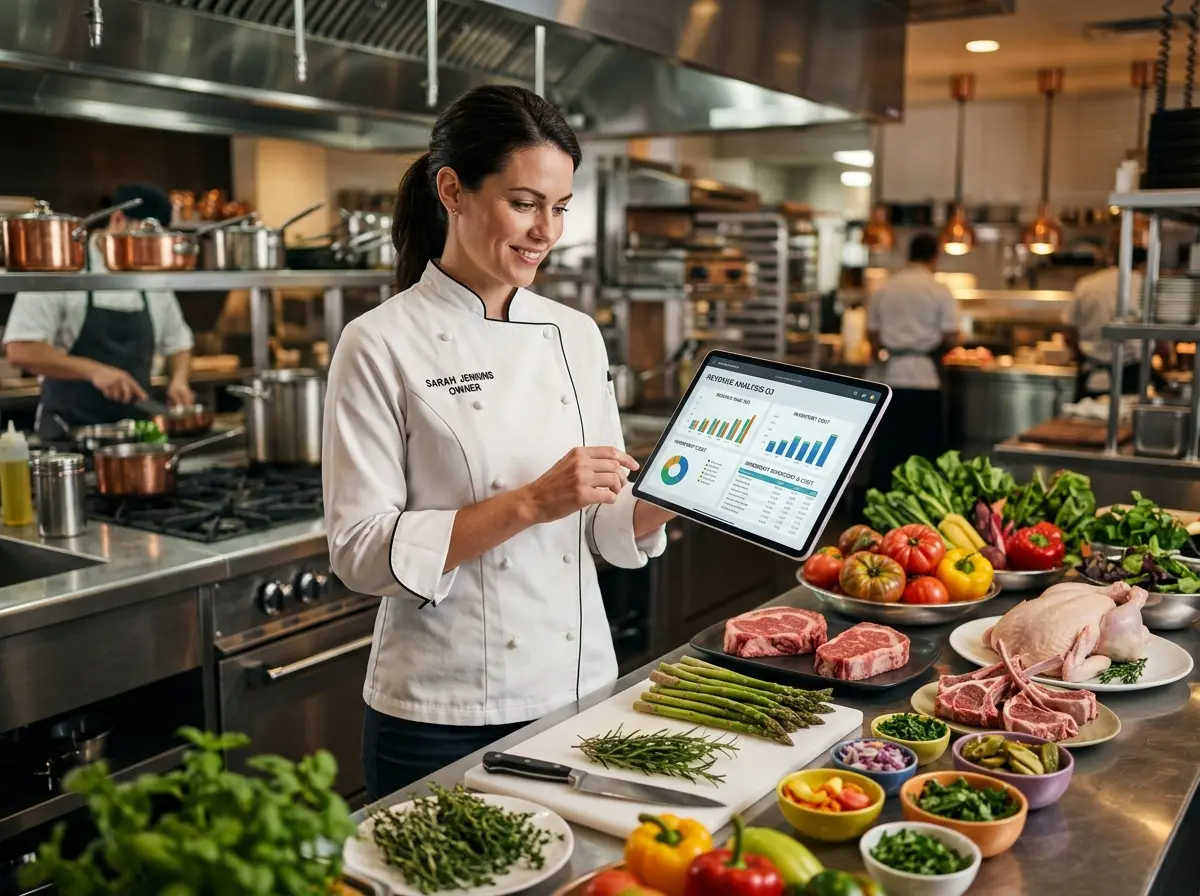
You can't manage what you don't measure. If you're ordering inventory based on gut feeling and a quick glance at the walk-in, you're essentially flying blind with someone else's money. Start by calculating your food cost percentage for each menu item using the formula: (Cost of Ingredients ÷ Menu Price) × 100. Your target will vary by concept, but most full-service restaurants aim for 28–35%.
Once you know your numbers, build purchasing discipline around them. Work with your suppliers to negotiate better pricing on high-volume items, consolidate orders to reduce delivery fees, and take advantage of seasonal produce — which is both cheaper and fresher. Joining a purchasing cooperative or group buying network can also unlock wholesale pricing that individual restaurants rarely get on their own.
Portion Control: The Unsexy Strategy That Actually Works
Inconsistent portioning is one of the most common and easily fixable sources of food cost variance. When one cook portions six ounces of protein and another portions eight, you're not just creating an inconsistent guest experience — you're burning through inventory faster than your recipes planned for. Standardized recipes, portion scales, and portioning tools (ladles, scoops, ring molds) aren't just for fancy tasting menu restaurants. They're essential for any kitchen that wants predictable costs.
Train your team consistently, conduct occasional spot checks, and make portion adherence a normal part of kitchen culture rather than a punitive audit. Framing it as "this is how we protect the restaurant" lands very differently than "we're watching you weigh the mashed potatoes."
Prep Efficiency and Mise en Place as a Cost Strategy
Wasted prep is wasted money. Over-prepping perishable items that won't sell before they turn is essentially purchasing food for the trash can. Use historical sales data to guide prep quantities by day and daypart, and build a culture of first-in, first-out (FIFO) storage to maximize the usable life of your inventory. Cross-utilization — using the same ingredient across multiple menu items — is another powerful lever. If your roasted beets appear in a salad, a side dish, and a weekend special, you've dramatically reduced the risk of any of those beets going to waste.
Leveraging Technology to Reduce Operational Drain
Here's a truth most restaurant owners don't talk about enough: food cost problems are often operational problems in disguise. Staff interruptions, missed phone calls, and inefficient customer communication eat into your team's time and focus — and distracted kitchens make expensive mistakes.
Free Up Your Staff to Focus on What Matters
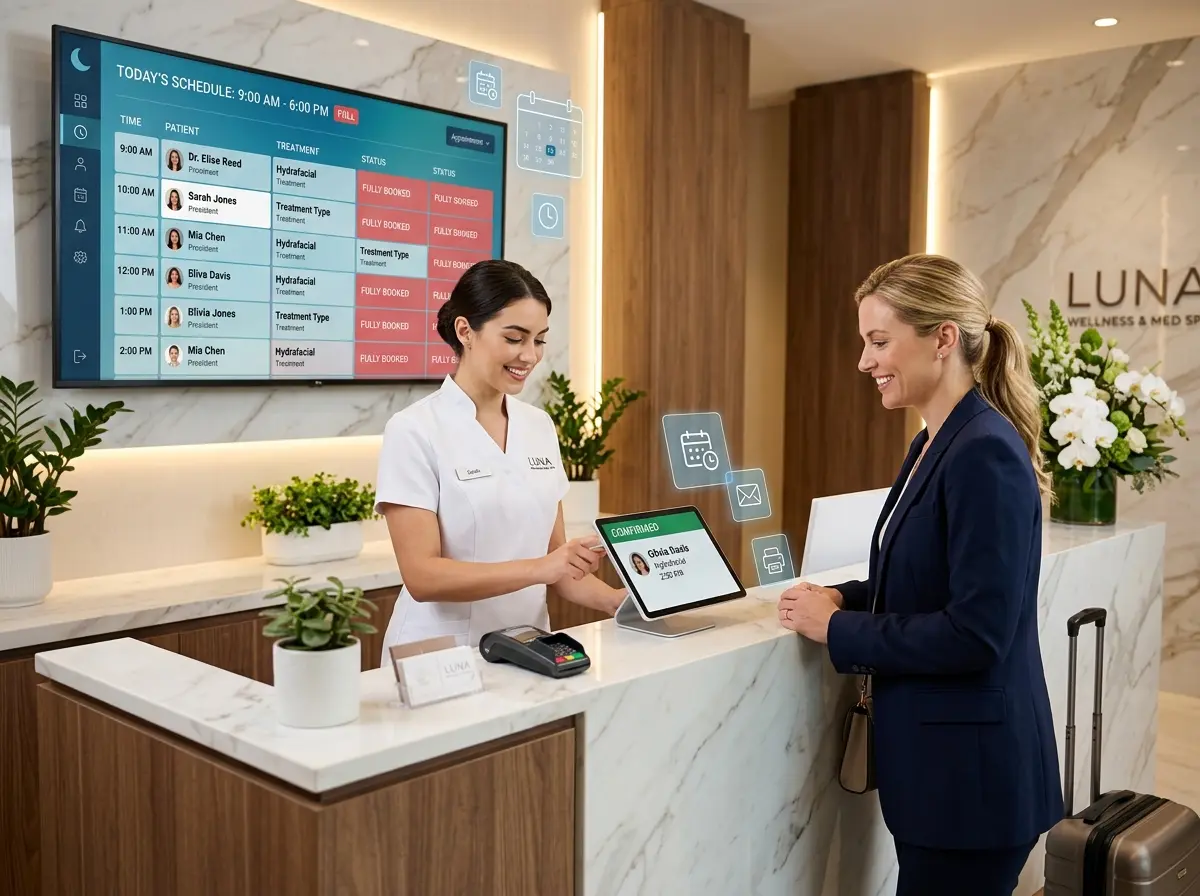
Every time a host stops seating tables to answer a question about your hours or your gluten-free options, that's a small operational leak. Multiply it by fifty interactions a day, and it adds up. Stella, the AI robot employee and phone receptionist, is designed to absorb exactly this kind of low-value interruption. Her in-store kiosk presence greets guests, answers common questions, and promotes your current specials — so your human team stays focused on delivering great food and hospitality. On the phone side, she handles incoming calls 24/7, answers questions about your menu, hours, and policies, and can even take messages with AI-generated summaries sent directly to management. A smoother front-of-house operation means a less distracted back-of-house — and that's a food cost win hiding in plain sight.
Menu Engineering: Making Your Menu Work Harder for You
Menu engineering sounds like something a consultant charges $10,000 to tell you about, but at its core, it's simply the practice of strategically designing your menu to maximize profitability. Your menu is one of your most powerful cost-management tools, and most restaurants barely scratch the surface of what it can do.
Know Your Stars, Plowhorses, Puzzles, and Dogs
The classic menu engineering matrix categorizes every item by its profitability and popularity. Stars are high-profit and high-popularity — protect them fiercely. Plowhorses are popular but low-margin — consider adjusting portion sizes or ingredient costs. Puzzles are high-margin but underordered — promote them more aggressively or reposition them on the menu. Dogs are low-profit and rarely ordered — and unless they serve a strategic purpose (like anchoring a dietary restriction category), they probably shouldn't be on the menu at all.
Conduct this analysis quarterly. Your menu should evolve with your cost realities, not stay frozen in time because "that's always been on the menu." Sentiment is expensive.
Price Strategically and Use Menu Psychology
Pricing isn't just math — it's psychology. Removing dollar signs, using odd pricing ($14.75 instead of $15), and anchoring high-margin items next to premium-priced ones can meaningfully shift ordering behavior without customers feeling manipulated. Highlighting high-margin dishes with subtle design elements — a box, a chef's note, a prominent position — increases their order frequency. And don't be afraid to raise prices strategically when ingredient costs rise. Your guests would rather pay slightly more for the same quality than watch the portions shrink and pretend not to notice.
Seasonal Menus and Limited-Time Offers as a Cost Tool
Rotating seasonal items gives you a built-in excuse to work with whatever ingredients are cheapest and most abundant at any given time of year. A winter squash dish in October costs a fraction of what it would in May. Limited-time offers also create urgency that drives sales velocity — helping you move through inventory quickly and reduce spoilage. Pair this with smart cross-utilization (see: the beets from Section 1), and a well-designed seasonal menu can meaningfully reduce your average food cost percentage across the board.
Quick Reminder About Stella
Stella is an AI robot employee and phone receptionist built for businesses like yours — she greets customers in-store, answers calls around the clock, promotes your specials, and keeps your team free to focus on the work that matters most. At just $99/month with no upfront hardware costs, she's one of the lowest-friction ways to add professional, reliable capacity to your operation without adding to your payroll.
Conclusion: Small Changes, Meaningful Results
Reducing food costs without sacrificing quality isn't a one-time project — it's an ongoing discipline. The restaurants that get it right don't do it through a single dramatic overhaul. They do it by building better habits, using smarter systems, and continuously measuring what's working.
Here's where to start this week:
- Calculate your food cost percentage for your top ten menu items and identify which ones are actually making you money.
- Audit your portioning practices and standardize any items where portion size is inconsistent.
- Review your menu and identify at least one "dog" to cut and one "puzzle" to promote more aggressively.
- Talk to your suppliers about seasonal pricing and volume discounts you may not be taking advantage of.
- Look at your operational inefficiencies — the phone calls, the walk-in interruptions, the unanswered questions — and find tools that can absorb them so your team stays focused.
The margin you've been looking for is already in your restaurant. It's hiding in over-portioned proteins, half-used prep containers, and menu items that haven't been re-evaluated since the Obama administration. Go find it — your future self (and your accountant) will thank you.