Your Veterinary Clinic Is Losing Clients at 10 PM — And You Don't Even Know It
It's 10:47 PM on a Tuesday. A panicked pet owner notices their dog has been limping all evening and finally decides to call your clinic. The phone rings. And rings. And rings. Then — voicemail. A generic, robotic message that tells them your hours and nothing else. So they hang up, Google "emergency vet near me," and call your competitor instead.
Sound familiar? Probably not, because you were asleep. That's exactly the problem.
Veterinary clinics operate in a uniquely emotionally charged industry. Pets are family, and when something feels wrong, pet owners don't wait until 9 AM to worry. They worry right now, and they expect answers right now. The clinics that understand this — and do something about it — build fiercely loyal client bases. The ones that don't? They keep wondering why their Google reviews mention "hard to reach" a suspiciously high number of times.
After-hours AI communication isn't a futuristic luxury anymore. It's quickly becoming a baseline expectation. Let's talk about why your veterinary clinic needs to get on board — and what happens when you do.
The Real Cost of Going Dark After Hours
Lost Clients Are Quietly Slipping Away
Here's a stat worth chewing on: according to research by Salesforce, 80% of customers say the experience a company provides is just as important as its products or services. In veterinary care, that experience starts at the very first point of contact — which, increasingly, happens outside of business hours.
When a potential new client calls your clinic at 7 PM and gets voicemail, the odds of them calling back the next morning are not great. Studies consistently show that response speed is one of the top factors influencing whether a lead converts to a customer. Every unanswered after-hours call is a micro-moment where trust either gets built — or doesn't. Miss enough of those moments, and you're not just losing individual appointments. You're losing lifetime client relationships worth hundreds or even thousands of dollars over the years.
Your Staff Shouldn't Have to Choose Between Rest and Responsiveness
Some clinic owners solve the after-hours problem by being available themselves — answering calls at all hours, responding to messages late at night, running on caffeine and sheer stubbornness. This is not a sustainable business strategy. It's a burnout strategy with better branding.
Your veterinary team went to school to care for animals, not to serve as a 24/7 call center. Asking staff to field after-hours calls — or doing it yourself — drains morale, disrupts personal time, and ultimately contributes to the high turnover rates that plague the veterinary industry. There is a better way, and it doesn't require anyone to sacrifice their Saturday night.
Non-Urgent Questions Are Eating Your Day Too
It's not just emergencies that drive after-hours calls. A huge portion of client inquiries are completely routine: What are your hours? Do you see exotic pets? How do I prepare my cat for surgery? What flea prevention do you recommend? These questions are important to the client but genuinely do not require a licensed veterinarian — or even a human — to answer.
When these calls come in during business hours, they interrupt your front desk staff constantly, pulling them away from check-ins, scheduling, and the actual patients in the room. When they come in after hours, they go unanswered entirely. Either way, it's inefficient. AI communication handles exactly this kind of interaction effortlessly, freeing your team to focus on what actually requires their expertise.
How AI Tools Like Stella Can Transform Your After-Hours Experience
Always-On, Always-Professional Communication
Stella is an AI robot employee and phone receptionist designed to handle exactly the kind of communication challenges veterinary clinics face every day. On the phone side, she answers calls 24/7 with the same knowledge and professionalism she'd use during business hours — fielding questions about services, hours, pricing, pet care policies, and current promotions without missing a beat. She never puts a client on hold to "go check," never sounds flustered, and never calls in sick on a Monday.
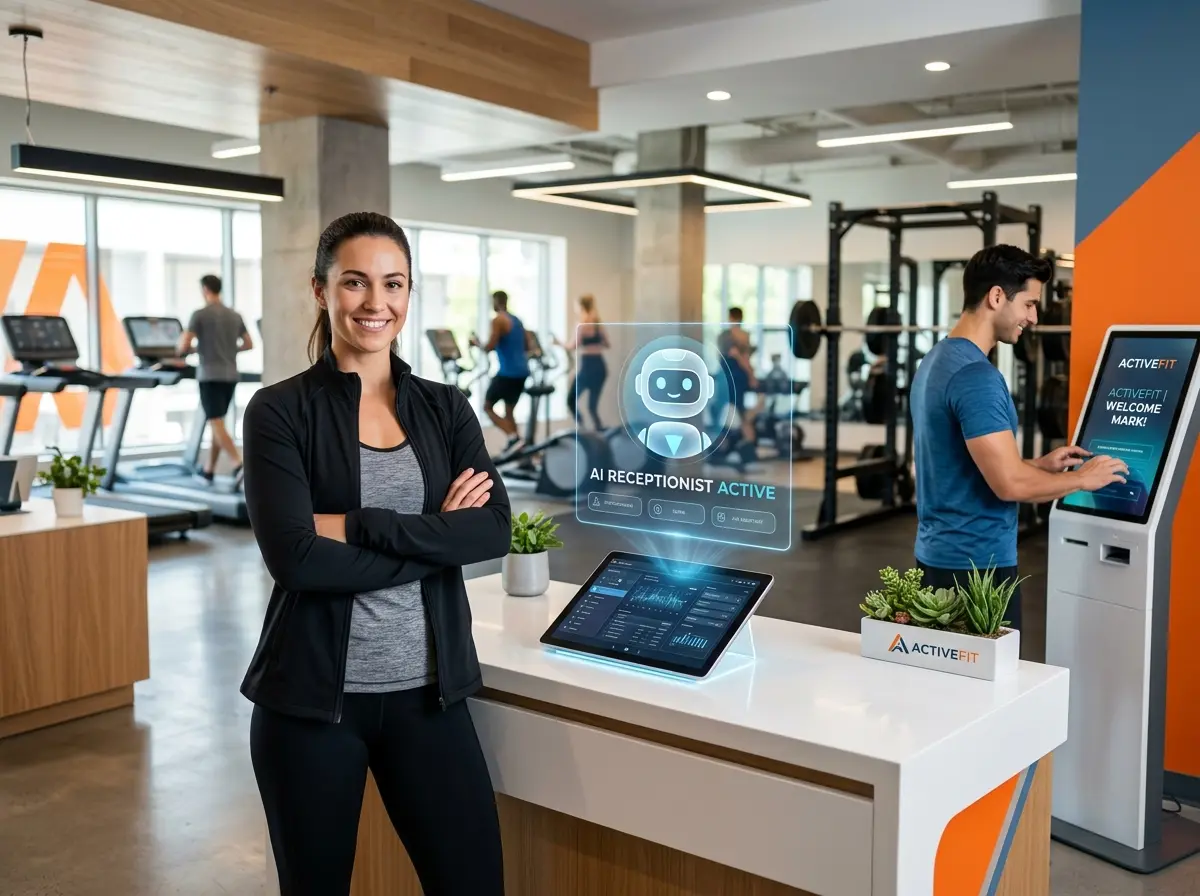
For clinics with a physical location, Stella also operates as a human-sized kiosk inside the clinic, greeting clients in the waiting room, answering questions, and promoting services — so your front desk staff can focus on check-ins and care coordination rather than fielding the same FAQ for the fifteenth time that day.
Smart Intake, CRM, and Call Management
Stella doesn't just answer calls — she works them. She can collect client and patient information through conversational intake forms right over the phone, feeding that data directly into her built-in CRM, which includes custom fields, tags, notes, and AI-generated client profiles. After-hours voicemails come with AI-generated summaries and push notifications to your manager, so you wake up knowing exactly what came in overnight and what needs follow-up — without listening to seventeen rambling messages before your first cup of coffee.
What to Look for in an After-Hours AI Communication Solution
It Needs to Sound Like Your Clinic, Not a Robot Hotline
The biggest fear most clinic owners have about AI phone systems is that they'll sound cold, robotic, or frustrating to navigate — the dreaded "Press 1 for appointments, press 2 for billing" experience that makes people want to throw their phones across the room. Modern AI communication tools have moved far beyond that. What you want is a solution that converses naturally, understands context, and represents your clinic's personality and values.
When evaluating any AI communication tool, ask yourself: Does this sound like something my clients would actually enjoy interacting with? Can it handle follow-up questions, or does it fall apart the moment someone goes off-script? A good AI solution should feel like talking to a knowledgeable, friendly team member — not navigating a phone tree designed by someone who hates people.
Integration with Your Existing Workflow Is Non-Negotiable
An AI tool that creates more work than it saves isn't a solution — it's just an expensive new problem. Whatever system you adopt should integrate seamlessly into how your clinic already operates. That means clean handoffs to human staff when calls require it, reliable message capture and summaries, and the ability to collect client information that actually makes its way into your records without someone manually transcribing voicemails.
Consider what "after hours" really means for your team. For some clinics, after-hours coverage means evenings and weekends. For others, it also means those chaotic mid-morning stretches when every phone line is ringing and the front desk is drowning. A flexible AI system should be able to handle overflow during business hours just as gracefully as it handles 2 AM inquiries.
Actionable Tips for Getting Started
If you're ready to explore AI after-hours communication for your clinic, here's a practical starting point:
- Audit your missed calls. Pull your phone records for the last 30 days and note how many calls came in after hours or went unanswered during the day. That number is your baseline — and it's probably higher than you expect.
- List your most common client questions. Document the top 10-15 questions your front desk answers repeatedly. These are exactly what your AI system should handle first.
- Define your escalation rules. Decide in advance which types of calls should always reach a human — suspected emergencies, certain medical questions, upset clients — and configure your AI accordingly.
- Set realistic expectations. AI handles routine communication exceptionally well. It doesn't replace your veterinary team's clinical judgment, and it shouldn't try to. Set it up to do what it does best and hand off everything else.
A Quick Reminder About Stella
Stella is an AI robot employee and phone receptionist built for businesses that want professional, reliable client communication without the overhead of additional staff. She answers calls 24/7, greets walk-in clients at her in-store kiosk, manages client data through a built-in CRM, and keeps your team informed with AI-generated summaries and notifications — all for $99 per month with no upfront hardware costs. For a veterinary clinic trying to stay responsive without burning out its team, she's worth a serious look.
Stop Letting After Hours Mean After Opportunity
Your veterinary clinic works hard to provide exceptional care during business hours. That effort shouldn't evaporate the moment the front door locks for the night. Pet owners are emotional, devoted, and increasingly accustomed to getting answers whenever they need them. Meeting them in those moments — even at 11 PM on a Wednesday — is one of the simplest and most powerful ways to differentiate your clinic from the competition.
Here's your action plan: start with your missed call audit, identify your most common client questions, and explore an AI communication solution that fits your workflow and budget. You don't need to overhaul your entire operation overnight. Even getting after-hours call coverage handled intelligently is a meaningful step forward.
The clinics that embrace this shift now will build stronger client relationships, reduce staff burnout, and capture more revenue from clients who would otherwise slip away quietly in the night. The ones that don't will keep blaming the economy when really, the problem was always just the phone.
Your clients are already calling after hours. The only question is whether someone — or something — is there to answer.