Introduction: The Phone Is Ringing — And So Is Your Patients' Patience
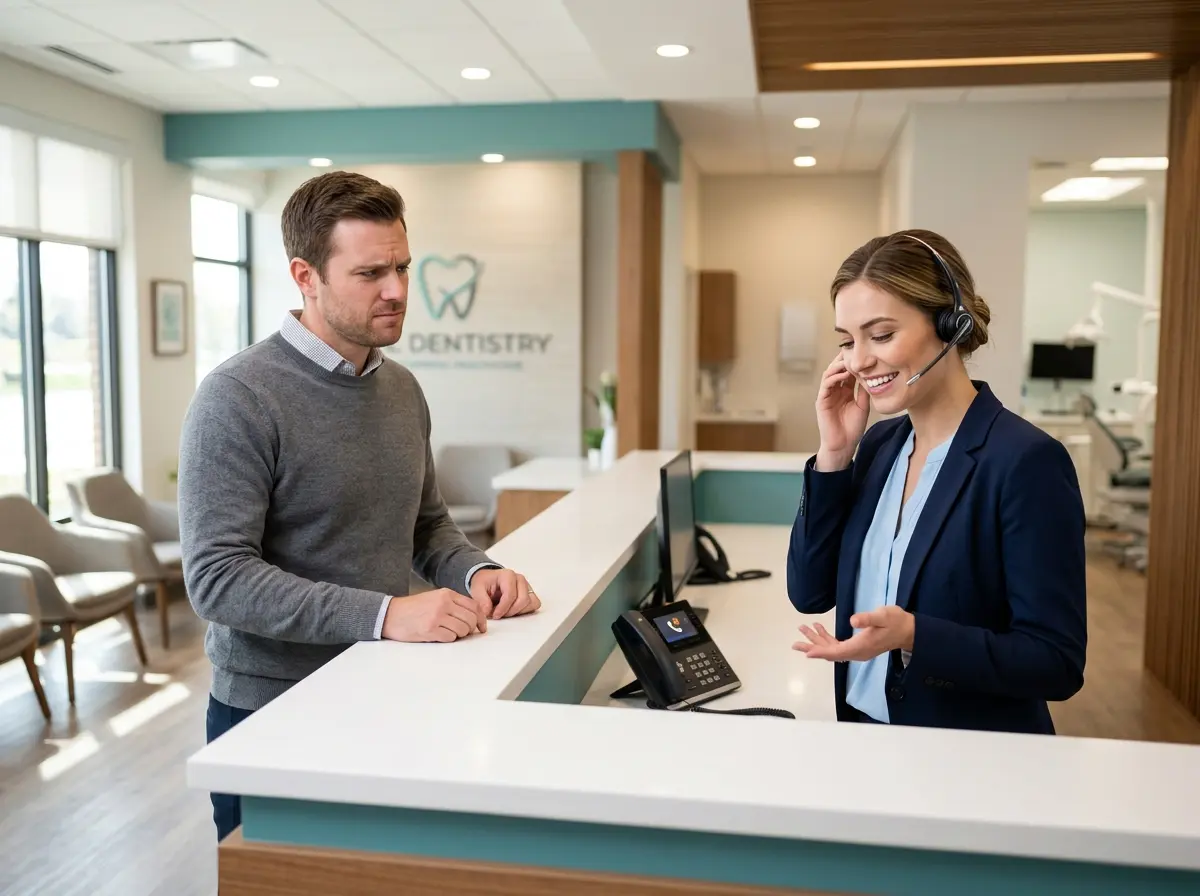
Picture this: A potential new patient finally works up the courage to call your dental office. Maybe they've been putting off that overdue cleaning for two years (we won't judge). They dial your number, feel a small surge of responsible-adult pride, and then — they're on hold. For four minutes. Listening to the same 30-second loop of smooth jazz.
They hang up. They call the dental office down the street. You just lost a patient worth potentially thousands of dollars in lifetime value, and you didn't even know the call happened.
Here's the uncomfortable truth: most dental offices are losing new patients not because of bad dentistry, but because of bad phone experiences. In a world where people can book a flight, order dinner, and refinance their mortgage from their couch at midnight, making a new patient sit on hold in 2024 is a fast track to an empty waiting room. The good news? This is one of the most fixable problems in your entire practice.
Why Missed and Mishandled Calls Are Costing You More Than You Think
The Numbers Don't Lie (But They Might Make You Wince)
Let's talk real money for a moment. The average lifetime value of a dental patient is estimated between $10,000 and $15,000 depending on the practice and the services they use. Now consider that studies suggest dental offices miss or mishandle somewhere between 25% and 40% of their incoming calls during peak hours. That's not a small leak in the bucket — that's a hole you could drive a dental chair through.
New patients in particular are not loyal yet. They have no relationship with your office, no history with your staff, and zero emotional investment in giving you a second chance. If they hit a wall on the first call, they're gone. And unlike an existing patient who might call back after lunch, a new patient who hangs up frustrated is usually done.
The Hold Problem Is a Staffing Problem in Disguise
To be fair to your front desk team — they're doing a lot. They're checking patients in, verifying insurance, handling billing questions, managing the schedule, and occasionally dealing with a patient who wants to negotiate the cost of a crown in real time. Answering the phone with full attention and zero wait time is genuinely difficult when you're one person juggling six things at once.
The result is that new patient calls — the highest-value calls coming into your practice — often get the worst experience. They're the ones most likely to be placed on hold, most likely to be rushed through an intake conversation, and most likely to fall through the cracks when a callback gets forgotten. This isn't a front desk failure. It's a systems failure.
First Impressions Are Made in the First 30 Seconds
Patients form opinions about your practice the moment the phone is answered. A warm, knowledgeable, unhurried greeting signals professionalism and care. A harried "dental office, please hold" signals chaos — and chaos is not what people are looking for in someone who will be working in their mouth with sharp instruments. Your phone experience is your first clinical impression, whether you think of it that way or not.
How Technology Can Close the Gap (Without Replacing Your Team)
Letting Automation Handle What Humans Shouldn't Have To
The goal isn't to remove your front desk staff from patient interactions — it's to free them up for the interactions that actually require a human touch. Greeting a new patient warmly, answering questions about your services, collecting basic intake information, explaining what to expect at a first visit — a lot of this can be handled consistently and professionally by the right technology, at any hour of the day.
This is exactly where Stella, an AI robot employee and phone receptionist, comes in. Stella answers calls 24/7 with the same knowledge your best front desk team member would have — your services, your hours, your new patient process, your insurance policies. She can collect patient intake information conversationally during the call, log it directly into a built-in CRM with AI-generated contact profiles, and even push a summary notification to your manager the moment a new patient inquiry comes in. For practices with a physical location, she also works as an in-office kiosk — greeting patients who walk in and answering their questions without pulling your staff away from what they're doing. No hold music. No missed opportunities.
Building a New Patient Experience That Actually Converts
Make It Effortless to Say Yes
The best new patient phone experience removes every possible point of friction between "I should call a dentist" and "I have an appointment booked." That means answering quickly, sounding knowledgeable and welcoming, and making the process of booking feel simple. If a potential patient has to explain their situation three times, navigate confusing insurance questions without help, or wait to receive a callback that may or may not come — you're adding friction at exactly the wrong moment.
Train your team (or configure your systems) to prioritize new patient calls. Create a clear, consistent script for intake questions so nothing gets missed. If someone calls after hours, make sure they're greeted professionally and that their information is captured and acted on first thing the next morning — not forgotten in a voicemail that nobody checked until noon.
Follow Up Like You Mean It
Many dental practices lose new patients not at the first call, but in the 24 to 48 hours after it. A patient expresses interest, leaves their information, and then hears nothing. By the time someone from your office calls back, they've already booked somewhere else or talked themselves back out of going at all.
Speed-to-follow-up matters enormously. Research across industries consistently shows that leads contacted within the first hour are significantly more likely to convert than those reached later. In dentistry, where anxiety and procrastination are already working against you, a fast, warm follow-up can be the difference between a new patient and a ghost. Set a clear internal standard: new patient inquiries get a response within one hour during business hours, and a same-morning response for anything that comes in overnight.
Don't Forget the In-Office First Impression
The phone experience sets the expectation, but the in-office experience either confirms or destroys it. New patients who had a smooth, welcoming phone interaction are arriving with optimism — don't squander it with a chaotic check-in process, a long unexplained wait, or a front desk that's too busy to acknowledge them. A warm, organized arrival experience reinforces the decision they made to choose your practice and sets the foundation for a long-term patient relationship.
Small details matter: use their name when they arrive, have their paperwork ready or streamlined, and make sure someone checks in with them if there's any wait. These are the moments patients remember and the ones they mention in online reviews.
Quick Reminder About Stella
Stella is an AI robot employee and phone receptionist designed to help businesses — including dental offices — never miss a new patient call again. She answers phones 24/7, handles intake, manages a built-in CRM, and works as a welcoming in-office kiosk, all for just $99/month with no upfront hardware costs. She doesn't take breaks, doesn't put patients on hold, and never has a bad day.
Conclusion: Your Phone Is Either an Asset or a Liability — You Get to Choose
The dental practices winning new patients right now aren't necessarily the ones with the fanciest equipment or the most Instagram-worthy waiting rooms. They're the ones that make it easy to become a patient. They answer the phone. They're helpful, fast, and professional. They follow up. They don't make people feel like an interruption.
If you're ready to stop losing new patients to hold music and missed callbacks, here's where to start:
- Audit your current call handling. How many calls are going to voicemail? How many are being placed on hold for more than 60 seconds? Get the data before you fix the problem.
- Define a new patient call standard. Every call from a new patient should be answered within three rings and handled without a hold, whenever possible.
- Implement a follow-up protocol. New patient inquiries get a response within one hour. No exceptions, no excuses.
- Consider AI support for after-hours and overflow. Tools exist specifically to solve this problem affordably — there's no reason to keep losing patients to voicemail.
- Train your front desk on conversion, not just administration. They are, in many ways, your most important marketing asset.
Your dentistry is probably great. Make sure the first thing patients experience — your phone — reflects that. Because the best cleaning in town means nothing to the patient who hung up during the hold music.