Introduction: The Art of Upgrading Without the Awkward
Picture this: your massage therapist finishes a session, the client is blissed out, wrapped in a warm towel, and floating somewhere between conscious and unconscious bliss — and then someone has to walk in and say, "So, would you like to add a hot stone upgrade for $30?" Cue the record scratch.
Service upgrades and add-ons are one of the most powerful revenue tools a massage studio can have. Studies suggest that upselling can increase revenue by 10–30% without a single new customer walking through the door. But here's the catch: in an industry built entirely on trust, relaxation, and human connection, a clunky sales pitch doesn't just fail — it actively damages the experience you've worked so hard to create.
The good news? There's a way to present upgrades that feels less like a car dealership and more like a thoughtful recommendation from someone who genuinely has your client's best interest at heart. It starts with having the right script — and more importantly, the right mindset behind it. Let's break down how to build an upgrade conversation that feels completely natural, earns more revenue, and keeps your clients coming back.
Building the Foundation: Mindset Before Script
Before you write a single word of your upgrade script, you need to get something straight: you are not selling. You are recommending. That distinction isn't just semantic fluff — it fundamentally changes how your staff sounds, how clients receive the conversation, and whether anyone leaves feeling pressured. The most successful massage studios don't train their therapists to be salespeople. They train them to be knowledgeable advocates for their clients' wellbeing.
Lead with the Client's Experience, Not the Price Tag
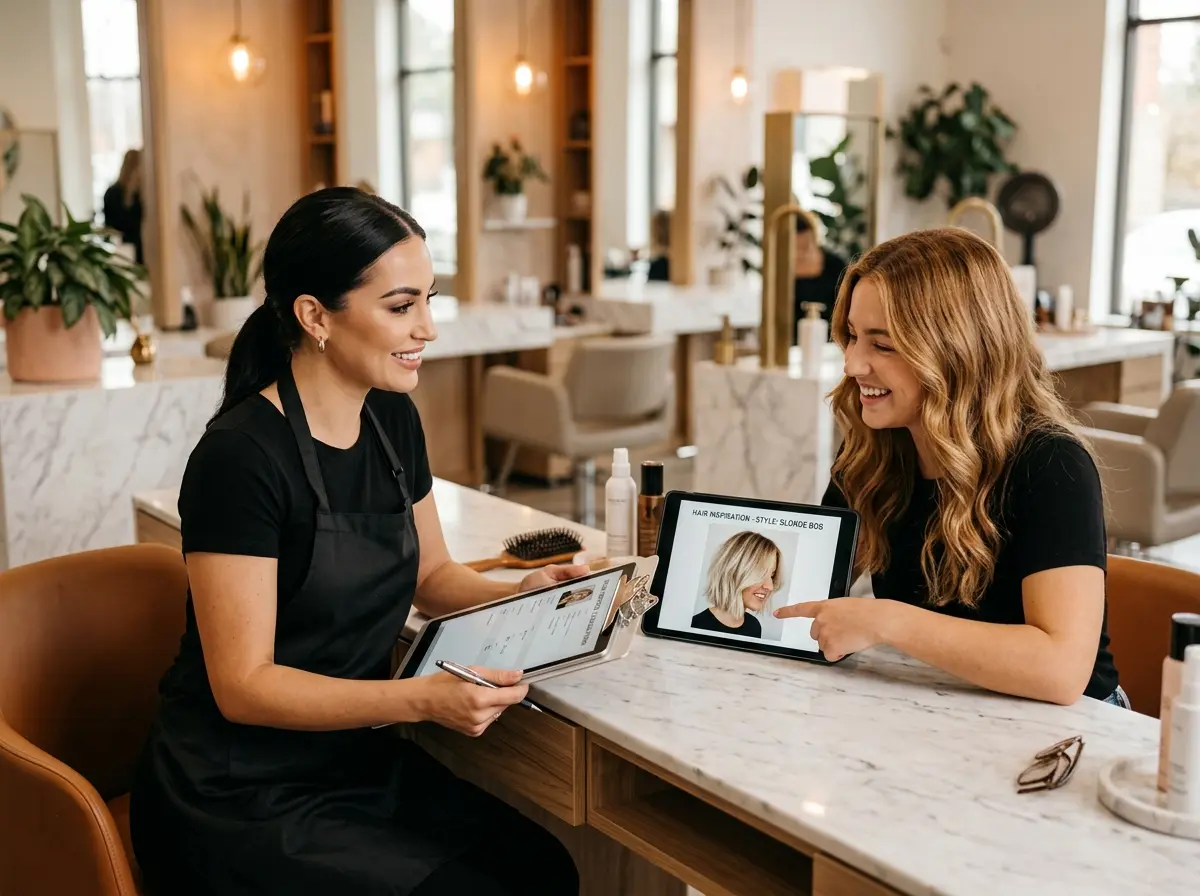
Every upgrade recommendation should start with an observation, not a price. Instead of leading with "We have a CBD add-on for $25," try "I noticed some significant tension in your shoulders today — a lot of clients find that our CBD muscle relief enhancement makes a real difference in that area." You've just connected the product directly to something the client already knows they need. The price becomes secondary to the value, and the recommendation feels earned rather than scripted.
Train your team to make mental notes throughout the session about what they're observing — tight muscles, stressed breathing, dry skin, recurring pain areas — and use those observations as the natural entry point for upgrade conversations. This transforms the pitch from transactional to genuinely consultative.
Timing Is Everything (Seriously, Don't Do It Mid-Session)
There are two golden windows for upgrade conversations: before the session begins and at checkout. Mid-session recommendations almost always feel intrusive and can yank a client right out of their relaxation. Pre-session is ideal for add-ons that need to be incorporated into the treatment, like aromatherapy, hot stones, or extended time. Post-session is perfect for retail products, future bookings with upgrades built in, or membership upsells.
Booking confirmations and intake forms are also a quietly underutilized moment. When a client fills out a pre-visit form, you can include a simple checkbox prompt like "Would you like to enhance your session? Check any of the following that interest you." This plants the seed without any human pressure at all — and by the time they arrive, they've already started thinking about it themselves.
How Automation and Smart Tools Can Do Some of the Heavy Lifting
Even with the best scripts and the most charming staff, there are moments when a human simply isn't available to start the upgrade conversation — and those moments are costing you money. That's where having the right technology in your corner makes a genuine difference.
Let Technology Start the Conversation
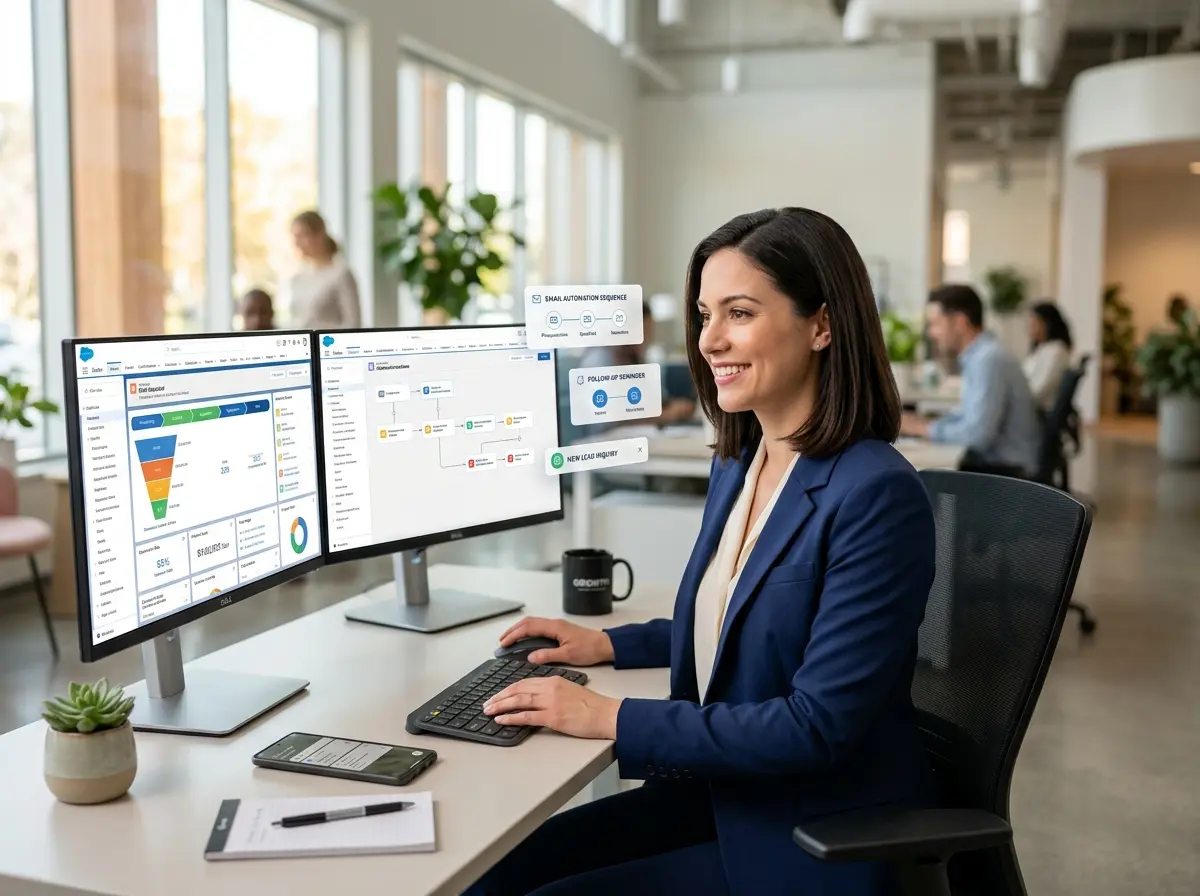
Stella, the AI robot employee and phone receptionist, is one way massage studios are taking the pressure off their staff while still making sure upgrade options are consistently communicated. As an in-studio kiosk, she greets clients as they arrive and can naturally introduce add-ons, current promotions, and enhancements before the therapist ever enters the room. As a phone receptionist, Stella answers every call — including after-hours bookings — and can mention relevant upgrades or specials during the conversation in a friendly, informative way. She also collects intake information through built-in conversational forms, which means upgrade prompts can be woven into the pre-visit process automatically, every single time, without relying on any staff member to remember to bring it up.
Crafting the Script Itself: Words That Work
Alright, let's get practical. A natural-sounding upgrade script has three core components: an observation or transition, a benefit-focused recommendation, and a low-pressure close. It's not complicated, but it does require intentional language — because the difference between a script that converts and one that makes clients cringe is often just a few word choices.
The Three-Part Framework in Action
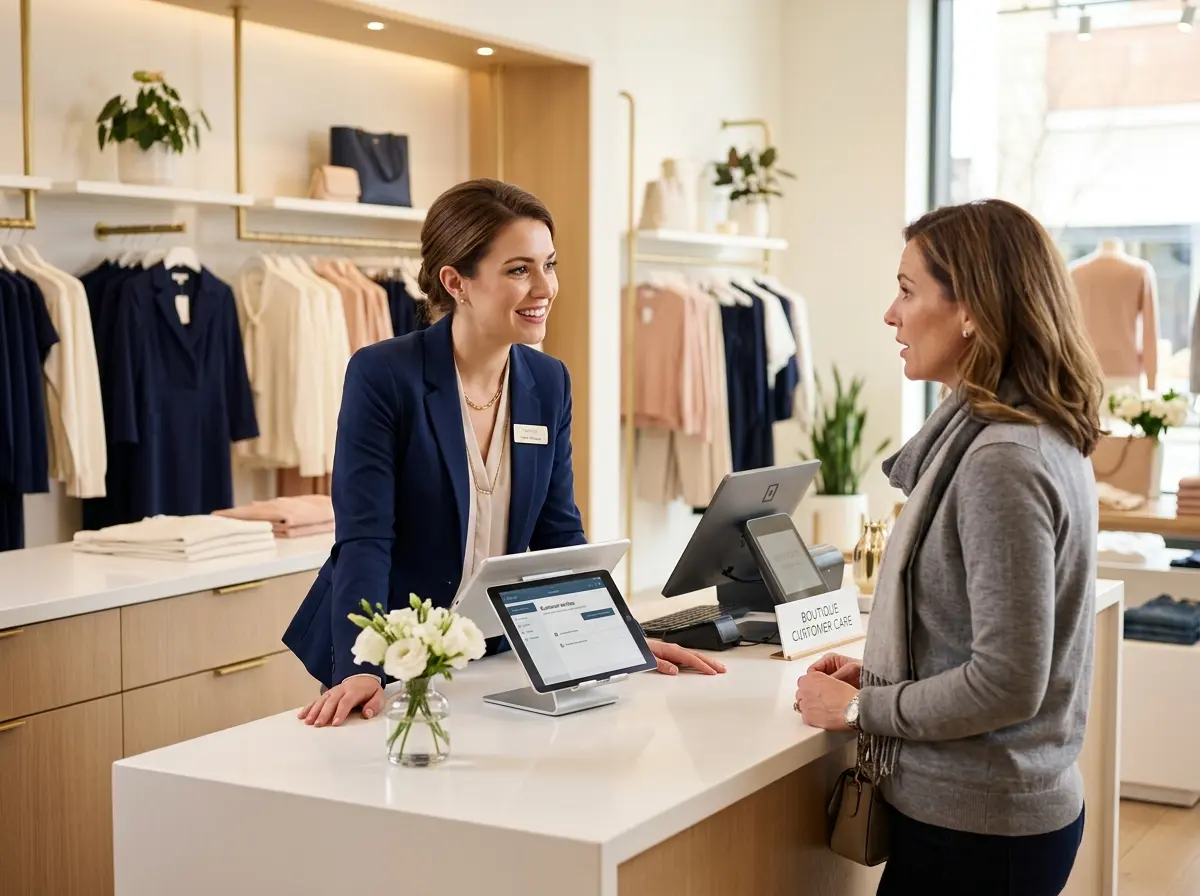
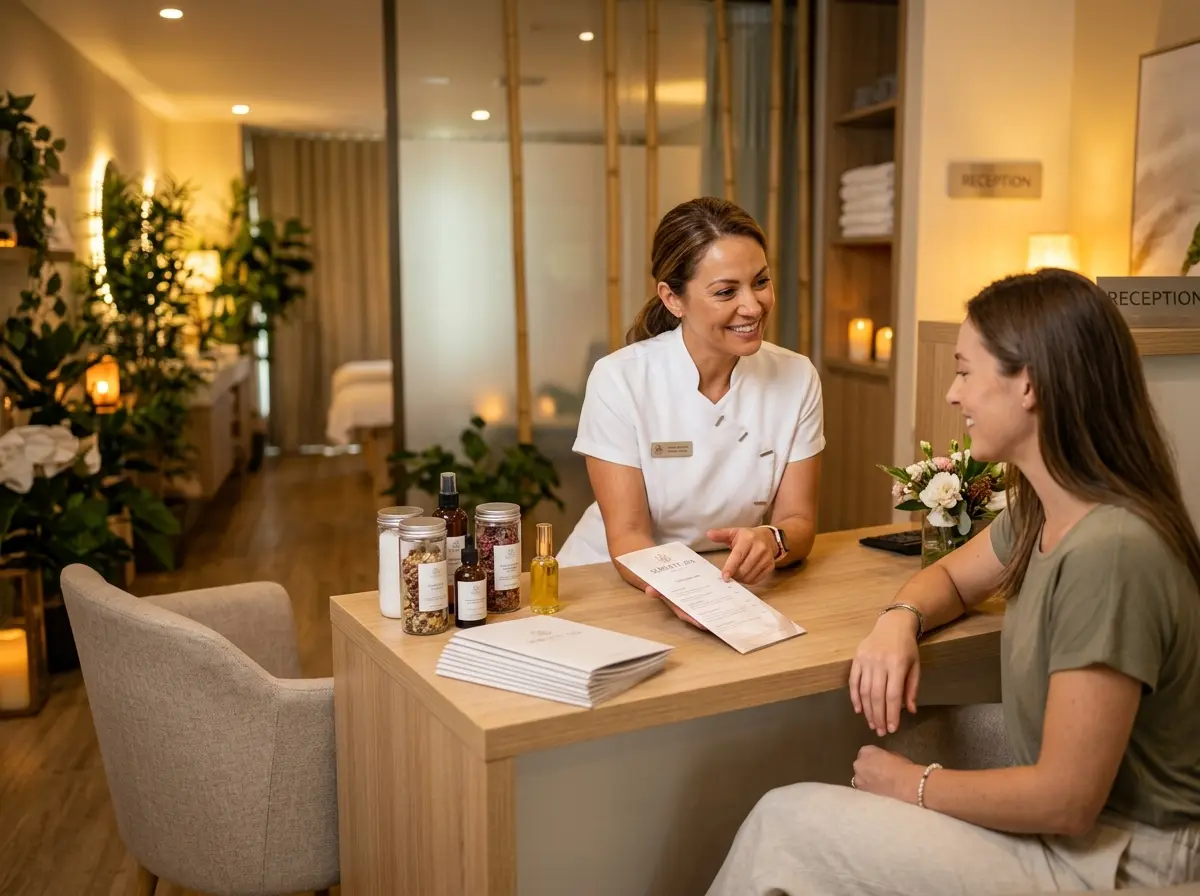
Here's what the framework looks like when applied to a real scenario. Imagine a client books a standard 60-minute Swedish massage. At check-in, your front desk or therapist might say:
"Welcome in! Just so you know, a lot of our clients who book a relaxation massage also love adding our warm foot wrap — it's about 10 extra minutes of treatment and it pairs really well with the Swedish. It's only $18 to add on. Would you like to include that today?"
Notice what's happening here: there's a social proof element ("a lot of our clients"), a direct connection to the service they already booked ("pairs really well"), the price is mentioned clearly but not dwelt upon, and the close is open-ended without being pushy. That's the sweet spot.
Language Patterns to Use — and Avoid
Word choice matters more than most studio owners realize. A few principles to build into your scripts:
- Use "a lot of our clients" or "many guests find that..." — Social proof reduces the feeling of being sold to.
- Describe outcomes, not features. "You'll leave feeling less tightness in your neck" beats "it's a 15-minute scalp massage add-on."
- Avoid "Do you want to add anything else?" — It's vague, puts all the mental work on the client, and almost always gets a no.
- Use soft closes like "Would you like to include that today?" or "Want me to add that in?" — These feel conversational rather than salesy.
- Never apologize for the price. Saying "it's only $25" or "it's just a small add-on" subtly signals that you don't believe it's worth it.
Practice matters, too. Role-play these scripts with your team until the language feels second nature — because the moment a therapist sounds like they're reading off a card, clients feel it.
Handling Hesitation Without Pressure
Not every client will say yes, and that's completely fine. The goal is never to pressure — it's to inform and invite. If a client declines, a graceful response like "No worries at all — just wanted to make sure you knew it was available!" preserves the warmth of the interaction and leaves the door open for next time. Sometimes clients say no in the moment but book the upgrade on their very next visit simply because the seed was planted. Track those patterns. Over time, you'll see which upgrades get the most interest and which scripts convert best, and you can refine your approach accordingly.
Quick Reminder About Stella
Stella is an AI robot employee and phone receptionist designed to help businesses like your massage studio stay fully covered — whether that means greeting walk-ins at the kiosk, answering calls at 2am, or consistently mentioning your upgrades and specials without ever forgetting or feeling awkward about it. At just $99/month with no upfront hardware costs, she's the team member who never calls in sick and never skips the upsell.
Conclusion: Start Small, Test, and Refine
Creating a service upgrade script that feels natural isn't about being clever or manipulative — it's about being genuinely helpful and making sure your clients know what's available to them. Most people want to enhance their experience. They just need someone to suggest it in a way that feels like a recommendation from a trusted professional rather than a pop-up ad.
Here's how to get started this week:
- Identify your top three most bookable add-ons and write a dedicated script for each using the three-part framework above.
- Practice with your team. Run through role-play scenarios for both pre-session and checkout conversations until the scripts feel natural out loud.
- Add upgrade prompts to your intake forms so the conversation starts before your staff ever has to say a word.
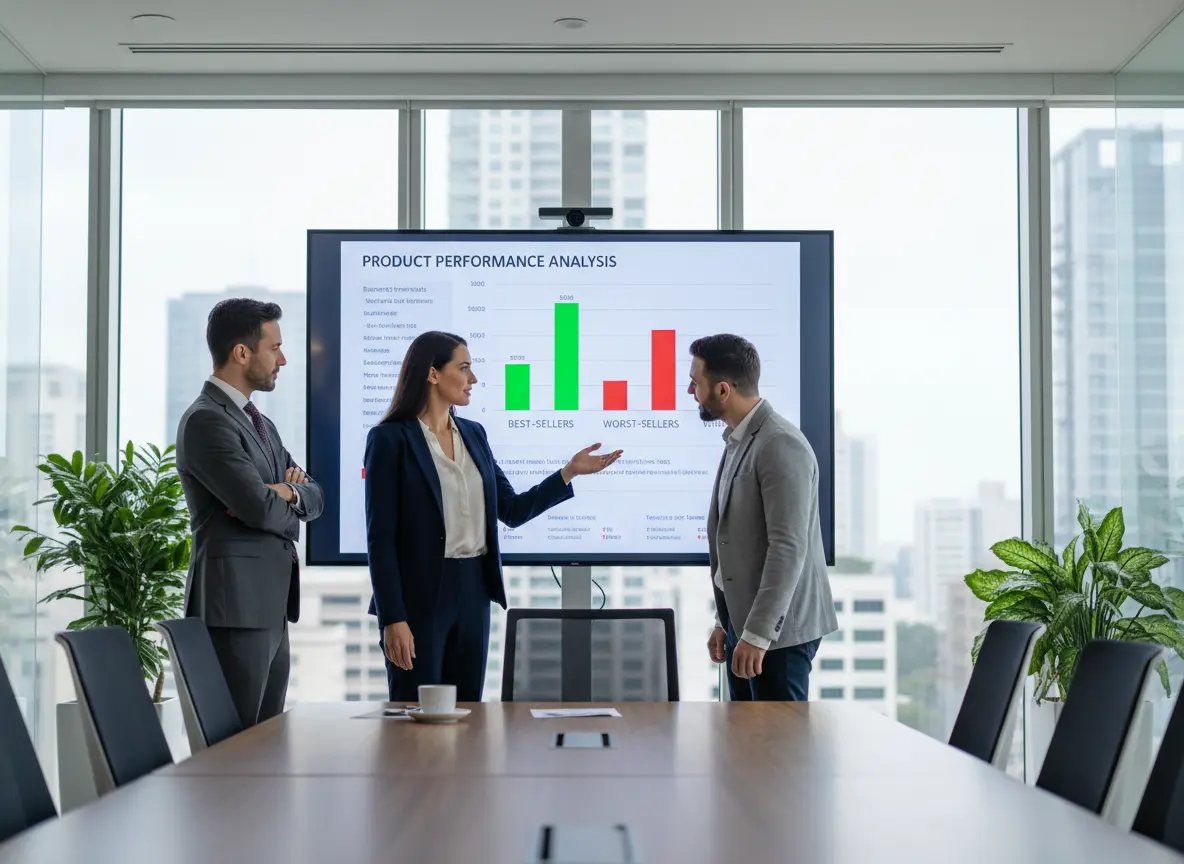
- Track your results. Note which upgrades are being offered, accepted, and declined — and adjust your scripts based on what the data tells you.
The studios that master upgrade conversations don't just see higher revenue per session — they see clients who feel more taken care of, more likely to rebook, and more likely to refer friends. And that's the kind of upsell that actually feels good for everyone involved.