Introduction: The Consultation That Pays for Itself
Let's be honest — med spas occupy a fascinating and slightly precarious space in the wellness industry. You're not quite a doctor's office, but you're definitely not a nail salon. You offer powerful, results-driven treatments — laser resurfacing, injectables, body contouring, chemical peels — and the line between "aesthetic enhancement" and "medical procedure" gets blurry faster than an untreated fine line. That's exactly why a mandatory medical director consultation requirement isn't just a compliance checkbox. It's one of the smartest business moves you can make.
Here's the uncomfortable truth: many med spas skip or rush the consultation process because it feels like friction — one more step between a prospective client and a booked appointment. But that friction? That's actually trust being built in real time. Clients who feel evaluated, heard, and properly assessed before a treatment are dramatically more likely to return, refer friends, and spend more per visit. Meanwhile, med spas that skip proper consultation protocols are quietly accumulating liability and losing repeat business without ever knowing why.
The Case for Medical Director Consultations (Beyond Just Staying Legal)
Compliance Is the Floor, Not the Ceiling
Consultations Are Where Revenue Is Actually Born
- The client's full aesthetic concerns are surfaced — not just the one they called about.
- A treatment roadmap is presented, often spanning multiple sessions and service categories.
- The client's trust in your expertise increases significantly before they've spent a dollar on treatment.
- Upsell and cross-sell opportunities emerge naturally from clinical assessment rather than from a promotional flyer.
Protecting Your Clients Protects Your Reputation
Streamlining Intake and Communication Without Losing the Human Touch
Why Intake Is the Consultation's Unsung Hero — and Where Technology Helps
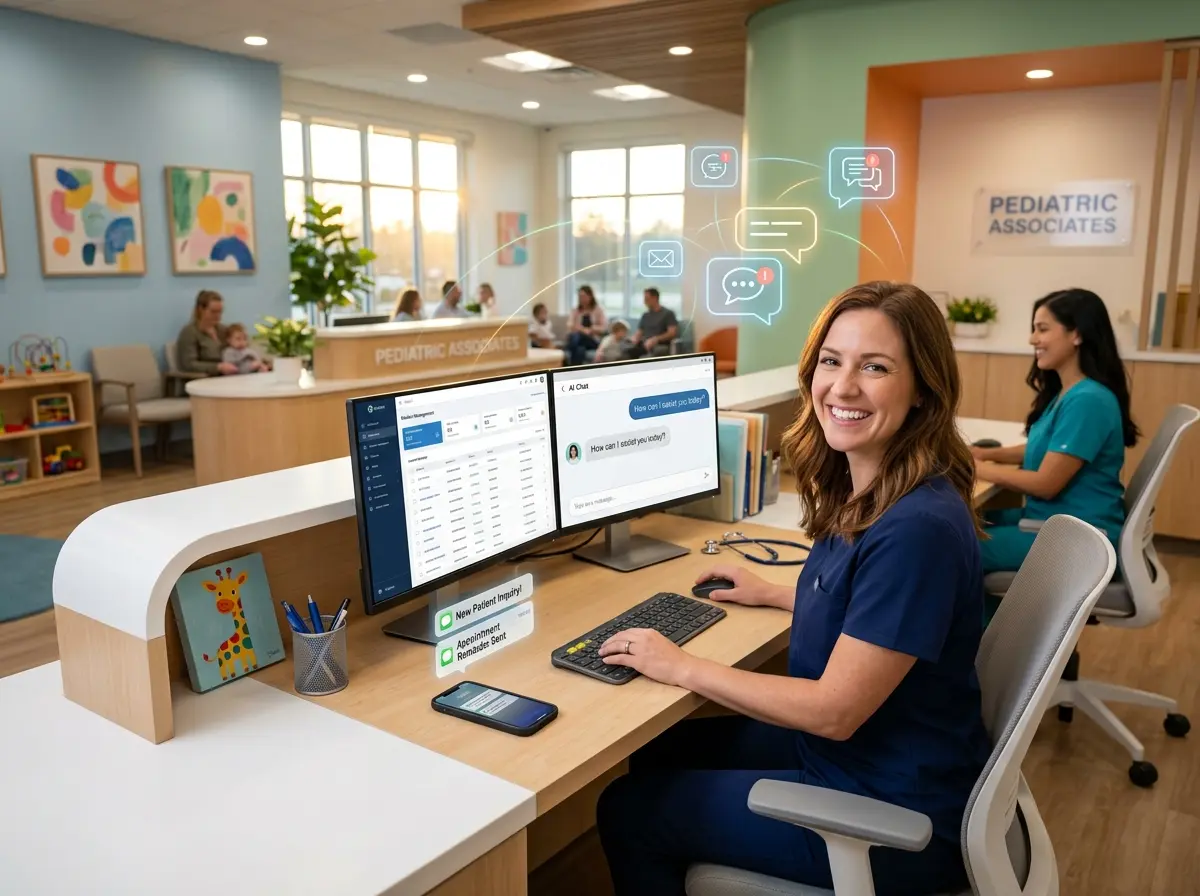
This is where Stella, the AI robot employee and phone receptionist, genuinely earns her keep. Whether she's greeting prospective clients as they approach your med spa's front entrance or answering calls after hours from someone who just saw your Instagram ad, she can collect detailed intake information through conversational forms — right there on the phone or at the kiosk — before anyone on your clinical staff has been looped in. That means your medical director reviews a completed, organized intake profile instead of a sticky note that says "new client, wants fillers." Stella's built-in CRM stores that information with custom fields, tags, and AI-generated profiles so nothing falls through the cracks between inquiry and appointment.
Structuring Your Consultation Requirement for Maximum Impact
Define What "Consultation" Actually Means in Your Practice
Create Tiered Consultation Pathways Based on Treatment Risk
- Tier 1 (Low-risk treatments): Intake form completion, brief wellness check, staff-led consultation.
- Tier 2 (Moderate-risk treatments): Full intake, medical history review, NP or PA consultation with medical director oversight.
- Tier 3 (High-risk or complex treatments): Direct medical director involvement, possible pre-treatment lab review, documented treatment plan with signed informed consent.
Turn the Consultation Into a Branded Experience
Invest in the details. Use high-quality intake and treatment plan templates that carry your branding. Train your team to use language that's confident and educational rather than salesy. Follow up after every consultation with a summary email that recaps what was discussed and what the next steps are. These touches cost very little and communicate an enormous amount about how seriously you take your clients' outcomes. In the aesthetics industry, the experience is the product — and the consultation is the first chapter.
Quick Reminder About Stella
Stella is an AI robot employee and phone receptionist designed to help businesses like med spas run more smoothly — greeting clients at the kiosk, answering calls 24/7, collecting intake information, managing a built-in CRM, and handling routine inquiries so your team can focus on delivering exceptional care. She's available for just $99/month with no upfront hardware costs, easy setup, and zero sick days. For a business where first impressions and seamless communication directly impact clinical outcomes, that's a pretty compelling member of the team.
Conclusion: Build the Foundation That Grows With You
- Review your current consultation protocol with your medical director and identify gaps between what's documented and what's actually happening on the floor.
- Build or refine your tiered consultation framework to match treatment risk levels with appropriate clinical oversight.
- Audit your intake process — from first contact through consultation completion — and identify where information is being lost or inconsistently collected.
- Invest in the client-facing experience of your consultation: the environment, the language, the follow-up communication, and the branded treatment plan.
- Use technology to handle the logistics so your team can focus on the clinical relationship that actually builds loyalty.