The Front Door to Better Patient Care
Why New Patients Are Your Most Vulnerable (and Valuable) Population
First Impressions in Healthcare Are Permanent
Studies consistently show that patients decide whether they trust a medical practice within the first few interactions. According to a report by the Beryl Institute, 70% of patients say their overall experience begins before they even walk through the door — think phone calls, website visits, and appointment confirmations. New patients haven't yet built loyalty to your practice. They're evaluating you. Every dropped call, unclear instruction, or cold interaction is a data point they're silently collecting.
The Hidden Cost of Poor Onboarding
Patient no-shows cost the U.S. healthcare industry an estimated $150 billion per year. A significant contributor? Patients who weren't properly onboarded, didn't fully understand their appointment details, or simply didn't feel connected enough to the practice to prioritize showing up. New patients who feel unguided are far more likely to cancel, reschedule, or ghost entirely.
Compliance, Intake, and the Administrative Avalanche
Where Smart Tools Make Coordination Effortless
Automating the Touchpoints That Eat Your Staff's Time
Not every medical practice has the budget to hire a dedicated care coordinator for every new patient — and that's exactly where intelligent automation steps in. Stella, the AI robot employee and phone receptionist, is built to handle the kind of repetitive, high-volume communication that consumes your front desk's day. She answers incoming calls 24/7, collects new patient information through conversational intake forms, and stores everything in her built-in CRM — complete with custom fields, tags, AI-generated profiles, and staff notifications. That means when a prospective new patient calls at 9pm wondering how to get started, Stella doesn't send them to voicemail. She engages them, gathers their information, and makes sure your team has a complete, organized summary waiting in the morning.
For practices with a physical location, Stella's in-office kiosk presence means new patients are greeted the moment they walk in — no awkward standing at the front desk waiting for someone to look up. She can answer questions about services, collect check-in information, and keep the waiting experience professional and warm. Think of her as the always-present, never-flustered front desk team member who handles the first layer so your human coordinators can focus on the deeper work.
Building a Care Coordination System That Actually Scales
Define the Coordinator Role With Precision
Consider defining responsibilities across three distinct phases:
- Pre-appointment: Intake form delivery and follow-up, insurance verification, appointment confirmation, pre-visit instructions, and answering patient questions.
- Day of visit: Greeting and orientation, ensuring clinical team has complete intake data, managing wait time communication, and collecting any outstanding documentation.
- Post-visit: Follow-up communication, scheduling next steps, referral coordination, and checking in on patient experience.
Use Technology to Stay Proactive, Not Reactive
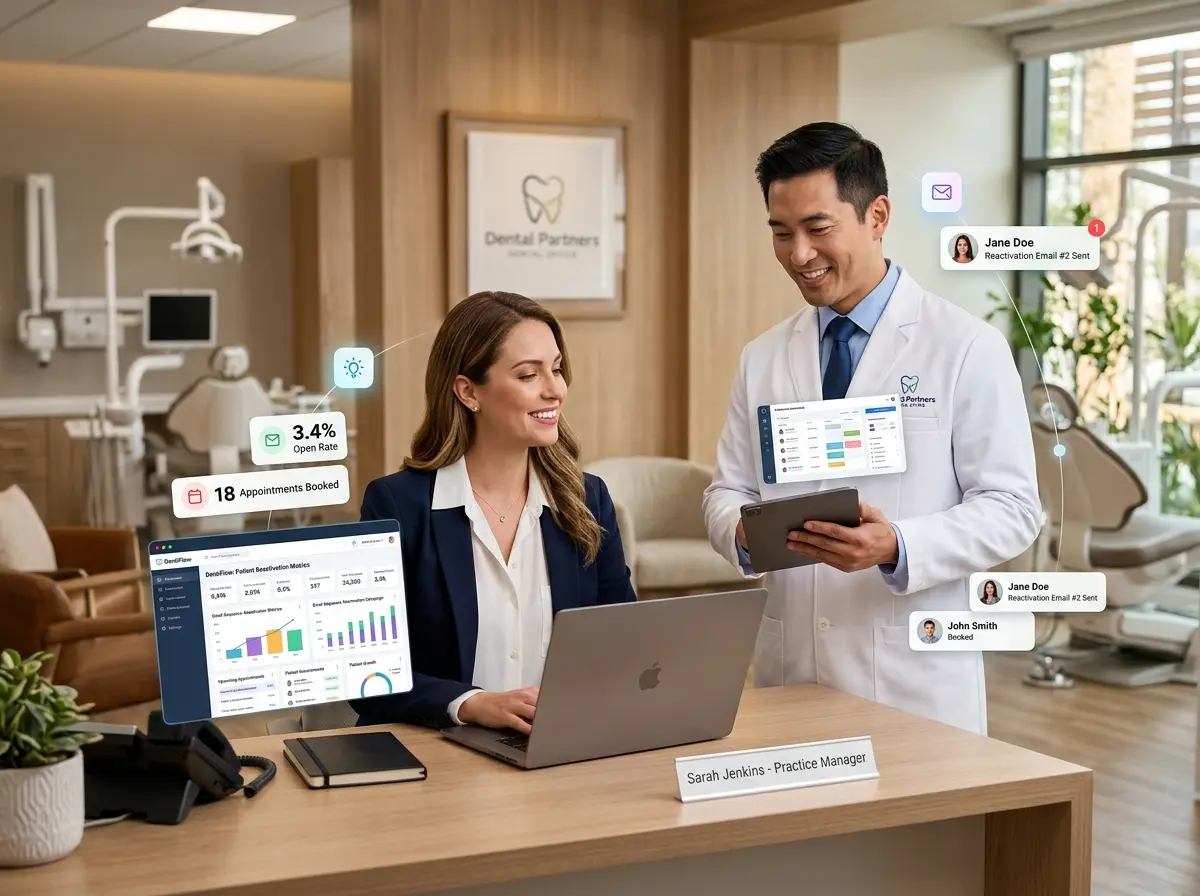
The data is clear: patients who receive proactive communication from their provider are significantly more likely to return and refer others. Building this into your care coordinator's workflow — supported by the right tools — transforms a reactive front desk into a relationship-building machine.
Measure What Matters and Adjust Accordingly
A Quick Reminder About Stella
Stella is an AI robot employee and phone receptionist designed to help businesses — including medical practices — handle customer and patient communication without adding headcount. She answers calls around the clock, greets patients in person at her in-office kiosk, collects intake information through conversational forms, and manages contacts through a built-in CRM. At $99/month with no upfront hardware costs, she's one of the most practical ways to add consistent, professional coverage to your front-of-office operations.
Your Next Steps Toward a Coordination-First Practice
Start here:
- Audit your current new patient journey. Walk through every touchpoint from first contact to post-visit follow-up and identify the gaps where patients fall through or feel unsupported.
- Define the care coordinator role. Whether it's a dedicated staff member, a restructured front desk workflow, or a hybrid of human and automated touchpoints, document it clearly.
- Implement proactive communication protocols. Build out pre-appointment, day-of, and post-visit communication templates so the experience is consistent regardless of who's handling it.
- Leverage technology for the repetitive layer. Use tools that handle intake, reminders, and after-hours communication so your human coordinators can focus on the high-value interactions that actually require empathy and judgment.
- Measure, review, and improve. Set your KPIs, review them monthly, and treat care coordination as the living system it is — not a one-time setup.