Food Brings People Together (and So Does a Well-Stocked Kitchen)
Here's a truth universally acknowledged by anyone who has ever hosted a dinner party: food is not just fuel. It's connection, culture, creativity, and — on a good night — the reason twenty people are still sitting around your table at midnight arguing about whether you really need to bloom your spices before adding them to a curry. (You do. Always bloom your spices.)
As a cooking supply store owner, you're not just selling sheet pans and silicone spatulas. You're sitting at the center of something genuinely powerful: a shared human obsession with making and eating good food. The question is, are you capitalizing on that? Or are you waiting for customers to wander in, grab a whisk, and wander back out — never to be seen again?
Building a community around your store transforms one-time buyers into loyal regulars, regulars into brand advocates, and brand advocates into the kind of walking advertisements that no paid ad campaign can replicate. The best part? You already have the most compelling gathering point imaginable. Let's talk about how to use it.
Creating Experiences That Keep Customers Coming Back
A cooking supply store that only sells products is leaving an enormous opportunity on the counter. The stores that thrive long-term are the ones that make themselves destinations — places people want to visit even when they don't need a new mandoline slicer.
Host In-Store Events and Cooking Demonstrations
In-store events are one of the most effective community-building tools available to independent retailers, and for cooking supply stores specifically, they're a natural fit. Think hands-on cooking classes, product demonstration evenings, themed culinary workshops (hello, holiday cookie decorating), or even casual "try before you buy" sessions where customers can test cookware on a live heat source.
According to Eventbrite, 78% of millennials prefer to spend money on experiences over things — and if your event manages to be both an experience and lead to a purchase, you've hit the retail jackpot. Keep classes small, practical, and fun. Partner with a local chef or food blogger to add credibility and cross-promote to their audience. Charge a modest fee that covers costs and signals value, or offer free demos tied to specific product lines you want to move.
Build a Loyalty Program Worth Talking About
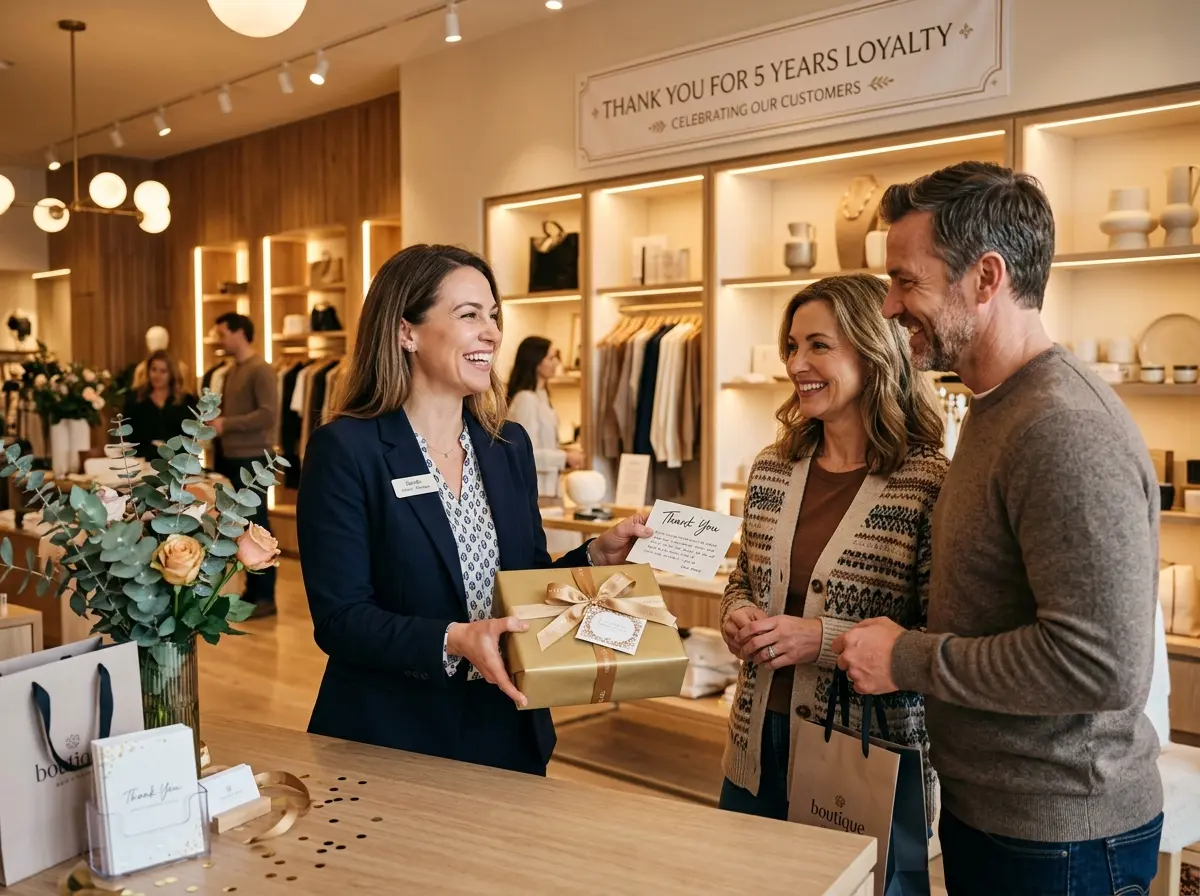
Not all loyalty programs are created equal. A generic "spend $100, get $5 off" program is fine, but it's not exactly conversation-starting. Consider structuring your loyalty program around cooking milestones — points for attending events, leaving reviews, referring friends, or completing a "cooking challenge" series you promote in-store and online. Give tiers names that match your brand personality. Nobody gets excited about being a "Silver Member," but plenty of people would love to call themselves a "Sous Chef" or "Head of the Kitchen."
The key is making your loyalty program feel like club membership, not a punch card.
Collaborate With Local Food Businesses
Your community already has farmers' markets, food trucks, local restaurants, culinary schools, and home bakers trying to turn their passion into a business. These are your people. Cross-promotional partnerships with these businesses expand your reach, add authenticity to your brand, and create the kind of grassroots goodwill that chains simply cannot manufacture. Feature a local vendor's products in your store, co-host a pop-up event, or sponsor a community cook-off. Everyone wins — especially the customers who discover something new.
Letting Technology Handle the Logistics So You Can Focus on People
Community building is a people-first endeavor, which makes it slightly ironic that the biggest obstacle most store owners face is not having enough time for people. Between managing inventory, handling phone calls, answering the same five questions on repeat, and trying to remember which regulars prefer cast iron over stainless steel — it gets exhausting fast.
Free Up Your Team With a Smarter Front-of-House Presence
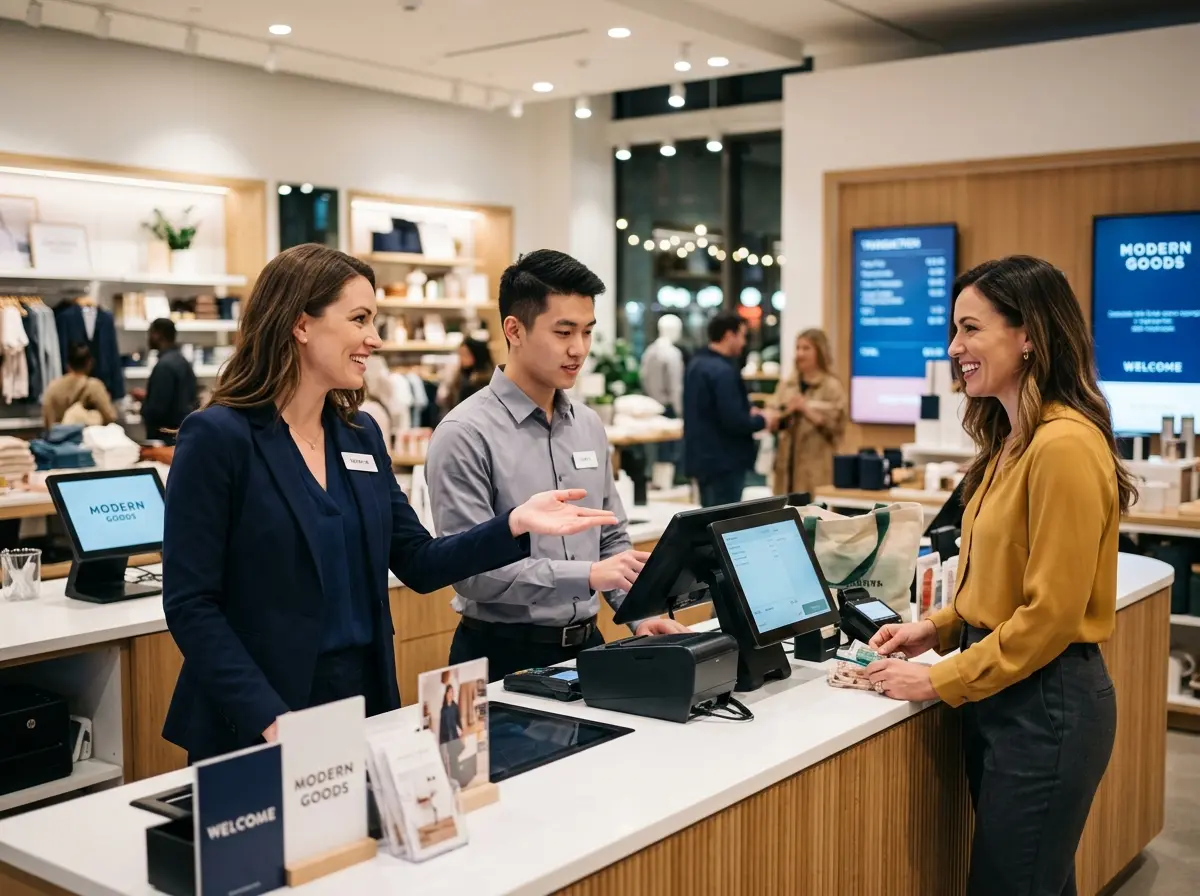
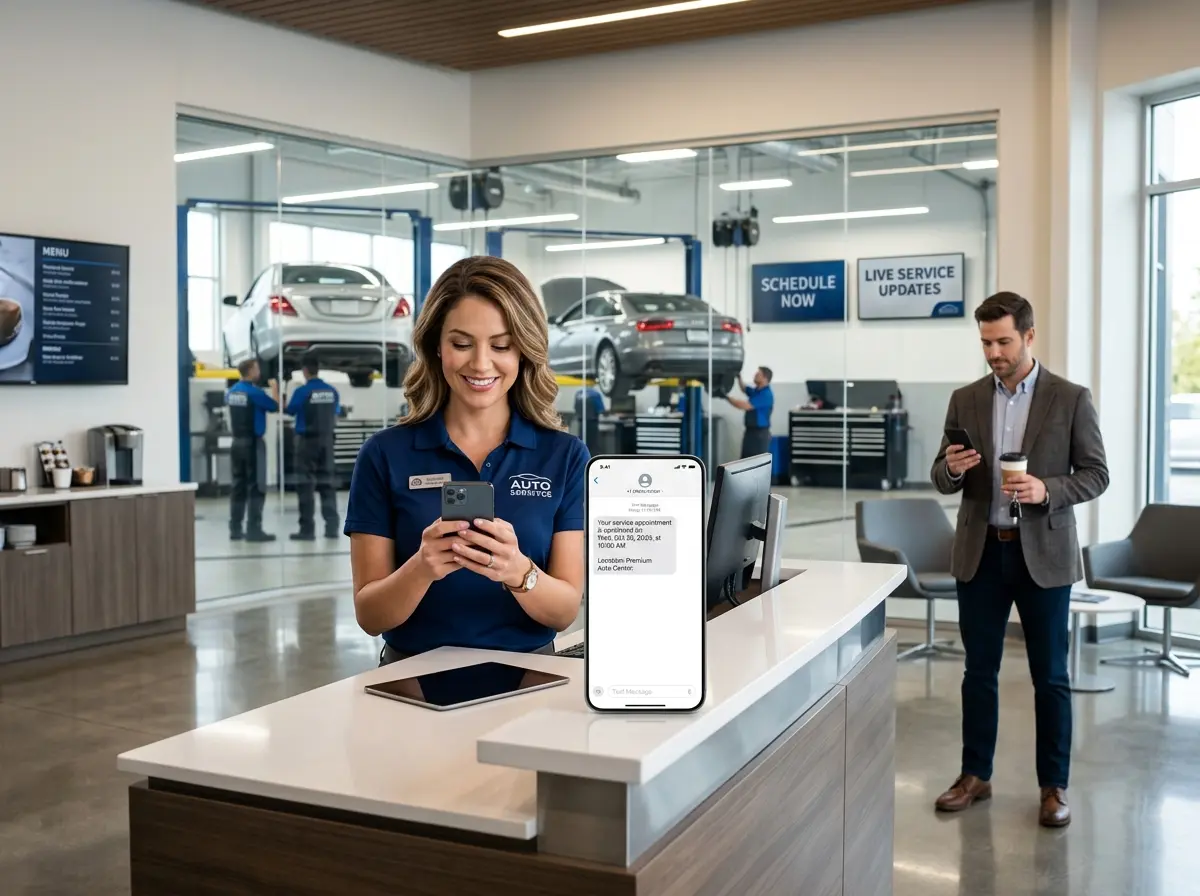
This is exactly where Stella, the AI robot employee and phone receptionist, becomes genuinely useful for cooking supply store owners. In-store, Stella stands as a human-sized AI kiosk that greets every customer who walks in, answers product and policy questions, promotes current deals, and even upsells related items — so your human staff can focus on delivering the kind of warm, expert service that actually builds community. On the phone, Stella answers calls 24/7, handles inquiries, takes messages with AI-generated summaries, and forwards calls to staff when needed. She also collects customer information through conversational intake forms and stores it in a built-in CRM — meaning you can actually remember that Janet prefers copper cookware and always asks about your baking classes. At $99/month with no upfront hardware costs, it's the kind of operational support that makes more space for the human moments that matter.
Growing Your Community Online and Beyond Your Four Walls
A strong in-store community is wonderful. A strong in-store community that also exists online is unstoppable. The two reinforce each other — your online presence drives foot traffic, and your in-store experiences give people something worth posting about.
Build a Content Strategy Around Food and Cooking
You don't need to become a full-time content creator, but a consistent, helpful online presence pays dividends for community building. A blog with practical cooking tips, recipe suggestions that feature your products, or "how to care for your cast iron" guides positions your store as a trusted authority — not just a place to buy stuff. Short-form video content showing product demos or behind-the-scenes event prep performs exceptionally well on Instagram and TikTok, and it humanizes your brand in a way that polished advertising simply doesn't.
The goal is to be genuinely useful. People follow and return to businesses that teach them something or make their lives easier. A cooking supply store has an almost unfair advantage here — there is an endless supply of things home cooks want to learn.
Create an Online Community Space
Consider creating a Facebook Group or an email newsletter club specifically for your customers. Give it a name, give it a purpose — weekly recipe inspiration, early access to events, exclusive discounts — and nurture it consistently. Even a modest, engaged community of a few hundred local food lovers can become a powerful driver of word-of-mouth referrals and repeat visits. Encourage members to share their cooking wins (and disasters — people love an honest fail). Celebrate them publicly. Ask for their input on which products to stock or what events to host next. People who feel heard become people who stay.
Leverage User-Generated Content and Customer Stories
Your customers are cooking beautiful meals with tools they bought from you. Are you asking them to share those moments? A simple in-store sign, an email prompt, or a social media challenge — "Show us what you made this weekend and tag us" — can generate authentic content that no marketing budget can replicate. Feature customer photos on your channels, spotlight a "cook of the month," and create a culture where buying from your store feels like joining something worth talking about.
Quick Reminder About Stella
Stella is an AI robot employee and phone receptionist designed to help business owners like you handle the operational noise — greeting customers in-store, answering phones around the clock, managing customer data, and keeping things running smoothly without adding to your payroll headaches. She works across retail, restaurants, and dozens of other industries, and she's ready to go for just $99/month. Think of her as the team member who never calls in sick right before your biggest cooking class of the year.
Start Building — Your Community Is Waiting
The cooking supply stores that will win the next decade aren't the ones with the largest product selection or the lowest prices. They're the ones that make their customers feel like they belong to something. Food is one of the most universal human experiences there is, and you have built your entire business around it. That's not a small thing.
Here's where to start: pick one initiative from this post and commit to launching it within the next 30 days. Host a small demo night. Launch a simple loyalty program. Start an email list. Post a cooking tip video. Partner with one local food business. You don't need to do everything at once — you need to do something, consistently, with your customers genuinely in mind.
Use tools like Stella to take repetitive operational tasks off your plate so your energy can go where it actually matters: into the people, the experiences, and the relationships that will keep your store thriving for years to come. The ingredients are all there. Now it's time to cook.