Introduction: The Client Journey Starts Long Before They Step Through Your Door
You've invested in the perfect ambiance. The lighting is soft, the scent is divine, the music hits exactly the right note between "spa day" and "I might actually fall asleep." And yet — your phone rings during a treatment, no one answers, and a potential client quietly books with your competitor down the street. Brutal, isn't it?
Here's the truth that most spa owners eventually learn the hard way: the client experience doesn't begin when they walk in the door — it begins the moment they try to reach you. That first interaction, whether it's a phone call, a website visit, or a walk past your storefront, sets the tone for everything that follows. Nail it, and you've got a loyal client for years. Drop the ball, and you've lost them before they ever experienced your signature hot stone massage.
According to a study by Zendesk, 60% of customers say they have higher expectations for customer service than they did just a year ago. Spas, salons, and wellness businesses are particularly vulnerable here because the entire brand promise is built around care, attention, and experience. If the intake process feels clunky, the phone goes unanswered, or the booking flow feels like filling out a tax return, you've already broken the spell.
The good news? Redesigning your client journey — from first call to first appointment — doesn't require a complete overhaul or a team of consultants. It requires intentionality at each touchpoint. Let's walk through it.
The First Impression Problem (And Why Most Spas Get It Wrong)
Your Phone Is a Revenue Channel, Not a Nuisance
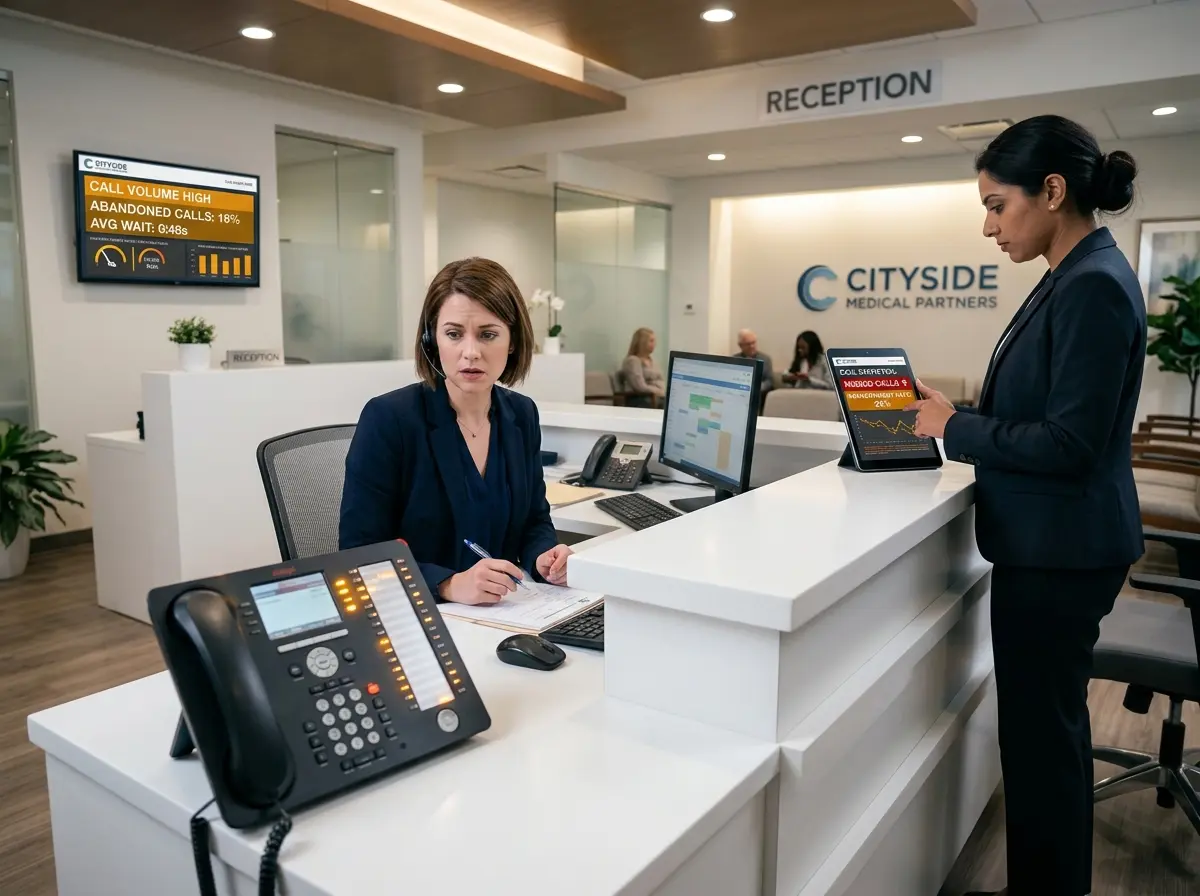
Most spa owners think of phone calls as interruptions. Someone's elbow-deep in a facial, the front desk is juggling check-ins, and suddenly the phone rings with someone asking how much a Swedish massage costs. It's understandable that the phone becomes an afterthought — but it's a costly one.
Research from BrightLocal found that 60% of consumers prefer to call a local business after finding them online. That means after someone finds your spa on Google or Instagram, their next move is often to pick up the phone. If that call goes to voicemail — or worse, rings endlessly — you've essentially handed a warm lead to your competition with a bow on top.
The fix isn't hiring a dedicated receptionist (though that helps). The fix is treating your phone as a front-line revenue channel and building a process around it. That means someone — or something — should always be ready to answer, provide accurate information, and ideally, guide callers toward booking.
The Information Gap: What Callers Actually Want
Here's a fun exercise: call your own spa right now. What happens? Does someone answer warmly and knowledgeably? Does it go to voicemail with a generic message? Are the hours on your Google listing even correct?
Most first-time callers aren't ready to book immediately — they're in research mode. They want to know what services you offer, how much things cost, whether you have availability on Saturday afternoon, and if you have a package deal that covers a couples' massage and a facial. If they get that information quickly and confidently, they're much more likely to convert. If they're told "let me take your number and have someone call you back," there's a good chance they won't wait.
Closing the information gap means training your team, keeping your listing data current, and ensuring that whoever answers the phone — human or AI — actually knows your menu, your pricing, your policies, and your current promotions.
Walk-In Engagement: The Overlooked Opportunity
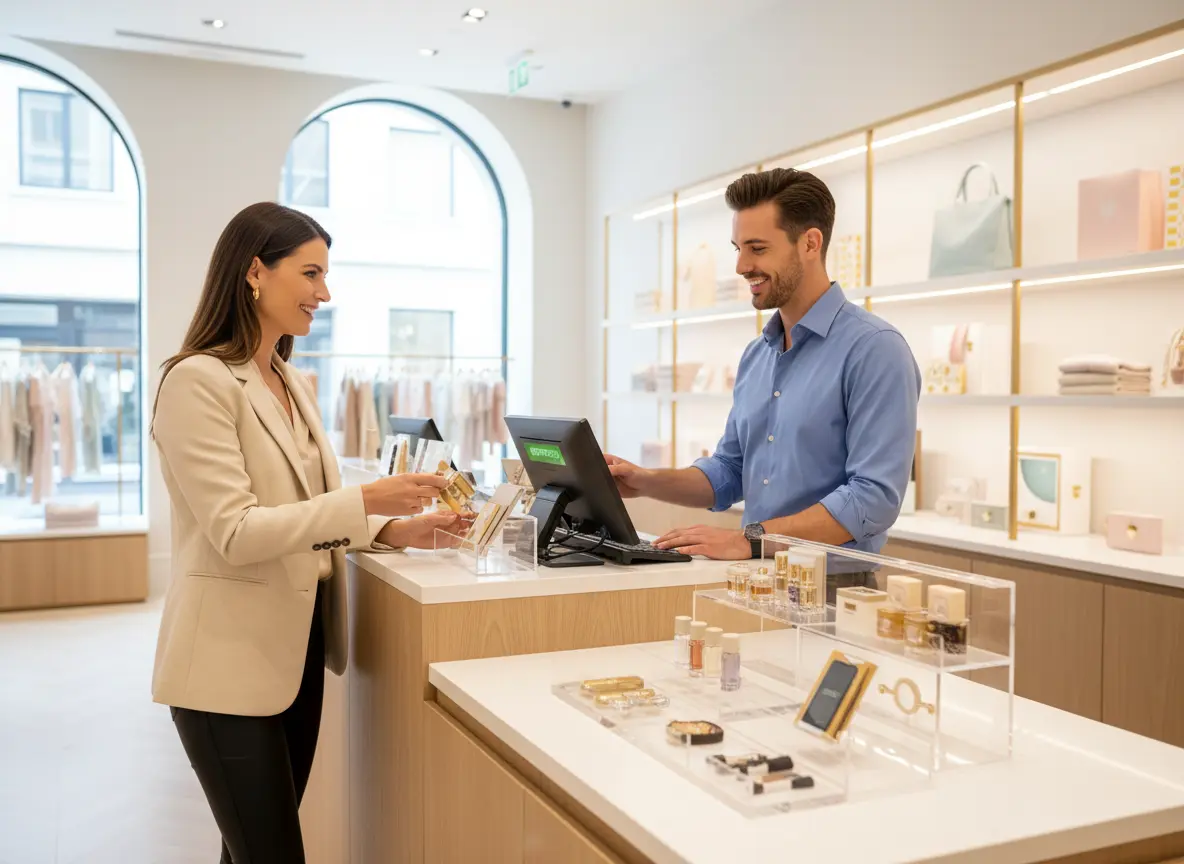
For spas with a physical storefront, there's another first impression happening every single day: the walk-by. Someone slows down in front of your window, glances at your menu board, and wonders what a "Signature Hydration Ritual" actually involves. If there's no one near the entrance to engage them, they keep walking.
Proactive engagement at the physical entrance is one of the most underutilized conversion tools in the spa industry. A simple, friendly greeting that answers the question before the potential client even asks it — "We're actually running a 20% discount on all first-time bookings this month" — can be the difference between a walk-by and a walk-in.
Let Technology Do the Heavy Lifting at Your Front Desk
Always-On Availability Without the Overhead
This is where smart spa owners are pulling ahead of the competition. Tools like Stella — an AI robot employee and phone receptionist — are designed specifically to solve the availability problem without adding payroll. Stella answers every call, 24/7, with the same knowledge she'd use in person: your services, pricing, hours, current promotions, and booking process. She can collect client information through conversational intake forms during calls, feed that data into a built-in CRM, and even generate AI-powered client profiles — so your team knows exactly who they're welcoming before the client walks in the door.
For spas with a physical location, Stella also works as a friendly, human-sized kiosk inside the store, greeting walk-ins, answering questions about treatments and packages, and proactively mentioning any deals or seasonal promotions. She doesn't take breaks, she doesn't have an off day, and she never forgets to mention the current special. At $99/month with no upfront hardware costs, it's the kind of consistent front-desk presence that used to require a dedicated hire.
Designing an Intake Process That Feels Like Part of the Experience
Intake Forms Are Not a Formality — They're a Touch Point
There is a special kind of client frustration reserved for arriving at a spa and being handed a clipboard with a two-page health intake form. It shatters the vibe before the session even begins. The candles are lit, the music is playing, and there you are, asking someone to document their medical history in a waiting room chair.
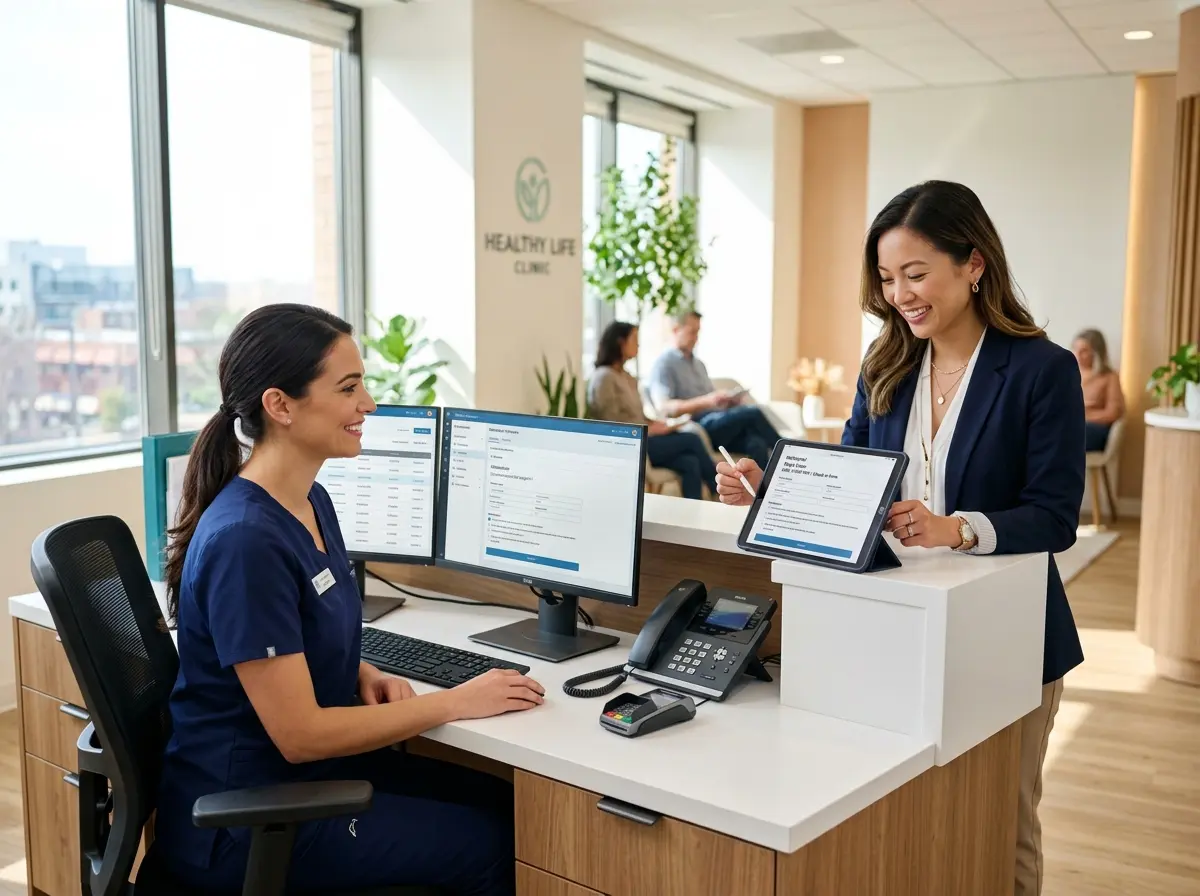
The solution is simple: move your intake process before the appointment. Send a digital intake form as part of the booking confirmation — ideally one that feels conversational rather than clinical. Ask about pressure preferences, health considerations, areas of focus, and anything else your therapists need to know. When that information lives in your CRM before the client arrives, your staff can review it, personalize the session, and greet the client by name with genuine context. That level of preparation doesn't go unnoticed — it builds trust and loyalty from the very first visit.
Confirmation, Reminders, and the Art of Keeping Clients Excited
Booking a massage on a Tuesday for the following Saturday involves a lot of life happening in between. Kids get sick, work meetings appear, and honestly, people just forget. No-show rates in the spa industry are notoriously painful, and most of them are preventable.
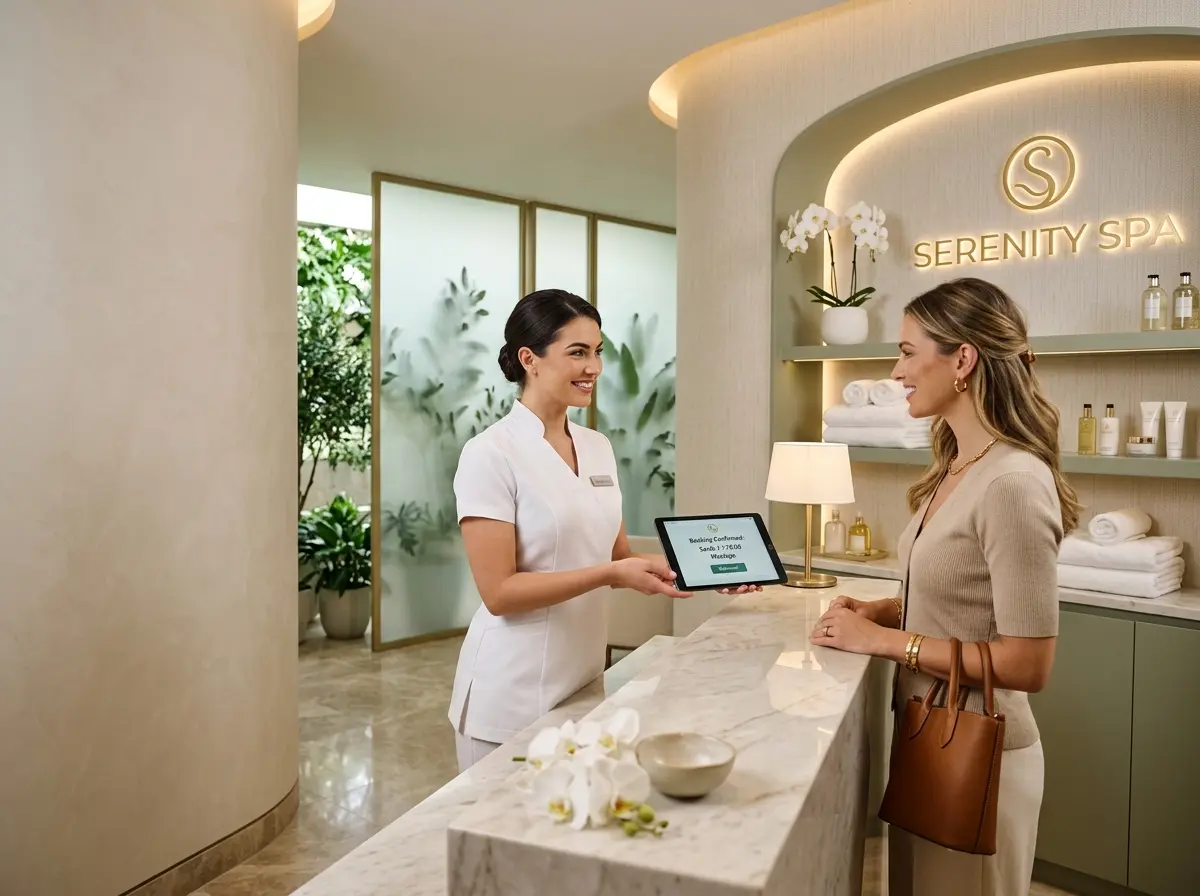
A well-designed confirmation and reminder sequence does two things: it reduces no-shows, and it keeps the client excited about their upcoming visit. Your booking confirmation should feel warm and anticipatory — not just a transactional timestamp. Consider including a brief note about what to expect, how to prepare (hydrate, arrive 10 minutes early, skip the heavy perfume), and maybe a gentle mention of an add-on service they might want to consider. A reminder 48 hours out with an easy reschedule option reduces the awkward last-minute cancellations and gives you time to fill the slot if needed.
The Post-Visit Follow-Up: Don't Let the Journey End at Checkout
Here's where most spas leave serious money on the table. The experience is wonderful. The client floats out the door in a bliss-induced haze. And then — nothing. No follow-up, no check-in, no nudge toward rebooking. Two weeks later, they see an ad for a competitor's introductory offer and book there instead.
A post-visit follow-up doesn't have to be aggressive or salesy. A simple message within 24-48 hours — thanking them for visiting, asking how they're feeling, and noting that rebooking the same service is easy — is often enough to bring them back. If your CRM has their preferences on file, you can even personalize the recommendation. "We noticed you loved the deep tissue work on your shoulders — your next session is already set up to focus there if you'd like." That's not marketing. That's care.
Quick Reminder About Stella
Stella is an AI robot employee and phone receptionist built to handle the front-desk moments that often fall through the cracks — answering calls around the clock, greeting walk-ins, collecting intake information, and keeping your CRM current without any extra effort from your team. She's available for $99/month with no hardware costs upfront, and she's always ready to represent your spa with the same warmth and professionalism you'd expect from your best employee — minus the sick days.
Conclusion: The Journey Is the Product
In the spa industry, you're not just selling a service — you're selling a feeling. And that feeling begins the moment someone discovers you exist. Every unanswered call, every confusing booking process, every clipboard in the waiting room is a small chip in the experience you've worked so hard to build.
Redesigning your client journey doesn't require perfection on day one. Start with the basics:
- Audit your phone experience. Call yourself. Fix what you find.
- Move intake forms before the appointment. Give your team the information they need to personalize every visit.
- Build a confirmation and reminder sequence that keeps clients engaged and reduces no-shows.
- Follow up after every visit — warmly, personally, and with a reason to return.
- Consider tools like Stella to maintain a consistent, professional presence at the phone and at the door — so no first impression gets left to chance.
The spas that win long-term aren't always the ones with the fanciest treatment menus or the most Instagram-worthy interiors. They're the ones that make every client feel seen, heard, and cared for from the very first interaction. Get that right, and the rest takes care of itself.