Introduction: The Referral Relationship — Worth Its Weight in Closed Deals
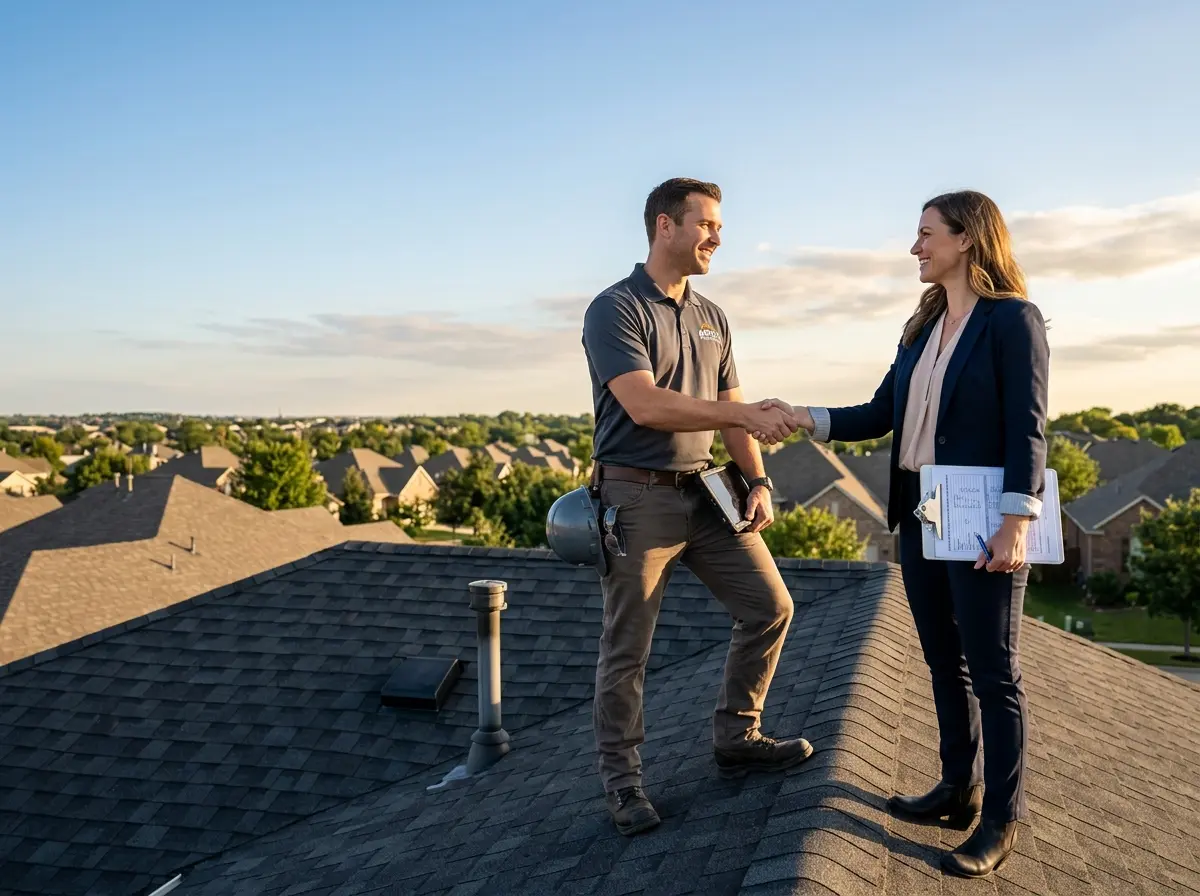
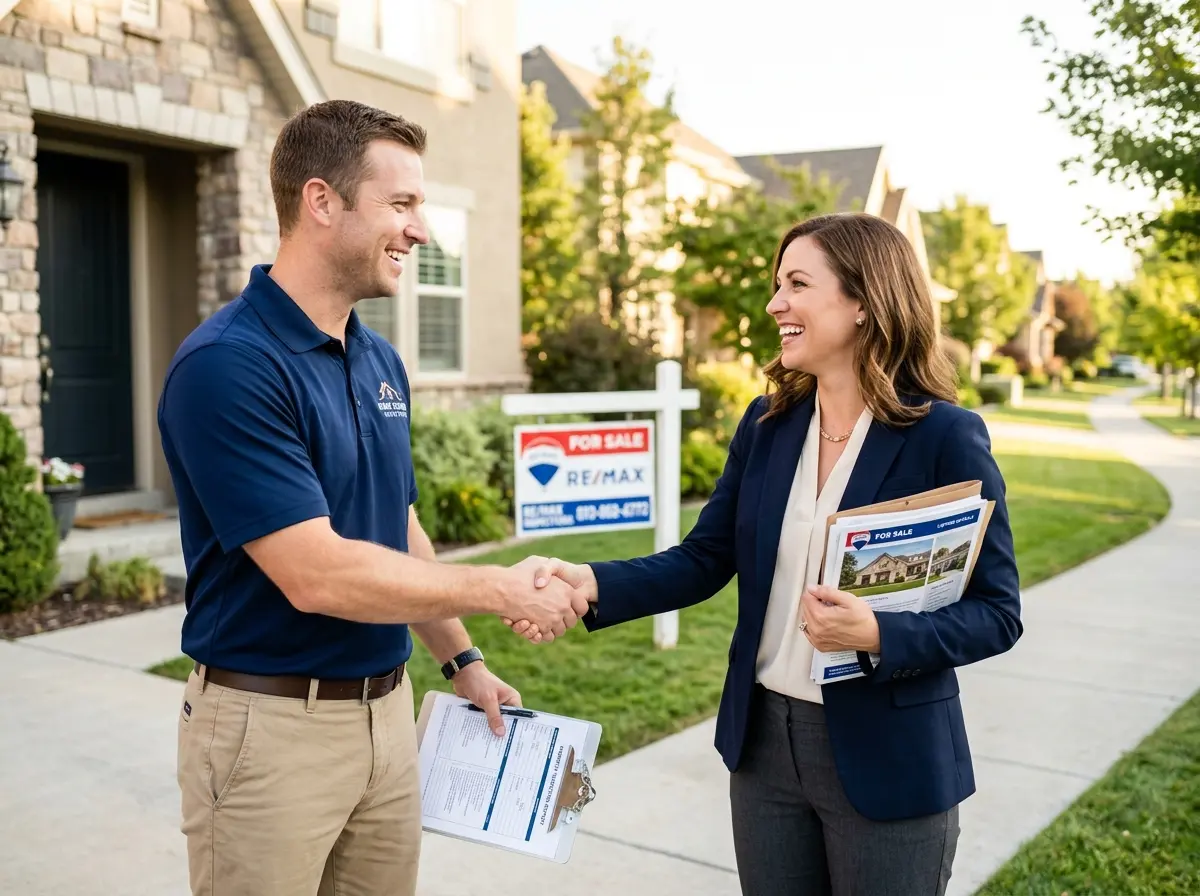
Let's be honest: in the home inspection business, your marketing budget will never outperform a real estate agent who genuinely loves working with you. One enthusiastic agent with a steady transaction volume can send you more business in a month than a year's worth of Facebook ads — and they'll do it for free, simply because you made their life easier and their clients happier. The math is almost unfair.
Yet somehow, plenty of home inspectors still treat agent relationships as an afterthought. They do solid work, hand over a report, and wait for the phone to ring again. Spoiler: it doesn't ring as often as it should. Building a referral network with real estate agents isn't rocket science, but it does require intentionality, consistency, and — here's the part most people skip — actually being pleasant to work with. This guide is your roadmap to becoming the inspector every agent in your market insists on recommending.
Understanding What Real Estate Agents Actually Want
They Want to Look Good (And That's Not a Bad Thing)
Real estate agents operate on reputation just as much as you do. When they refer a home inspector to their buyer client, they are, in effect, vouching for you. If your report is disorganized, your communication is slow, or your demeanor during the inspection spooks a perfectly reasonable buyer into backing out of a solid deal over a minor issue — guess whose reputation takes the hit? Not just yours. Understanding this dynamic is foundational. Your job isn't just to inspect a home; it's to serve as a professional who makes the entire transaction smoother for everyone involved.
This doesn't mean softening your findings or pulling punches — agents with integrity don't want that, and it would expose you to serious liability anyway. It means communicating clearly, presenting findings in proper context, and being the calm, knowledgeable professional in the room. Agents refer inspectors who make them look like geniuses for the recommendation.
Reliability Is a Non-Negotiable
Ask any real estate agent what they dislike most about working with service providers, and "unreliability" will top the list every time. That means showing up on time, returning calls promptly, delivering reports within the promised window, and being reachable when they have a quick question. The inspection industry has a well-earned reputation for inconsistency in this area, which means that simply being dependable puts you ahead of a significant portion of your competition.
Consider offering a guaranteed report turnaround — say, within 24 hours of the inspection — and then actually deliver it every single time. Consider sending a quick confirmation text to the agent when you've completed the inspection and again when the report has been delivered. These small gestures communicate professionalism and respect for their time, which is exactly what turns a one-time referral into a long-term partnership.
They Appreciate Inspectors Who Educate, Not Alarm
There's a meaningful difference between an inspector who describes a 15-year-old water heater as "a ticking time bomb requiring immediate replacement" and one who says "this unit is approaching the end of its typical service life and budgeting for replacement in the next few years is advisable." Both convey the same information. Only one of them sends a first-time homebuyer into a panic spiral at 10 PM on a Thursday. Agents notice this distinction acutely. The inspectors who earn consistent referrals tend to be those who present findings with context, proportion, and educational language — giving buyers the information they need to make informed decisions without manufacturing anxiety.
How the Right Tools Keep You Looking Professional
First Impressions Start Before the Inspection
The moment an agent refers a client to you, that client is going to look you up, and — more importantly — try to contact you. If they call and get sent straight to a generic voicemail, or if they have to wait until Monday morning to book a Tuesday inspection, you've already created friction in the process. In a referral-based business, the experience of booking you should be as smooth as the inspection itself.
This is where Stella, the AI robot employee and phone receptionist, becomes surprisingly relevant for home inspectors. Stella answers your calls 24/7, handles intake questions, collects client information through conversational intake forms, and can forward calls to you based on conditions you configure. Whether an agent refers a buyer at noon on a Tuesday or 9 PM on a Sunday, that client reaches a professional, knowledgeable voice — not a voicemail box. Stella's built-in CRM also lets you track client and agent contacts with custom fields, tags, and AI-generated profiles, so you always know who referred whom and can follow up accordingly. For a solo inspector or small team, that kind of infrastructure used to require a full-time admin. Now it's $99 a month.
Building and Nurturing Agent Relationships Over Time
Be Present Where Agents Are
Referral relationships don't build themselves in a vacuum. You need to show up in the spaces where real estate agents spend their time. That means attending local real estate association events and office meetings when you're invited, joining the same professional Facebook groups and LinkedIn communities your target agents frequent, and occasionally offering to present a brief CE (continuing education) class on home systems, common defects, or inspection report literacy. Agents are required to complete continuing education hours, and if you can provide that value while positioning yourself as the local expert, you've created a reason for them to think of you before they've even had a client to refer.
Don't underestimate the power of simple, consistent visibility. Sending a monthly email newsletter with one genuinely useful tip — seasonal maintenance reminders, a quick explainer on GFCI outlets, a breakdown of what a sewer scope actually looks for — keeps your name in front of agents without being pushy. It takes about an hour a month and costs almost nothing.
Follow Up Like a Professional, Not a Pest
After completing an inspection for an agent's client, a brief follow-up message to the agent goes a long way. Not a sales pitch — just a professional note acknowledging the referral, confirming the report was delivered, and expressing that you're available if they have any questions. This takes two minutes and communicates that you value the relationship beyond the transaction.
For agents who refer you frequently, occasional tokens of appreciation are entirely appropriate — a handwritten thank-you note, a coffee gift card at the holidays, or an invitation to a client appreciation event if you host one. The goal isn't to buy referrals; it's to acknowledge the relationship with the same warmth you'd want in return. Agents remember who treats them like partners and who treats them like transaction facilitators.
Ask for Feedback and Act On It
This one takes a little courage, but it's enormously effective: periodically ask your referring agents for honest feedback on your process. Is there anything about working with you that could be smoother? Did the report format work well for their clients? Was the communication during the inspection what they needed? Most agents will give you genuinely useful answers, and the mere act of asking signals that you care about continuous improvement — which is exactly the kind of inspector they want to keep recommending. When you receive critical feedback, act on it, and then circle back to let them know you did. That closes the loop and builds trust faster than almost anything else.
Quick Reminder About Stella
Stella is an AI robot employee and phone receptionist designed for businesses of all sizes — including solo home inspectors who need a professional presence without the overhead of a full-time receptionist. She answers calls around the clock, handles intake, manages contacts through her built-in CRM, and ensures that every referred client who tries to reach you actually reaches someone helpful. At $99 a month with no upfront hardware costs, she's an easy way to make sure your business infrastructure matches the professional reputation you're working hard to build.
Conclusion: Start With One Agent, Build From There
The path to a referral-driven home inspection business isn't complicated, but it does require consistent effort in the right directions. Start by identifying five to ten agents in your market whose client base and transaction volume align with the work you want to do. Focus on delivering an exceptional experience for every client they refer, follow up professionally after each inspection, and look for genuine ways to add value to their business beyond just showing up on time.
From there, build outward. Attend events, offer educational content, invest in tools that make your business easier to reach and work with, and ask for feedback regularly. The agents who refer consistently are looking for the same thing their clients are looking for: a professional they can trust completely. Become that inspector, and the phone will take care of itself.
The referral flywheel is slow to start and powerful once it's spinning. Give it the push it deserves.