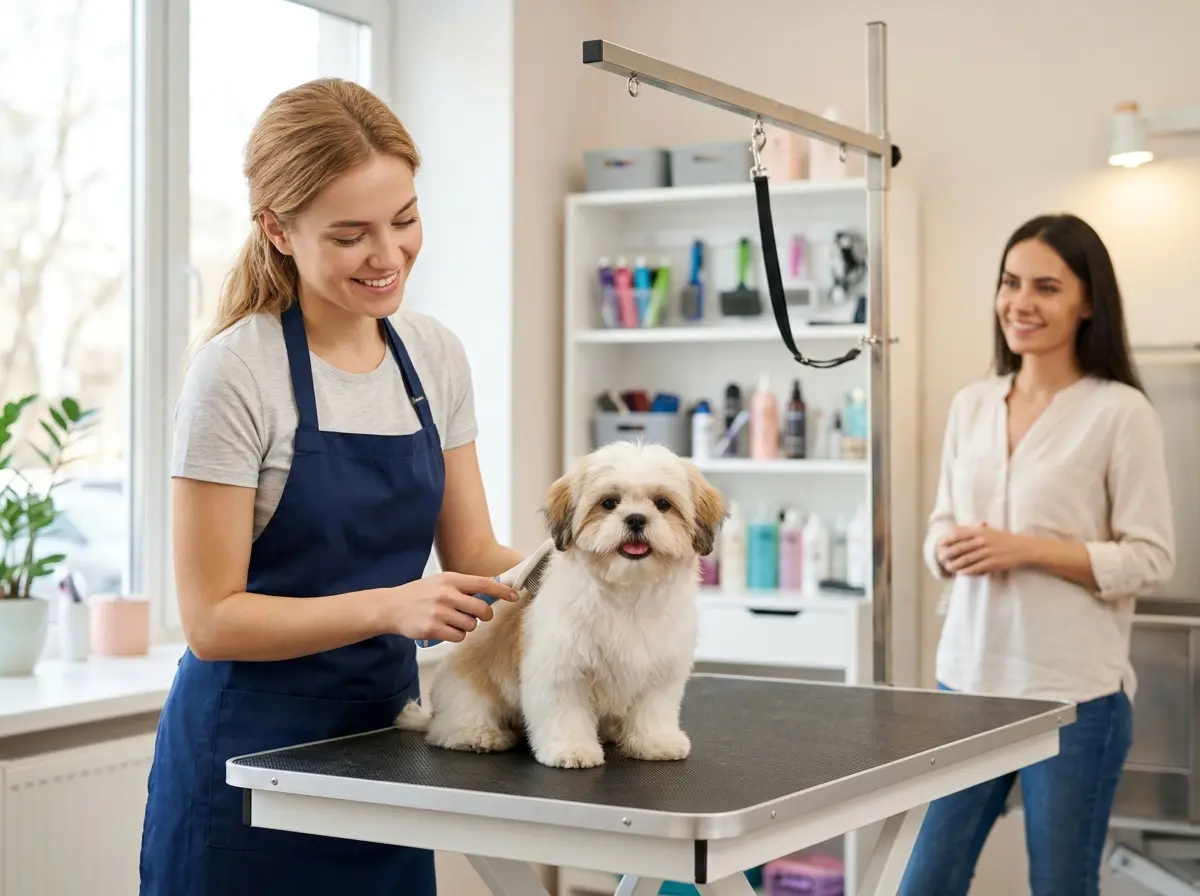
Why a Puppy's First Groom Can Make or Break Your Business
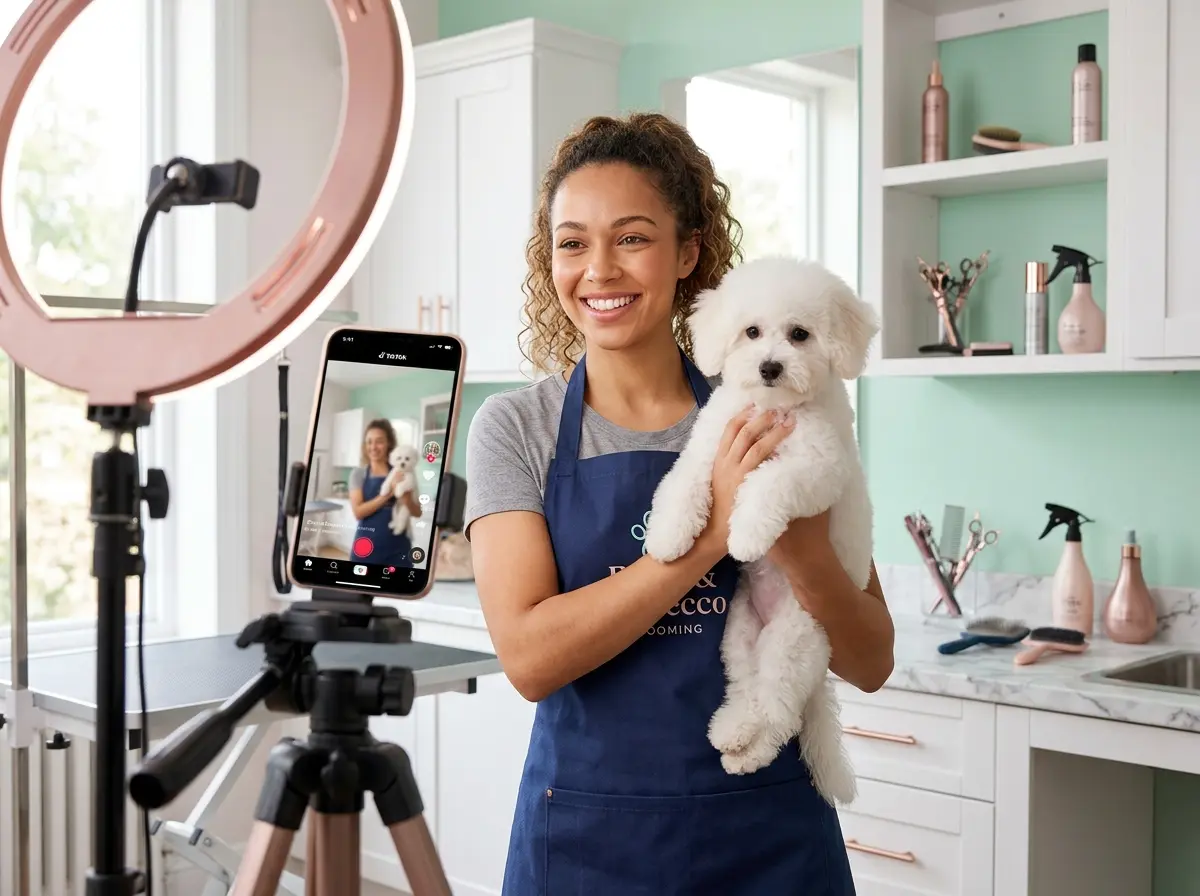
Let's be honest — a puppy's first grooming appointment is basically the canine equivalent of a child's first haircut. There will be wiggles. There may be whimpering. There will definitely be an anxious owner hovering near your door, refreshing their phone every three minutes waiting for an update. How you handle that first appointment doesn't just determine whether the puppy cooperates — it determines whether that owner becomes a loyal, lifelong client who refers every new dog parent in their neighborhood to your shop.
And yet, many groomers treat the puppy's first visit like any other appointment: get 'em in, get 'em fluffy, get 'em out. That approach works fine — until the puppy has a meltdown, the owner feels blindsided, and you never see that family again. The good news? Building a first-groom experience that earns loyal owners isn't complicated. It just takes intention, communication, and a few smart systems that make the whole process smoother for everyone involved — pups, parents, and your staff.
Setting the Stage Before They Even Walk In the Door
The Pre-Appointment Communication Strategy
The first groom experience starts long before the puppy is on your table. It starts the moment an owner books the appointment. Most first-time puppy owners have no idea what to expect from grooming — they've Googled it, watched a few videos, and are now mildly terrified. Your job is to be the calm, knowledgeable voice that reassures them before anxiety takes over.
Send a pre-appointment email or text that covers the basics: what a puppy intro groom typically includes, how long it takes, what you'll focus on during the first session (getting comfortable with water, dryers, and handling rather than a full trim), and what the owner can do to help prepare. Suggest they bring the puppy in a little tired after a walk, skip feeding right before the appointment, and bring a favorite toy or treat if your shop allows it. This kind of proactive communication signals professionalism and builds trust before you've even met the dog.
Designing an Intake Process That Captures the Right Information
Every dog is different. That's part of what makes grooming simultaneously rewarding and chaotic. A good intake process helps you understand what you're walking into before the appointment begins. Ask about the breed, age, coat type, any known sensitivities or medical conditions, temperament around strangers, and whether the puppy has had any prior handling or grooming exposure. Ask how the owner feels about the groom — some want updates every 30 minutes; others are happy to pick up a fluffy surprise.
This information isn't just useful the first time — it becomes the foundation of a client profile that shapes every future appointment. When you can pull up notes two months later that say "Luna gets anxious around the dryer but loves ear scratches" and actually remember that, you look like a grooming genius. That kind of personalized service is what keeps owners coming back and telling their friends.
Setting Realistic Expectations (Without Scaring Anyone Off)
Here's a little secret: the owners who are happiest after the first groom are usually the ones who had realistic expectations going in. Be upfront about the fact that intro grooms are typically shorter, focused more on acclimation than aesthetics, and that the puppy may not come out looking like a show dog. Explain that this is a feature, not a bug — you're prioritizing the puppy's long-term comfort with grooming over a perfect blowout on day one.
Letting owners know that three or four consistent visits are often needed before a puppy is fully comfortable also sets the stage for long-term retention. You're not just selling a groom; you're selling a relationship. When owners understand that, they're far more likely to commit to regular appointments rather than bouncing around to whoever has an opening this week.
How Smart Tools Can Support a Better Client Experience
Reducing the Administrative Chaos That Comes with a Growing Client Base
Groomers are exceptional at working with animals. They are not always as thrilled about answering phones during a groom, chasing down intake forms, or remembering which client called twice last Tuesday with questions about their doodle's shampoo sensitivity. This is where having the right support system matters — and where Stella, an AI robot employee and phone receptionist, can quietly become one of your most valuable team members.
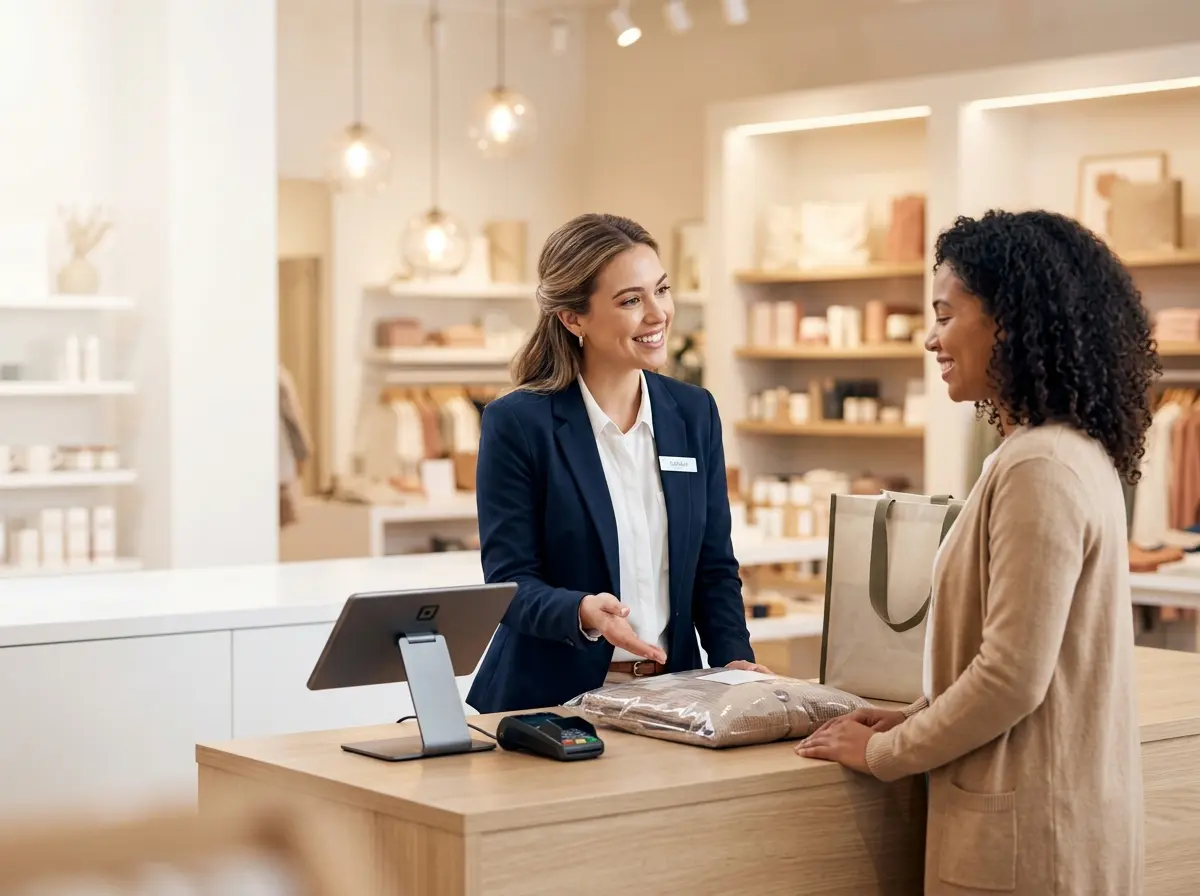
Stella answers your phone calls 24/7, so a nervous new puppy parent calling at 8 PM to ask about your intro groom process gets a real, helpful response instead of a voicemail. She can collect intake information through conversational forms during the call, so your staff isn't scrambling to gather details the morning of the appointment. Her built-in CRM stores client profiles with custom fields, tags, and notes — meaning every detail about Luna's dryer anxiety is exactly where you need it. For shops with a physical location, she also greets walk-in clients and answers questions about services, pricing, and policies, freeing your groomers to focus on what they're actually good at: the dogs.
During and After the Appointment: The Details That Build Loyalty
Creating a Calm, Dog-Centered Experience in the Salon
The environment you create in your salon matters more than most groomers realize. Loud music, chaotic energy, and impatient handling during a first groom can create lasting negative associations that make every future appointment harder — for the dog, for the owner, and for you. Take the time to introduce the puppy to equipment slowly. Let them sniff the dryer before turning it on. Use high-value treats liberally. Keep the first session shorter than a standard groom, even if it means the cut isn't perfect. A puppy that leaves your salon feeling okay is worth ten times more to your business than a perfectly groomed dog that's traumatized.
Consider designating specific time slots or days for puppy appointments so your groomers aren't rushing between a senior standard poodle and a 12-week golden retriever. The slower, more intentional pace makes a measurable difference in outcomes — and experienced groomers tend to appreciate not having to context-switch between wildly different energy levels back to back.
The Follow-Up That Turns a One-Time Appointment into a Long-Term Relationship
After the first groom, follow up. This sounds obvious, but shockingly few grooming businesses do it consistently. A simple text or email the next day asking how the puppy is settling in after their big adventure goes an extraordinarily long way. It shows you care about the dog beyond the appointment window, and it opens a natural conversation where owners can share feedback, ask follow-up questions, or book their next visit.
Use this touchpoint to recommend a grooming schedule based on the breed and coat type, and to remind owners of any products you used that they might want to maintain the coat at home. These recommendations feel helpful rather than salesy when they come naturally from a follow-up conversation — and they're an easy, low-pressure way to introduce retail products your shop carries. According to industry data, acquiring a new customer costs five times more than retaining an existing one. A two-minute follow-up message is a remarkably affordable retention strategy.
Building a Referral Machine Through Exceptional First Impressions
Word of mouth is the lifeblood of most grooming businesses, and puppy owners are some of the most enthusiastic referrers in existence. They're embedded in communities — puppy kindergarten classes, breed-specific Facebook groups, neighborhood apps, dog parks — where other new dog owners are actively asking for recommendations. When you give a puppy owner an experience that feels thoughtful, professional, and genuinely caring, they will tell people about it. Give them something worth talking about.
Consider creating a small "first groom" moment: a little certificate, a before-and-after photo sent to the owner, or even a handwritten note tucked into a follow-up message. These are tiny, inexpensive gestures that feel significant because they're personal. In an industry where many shops are competing primarily on price, creating a memorable experience is a far more sustainable competitive advantage.
A Quick Note About Stella
Stella is an AI robot employee and phone receptionist built for businesses like yours — available in-store as a friendly kiosk presence and on the phone 24/7. For just $99 a month with no upfront hardware costs, she handles inquiries, collects client information, and keeps your front-of-house running smoothly while you focus on the dogs. She doesn't take breaks, doesn't call in sick, and never puts a nervous puppy parent on hold indefinitely.
Building the Experience That Keeps Owners Coming Back
The grooming businesses that build real, lasting loyalty aren't necessarily the ones with the fanciest equipment or the lowest prices. They're the ones that treat every first appointment as an investment — in the dog, in the owner relationship, and in the long-term health of their business. That means proactive communication before the visit, a calm and intentional experience during the groom, thorough intake processes that capture meaningful information, and thoughtful follow-up that keeps the relationship warm.
Here's your action plan: audit your current first-groom process from the owner's perspective. What do they hear when they call to book? What information are you collecting — and where is it stored? What does the follow-up look like? Identify the gaps, and close them one at a time. You don't have to overhaul everything at once. Start with the pre-appointment communication, then the intake process, then the follow-up. Small, consistent improvements compound quickly.
Puppy parents are among the most valuable clients you can attract — because they're at the beginning of what could be a decade-long grooming relationship. Treat that first appointment like the beginning of something important, because it is. The puppies grow up, the owners stay loyal, and your business grows with them. That's not just good grooming. That's good business.