Introduction: The Sale Is Just the Beginning
Congratulations — you sold a $4,000 refrigerator. Champagne all around. But here's the thing: that transaction you're so proud of? It's not the finish line. It's the starting pistol. In the high-end appliance world, the real relationship — the one that generates referrals, repeat purchases, and five-star reviews — begins the moment the receipt prints and your customer heads home wondering if they made a catastrophic financial decision about a refrigerator with a built-in screen.
Post-purchase service is the silent killer of appliance store reputations. You can have the most immaculate showroom floor, the most knowledgeable sales team, and the most impressive line of Sub-Zero and Miele products in the tri-state area, but if a customer calls you three weeks after delivery with a question and gets bounced around or — worse — ignored, you've just lost them forever. And their neighbors. And their neighbors' neighbors.
The good news? Most appliance stores are mediocre at post-purchase service, which means the bar is genuinely not that high. This guide will help you clear it — and then some.
Building a Post-Purchase Communication Framework That Actually Works
The biggest mistake high-end appliance retailers make is treating the post-purchase phase as reactive — only engaging when the customer has a problem. By that point, you're already playing defense. A proactive communication framework turns your customers into loyalists before they even have a reason to complain.
The First 30 Days: Strike While the Iron (or Induction Cooktop) Is Hot
The first month after a major appliance purchase is critical. Your customer is excited, slightly overwhelmed, and very open to guidance. This is your window. Consider a structured follow-up sequence that includes a delivery confirmation check-in, a one-week usage tip email or text, and a 30-day satisfaction touchpoint. Keep it human, keep it brief, and keep it useful. Nobody wants a corporate newsletter — they want to know why their Wolf range is making a clicking noise and whether that's normal. (It is. Probably.)
Statistics back this up: according to Bain & Company, increasing customer retention rates by just 5% increases profits by 25% to 95%. In a high-ticket category like premium appliances, where a single kitchen package can run $20,000 or more, retaining customers for their next purchase — or getting referrals — is the difference between a thriving business and a struggling one.
Warranty and Service Plan Education: Don't Let It Gather Dust
Here's a scenario that plays out in appliance stores every single day: a customer buys an extended warranty, tucks the paperwork in a drawer, and then — when something goes wrong two years later — has absolutely no idea what's covered, who to call, or where that paperwork even went. They blame you. Not entirely unfair, honestly.
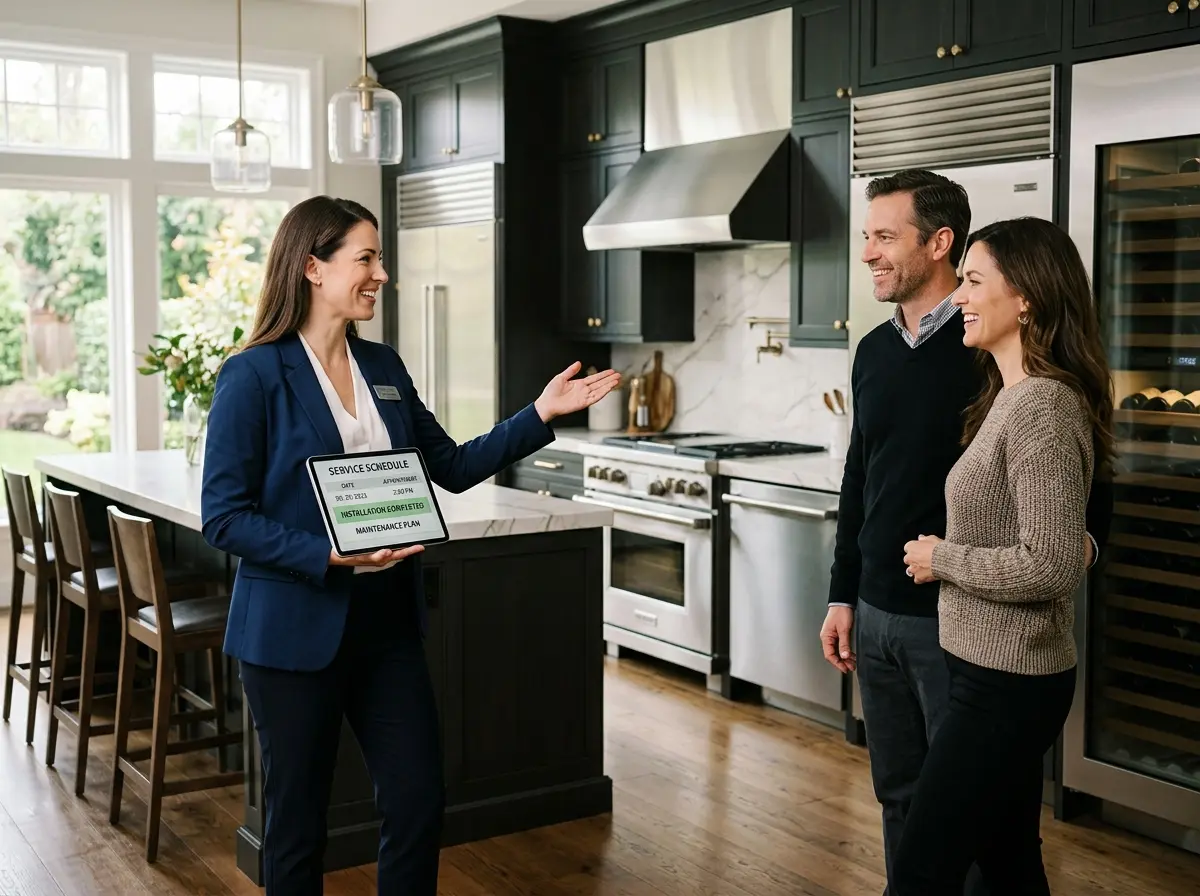
Make warranty and service plan education part of your post-purchase process. Send a follow-up email that clearly explains what's covered, how to file a claim, and who their point of contact is. Better yet, create a simple one-page reference card that delivery teams leave behind. When customers feel informed and supported, they feel taken care of — and that feeling is what drives loyalty and word-of-mouth in a way that no promotional discount ever will.
Maintenance Reminders and Seasonal Check-Ins
Premium appliances require care. Water filters need replacing. Condenser coils need cleaning. Oven calibration matters more than people think. By sending timely maintenance reminders — tailored to the specific products each customer purchased — you position yourself as a trusted resource rather than just the place they bought the thing. This also opens natural, non-pushy opportunities to sell accessories, replacement parts, and service appointments. It's not upselling. It's genuinely helpful. (It also happens to be good for revenue, but let's not lead with that.)
Leveraging Technology to Stay Connected Without Losing Your Mind
You're running a business, not a call center. The idea of proactively following up with every customer while also managing your floor, your staff, and your suppliers sounds wonderful in theory and completely exhausting in practice. This is where smart tools make a real difference.
How Stella Can Support Your Post-Purchase Experience
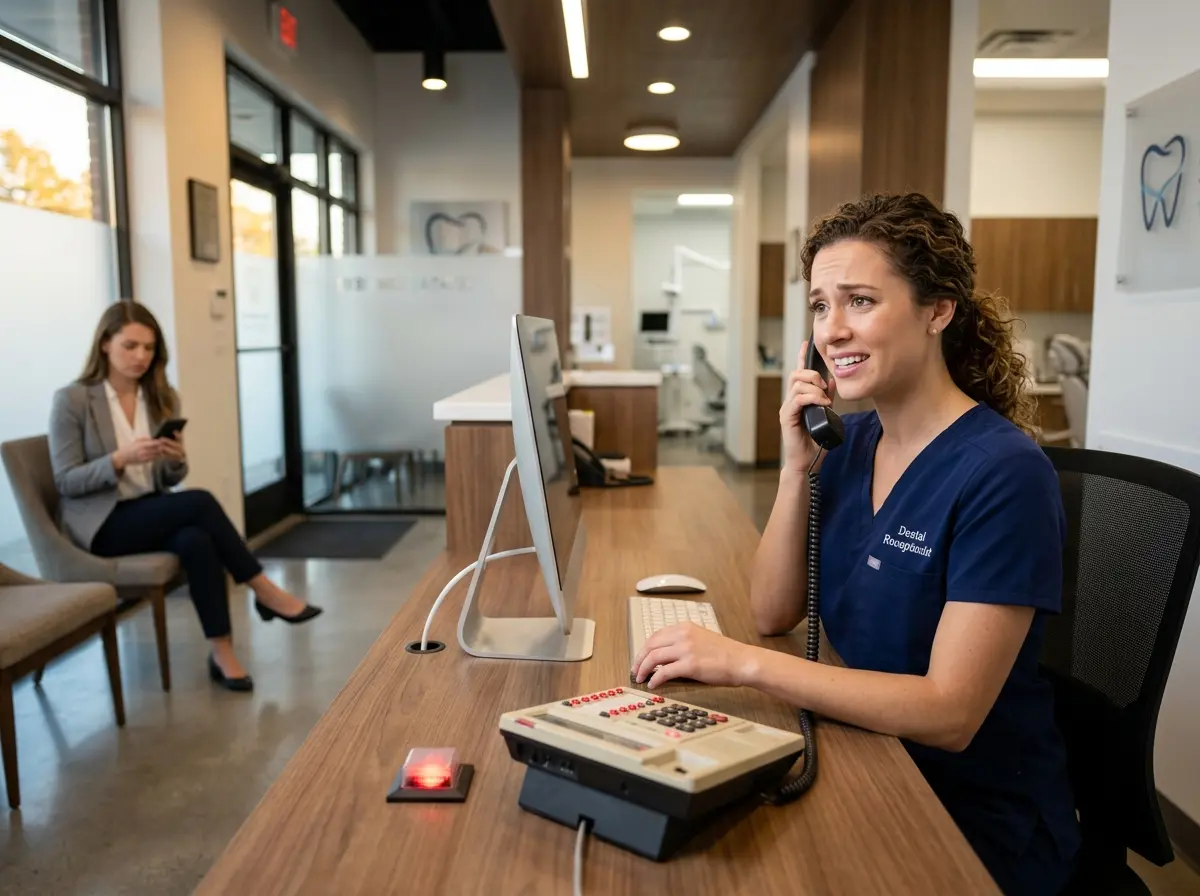
Stella, the AI robot employee and phone receptionist, is built for exactly this kind of ongoing customer engagement. In your showroom, Stella greets walk-in customers — including returning ones with follow-up questions — and handles routine inquiries without pulling your sales team away from high-value conversations. On the phone, she answers calls 24/7, so when a customer calls on a Sunday evening wondering if their dishwasher's error code means imminent disaster, someone (something?) is there to help, or to take a detailed, AI-summarized voicemail so your team can follow up first thing Monday.
Stella's built-in CRM also lets you maintain organized customer profiles — complete with purchase history, notes, and custom tags — so your team always has context when a customer calls back. Her conversational intake forms can collect warranty registration information, service preferences, or satisfaction feedback during calls or at the kiosk, keeping your data clean and your follow-up sharp. At $99/month with no upfront hardware costs, she's an unusually affordable solution for a store that takes customer experience seriously.
Turning Service Moments Into Sales Opportunities
Every post-purchase interaction is a commercial opportunity — not in a sleazy way, but in the sense that a customer who calls you for help is a customer who is actively thinking about you. That's valuable real estate. The question is whether you're prepared to make the most of it without being obnoxious about it.
The Art of the Graceful Upsell
Training your team to recognize natural upsell moments during service interactions is one of the highest-ROI investments you can make. A customer calling about their new range hood is a candidate for a professional cleaning kit. Someone asking about filter replacement schedules is a perfect candidate for an auto-delivery subscription if you offer one. A homeowner scheduling a service visit is often open to a conversation about that wall oven they admired in the showroom six months ago. The key is timing and tone — solve the problem first, then mention the relevant product or service in a way that feels like a helpful addition rather than a pivot.
Referral Programs: Your Happiest Customers Are Your Best Salespeople
High-end appliance purchases are heavily influenced by word-of-mouth. People talk about their kitchens. They show off their ranges at dinner parties. They mention where they bought their wine cooler. A structured referral program — even a simple one — gives your satisfied customers a reason to actively send people your way rather than just casually mentioning your store. Consider offering a service credit, a premium accessory, or a discount on a future purchase for every qualified referral. Track these through your CRM so you know which customers are your best advocates and can treat them accordingly.
Reviews, Testimonials, and the Power of Social Proof
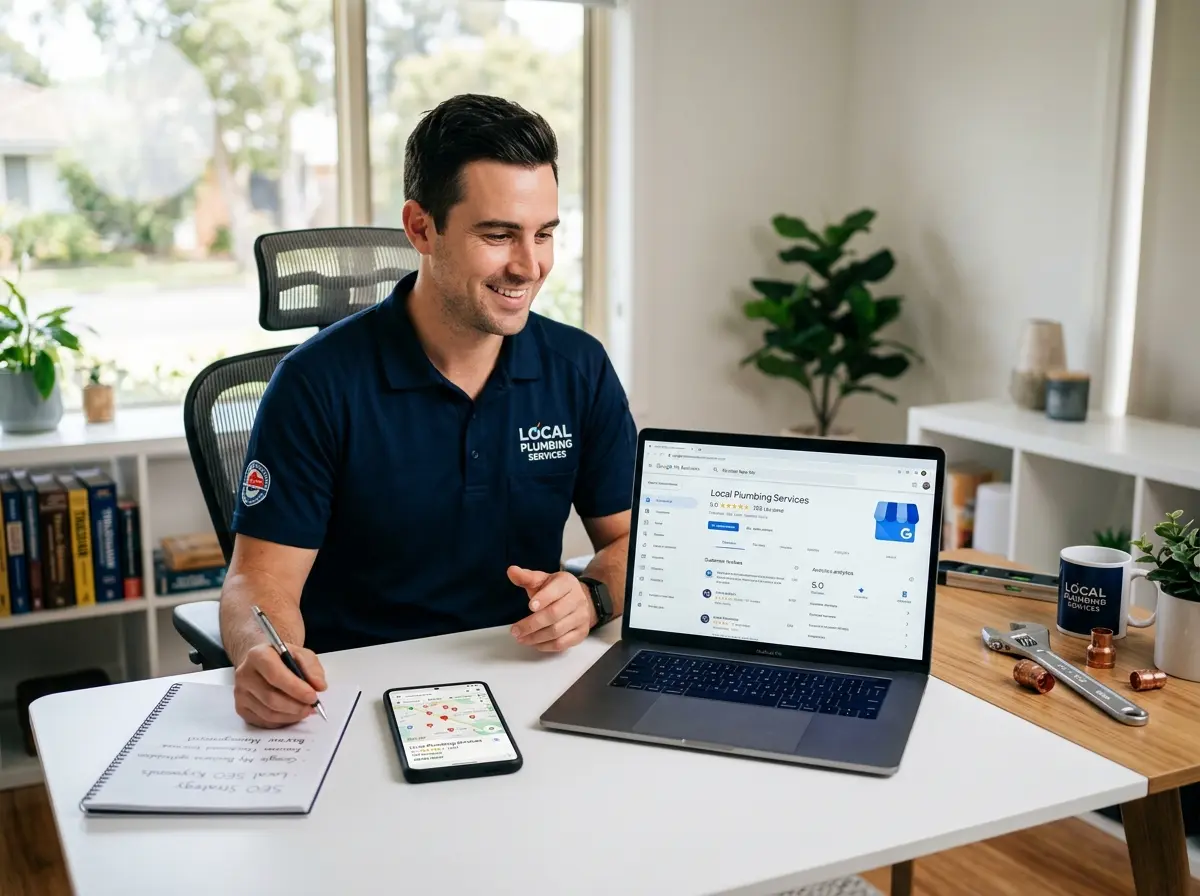
The post-purchase window is also the best time to ask for reviews — specifically, after a positive service interaction. Customers who felt heard and helped are far more likely to leave a glowing review than customers who simply had a smooth transaction. Build a process for identifying those moments and following up with a direct, friction-free review request. Your Google rating is a living marketing asset. Tend to it like one.
Quick Reminder About Stella
Stella is an AI robot employee and phone receptionist designed to help businesses like yours stay present, professional, and proactive — without adding headcount. She greets customers in your showroom, answers calls around the clock, manages customer data, and keeps your team focused on what they do best. She's available for just $99/month with no hardware costs and no learning curve to speak of.
Conclusion: Service Is the Product
In the premium appliance space, you are not actually selling refrigerators. You are selling confidence — the confidence that comes from knowing that if something goes wrong, someone will answer the phone, know who you are, and actually help you. That's the product. The refrigerator is just the vehicle.
Here are your actionable next steps to build a post-purchase service experience worth talking about:
- Map your current post-purchase touchpoints. Where are the gaps in your follow-up process? Identify them honestly before you try to fix them.
- Build a 30-day communication sequence for new customers that includes a delivery check-in, usage tips, and a satisfaction touchpoint.
- Standardize your warranty education process. Make sure every customer leaves knowing what they have and how to use it.
- Train your team on graceful service upsells and build a referral program that gives your best customers a reason to evangelize.
- Audit your technology stack. If you're missing a reliable way to answer calls, manage customer data, or stay in front of customers between visits, it may be time to explore a tool like Stella.
The stores that win in premium appliance retail aren't always the ones with the flashiest showrooms or the deepest brand portfolio. They're the ones that make customers feel like the relationship didn't end at the point of sale. Be one of those stores. Your refrigerators deserve it.