Why Your Massage Clients Keep Ghosting You (And How to Fix It)
You've got magic hands, a serene ambiance, and a playlist that could make anyone forget their troubles. And yet — your appointment book looks like a game of connect-the-dots with far too much white space in between. Sound familiar? You're not alone. The average massage therapist spends a surprising amount of energy chasing one-time clients instead of building the kind of loyal, recurring clientele that actually sustains a business long-term.
Here's the uncomfortable truth: most people think of massage as a treat rather than a necessity. They book an appointment after a particularly rough week, feel like a brand-new human being, sincerely promise themselves they'll come back regularly — and then life happens. Three months later, you're a distant, blissful memory.
The solution? Membership packages. When structured well, they transform your business from a revolving door of one-off appointments into a steady, predictable revenue stream with clients who actually show up. Let's talk about how to build one that works.
Designing a Membership Package That Clients Actually Want
Keep It Simple, Seriously
The biggest mistake therapists make when building membership packages is overcomplicating them. If your client needs a flowchart to figure out what they're getting, you've already lost them. Aim for two to three tiers at most — think Good, Better, Best — each with a clear value proposition and a price that reflects it.
A common and effective structure might look something like this:
- Essential Membership: One 60-minute massage per month at a discounted rate (say, 15–20% off your standard price), plus priority booking.
- Premium Membership: One 90-minute massage per month, a complimentary aromatherapy add-on, and early access to new service offerings.
- Ultimate Membership: Two sessions per month, a monthly hot stone or deep tissue upgrade, and a small retail credit toward products.
The key is that each tier should feel like a genuinely better deal than paying à la carte — because it should be. Clients need to feel like they're winning, not just signing up for a recurring charge on their credit card statement.
Price It With Purpose
Discounting is a delicate art. Price too low and you undermine your perceived value (and your bottom line). Price too high and no one bites. A good rule of thumb is to offer members roughly 15–25% off your standard session rates, depending on your local market. According to the American Massage Therapy Association, regular massage clients who receive monthly treatment report significantly higher satisfaction with their physical and mental wellbeing — which means there's real, tangible value you can lean into when making your pitch.
Don't forget to build in perks beyond just discounted sessions. Free add-ons, early booking windows, and member-only promotions make people feel like VIPs rather than just subscribers. People will pay for that feeling. Trust the science of exclusivity.
Lock In Commitment Without Scaring People Off
Month-to-month memberships convert better than annual contracts, especially for first-time members. Yes, a 12-month commitment gives you more revenue certainty, but it also creates hesitation. Consider offering a month-to-month option as the default, with an incentive — like a free session or a discounted first month — for clients who commit to six or twelve months upfront. Give people an easy on-ramp, and they're far more likely to stick around once they experience the value.
Selling the Membership Without Feeling Like a Used Car Dealer
Let the Experience Do the Talking
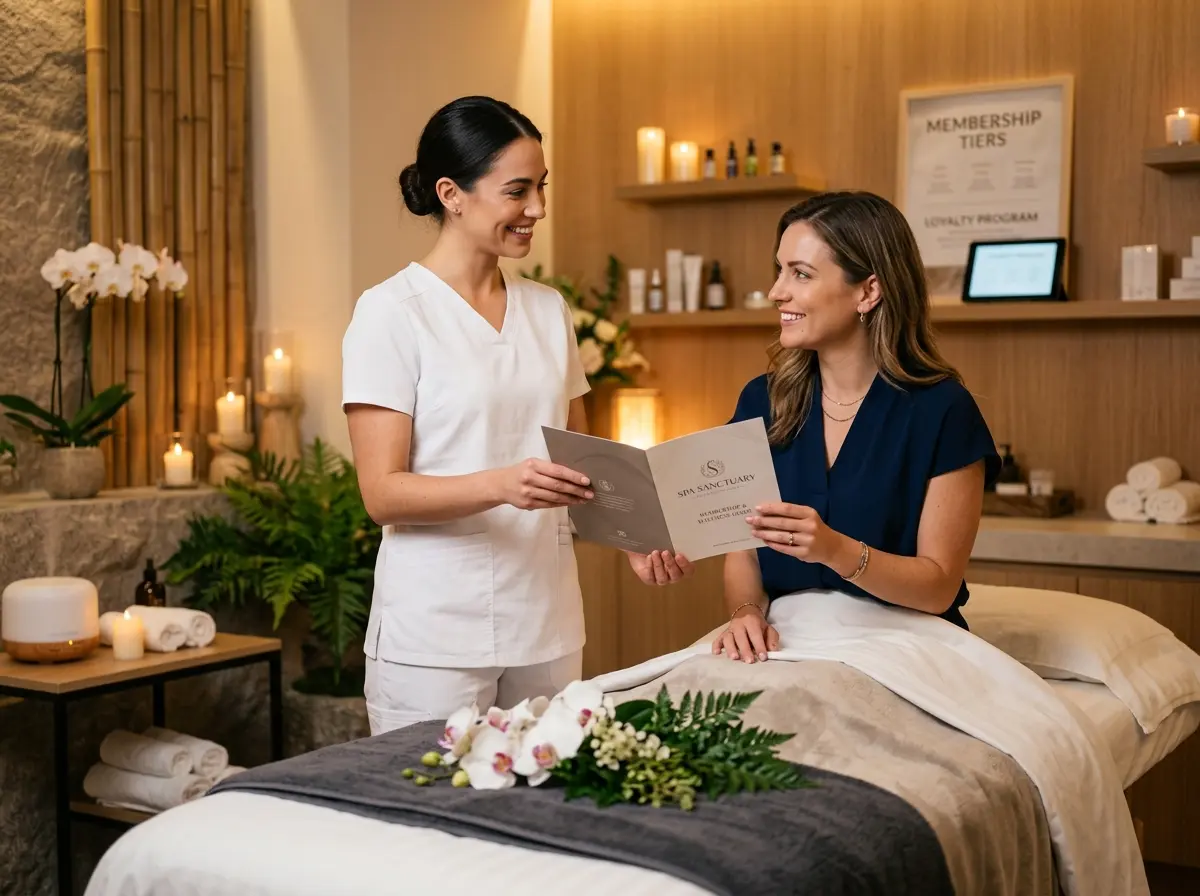
The best time to introduce your membership program is at the end of a session, when your client is relaxed, happy, and quietly wondering why they don't do this more often. That's your window. A simple, genuine approach works best — something like, "I'd love to see you regularly. A lot of my clients find the membership works really well for that." No pressure, no pitch deck required.
Train any front desk staff to follow up with membership information during checkout. Better yet, have the materials visible and easy to understand at your reception area so clients can explore on their own terms. People who feel informed rather than sold to are much more likely to commit.
Let Technology Handle the Awkward Follow-Ups
Not every client is ready to sign up on the first visit — and that's completely fine. The follow-up is where many massage therapists drop the ball, mostly because it's awkward and time-consuming. This is where smart tools come in handy. Stella, the AI robot employee and phone receptionist, can greet walk-in clients at your front desk and proactively mention your membership packages in a natural, conversational way — no awkwardness, no sales pressure, just friendly information delivered at exactly the right moment. She can also answer incoming calls around the clock, so when a client calls after hours wondering about your membership options, they get a real, helpful answer instead of a voicemail they'll probably never leave.
Keeping Members Happy Enough to Actually Stay
Make Booking Effortless
Retention lives and dies by convenience. If a member has to jump through hoops to book their monthly session, they'll skip it — and skipped sessions quickly become cancellations. Offer online booking, send automated appointment reminders, and make rebooking as frictionless as possible. Priority booking windows for members are a small perk that carries outsized psychological weight. It signals that their loyalty is recognized and rewarded.
Review your booking process with fresh eyes at least once a quarter. If it takes more than two minutes for a client to schedule an appointment, that's two minutes too long.
Create Moments That Make Members Feel Special
Loyalty isn't built through discounts alone — it's built through feeling genuinely valued. Small gestures go a long way. Birthday month upgrades, handwritten thank-you notes after their first year of membership, or surprise add-ons during slow periods all create emotional touchpoints that no competitor can easily replicate.
Consider creating a members-only communication channel — even just a dedicated email list — where you share wellness tips, early access to holiday promotions, or behind-the-scenes updates about new services. When clients feel like insiders, they become advocates. And word-of-mouth referrals from loyal members are worth more than any advertising spend.
Track What's Working (And What Isn't)
Membership programs need maintenance. Track your key metrics monthly: new member sign-ups, cancellation rates, average membership tenure, and revenue per member. If your churn rate starts creeping up, don't assume clients are simply moving away — survey them, call them, or have a genuine conversation. The reasons people cancel are almost always fixable if caught early enough.
A simple spreadsheet will work when you're starting out, but as your membership base grows, a CRM tool that tracks client history, preferences, and communication will become invaluable. The more you know about your members, the better you can serve — and retain — them.
Quick Reminder About Stella
Stella is an AI robot employee and phone receptionist built for businesses exactly like yours. She greets clients at your front desk, answers calls 24/7, promotes your membership packages, and handles intake through conversational forms — all for just $99/month. Consider her the front-of-house staff member who never calls in sick, never has an off day, and genuinely loves talking about your services.
Start Building Your Membership Program This Week
Membership packages are one of the most effective tools a massage therapist has for building financial stability and genuine client loyalty — but only if you actually build one and commit to it. The good news is you don't need to overhaul your entire business to get started. Here's a simple action plan:
- Draft two to three membership tiers this week with clear pricing, included services, and perks. Keep it simple enough that a new client can understand it in under 60 seconds.
- Practice your membership conversation so it feels natural rather than salesy. Role-play it with a colleague if you need to — there's no shame in rehearsing.
- Audit your booking process and remove any unnecessary friction points. If clients can't book easily, everything else is moot.
- Set up a basic tracking system to monitor sign-ups and cancellations from day one, so you have data to improve from.
- Plan one meaningful touchpoint per month for existing members — a perk, a personal note, or a members-only offer that reminds them why they signed up.
Your expertise deserves a business model that rewards it. Membership packages won't just fill your calendar — they'll give you the predictability and client relationships that make your work genuinely sustainable. And honestly, your clients' backs will thank you for keeping them on a regular schedule too. It's a win for everyone.