Spring Is Coming — Are You Ready, or Are You Still Winging It?
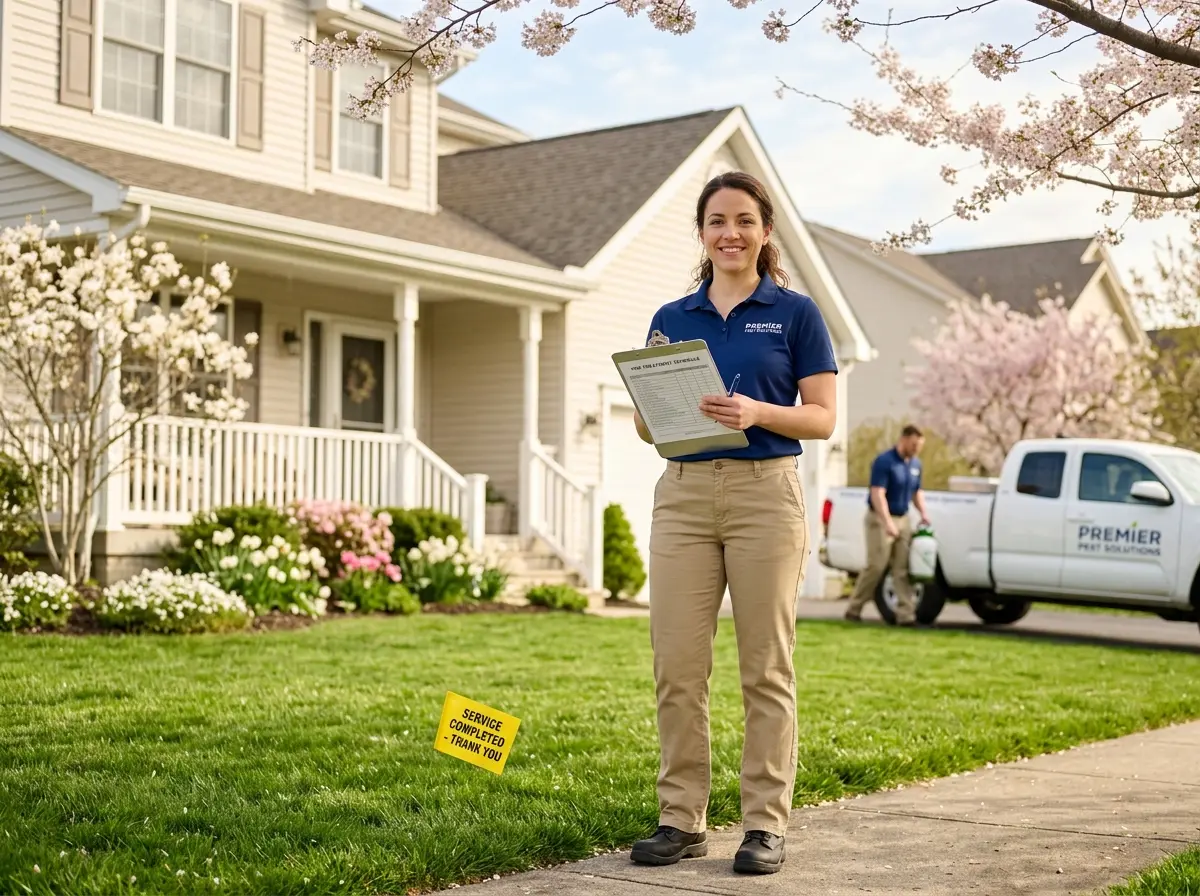
Every spring, pest control companies across the country scramble to fill their calendars. Phones start ringing in March, customers suddenly remember that ants exist, and technicians are stretched thin by April. It doesn't have to be this way. The businesses that actually book out months in advance aren't just better at pest control — they're better at running a campaign. A real, intentional, pre-season campaign that turns the slow winter months into a customer acquisition engine.
If your spring strategy currently consists of "wait for the calls to come in and hope for the best," this guide is for you. We're going to walk through how to build a spring pre-treatment campaign that gets customers signed up before the first ant ever crosses their kitchen threshold — and keeps your schedule so full you'll have to start a waitlist. Yes, really.
Building the Foundation of Your Pre-Treatment Campaign
A great campaign doesn't start with an ad. It starts with a strategy. Before you post a single flyer or send a single email, you need to know exactly what you're selling, who you're selling it to, and what's going to make them act now instead of "sometime in the spring."
Define Your Offer — And Make It Actually Irresistible
The most common mistake pest control companies make with spring campaigns is being vague. "Spring pest control packages available!" is not an offer. It's a yawn. An irresistible offer has three elements: a clear service, a specific benefit, and a reason to act now.
For example: "Book your spring perimeter pre-treatment by March 15th and get your first service for $49 — plus a free interior inspection." That's specific, valuable, and time-sensitive. Customers can picture exactly what they're getting and why waiting costs them something. Early-bird pricing, bundled services, or a guarantee (like "no ants in 30 days or we come back for free") all work well in this space. Pick something that makes your ideal customer think, "That's too good not to book."
Segment Your Audience and Speak Directly to Them
Your existing customer list is gold — and most pest control companies treat it like an old takeout menu shoved in a drawer. Past customers already trust you, which means they convert at dramatically higher rates than cold prospects. According to research from Bain & Company, increasing customer retention by just 5% can increase profits by 25–95%. That's not a typo.
Segment your list by service history, property type, and last contact date. Homeowners who had ant issues last year are obvious targets for a spring pre-treatment pitch. Customers who only ever called reactively are prime candidates for converting to a proactive annual plan. Tailor your messaging to each group, and you'll see far better engagement than blasting everyone with the same generic email.
Choose Your Channels and Build a Timeline
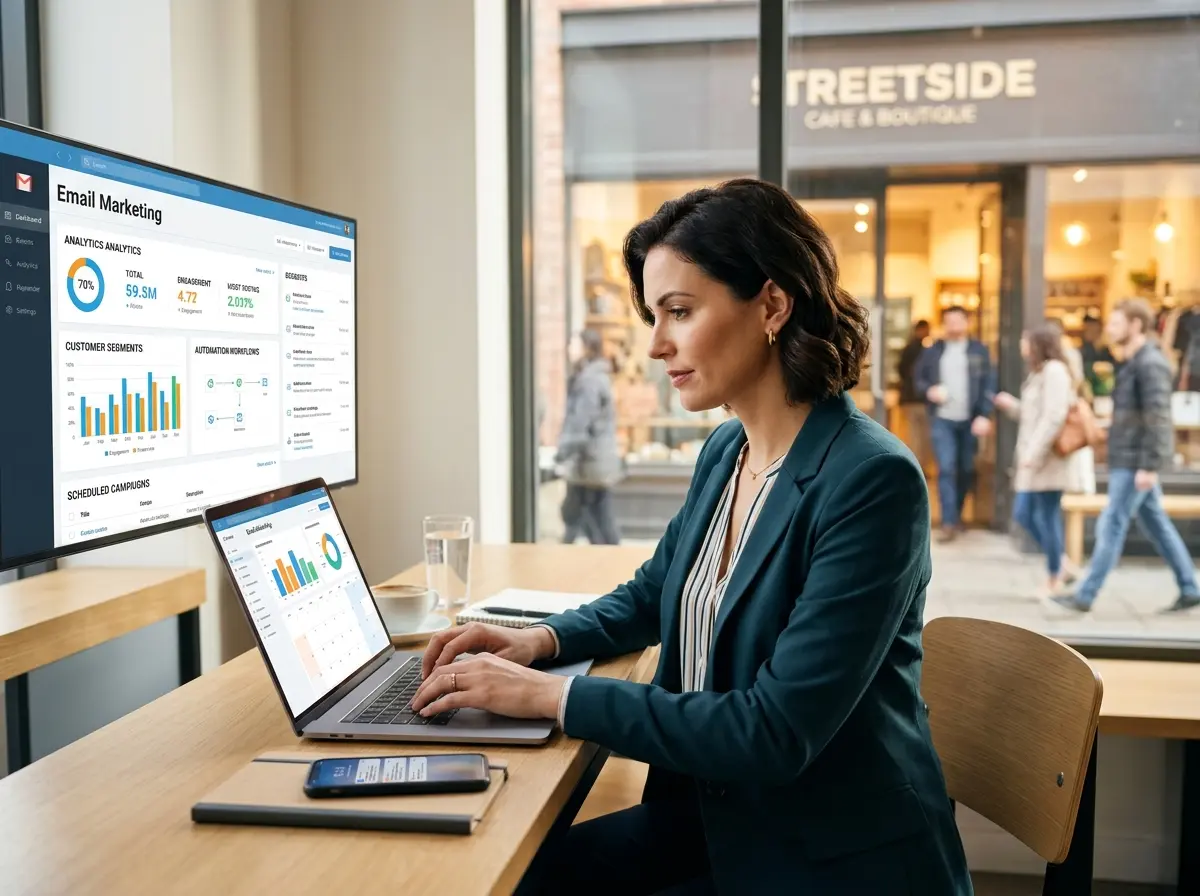
A successful pre-treatment campaign runs across multiple touchpoints — email, direct mail, social media, and phone outreach — and it starts earlier than you think it should. January and February are not too early. By the time March arrives, the early movers have already locked in their customers, and you're competing with everyone else for the scraps.
Build a simple campaign calendar: a teaser email in late January, a full offer announcement in early February, a follow-up sequence for non-openers, a social media push through February and March, and a last-chance reminder the week before your offer expires. Consistency wins the season.
Automate Your Intake and Never Miss a Lead
Here's where most campaigns fall apart: the marketing works, the phone rings, and then... nobody answers. Or someone answers eventually, and the lead has already booked with a competitor. In a high-demand season, speed-to-response is everything. Leads that are contacted within five minutes of inquiry are 21 times more likely to convert than those contacted after 30 minutes, according to a study by MIT.
Let Technology Handle the Front Door
This is exactly where Stella earns her keep. Stella is an AI robot employee and phone receptionist that answers every call — 24/7, without sick days or lunch breaks — and handles customer intake with the same business knowledge your best employee would use. During a busy spring campaign, when calls are coming in before and after business hours, Stella ensures no lead goes unanswered and no booking opportunity slips through the cracks. She can collect customer information through conversational intake forms right on the phone call, log contacts in her built-in CRM, and even flag hot leads for immediate follow-up by your team. If you have a physical office, her in-store kiosk presence means walk-in customers are greeted and engaged the moment they arrive — no awkward waiting at the front desk required.
Converting Leads Into Booked Appointments
Getting someone interested in your offer is step one. Actually getting them scheduled — and keeping them scheduled — is where the real work happens. This is the part of the campaign most pest control companies underinvest in, and it shows in their conversion rates.
Create a Frictionless Booking Experience
Every extra step between "I'm interested" and "I'm booked" costs you customers. If your booking process involves a phone tag marathon, a PDF form emailed back and forth, or a website that looks like it was built in 2009, you are losing business to whoever makes it easier. Invest in online booking that takes less than two minutes. Confirm appointments automatically. Send reminders. The bar is genuinely not that high — most of your competitors aren't clearing it.
When customers do call in, make sure the experience is smooth and professional. Train your staff on the campaign offer so there's no confusion about pricing or what's included. If Stella is handling intake calls, ensure she's loaded with all the current campaign details so she can answer questions accurately and get customers to the point of booking without transferring them unnecessarily.
Follow Up Like You Mean It
Most sales happen on the fifth to twelfth contact. Most pest control companies give up after one or two. Build a follow-up sequence for every lead who expresses interest but doesn't book: a reminder email at 24 hours, a text message at 48 hours, and a personal phone call at 72 hours. Keep it friendly, not pushy — something like, "Hey, just wanted to make sure you got all the details about our spring special before spots fill up." That kind of message closes bookings. Silence doesn't.
Use Social Proof to Seal the Deal
Reviews, testimonials, and before-and-after stories are disproportionately powerful in the pest control industry because the stakes feel personal. Nobody wants to talk about having a roach problem, which means when someone does share their experience publicly, it carries real weight. Feature customer reviews prominently in your campaign materials, especially specific ones: "We had a serious ant problem every spring for three years. After their pre-treatment, we haven't seen a single one." That kind of specificity is worth ten generic five-star ratings.
Quick Reminder About Stella
Stella is an AI robot employee and phone receptionist built for businesses exactly like yours — always available, always professional, and always ready to engage a customer whether they walk in or call in. At just $99/month with no upfront hardware costs, she's the kind of team member who pays for herself the first time she saves a lead that would've gone to voicemail. If spring campaign season is about to get hectic, Stella handles the front lines so your human team can focus on doing the actual work.
Your Spring Campaign Action Plan
Here's the honest truth: a booked-out spring schedule doesn't happen by accident, and it doesn't happen in March. It happens because someone sat down in January, built a real plan, and executed it consistently. The pest control companies that look like they're "just lucky" in the spring are the ones who started their campaigns when everyone else was still recovering from the holidays.
To recap what a strong spring pre-treatment campaign looks like in practice:
- Start early. January and February are your runway. Use them.
- Build a real offer. Specific, valuable, and time-sensitive beats vague every single time.
- Segment your existing customers. Your past clients are your best leads. Treat them that way.
- Run a multi-channel campaign. Email, direct mail, social, and phone outreach working together.
- Make booking frictionless. Remove every unnecessary step between interest and commitment.
- Follow up persistently. Most bookings don't happen on the first touch.
- Use reviews and social proof to overcome hesitation and build trust fast.
- Automate your intake so leads are captured and responded to immediately, even after hours.
Spring is coming whether you're ready or not. The question is whether your schedule is going to be full of pre-booked customers who are already excited to work with you — or whether you're going to be scrambling to fill gaps in April while your competitors are posting "sorry, we're fully booked!" on their voicemail. Choose the former. Build the campaign. Book the season. Your future self — and your technicians — will thank you.