So You Want to Host a Live Performance (Without Losing Your Mind)
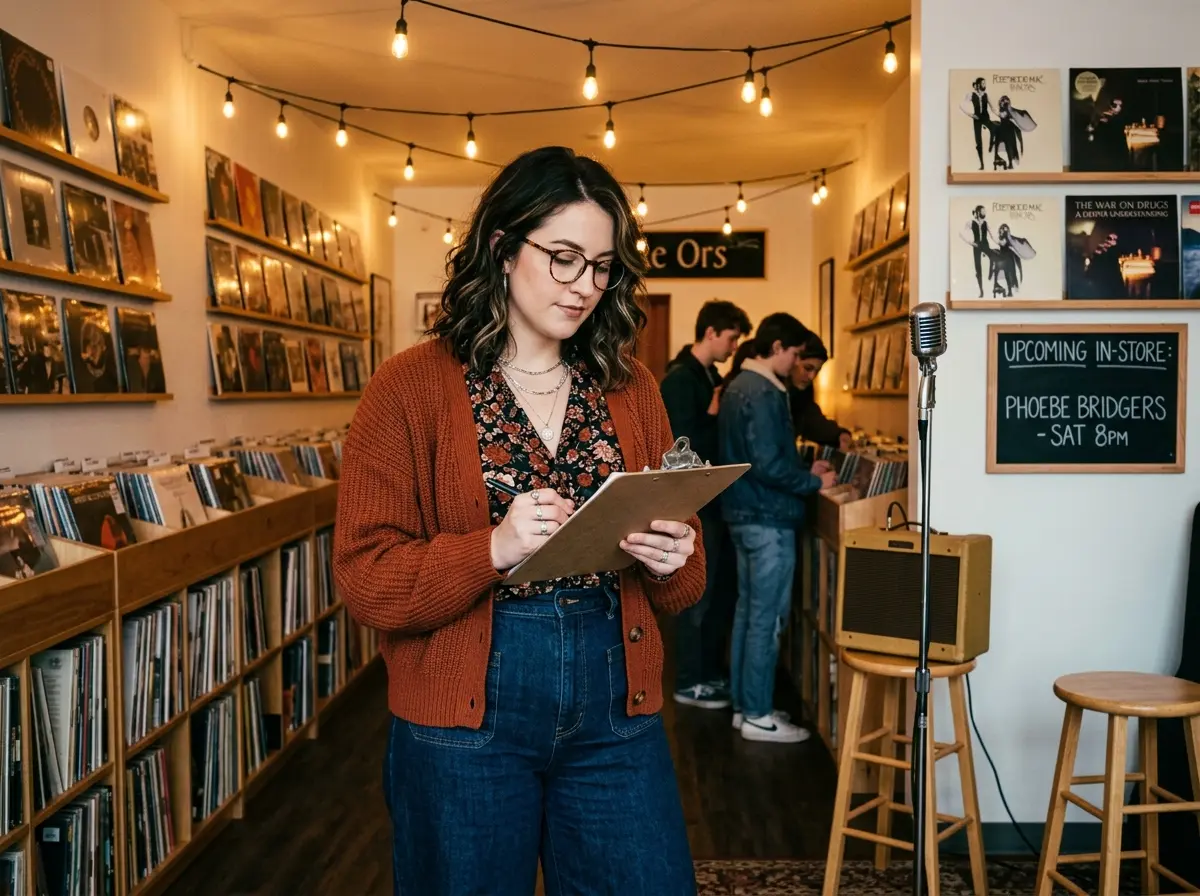
Here's a scenario that probably sounds familiar: you've got a great record store, a loyal customer base, and a burning desire to do something that makes people put down their phones and actually experience music in your space. You've seen the headlines — vinyl sales have been climbing for over 15 consecutive years, and independent record stores are genuinely thriving in ways that would have seemed impossible in the early streaming era. In-store performances are one of the biggest reasons why.
But here's the other part of that story: hosting a live performance that actually drives album sales — rather than just filling your store with people eating your snacks and leaving without buying anything — takes more than booking a band and hoping for the best. There's a real difference between a chaotic afternoon that left you exhausted and a well-executed event that moved 50 units, grew your email list, and had customers asking when the next one is. This guide is for store owners who want the latter.
Planning the Performance That Sells Records
Choosing the Right Artist (Hint: It's Not Just About Who's Cool)
The most common mistake record store owners make when booking in-store performances is prioritizing clout over commerce. Yes, it would be incredible to have a buzzed-about artist play your shop — but if their album isn't something your existing customer base is likely to buy, you're hosting a spectacle, not a sales event. The sweet spot is an artist whose music genuinely aligns with what your customers already love, who has a new or recent release to promote, and who has enough of a local or regional following to bring in fresh foot traffic.
Local and regional artists are massively underrated for in-store events. They're easier to book, often more motivated to promote (because your store is their community too), and their fans tend to be buyers rather than casual streamers. When a local folk artist plays an intimate set and then stands two feet away from a stack of their vinyl, the conversion rate is remarkable. Don't overlook emerging artists either — being the store that gave someone their first proper performance is the kind of story that gets told for years.
Structuring the Event to Maximize Sales Moments
A great in-store performance has a deliberate arc. Think of it less like a concert and more like a very enjoyable sales funnel. The artist plays a few songs, pauses to talk about the album — the story behind a track, the recording process, why this record matters to them — and then plays a few more. That narrative layer is what transforms passive listeners into motivated buyers. People don't just want the record; they want the story that goes with it.
Position physical copies of the album prominently throughout the performance space, not just at the register. Place a small stack near where the artist is set up. Have staff (or a well-placed display) ready to facilitate signing sessions immediately after the set — the post-performance window is your highest-conversion moment, and it closes faster than you think. Offering a simple bundle, like the album plus a related title you curate yourself, can also meaningfully lift your average transaction value.
Promoting the Event Before Anyone Shows Up
An in-store performance with poor promotion is just an awkward Tuesday afternoon. Start promoting at least three to four weeks out across every channel you have — social media, email list, in-store signage, and any local event calendars or music blogs that cover your area. Coordinate with the artist directly; their promotion to their own audience is often more effective than anything you'll do independently. A simple but firm ask — "Can you post about this twice before the event?" — goes a long way.
Don't neglect your existing customers. If you have a customer contact list or loyalty program, a direct message to people who've previously bought music in the same genre can drive serious turnout. According to some independent retail studies, repeat customers spend up to 67% more than new ones — so warming up your existing audience is never wasted effort.
How Stella Can Help You Stay Sane on Event Day
Keeping Operations Running While You're Busy Running a Concert
Event days at a record store are glorious and chaotic in equal measure. You're managing the artist, the crowd, the register, and approximately 400 questions from customers — all at once. This is exactly where Stella, the AI robot employee and phone receptionist, earns her keep. While you're focused on the event itself, Stella handles the steady stream of in-store customer questions — event details, album availability, store policies, featured promotions — without pulling your staff away from more critical tasks. She greets every person who walks through the door and proactively engages them, which matters on a busy event day when your human team is stretched thin.
On the phone side, Stella answers calls 24/7, which means the people who called to ask about parking, event start times, or whether you still have copies of the album in stock actually get an answer — even if every human in your store is currently watching a guitar solo. She can forward calls to staff when needed or handle routine inquiries entirely on her own. No missed calls, no frustrated customers, no voicemails sitting unheard until Wednesday.
Turning Event Foot Traffic Into Long-Term Customers
Capturing Customer Information Without Being Weird About It
A successful in-store performance can bring in a significant number of people who have never been to your store before. That's an incredible opportunity — and one that most record stores completely waste by failing to capture any information about who showed up. You don't need to be aggressive about it. A simple sign-up sheet for your email newsletter near the entrance, a QR code linking to a short form, or a raffle entry tied to an email address are all low-friction ways to turn a one-time visitor into a repeat customer.
The goal isn't to spam people; it's to have a way to tell them about the next great event you're hosting, the limited pressing you just received, or the used collection that just came in. Independent record stores live and die by community relationships, and those relationships require a line of communication.
Following Up After the Event to Extend the Sales Window
The conversation doesn't end when the last chord rings out. A well-timed follow-up email — sent within 48 hours — that thanks attendees, links to where they can stream or buy the artist's album, and teases your next event can meaningfully extend your post-event sales window. Include a personal note about the performance if you can. People remember experiences more vividly than transactions, and reminding them of a great moment in your store is a genuinely effective way to bring them back.
Consider building a simple post-event routine: a social media recap post featuring photos, a thank-you email to your list, and a note to the artist tagging your store. This creates a record (pun very much intended) of your event history that builds credibility with future artists and customers alike.
Using Event Data to Plan Better Events Next Time
After the event settles, take 30 minutes to review what actually happened. How many units moved? Which albums sold alongside the featured release? Did you get new sign-ups? What time did foot traffic peak? This isn't overly analytical — it's just good business. Over time, patterns emerge that help you book smarter, promote more effectively, and structure events in ways that consistently drive sales rather than just attendance. The stores that do this consistently are the ones that turn in-store performances from an occasional experiment into a reliable revenue driver.
A Quick Reminder About Stella
Stella is a human-sized AI robot kiosk and phone receptionist designed for businesses exactly like yours. She stands in your store, engages customers proactively, answers questions, promotes deals, and handles phone calls around the clock — all for $99 a month with no upfront hardware costs. Whether it's a busy event day or a quiet Tuesday, she keeps your front-of-house professional and your staff focused on what matters most.
Go Book the Show
In-store performances work. They drive album sales, build community, attract new customers, and remind people why buying music in a physical space feels completely different from adding something to a playlist. But they work best when you treat them as intentional business events rather than spontaneous happenings.
Start with one event. Choose an artist whose music resonates with your regulars, structure the performance to create natural sales moments, promote it properly, capture customer information, and follow up afterward. Then do it again — better the second time, because you'll know what worked. The record stores that are thriving right now aren't just selling music; they're selling experiences. In-store performances are one of the most powerful tools you have to do exactly that.
Now go make some noise.