Your Customers Are Stranded — And That's Bad for Business
Here's the thing — the auto body repair experience isn't exactly a spa day to begin with. Nobody wants to be at your shop. They're stressed, possibly dealing with insurance headaches, and their car looks like it lost a fight with a concrete barrier. The last thing they need is the added anxiety of figuring out transportation. That's where a rental car referral partnership becomes less of a "nice-to-have" and more of a genuine competitive advantage. Let's talk about why.
The Case for Building a Rental Car Referral Partnership
It Solves Your Customer's Biggest Pain Point — Immediately
It Creates a Mutually Beneficial Business Relationship
It Differentiates Your Shop in a Crowded Market
Most auto body shops in any given city offer roughly the same core services. They fix cars. They do paint. They handle insurance claims. So how do customers choose? Often, it comes down to convenience and perceived care. A shop that proactively arranges rental transportation signals something important: we thought about you before you even asked. That's not just good customer service — that's a brand identity. And in a market where Google reviews can make or break a business, being the shop that "took care of everything" is the kind of detail that shows up in five-star reviews time and time again.
How Technology Can Help You Manage the Whole Experience
Streamlining Customer Communication With an AI Receptionist
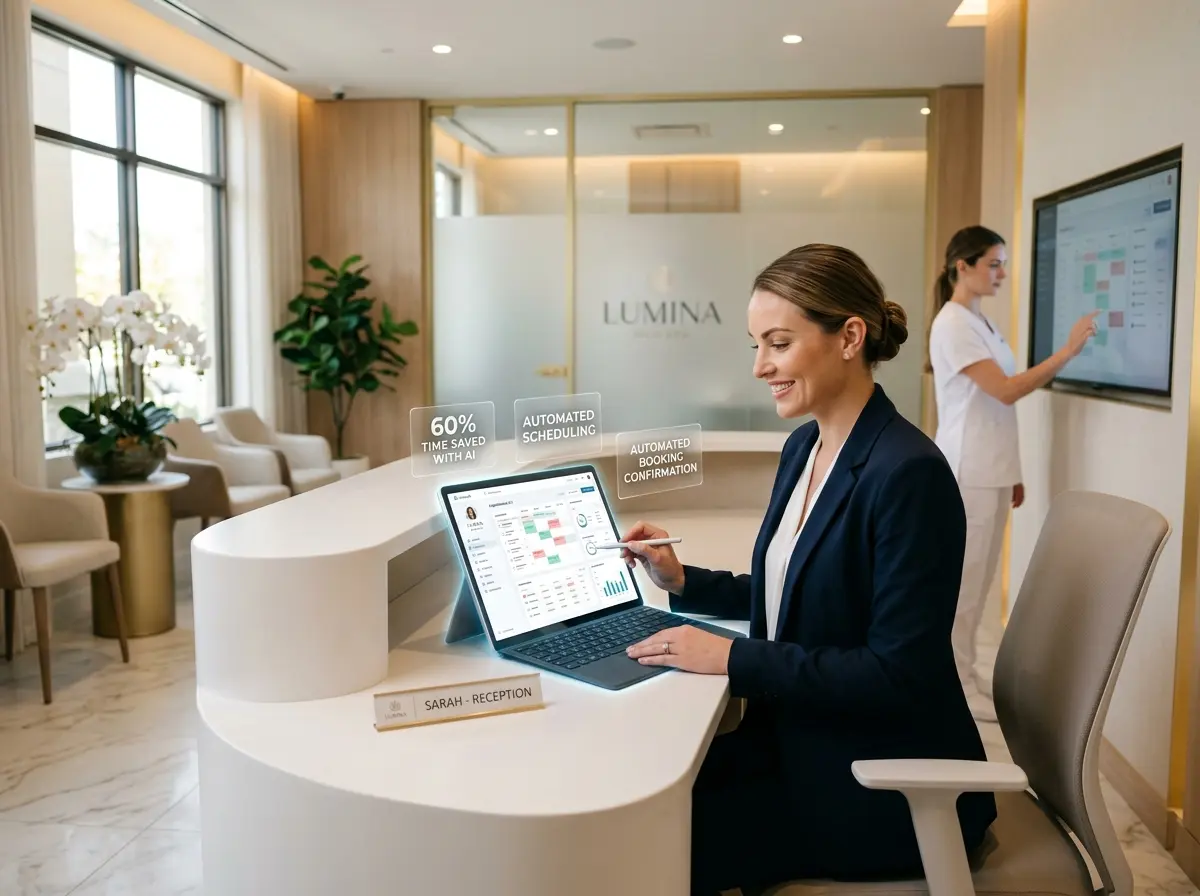
Here's where the rubber meets the road — or rather, where the customer meets your front desk. Managing rental car arrangements, explaining the partnership to new customers, fielding calls about repair timelines, and handling the general chaos of a busy shop floor is a lot to ask of your human staff. That's where Stella, the AI robot employee and phone receptionist, can genuinely lighten the load.
Stella can greet walk-in customers at your kiosk, explain your rental car partnership as part of the service intake process, and answer common questions like "Do you work with a rental car company?" or "How long will my repairs take?" — all without pulling a technician away from an actual car. On the phone side, she handles incoming calls 24/7, which means the customer calling at 7:30 PM wondering about drop-off procedures and rental availability gets a real, helpful answer instead of a voicemail. Her built-in CRM and intake forms also make it easy to capture customer information and preferences upfront, so your team has everything they need before the car even arrives.
Making the Partnership Work in Practice
Set Clear Expectations With Your Rental Partner
Train Your Staff to Lead With the Offering
A simple script works fine: "While your vehicle is with us, we work with [Partner Name] for rental cars — would you like us to arrange that for you?" It's proactive, it's professional, and it positions your shop as one that anticipates needs rather than reacts to complaints. Bonus points if you include the partnership information on your website, in your confirmation texts, and at your front desk — making it impossible for customers to miss.
Measure the Impact and Refine Over Time
Quick Reminder About Stella
Stella is an AI robot employee and phone receptionist that works in-store as a friendly kiosk and answers phone calls around the clock — for just $99/month with no upfront hardware costs. She's always on, never takes a lunch break, and won't call in sick during your busiest Saturday of the year. For auto body shops juggling customer calls, walk-ins, and the general organized chaos of a repair floor, she's a genuinely practical addition to the team.
Ready to Stop Leaving Customers Stranded?
Here's your action plan to get started:
- Identify two or three rental car companies in your area — at least one national chain and one local agency — and reach out this week.
- Prepare your pitch with your monthly car volume and average repair duration so the conversation is productive from the start.
- Draft a simple partnership agreement covering referral terms, communication protocols, and availability expectations.
- Train your team to lead with the offering during every customer drop-off interaction.
- Add the partnership to your marketing touchpoints — website, confirmation messages, and your front desk signage.
- Track and evaluate the program monthly and refine based on customer feedback and usage data.