When Tuesday Night Feels Like a Ghost Town
Every restaurant owner knows the feeling. It's 6:30 on a Tuesday evening, your staff is fully scheduled, the kitchen is prepped, and the dining room looks like the set of a post-apocalyptic film. Meanwhile, Friday night you're turning people away at the door. The feast-or-famine cycle is one of the most frustrating realities of running a restaurant — and it doesn't have to be this way.
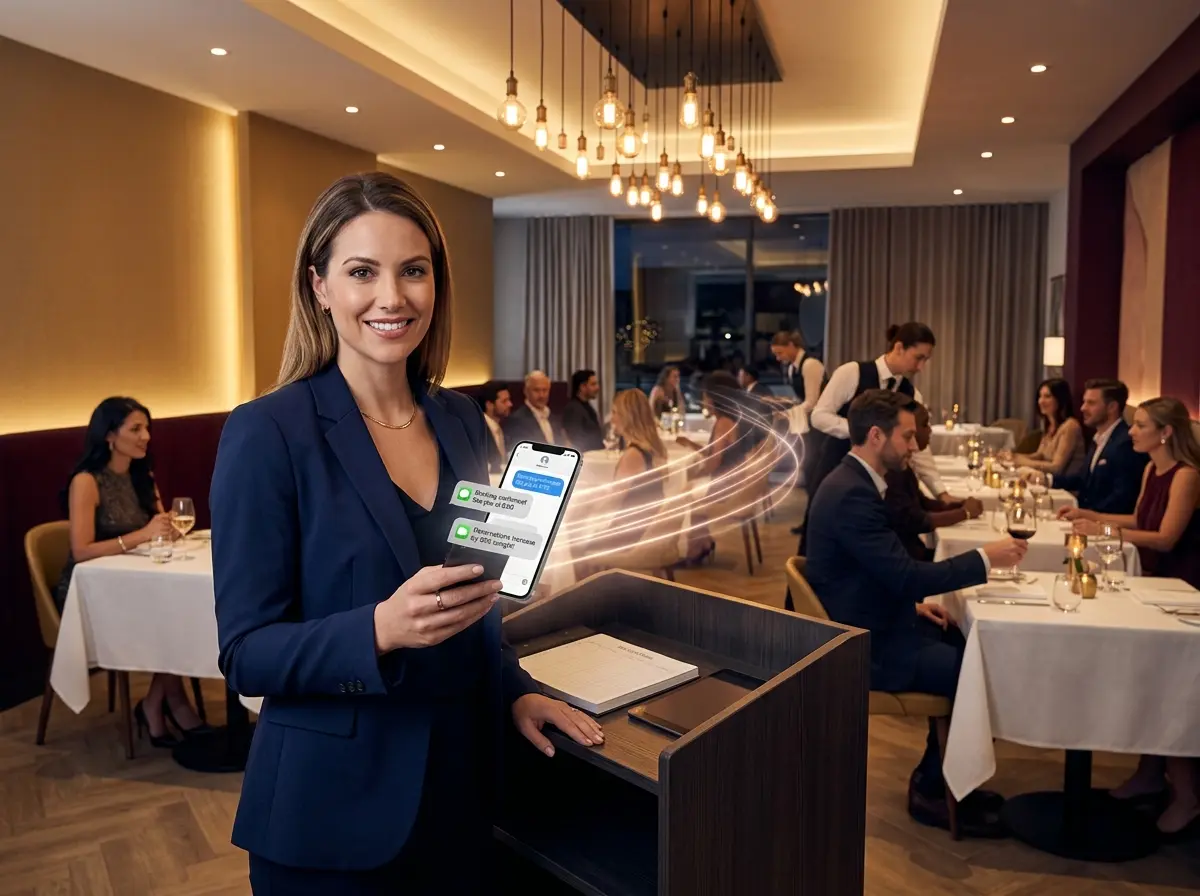
The good news? You probably already have the most powerful tool for solving this problem sitting in your pocket. SMS marketing — when done right — can turn your slow nights into surprisingly solid revenue nights. We're not talking about spammy "HEY COME EAT HERE" blasts that make customers block your number. We're talking about smart, targeted, well-timed text messages that feel less like marketing and more like a helpful nudge from a friend who happens to know you love half-price pasta.
Open rates for SMS messages hover around 98%, compared to roughly 20% for email. People read their texts. They read them fast. And if your message hits at the right moment with the right offer, you can go from a half-empty dining room to a respectable Tuesday night in under an hour. Let's talk about how to make that happen.
Building Your SMS List the Right Way
Before you can text anyone, you need a list — and before you have a list, you need a strategy for collecting numbers that is both effective and legally compliant. Skipping this step is how restaurants end up with zero subscribers or, worse, a fine from the FTC. Neither outcome pairs well with your dinner special.
Getting Explicit Opt-Ins Without Being Annoying
The golden rule of SMS marketing is simple: never text someone who hasn't explicitly asked to hear from you. This isn't just a legal requirement under laws like the TCPA — it's also just good manners. The great news is that customers are often genuinely happy to opt in when you give them a compelling reason to do so.
Offer something real in exchange for their number. A free appetizer on their next visit, 15% off their next order, or early access to a weekly special are all proven incentives. A simple table tent that reads "Text TUESDAY to 55555 for a free dessert on your next visit" works surprisingly well. Train your staff to mention it at the end of a meal when the experience is fresh and positive. Strike while the iron — and the crème brûlée — is hot.
Where to Collect Numbers in the Restaurant Experience
Your opt-in opportunities aren't limited to a single moment. Consider collecting numbers at multiple touchpoints: your reservation process, your loyalty program sign-up, your website, your social media bio link, and even your Wi-Fi login page. If customers have to enter an email to use your guest Wi-Fi, add a phone number field with a clear opt-in checkbox. Many restaurants have quietly built lists of thousands this way without spending a dollar on advertising.
The key is consistency. Every channel should point toward the same list, and every customer interaction is a potential subscriber if you make the ask feel natural rather than transactional.
Segmenting Your List for Maximum Impact
Not every customer is the same, and your messages shouldn't treat them like they are. A customer who comes in every Friday night for date night is a very different target than the solo lunch regular who orders the same sandwich every Wednesday. Segmenting your list — even into just two or three groups — dramatically improves the relevance and effectiveness of your campaigns. Tag customers by visit frequency, preferred dining time, or even their favorite dish category. When you send a "Steak Night Special" text, it should go to people who have actually ordered steak — not to your vegetarian regulars. That's how you avoid unsubscribes and build long-term list health.
Crafting Texts That Actually Fill Tables
Timing, Tone, and the Art of the Irresistible Offer
Timing is everything in SMS marketing for restaurants. Sending a dinner special at 11 PM is pointless. Sending it at 4:30 PM on a slow Tuesday — right when people are starting to think about what they're doing for dinner — is the sweet spot. Most platforms allow you to schedule campaigns in advance, so build a habit of queuing up your slow-night campaigns every Monday morning for the week ahead.
Your tone should match your brand. If your restaurant is casual and fun, your texts can be too. Something like "Tuesday's looking lonely over here. Come keep us company — half-price burgers until 8 PM tonight only." That kind of message feels human, not corporate. Keep it short (under 160 characters when possible), include a clear call to action, and always add a sense of urgency. "Tonight only" and "limited tables available" are your friends.
How Stella Can Support Your Front-of-House Game
SMS campaigns drive traffic — but what happens when that traffic arrives or calls ahead to ask questions? This is where Stella, the AI robot employee and phone receptionist, quietly saves the day. When your slow-night campaign works a little too well and your host stand is suddenly fielding reservation calls while managing a waitlist, Stella handles every inbound call with the same warmth and accuracy as your best employee — without the overtime.
On the floor, Stella's in-store kiosk presence means she can greet walk-ins, answer questions about tonight's specials, and even help capture customer contact information for your SMS list — all through natural, conversational intake. Her built-in CRM stores guest details, tags contacts, and generates AI profiles that make your next campaign smarter. She's essentially working your front-of-house and your marketing database at the same time, which is a remarkable trick for a robot who doesn't require a tip.
Keeping Your List Engaged Long-Term
Getting customers to opt in is step one. Keeping them subscribed — and actually showing up — is the longer game. The restaurants that burn out their SMS lists are the ones that either go silent for months and then suddenly spam everyone, or send something every single day until customers feel like they're in an unwanted relationship. Consistency and restraint are the winning combination.
Creating a Sustainable Sending Cadence
For most restaurants, one to three texts per week is the sweet spot. One well-crafted message mid-week highlighting your slow-night special, one on the weekend promoting a feature item or event, and perhaps one monthly loyalty reward or exclusive offer for long-time subscribers. This keeps your brand top of mind without becoming background noise. Always give subscribers an easy way to opt out — not just because it's legally required, but because a disengaged subscriber is worse than no subscriber at all.
Layering SMS with Your Other Marketing Channels
SMS works best as part of a broader strategy rather than a standalone channel. When your slow-night SMS goes out, consider echoing the same offer on your Instagram story or sending a shorter version via email to the segment of your list that prefers that channel. Consistent messaging across touchpoints reinforces the offer and catches customers wherever they happen to be paying attention that day. Some platforms let you automate this cross-channel coordination, which means you set it up once and let it run — a phrase every restaurant owner loves to hear.
Measuring What's Actually Working
If you're not tracking redemptions, you're just guessing. Most SMS platforms provide delivery rates, click rates (if you include a link), and opt-out rates. But the metric that matters most for restaurants is table conversion — how many people actually came in because of the text? Create simple promo codes unique to each campaign, or train staff to ask "Did you get our text tonight?" It's low-tech, but it works. Over time, you'll start to see patterns: which days respond best, which offer types drive the most covers, and which segments of your list are your most loyal responders.
A Quick Reminder About Stella
Stella is an AI robot employee and phone receptionist designed to help businesses like yours run smoother without adding headcount. She greets customers in person, answers phone calls around the clock, promotes specials, collects customer information, and manages your contacts — all for $99 a month with no hardware costs upfront. Whether your SMS campaign drives a call, a walk-in, or a web inquiry, Stella is ready to handle it professionally every single time.
Turn Slow Nights Into Your Secret Weapon
Slow nights aren't a life sentence — they're a scheduling problem with a marketing solution. SMS marketing gives you a direct, immediate line to your most loyal customers at exactly the moment they're deciding where to eat. When paired with smart segmentation, well-timed messages, and genuine offers, it consistently outperforms almost every other channel available to independent restaurant owners.
Here's where to start this week: choose an SMS platform that fits your budget and integrates with your POS if possible, set up a single opt-in offer and promote it at every table this weekend, and schedule your first slow-night campaign for next Tuesday at 4:30 PM. That's it. One offer, one segment, one send. Measure the results, adjust the approach, and build from there.
The dining room doesn't have to be a ghost town on Tuesdays. You have the tools, you have the customers, and now you have the playbook. Time to put it to work.